Plan and listen to Hochelaga with Audiala.
Audio guide in your pocket, itinerary in your browser. Built for the way you actually visit.
Introduction: Discover Hochelaga’s Enduring Legacy
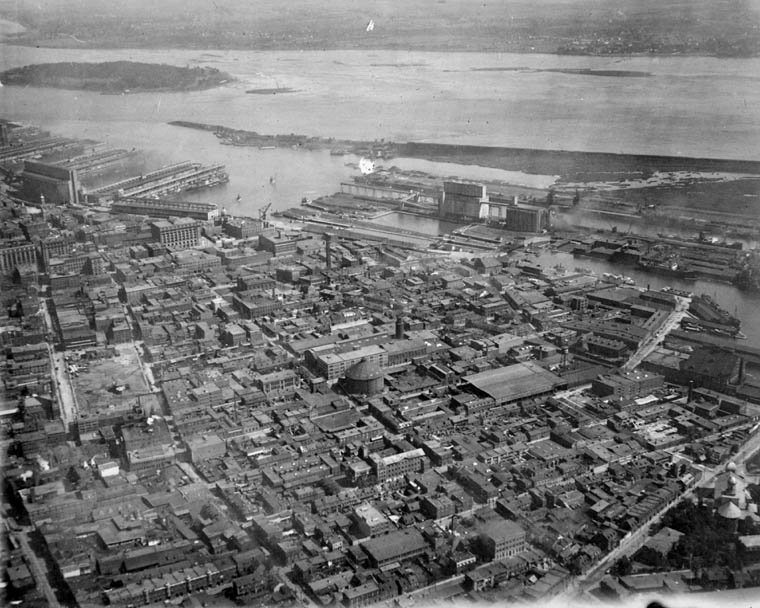
Hochelaga, now part of the vibrant Hochelaga-Maisonneuve neighborhood in Montreal, is a destination where Indigenous heritage, colonial history, and dynamic urban culture intertwine. Once a thriving 16th-century St. Lawrence Iroquoian village, first recorded by Jacques Cartier in 1535, Hochelaga’s legacy persists in both the physical and cultural landscape of Montreal. Today, the neighborhood—often referred to as "HoMa"—celebrates its rich cultural mosaic and industrial roots, drawing visitors interested in Canadian historical sites, Indigenous traditions, and Montreal’s lively local life.
This guide offers detailed historical context, practical visiting information, and insider tips for exploring Hochelaga-Maisonneuve’s top attractions, including the Olympic Stadium, Montreal Botanical Garden, Montreal Biodome, and more. Find advice on accessibility, transportation, seasonal events, safety, and community festivals to ensure a rewarding visit.
For further information and current event listings, consult The Canadian Encyclopedia, Montreal Botanical Garden, and Olympic Stadium.

Indigenous Origins and the Village of Hochelaga
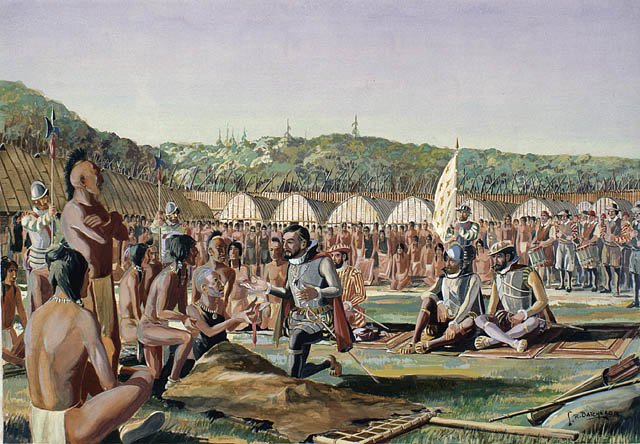
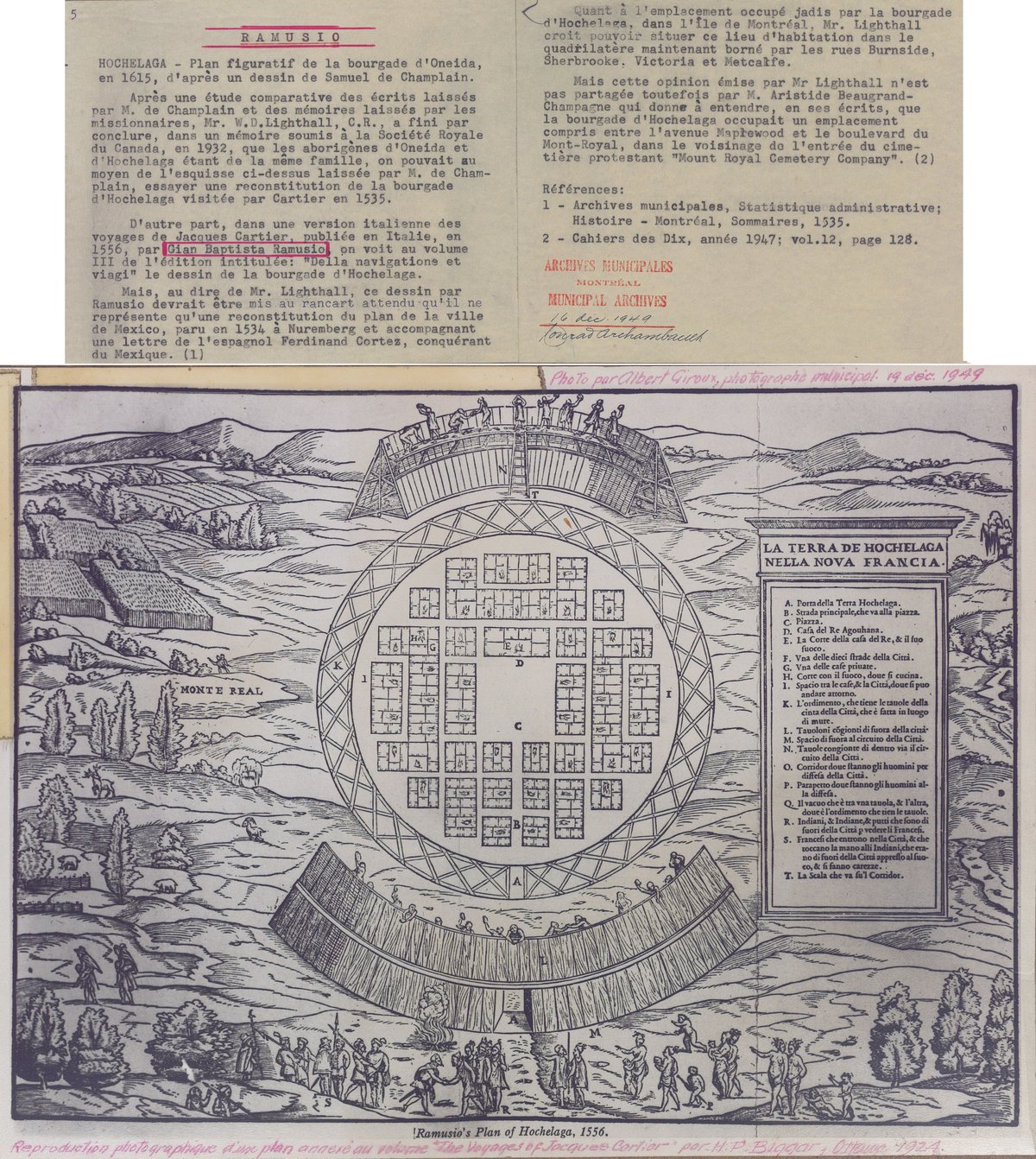
Hochelaga was a major settlement of the St. Lawrence Iroquoians, located near present-day Mount Royal. Its name likely derives from Iroquoian words referencing the region’s waterways (The Canadian Encyclopedia). The villagers were skilled agriculturalists, growing corn, beans, and squash along the fertile St. Lawrence River. When Jacques Cartier arrived in 1535, he described a fortified village of 1,000–3,500 people, surrounded by cornfields and palisades, and housing communal longhouses (Britannica). Cartier was welcomed and guided to the summit of Mont Royal—later the city’s namesake (Wikipedia).
Disappearance and Historical Mystery
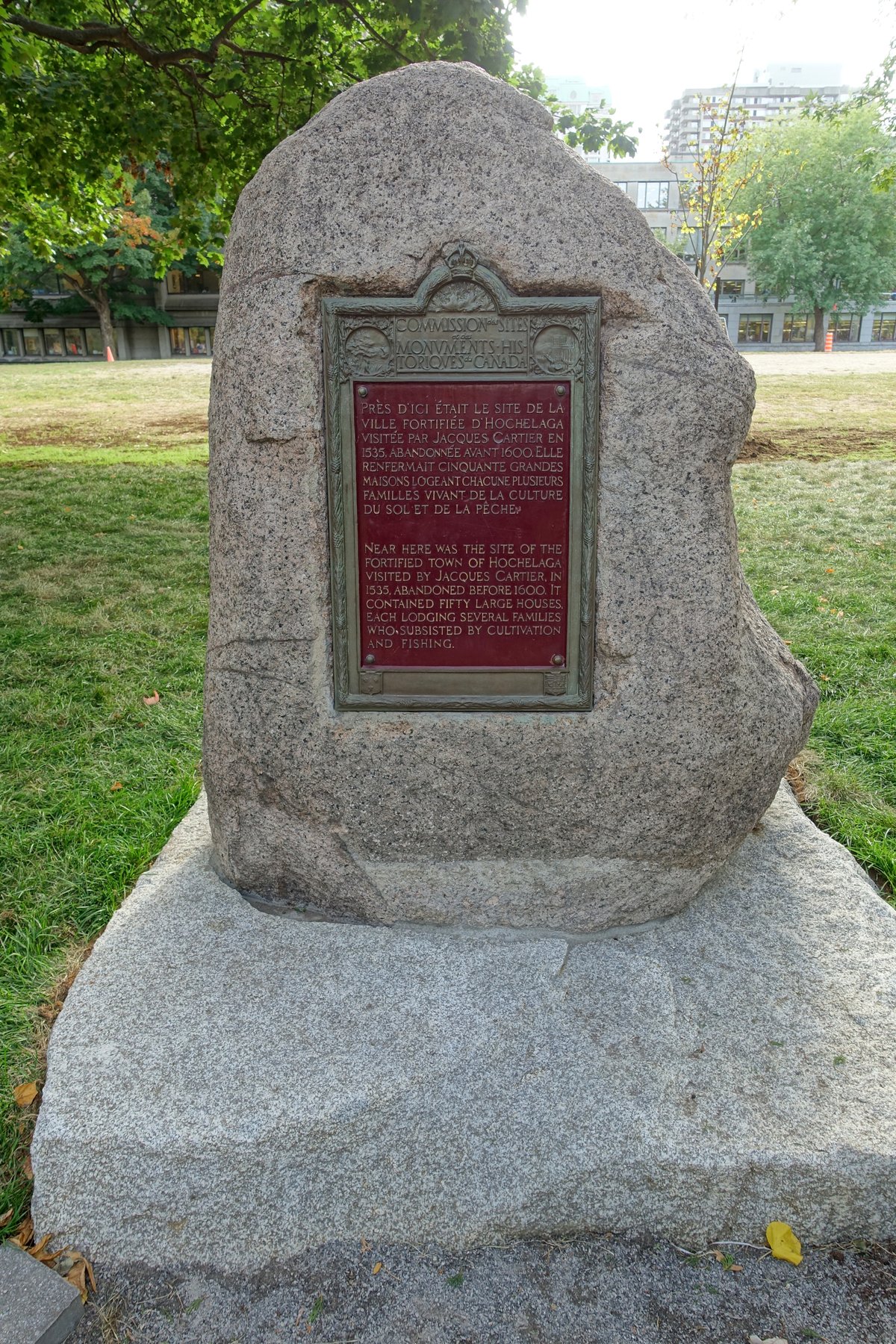
Despite its prominence, Hochelaga vanished by the early 17th century. Samuel de Champlain found no trace of the village or its people in the early 1600s (Medium). Theories about its fate include conflict with neighboring groups, European-borne epidemics, and environmental migration. While the exact location remains uncertain, a commemorative marker near McGill University designates the general area (Ancient Origins), and the site is a National Historic Site (The Canadian Encyclopedia).
Legacy in Montreal’s Development
Cartier’s description of Hochelaga inspired further French exploration and colonization. “Hochelaga” became a term for both the St. Lawrence River and the surrounding territory (The Canadian Encyclopedia). The Hochelaga Archipelago—234 islands, including Montreal—still bears the name (Mint Notion).
The current neighborhood of Hochelaga-Maisonneuve honors both Indigenous and colonial histories, commemorating Paul Chomedey de Maisonneuve, Montreal’s founder (Samcon). HoMa is celebrated for its industrial past, vibrant street scenes, and major attractions (Time Out Montreal).
Archaeological and Cultural Significance
Though physical remains are elusive, Cartier’s accounts provide essential knowledge of St. Lawrence Iroquoian life (Ancient Origins). Hochelaga’s name endures in local parks, districts, and cultural events, notably the Osheaga Music and Arts Festival and the 2017 film "Hochelaga, Land of Souls" (The Canadian Encyclopedia).
Visiting Hochelaga-Maisonneuve: Practical Information
Visiting Hours and Tickets
While the original village site is not accessible, the neighborhood’s main attractions have the following hours and ticketing details:
- Montreal Botanical Garden: Open year-round. Tickets required. See official site.
- Olympic Stadium: Tours available daily, 10:00 AM–5:00 PM. Tickets required. See official site.
- Montreal Biodome: Open daily, usually 9:00 AM–5:00 PM. Tickets required. See Space for Life.
- Marché Maisonneuve: Tuesday, Thursday, Saturday, 7:00 AM–3:00 PM. Free entry.
Confirm details on official websites before visiting, as hours may vary seasonally.
Accessibility
Most major attractions are wheelchair accessible. The Montreal Metro’s Green Line (Pie-IX and Viau stations) and Orange Line (Joliette station) provide easy access. Bike lanes and BIXI bike-sharing are also available.
Guided Tours and Special Events
- Historical Walking Tours: Explore Indigenous history, architecture, and street art with local guides—book in advance.
- Annual Festivals: Osheaga Music and Arts Festival, MiniFest Hochelaga, and Piknic Électronik are highlights.
- MURAL Festival: Street art tours and live mural painting events in June (Montreal Rampage).
Best Photographic Spots
- Mount Royal Park: Iconic views of the city.
- Olympic Stadium and Tower: Striking architecture and panoramic vistas.
- Hochelaga’s Murals: Colorful street art along Rue Ontario Est and adjacent streets.
Neighborhood Character and Demographics
Hochelaga is a diverse district with strong Québécois roots, a working-class history, and growing multicultural communities. Its population includes families, students, professionals, and immigrants from various backgrounds, contributing to a lively, inclusive atmosphere.
Top Attractions and Cultural Highlights
- Promenade Ontario: Lined with independent shops, cafés, and bakeries.
- Place Simon-Valois: Public square for community events and markets.
- Olympic Stadium: 1976 Olympic venue with architectural tours and event space (Olympic Stadium).
- Montreal Biodome: Five immersive ecosystems under one roof (Space for Life).
- Montreal Botanical Garden: 22,000+ plant species and annual lantern festival (Montreal Botanical Garden).
- Marché Maisonneuve: Historic market with local produce and specialties.
- Street Art and Murals: Guided tours available.
- Maison de la Culture Maisonneuve: Art exhibitions, theater, and workshops.
- Community Parks: Parc Maisonneuve, Parc Lalancette, and Parc Morgan for recreation and relaxation.
Visiting Hochelaga: Essential Information
How to Get There
- Metro: Pie-IX, Viau (Green Line), or Joliette (Orange Line).
- Bus: Multiple routes serve the area.
- Bike: Dedicated bike lanes and BIXI stations throughout.
Best Times to Visit
- Spring–Fall: Pleasant weather, outdoor markets, and festivals.
- Summer: Street fairs, concerts, and terrace dining.
- Winter: Snow sports in Parc Maisonneuve.
Safety Tips
- Remain aware in less-populated southwestern areas, especially after dark.
- Stay in busy, well-lit zones.
- Guided tours can enhance safety and enrich your experience.
Festivals, Events, and Nightlife
- Osheaga Music and Arts Festival: Renowned summer event.
- MiniFest Hochelaga: Comedy festival (June 12–22, 2025).
- Marché des Possibles: Summer weekends with food, artisans, and music.
- Piknic Électronik: Outdoor electronic music events (May–October).
- Francouvertes and Festival du Bonheur: Music and wellness festivals.
- Nightlife: Cozy bars, live music, and LGBTQ+-friendly venues along Sainte-Catherine Street East.
For current listings, check MTL.org and Tourisme Montréal.
Food, Drink, and Shopping
Sample Quebecois classics like poutine or smoked meat, browse vintage shops and eco-friendly boutiques, and explore Marché Maisonneuve for fresh, local products. The area supports sustainability through craft fairs and sidewalk sales.
Visitor Tips
- Language: French is predominant; English widely understood.
- Accessibility: Major sites are accessible, but verify with individual venues.
- Etiquette: Greet locals with “Bonjour”; politeness is appreciated.
- Family-Friendly: Parks, events, and markets welcome children.
Frequently Asked Questions (FAQ)
Q: Can I visit the original Hochelaga village site?
A: The location is believed to be beneath modern Montreal and is not open to the public. Commemorative plaques mark its historical significance.
Q: What are the visiting hours for main attractions?
A: Olympic Stadium: 10:00 AM–5:00 PM; Biodome and Botanical Garden: 9:00 AM–5:00/6:00 PM; Marché Maisonneuve: 7:00 AM–3:00 PM (Tue, Thu, Sat).
Q: Are attractions ticketed?
A: Yes, for major sites like the Olympic Stadium, Biodome, and Botanical Garden. Public spaces and markets are free.
Q: Is the area safe for solo travelers?
A: Yes, with standard precautions. Guided tours can enhance safety.
Q: How do I get around?
A: Metro, bus, bike, and walking are all convenient.
Q: Are guided tours available?
A: Yes, for history, architecture, and street art. Book in advance.
Listen to the full story in the app
The whole Hochelaga,
told well.
Audio guides for 1,100+ cities across 96 countries. History, stories, and local insight — offline ready.
Verified, and shown.
Researched and written by the Audiala editorial team from historical records, architectural archives, and local expertise.
Researched from Wikidata, Wikipedia & official sources · fact-checked · How we make our guides →