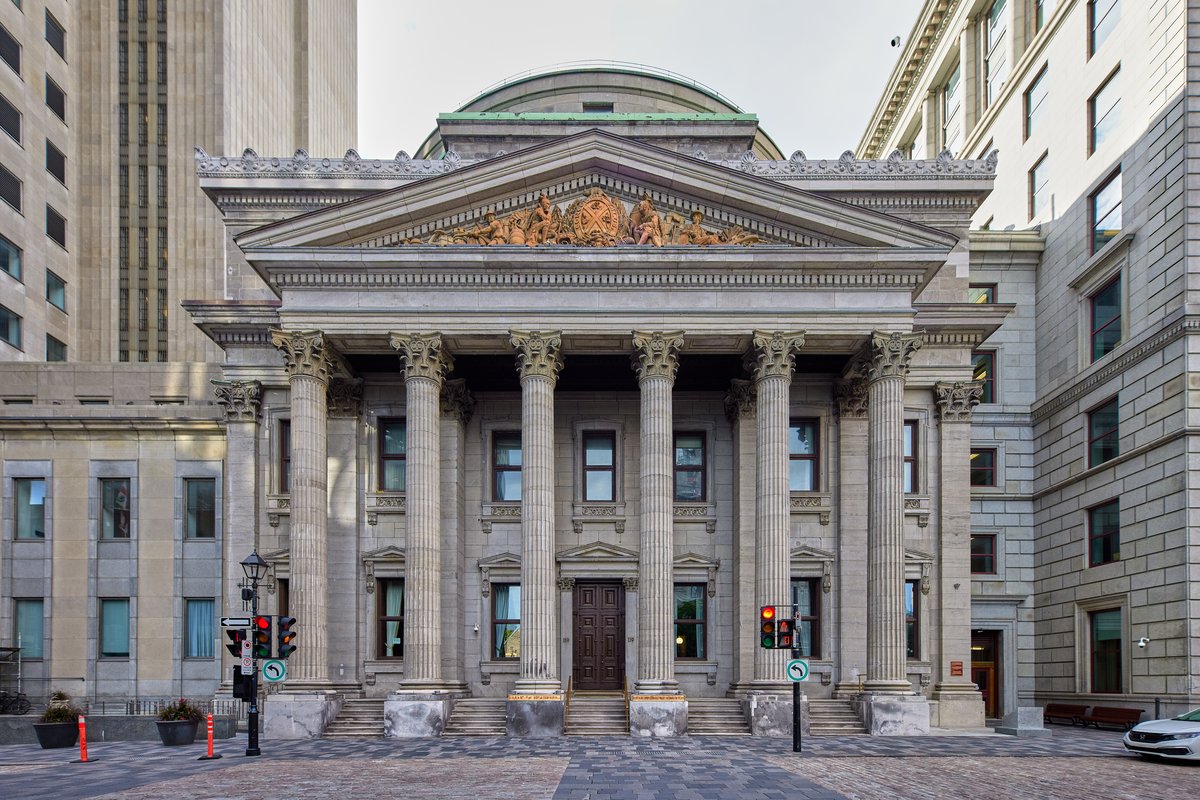
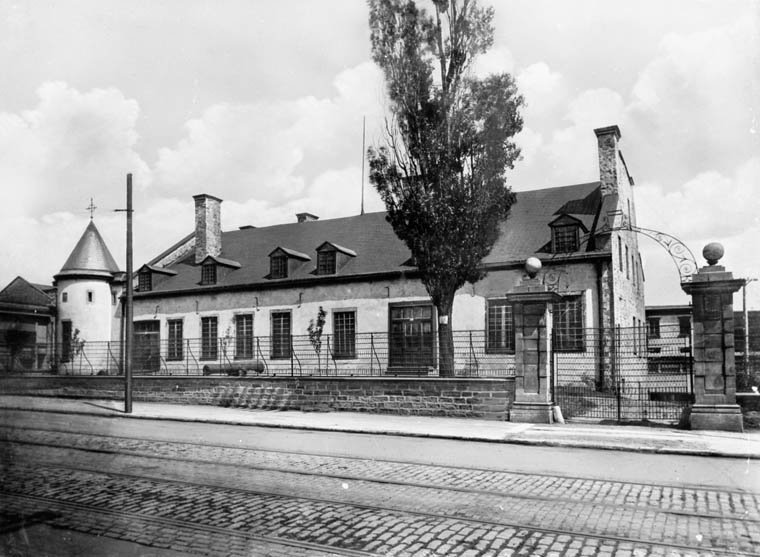
Introduction
Champ de Mars, nestled in the heart of Old Montreal, is a storied urban park that offers visitors an immersive journey through the city’s colonial origins and dynamic present. Once a fortified military parade ground, this significant green space has evolved into a vibrant hub where history, culture, and community intersect. Today, the park’s exposed stone fortifications and interpretive installations vividly recall Montreal’s origins, while its central location makes it an essential stop for both history lovers and casual visitors.
This comprehensive guide explores Champ de Mars’ historical evolution, practical visiting details, nearby attractions, and tips to enrich your experience. Whether you’re seeking a tranquil oasis, eager for historical insights, or looking for the perfect photo backdrop, Champ de Mars is a gateway to Montreal’s unique heritage (histoire-du-quebec.ca; montreal.ca; mtl.org).
Photo Gallery
Explore Champ De Mars, Montreal in Pictures
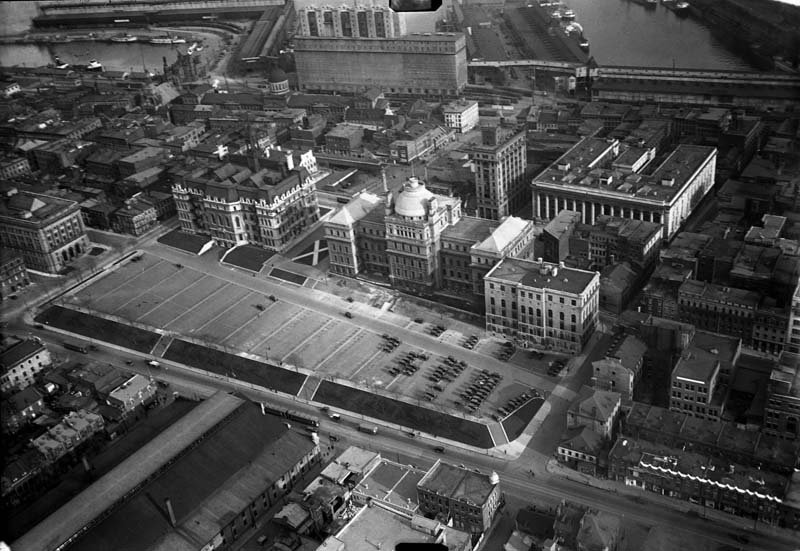
Historic black and white aerial photograph of Champ-de-Mars area in Montréal taken in 1927, capturing the cityscape and architecture of the time.
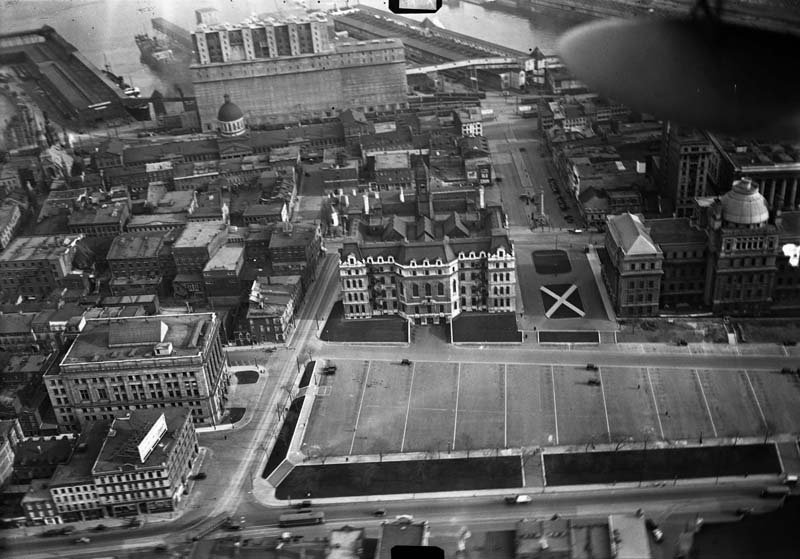
Vintage 1927 black and white image showing the Champ-de-Mars area in Montréal, capturing the urban landscape and historic architecture.
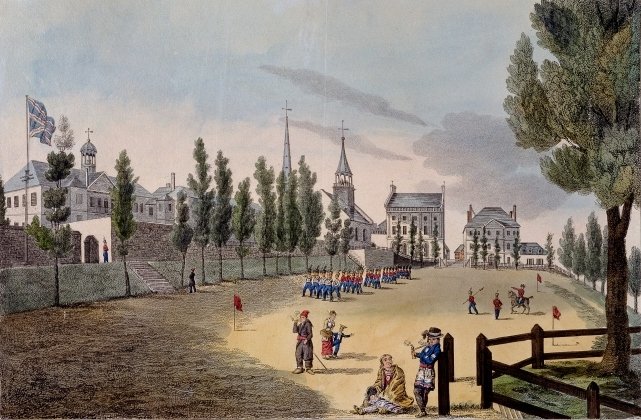
Detailed historic illustration showing the Champ de Mars area in Montreal as it appeared in 1830, highlighting the park and surrounding structures
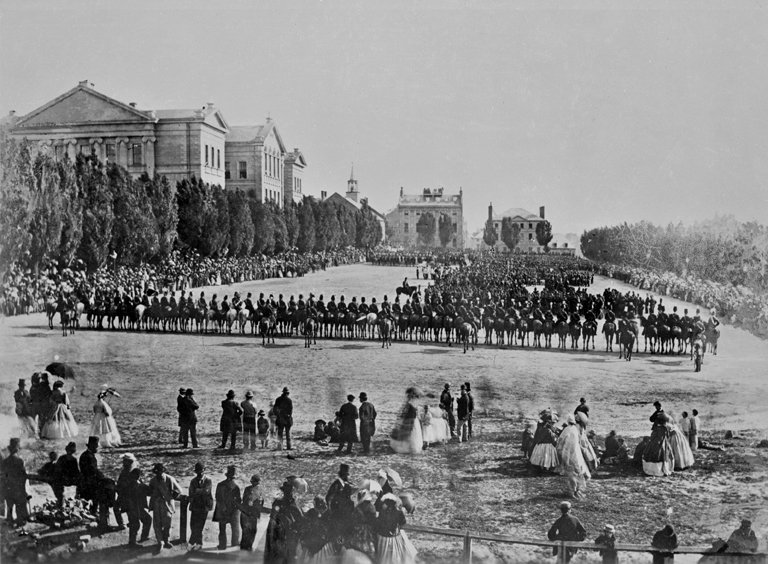
Historic photograph showing a welcome address to returning Fenian Raids volunteers at Champ de Mars, Montreal, in 1866, captured by William Notman using the gelatin silver process.
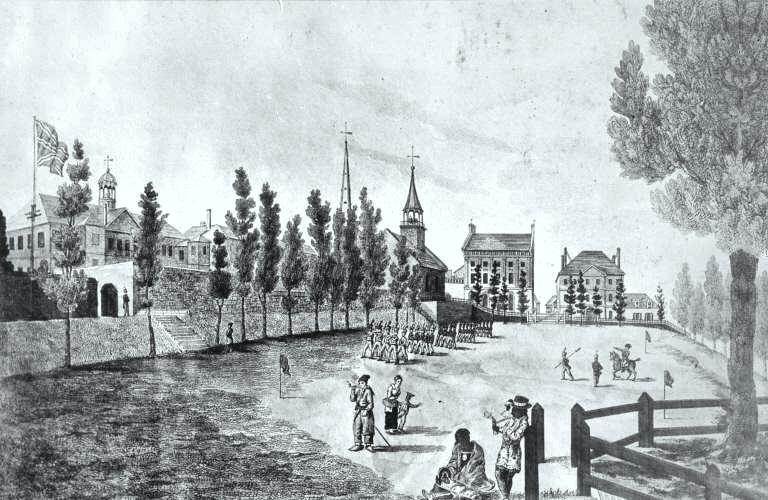
Engraving by William Notman of Champ de Mars in Montreal, Quebec from 1869, showcasing the vintage urban scene with silver salts on paper albumen process.
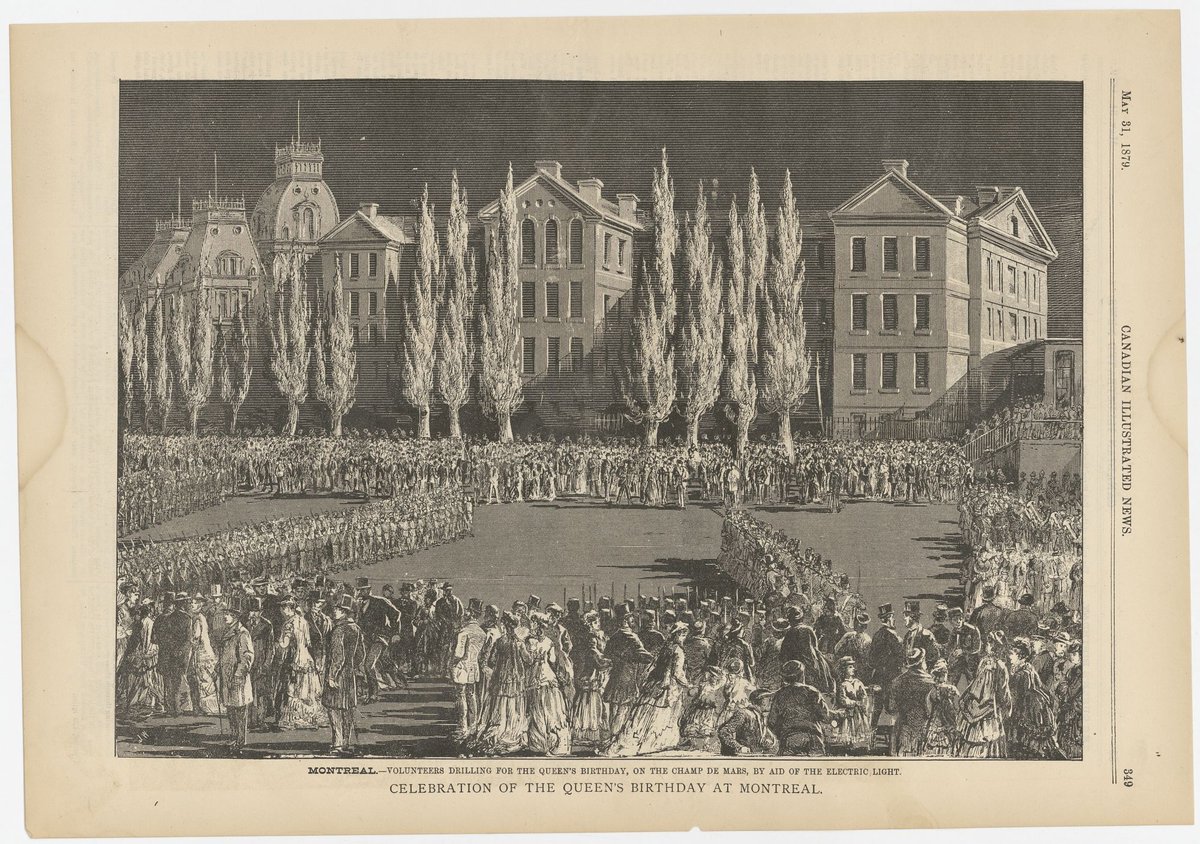
Celebration of the Queen's Birthday in 1879 at Champ de Mars, Montreal with volunteers from local militia drilling at night using electric lights provided by J.I. Craig.
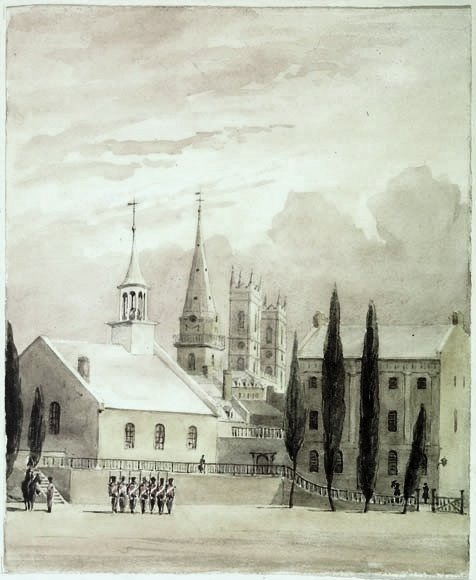
Watercolour over pencil painting of Champ de Mars park in Montreal, size 18.1 x 22.2 cm on wove paper
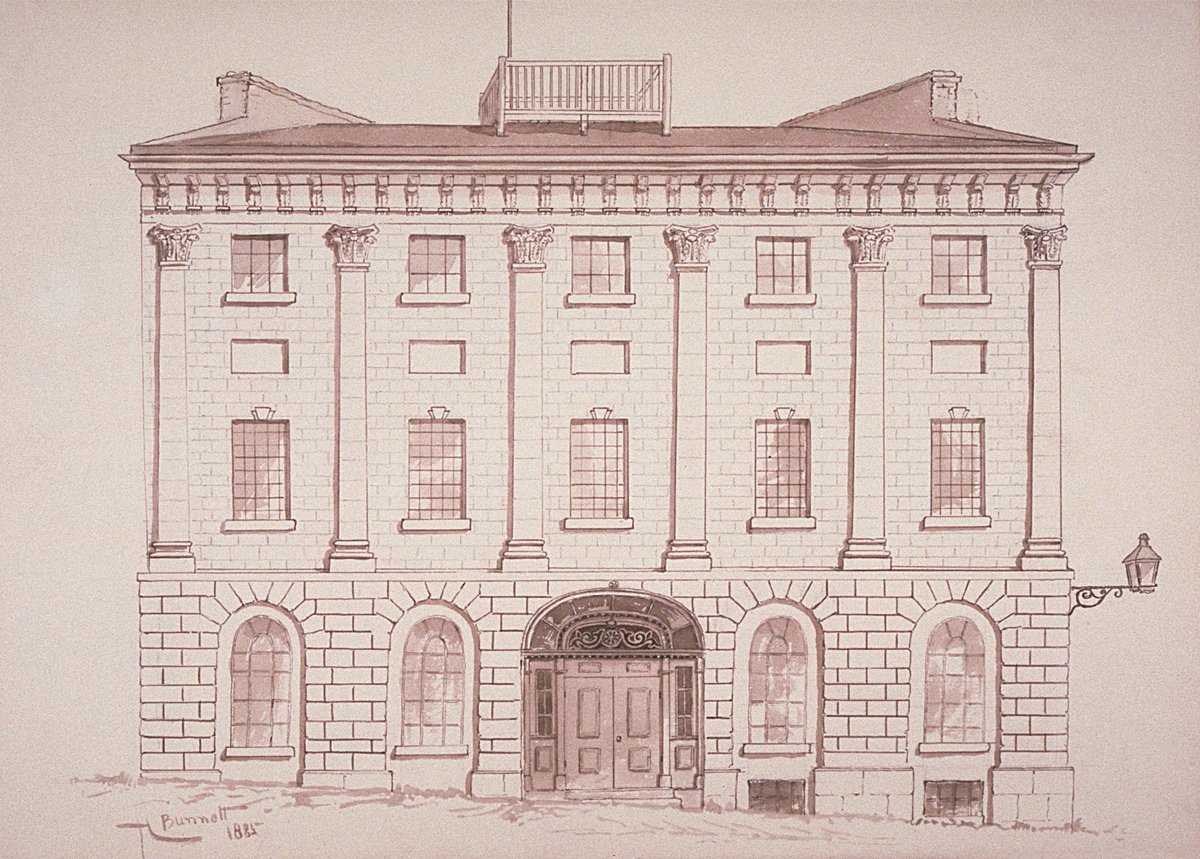
Black and white historic image of the David Ross House located in the West End of Champ de Mars, Montreal, built before 1812
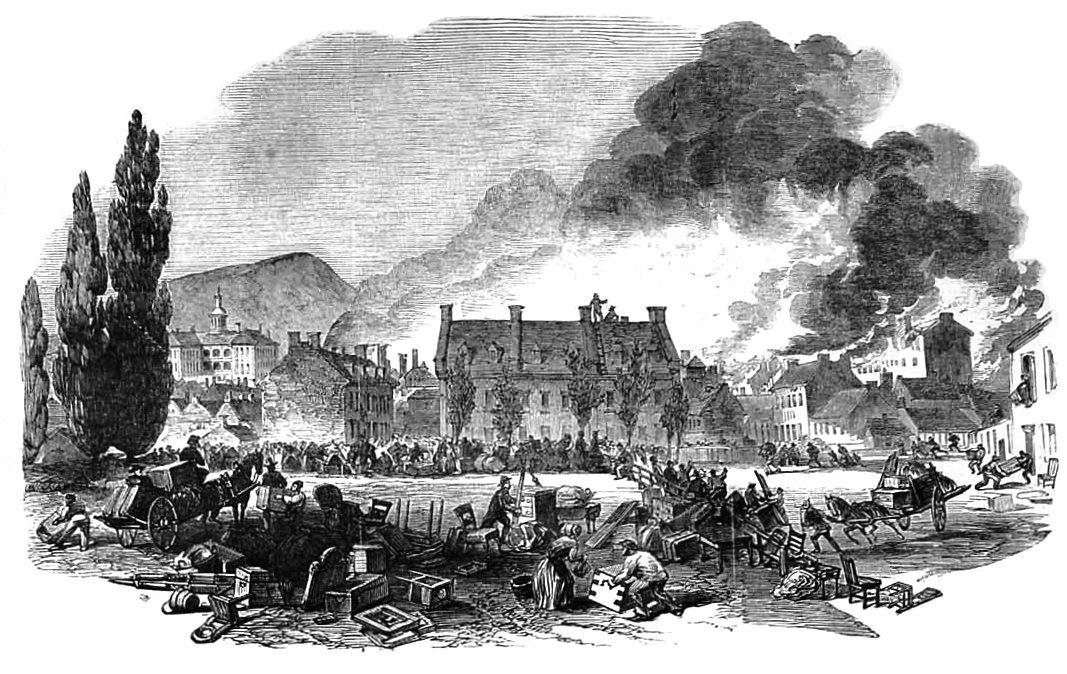
Historical sketch depicting the Great Fire at Montreal as seen from the North Corner of the Champ de Mars, showing intense flames and smoke engulfing buildings.
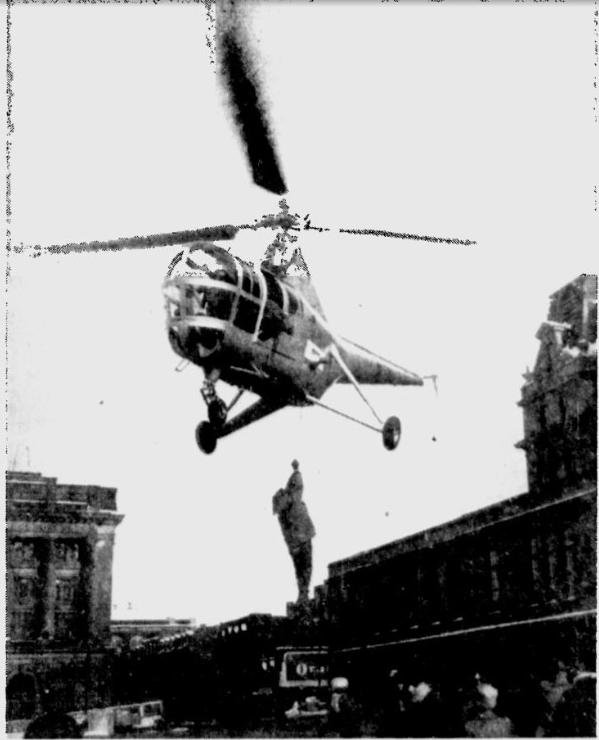
Demonstration of rescue capabilities of RCAF Sikorsky S-51 helicopter with Aero-engine Mechanic Cpl. Harold Brownrigg being lowered over Champ de Mars in Montreal, Quebec, Canada in 1948. Helicopter rescue training involving Air Frame Mechanic Cpl. Harry O'Brien and pilot FO Bert Milliken.
Origins as a Military Parade Ground
Established in the 18th century, Champ de Mars originally served as a military parade ground adjacent to Montreal’s fortified city walls. The name “Champ de Mars” references the Roman god of war, Mars, a common designation for such military fields in French cities. The area’s proximity to the stone fortifications made it strategically important for military drills, reviews, and city defense during the colonial era. These walls, constructed to protect the fledgling Ville-Marie settlement, defined Montreal’s boundaries until the early 19th century (histoire-du-quebec.ca; ville.montreal.qc.ca).
Civic and Public Transformations
Following the British conquest of New France and the subsequent dismantling of the city’s fortifications (1804–1812), the Champ de Mars transitioned from a military space to a civic one. Throughout the 19th century, it was encircled by prominent institutions, including the city prison, courthouse, and, later, Montreal City Hall. The site adapted to various public needs, serving as a refugee camp after the devastating 1852 fire, and as a bustling open-air market in the late 19th and early 20th centuries (trek.zone; ville.montreal.qc.ca).
After a period as a parking lot in the early-to-mid 20th century, the park’s historic significance was nearly forgotten, overshadowed by urban expansion and modernization (montrealsbestplaces.com).
Rediscovery and Urban Renewal
The 1980s marked a turning point, as archaeological excavations uncovered substantial remains of Montreal’s original stone fortifications. These discoveries led to a major restoration and the public display of the fortification remnants. Champ de Mars was officially reinaugurated in 1992 during Montreal’s 350th anniversary, symbolizing renewed appreciation for the city’s heritage (montreal.ca).
Recent Developments
In the 21st century, Champ de Mars has undergone further revitalization to enhance its role as a connector between downtown and Old Montreal. Projects like Place des Montréalaises have improved pedestrian and cycling access, introduced public art installations, and celebrated diverse aspects of Montreal’s history (montreal.ca). Ongoing infrastructure upgrades, including landscaping and improved accessibility, continue through 2025 (montreal.ca).
Cultural and Community Significance
Over its history, Champ de Mars has hosted military parades, political rallies, festivals, and emergency relief efforts. Today, it is a focal point for cultural events, public art, and community gatherings. Its exposed fortifications offer a tangible link to Montreal’s colonial roots, while its open lawns and tree-lined paths invite relaxation and contemplation (histoire-du-quebec.ca; mtl.org).
Visiting Champ de Mars: Essential Information
Hours and Admission
Champ de Mars is a public park open year-round. Typical hours are from 6:00 AM to 11:00 PM daily, though the park is accessible 24/7, with hours occasionally adjusted during special events or construction. There is no entrance fee—admission is always free (mtl.org).
Accessibility
The park features paved paths and ramps suitable for wheelchairs, strollers, and mobility devices. The adjacent Champ-de-Mars Metro station is fully accessible with elevators and ramps, and the park’s flat terrain ensures ease of movement for all visitors (stm.info).
Guided Tours
Several local tour companies and Montreal’s tourism office include Champ de Mars in guided walking tours of Old Montreal. These tours provide valuable historical and architectural context. Booking in advance is recommended, especially during peak tourist seasons (mtl.org).
Facilities and Amenities
- Seating and Green Spaces: Benches, shaded areas, and open lawns for relaxation and picnics.
- Restrooms: Available at nearby attractions and metro stations.
- Dining: Numerous cafés and restaurants nearby, including Trattoria Gio, Jacopo, and Maggie Oakes (champ-de-mars.quebechotels.info).
- Tourist Information: The Old Montreal Tourist Information Office at 174 Notre-Dame Street East provides maps, guides, and assistance (mtl.org).
Best Times to Visit
The park is most vibrant from spring through fall, when weather is pleasant and events are frequent. Early mornings and late afternoons offer quieter moments for reflection or photography, while weekends and summer evenings are lively with festivals and community gatherings. Winter brings a tranquil, snow-covered charm.
Photography Tips
- Historic Fortifications: Capture the exposed stonework, especially in soft morning or evening light.
- City Hall and Old Montreal: Use the park’s open sightlines for panoramic shots of heritage architecture and the downtown skyline.
- Seasonal Landscapes: Spring blooms, autumn foliage, and winter snows each provide distinct photographic moods (thecrazytourist.com).
Getting There
Public Transit
- Metro: The Champ-de-Mars station (Orange Line) is adjacent to the park. It is uniquely designed to allow natural sunlight to reach the platforms and is fully accessible (stm.info).
- Bus and Night Services: Multiple bus routes and night buses serve the area, with special shuttles from Laval (stm.info).
- Biking: BIXI bike-share stations and a network of bike paths provide convenient cycling options (mtl.org).
Walking and Cycling
The park is easily accessed on foot from Old Montreal’s attractions and is pedestrian- and cyclist-friendly, with smooth, wide paths connecting to nearby districts.
Parking
On-site parking is unavailable, as Champ de Mars was restored from a parking lot to green space in 1992. Paid parking is available in nearby lots, and the P$ Mobile Service app can be used for smartphone payments (mtl.org).
Nearby Attractions
Champ de Mars is surrounded by several of Montreal’s premier historical and cultural sites:
- Montreal City Hall: A Second Empire architectural landmark, open for guided tours during select periods.
- Notre-Dame Basilica: Renowned for its Gothic Revival grandeur, just a short walk away.
- Bonsecours Market: A domed heritage market offering local crafts and exhibitions.
- Château Ramezay: A museum dedicated to Montreal’s colonial history.
- Place Jacques-Cartier: A lively square featuring street performers and open-air cafés (mtl.org).
For more, see our article on Montreal Historical Sites.
Events and Community Life
Champ de Mars is a favored venue for:
- Cultural Festivals: Including the Montreal Baroque Festival, International Jazz Festival, and Francos de Montréal.
- Public Gatherings: Community events, political rallies, and open-air performances.
- Seasonal Activities: Picnics in summer, contemplative walks in winter, and vibrant events throughout the year (mtl.org; travelnotesandthings.com).
Practical Tips for Visitors
- Arrival: Early mornings and late afternoons are best for tranquility; weekends and festival seasons are livelier.
- Picnicking: Welcome in open areas. Alcohol is permitted with a meal and only in designated spots.
- Pets: Dogs are allowed on-leash; owners must clean up after them.
- Language: French is primary, though English is widely spoken in tourist zones.
- Safety: The park is generally safe, but standard urban precautions are advised after dark.
- Construction: Ongoing improvements may affect access; check montreal.ca for current updates.
Frequently Asked Questions (FAQ)
Q: What are Champ de Mars’ visiting hours?
A: The park is open daily, typically from 6:00 AM to 11:00 PM, but is accessible 24/7. Hours may vary during special events or construction.
Q: Is there an entrance fee or ticket required?
A: No. Champ de Mars is a public park with free admission.
Q: Is Champ de Mars wheelchair accessible?
A: Yes. The park and adjacent metro station are fully accessible.
Q: Are pets allowed?
A: Yes, dogs are welcome but must be leashed.
Q: Can I picnic in Champ de Mars?
A: Yes, and alcohol is permitted with a meal in designated picnic areas.
Q: Are guided tours available?
A: Yes, via local tour operators and Montreal’s tourism office.
Q: Where are the nearest restrooms?
A: Restrooms are available at nearby attractions and metro stations.
Listen to the full story in the app
Your Personal Curator, in Your Pocket.
Audio guides for 1,100+ cities across 96 countries. History, stories, and local insight — offline ready.
Audiala App
Available on iOS & Android
Join 50k+ Curators
Sources
- verified
- verified
- verified
- verified
- verified
- verified
- verified
Last reviewed: