Introduction
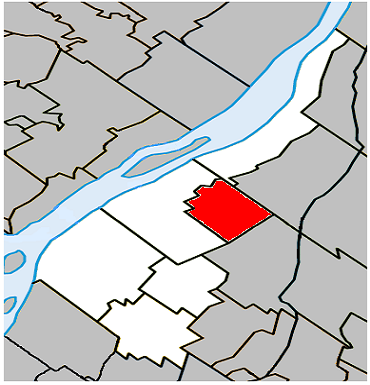
Bois-de-l’Île-Bizard Nature Park is a remarkable natural sanctuary located on Île Bizard in Montreal’s L’Île-Bizard–Sainte-Geneviève borough. Spanning over 200 hectares, it offers a harmonious blend of ecological diversity, rich heritage, and a variety of recreational activities. Visitors will find maple and cedar forests, extensive wetlands, and a vibrant array of wildlife—all within easy reach of the city. The park’s accessible trails, birdwatching opportunities, water activities, and educational programming make it a standout destination for both locals and tourists seeking a peaceful urban escape. This guide covers the park’s history, ecological significance, visitor information, and travel tips to help you make the most of your visit.
Historical Background
Early Origins and Seigneury Era
The land comprising Bois-de-l’Île-Bizard Nature Park has deep historical roots in New France. In 1678, Jacques Bizard was granted the island—then called Île Bonaventure—as a seigneury (montreal.ca; fr.wikipedia.org). The Bizard family held the land until the British conquest in 1760, after which it transferred to Montreal merchant Pierre Foretier (en.wikipedia.org). The marshy terrain and proximity to waterways limited early development, preserving much of the natural landscape.
Industrial and Navigational Importance
In the 19th century, the park’s bay at Pointe-aux-Carrières was a hub for stone quarrying and served as a harbor for boats traveling between the Lake of Two Mountains and Rivière des Prairies (en.wikipedia.org). Stone extracted here was crucial for local construction, and traces of this industrial past remain visible in the park’s landscape.
Community Conservation Efforts
The park’s modern status is the result of dedicated environmental activism. In the late 1980s, when agricultural zoning changes threatened the area, local citizens formed the Comité Environnement de l’île Bizard, leading a successful campaign to protect the land (fr.wikipedia.org). Their efforts culminated in the park’s official designation in 1991, ensuring the preservation of its unique ecosystems for future generations.
Ecological Significance and Habitats
Bois-de-l’Île-Bizard Nature Park covers approximately 216 hectares and acts as a vital ecological corridor between the Lake of Two Mountains and the Rivière des Prairies (en.wikipedia.org). The landscape features:
- Maple and cedar forests supporting resident and migratory birds.
- Extensive wetlands and marshes that provide critical stopover points for waterfowl such as Canada geese, ducks, and herons (provincequebec.com).
- Habitats for amphibians, beavers, turtles, and muskrats, making the park a biodiversity hotspot (pleinairalacarte.com).
Conservation efforts focus on maintaining these diverse habitats and managing the impacts of urban development, invasive species, and climate change.
Visitor Information
Hours and Admission
- Opening Hours: Year-round, from dawn to dusk. Seasonal adjustments may apply; consult the official park website for current details.
- Admission: Entry is free for pedestrians and cyclists. Parking fees: Typically CA$9.50/day or CA$7.50/2 hours (as of 2025).
Accessibility
- Trails: Some pathways and boardwalks are wheelchair accessible, especially near the welcome center. Terrain in marshy areas may be uneven; check accessibility details before your visit (Montreal.ca).
- Facilities: Accessible restrooms are available at the main entrance.
Directions and Parking
- By Car: Access via Jacques Bizard Bridge; parking is available near the main entrance at Pointe-aux-Carrières (Guides Ulysse).
- By Public Transit: STM bus routes serve Île Bizard, with stops close to the park.
- Cycling: Bike racks are located near entrances. The park connects to regional bike paths.
Activities and Attractions
Trails and Scenic Landscapes
- 7 km of hiking trails and 7 km of cycling paths meander through forests, marshes, and along lakesides (Montreal.ca; MTL.org).
- 500-meter wooden footbridge offers panoramic views of the marsh.
Birdwatching and Wildlife
- Premier site for observing migratory birds, especially during spring and fall (GUEPE).
- Interpretive panels offer educational information about flora and fauna.
Water-Based Activities
- Kayaking, canoeing, and paddleboarding are permitted on Lac des Deux Montagnes and Rivière des Prairies (Sandee).
- Fishing: Specific areas and events like the “Fishing Caravan” are available (GUEPE).
Family Programs and Education
- Guided nature walks, scavenger hunts, and educational kiosks for families and school groups (GUEPE).
- Welcome center offers maps and workshops on natural history (MTL.org).
Beach at Pointe-aux-Carrières
- Family-friendly beach with shallow water, picnic tables, restrooms, and a playground (Travel Moments in Time).
- Note: Dogs are not allowed on the beach but are permitted elsewhere on leash.
Winter Activities
- Cross-country skiing (7 km) and snowshoeing (12 km) trails in winter (Montreal.ca).
Events and Guided Programs
- Seasonal events: Nature walks, educational workshops, and family activities are offered regularly (City of Montreal’s event calendar).
- Check the official website for event schedules and registration details.
Frequently Asked Questions (FAQ)
Q: Is there an entrance fee or tickets required?
A: No, entry is free. Parking fees apply for vehicles.
Q: What are the visiting hours?
A: Generally from dawn to dusk year-round; check for seasonal changes.
Q: Are dogs allowed?
A: Yes, on leash in most areas (not on the beach).
Q: Is the park accessible for people with disabilities?
A: Some trails and facilities are accessible; contact the park or check online for specifics.
Q: Are guided tours available?
A: Yes, seasonally. See the park’s website or welcome center for details.
Q: What activities are offered?
A: Hiking, cycling, birdwatching, paddling, fishing, educational programs, and winter sports.
Q: Are there food services?
A: A seasonal snack bar operates near the welcome center (May–September); bring your own snacks outside these months.
Listen to the full story in the app
Your Personal Curator, in Your Pocket.
Audio guides for 1,100+ cities across 96 countries. History, stories, and local insight — offline ready.
Audiala App
Available on iOS & Android
Join 50k+ Curators
Sources
- verified
- verified
- verified
- verified
- verified
Last reviewed: