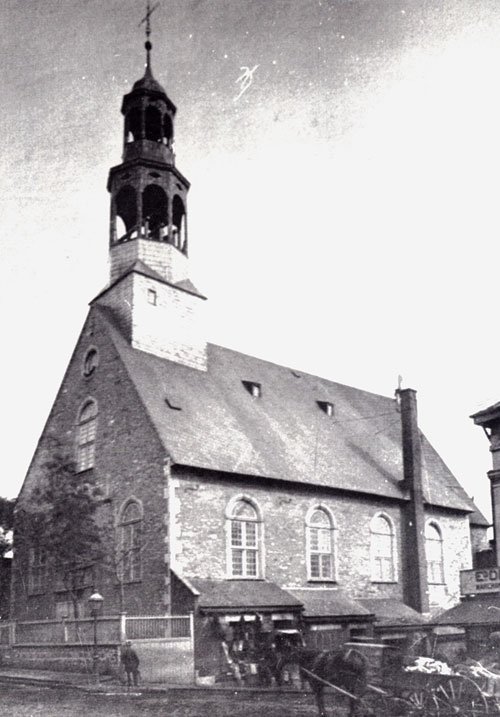
Montreal
location_on 25 attractions
calendar_month Late spring to early fall (May-October)
schedule 3-5 days

Introduction

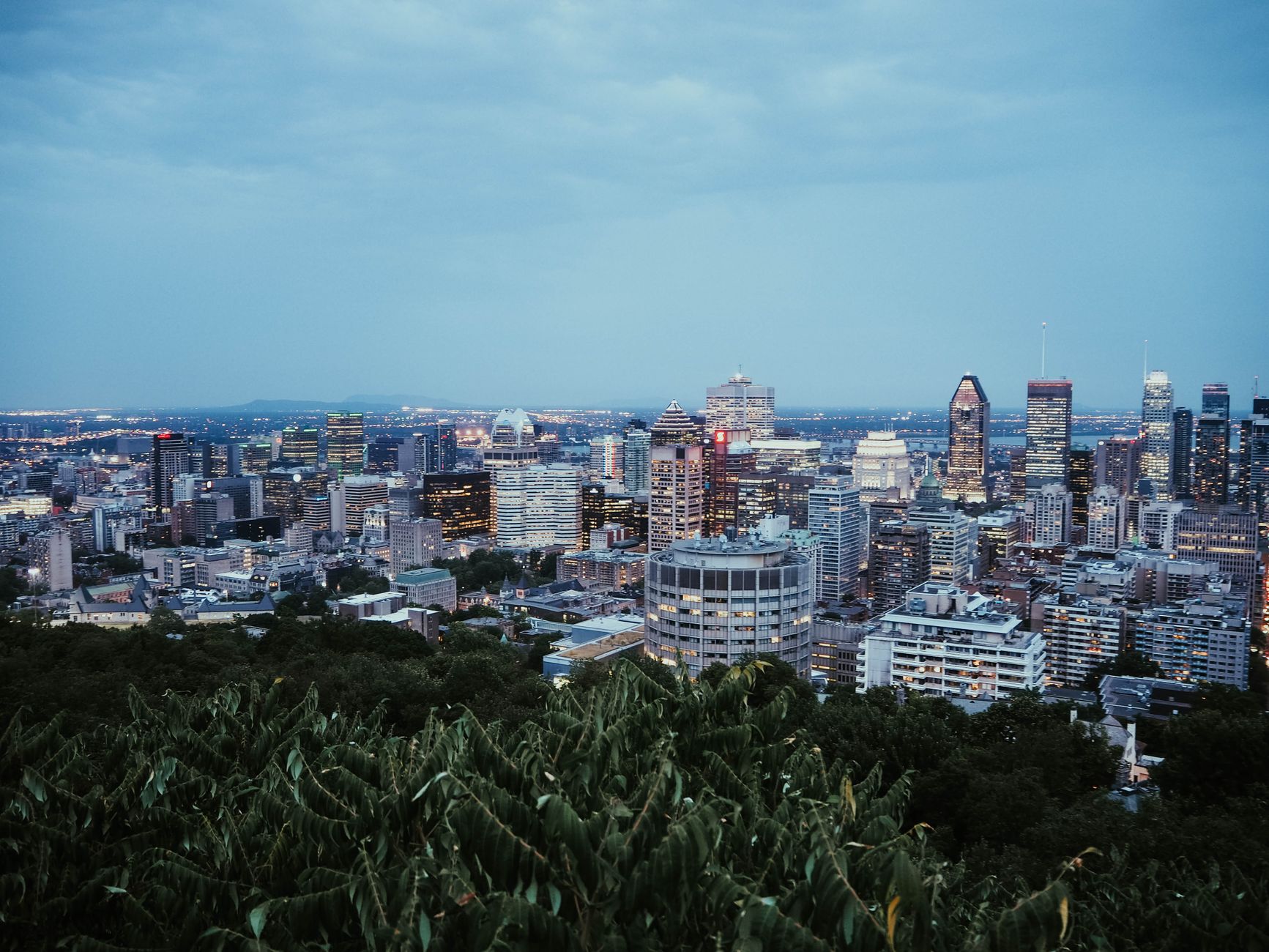
The surprise in Montreal, Canada is how fast the city changes mood between corners: church bells over Old Montreal cobblestones, subwoofers vibrating downtown plazas, and wood-fired bagels still warm in Mile End before lunch. From Mount Royal’s Kondiaronk Belvedere, the skyline glows copper at dusk; minutes later, you can be in the RÉSO underground passages where winter wind disappears. Montreal feels bilingual, layered, and slightly improvised in the best way.

French is the city’s default rhythm, but visitors can move easily in English across hotels, museums, and restaurants. What gives Montreal its pulse is not one monument but a calendar: Quartier des Spectacles alone holds 80-plus venues and around 40 to 50 festivals a year, with summer anchors like the Jazz Festival (June 25 to July 4, 2026) and Francos (June 12 to 20, 2026). Even on ordinary weekdays, the local day arcs from coffee to 5 à 7 drinks to late dinners and post-midnight snacks.

Food here is civic identity you can eat. Jean-Talon Market and Atwater Market show everyday Montreal life in full color: crates of produce, fish counters, espresso bars, and people who clearly know their vendors by name. The city’s signature trio still matters, and locals still argue about it: bagels (best warm and nearly plain), smoked meat, and poutine.

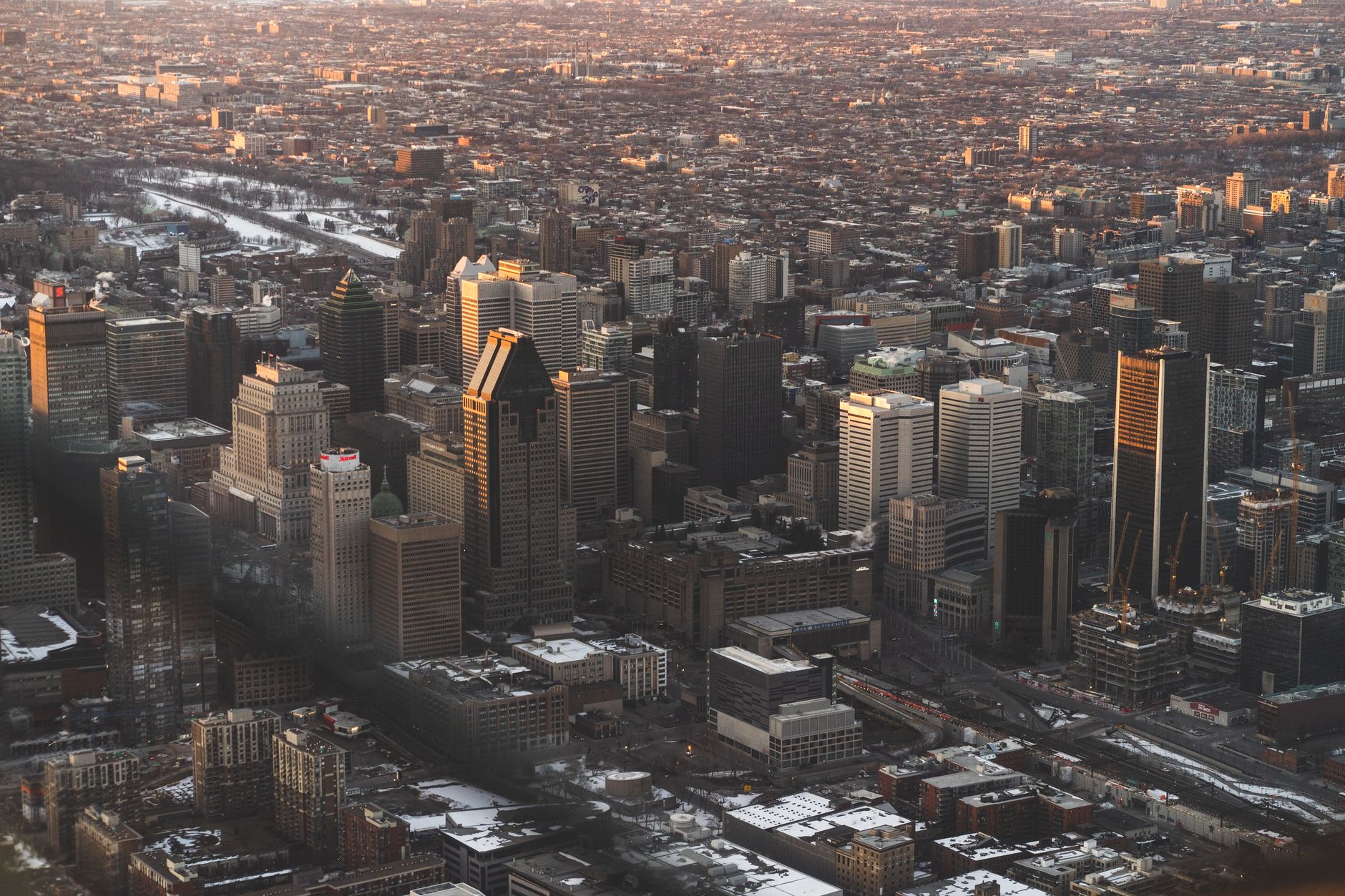
What changes your understanding of Montreal is the contrast between eras that share the same street grid. Notre-Dame Basilica and Pointe-à-Callière hold the city’s oldest stories, while Habitat 67, Place Ville Marie, The Ring, and the Olympic Tower pull your eye toward modern reinvention. Then there is the water: the Old Port quays, the Lachine Canal, and Parc Jean-Drapeau’s river islands keep reminding you this is a city built as much by current and weather as by stone.

Places to Visit

The Most Interesting Places in Montreal

Old Port of Montreal

Old Port of Montreal

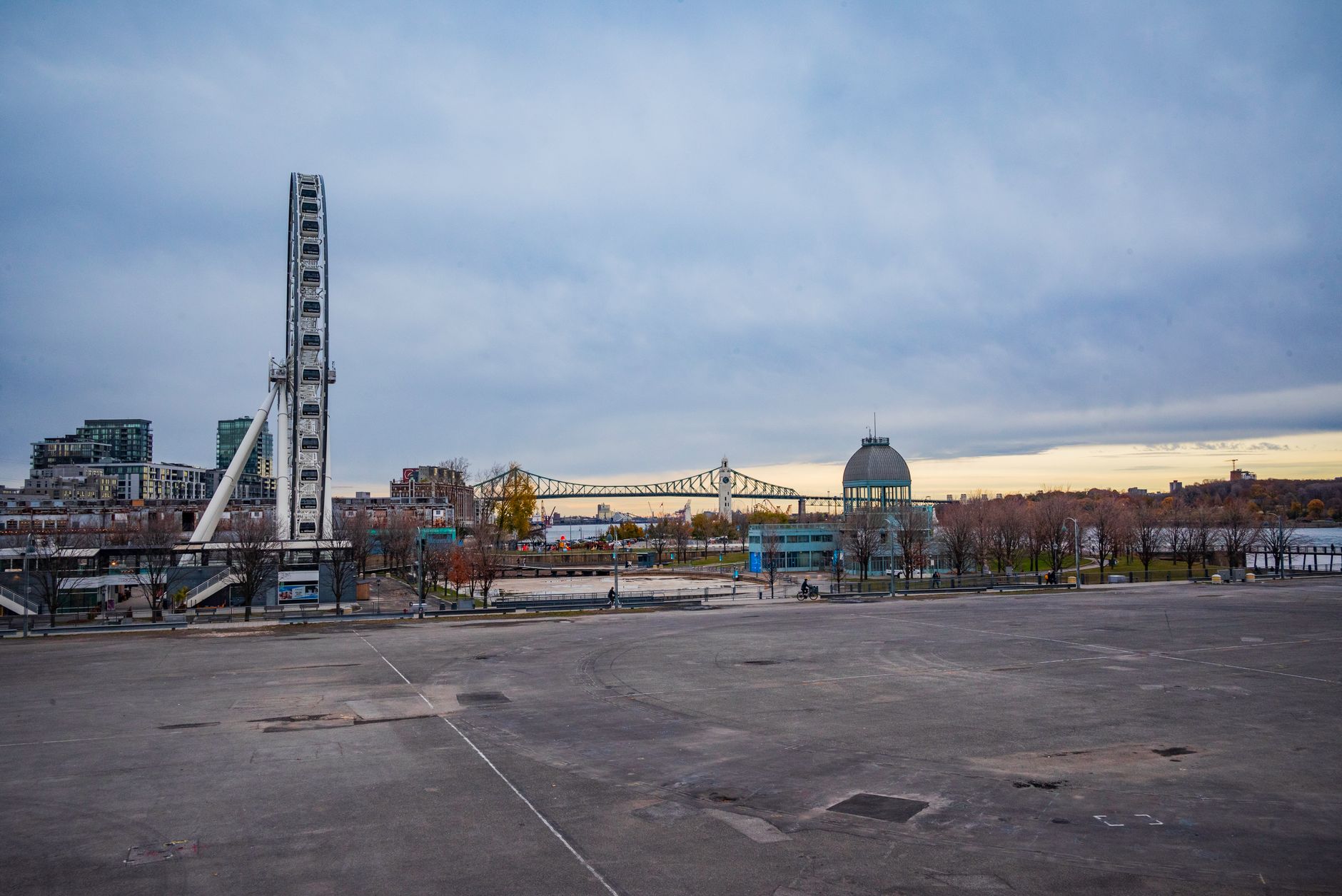
Vieux-Port de Montréal, or the Old Port of Montreal, stands as a testament to the rich tapestry of history, culture, and modernity that defines the city of…

Montreal Museum of Fine Arts

Montreal Museum of Fine Arts

The Montreal Museum of Fine Arts (MMFA) is a cultural landmark that holds a significant place in both the artistic and historical landscape of Montreal.

Montreal Botanical Garden

Montreal Botanical Garden

The Montreal Botanical Garden, or Jardin botanique de Montréal, is a world-renowned treasure located in Montreal, Canada.

Montreal Forum

Montreal Forum

The Montreal Forum stands as an enduring symbol of Montreal’s rich cultural tapestry and Canada’s deep-rooted passion for hockey.

Notre-Dame Basilica

Notre-Dame Basilica

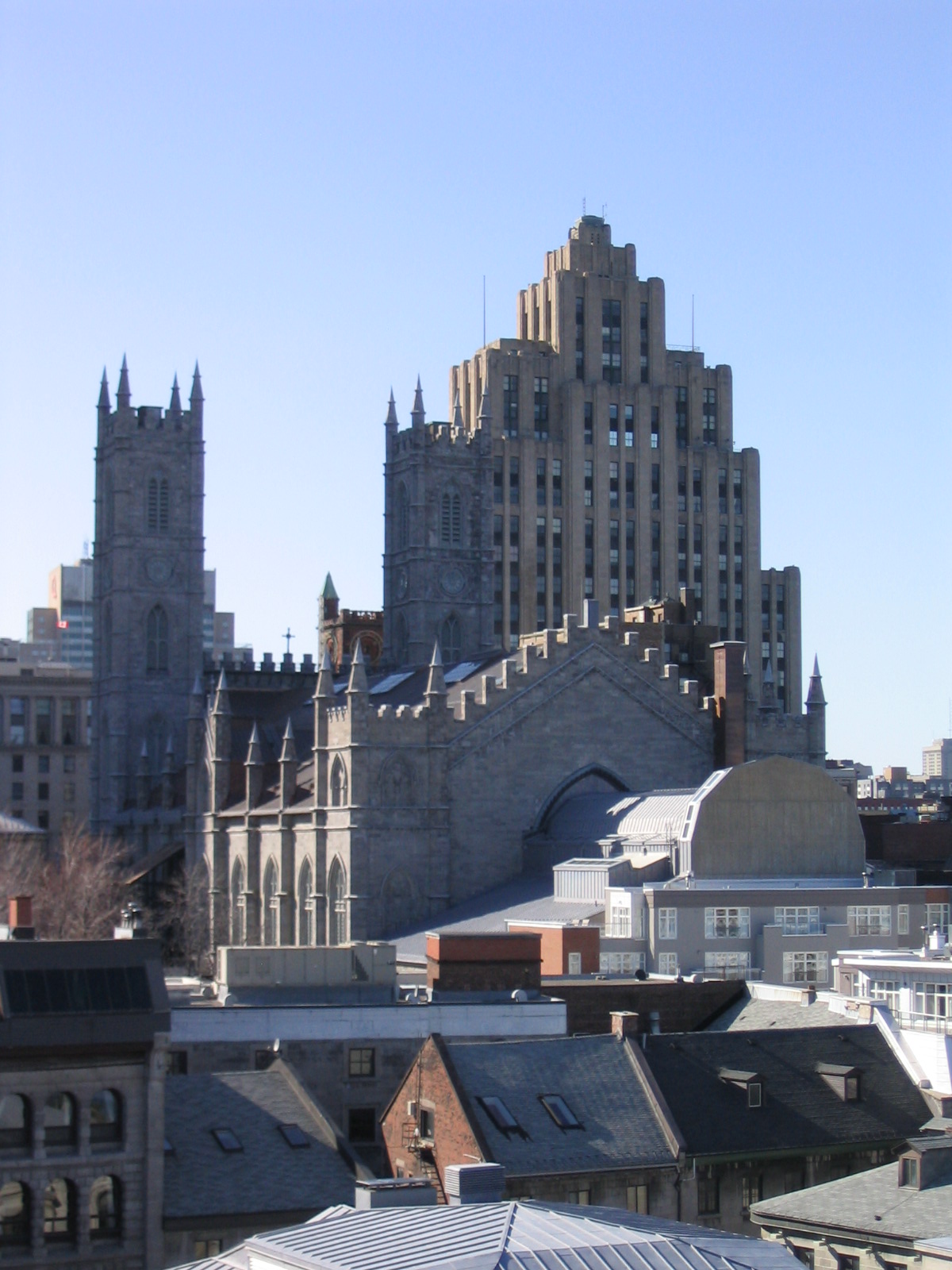
Montreal's Basilique Notre-Dame is a majestic testament to both the city's historical evolution and its architectural splendor.

Montreal Biodome

Montreal Biodome

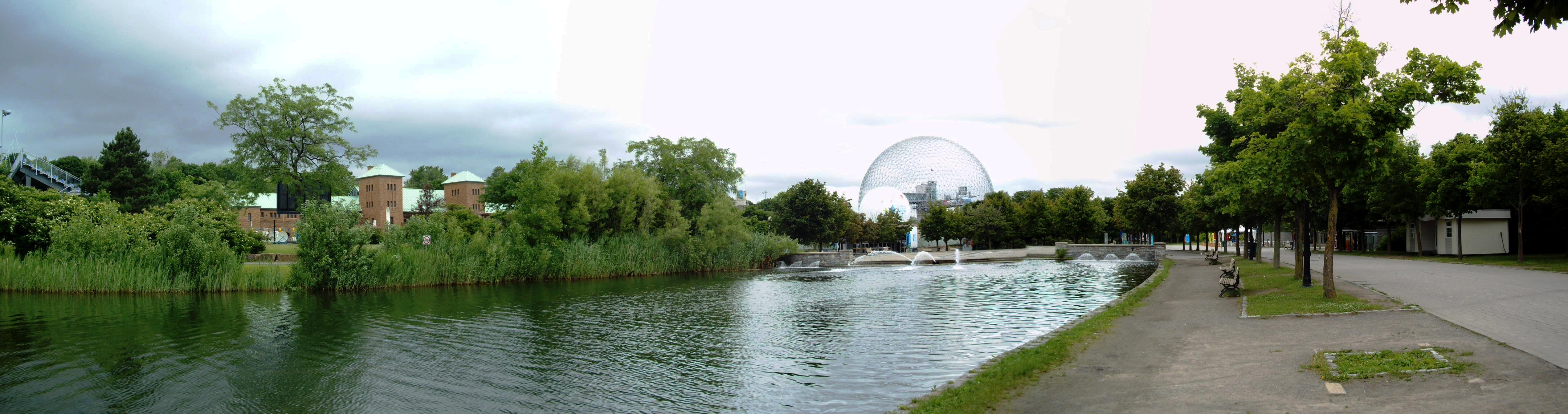
The Montreal Biodome is an unparalleled gem in the heart of Montreal, offering visitors the unique opportunity to explore five distinct ecosystems of the…

Notre Dame Des Neiges Cemetery

Notre Dame Des Neiges Cemetery

Nestled on the scenic slopes of Mount Royal in Montreal, Notre-Dame-des-Neiges Cemetery stands as Canada’s largest cemetery and a monumental testament to the…

Percival Molson Memorial Stadium

Percival Molson Memorial Stadium

Percival Molson Memorial Stadium stands as an iconic and historic landmark nestled on the southern slopes of Montreal’s Mount Royal, offering visitors an…

Victoria Bridge

Victoria Bridge

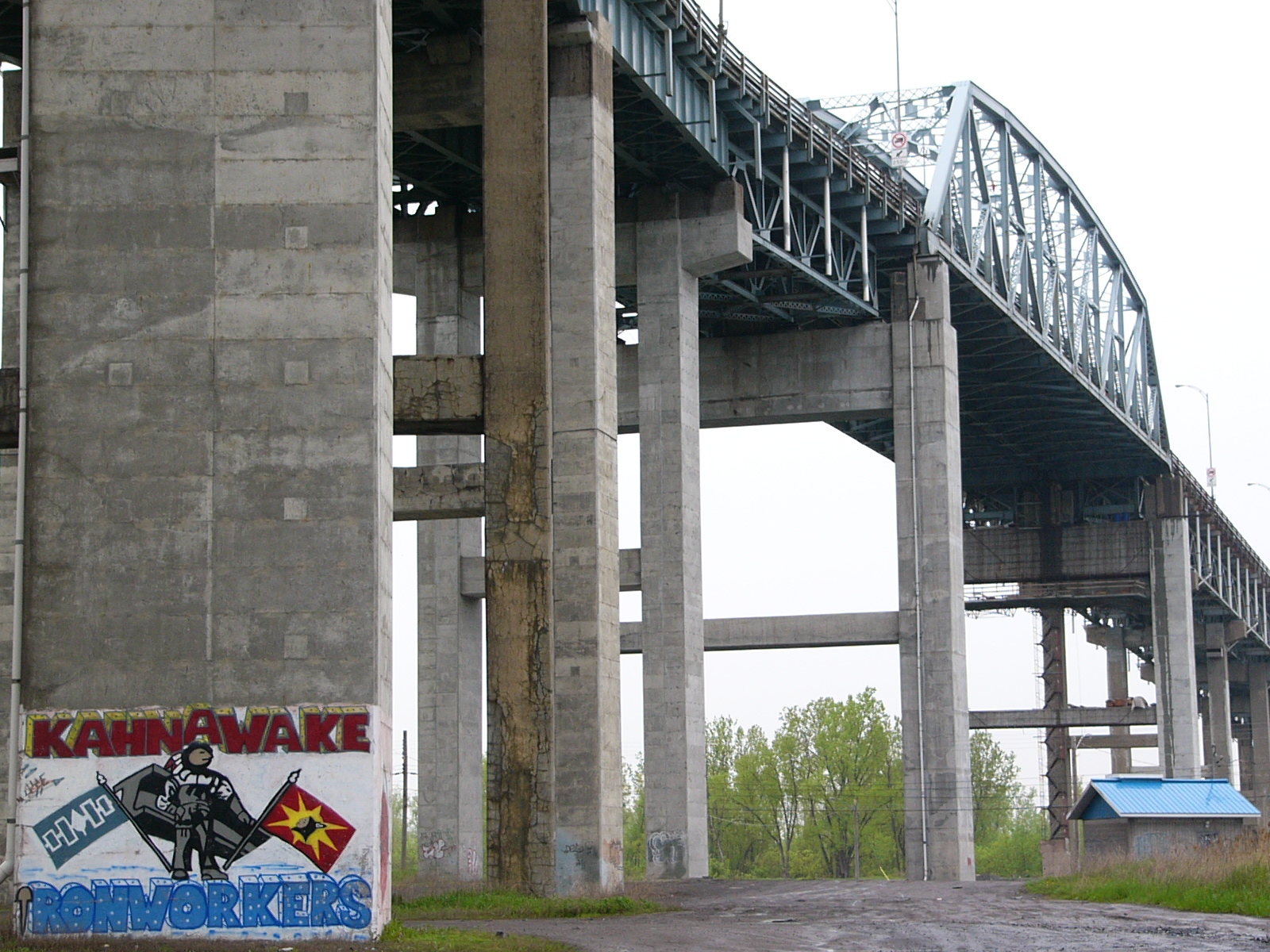
Victoria Bridge in Montreal stands as a monumental testament to Canadian engineering prowess and historical significance.

Kondiaronk Belvedere

Kondiaronk Belvedere

Belvédère Kondiaronk, perched atop Mount Royal in Montreal, Canada, is a renowned lookout point that offers breathtaking panoramic views of the city's…

Île Notre-Dame

Île Notre-Dame

Île Notre-Dame, a striking artificial island nestled in Montreal’s Saint Lawrence River, stands as a testament to human ingenuity, cultural celebration, and…

Place Des Arts

Place Des Arts

Located in the bustling heart of Montreal, Quebec, Place des Arts stands as a monumental testament to the city's rich cultural and artistic heritage.

What Makes This City Special

Old Stones, Live Current

Old Montréal and the Old Port feel like layered time: church bells, river wind, and cobblestones underfoot, then suddenly contemporary galleries and public art. The district works best when you treat it as a long walk, from Place d’Armes to the quays, not a checklist.

Festival DNA

Quartier des Spectacles is the city’s operating system: dozens of venues, huge outdoor stages, and a calendar that keeps the streets awake. At night, Montréal’s personality is less about monuments and more about sound, light, and people spilling out after shows.

Sacred to Radical Architecture

In one day you can move from Notre-Dame Basilica and Saint Joseph’s Oratory to Habitat 67 and Place Ville Marie’s modernist core. The contrast is the point: Montréal keeps rewriting itself without erasing what came before.

A City Framed by Water and Green

Mount Royal’s Kondiaronk Belvedere gives the classic skyline, but the fuller picture includes Parc Jean-Drapeau islands and the Lachine Canal paths. This is a city where bike lanes, river edges, and lookouts are part of daily life, not side attractions.

Historical Timeline

River Crossroads, Hard Winters, Constant Reinvention

From Indigenous diplomatic ground to a REM-linked francophone metropolis

public
c. 3000 BCE

First Traces on the Mountain

Archaeological evidence places some of the island's earliest known human presence near Mount Royal in the late Archaic period. Long before streets or parish lines, this high ground already worked as lookout, meeting place, and seasonal anchor in a wider St. Lawrence world.

public
1535

Cartier Meets Hochelaga

In October 1535, Jacques Cartier visited the St. Lawrence Iroquoian village of Hochelaga near today's Mount Royal and described a fortified settlement alive with fields and river traffic. He named the hill Mont Royal, a name that later bent into "Montreal."

public
1603

Champlain Finds an Absence

When Samuel de Champlain returned in 1603, Hochelaga was gone. That silence on the ground signals a profound political and demographic shift in the St. Lawrence valley before permanent French settlement.

church
1642

Ville-Marie Is Founded

On May 17, 1642, Paul de Chomedey de Maisonneuve and Jeanne Mance formally founded Ville-Marie on the river edge. It began as a missionary colony and defensive outpost, but its location at converging waterways gave it a larger destiny from day one.

person
1642

Jeanne Mance Builds Care

Jeanne Mance did not merely arrive with the founders; she organized Montreal's first hospital mission and anchored early civic survival through medicine. In a raw settlement where winter and warfare could erase a season's gains, Hotel-Dieu made continuity possible.

person
1653

Marguerite Bourgeoys Opens Classrooms

Marguerite Bourgeoys reached Ville-Marie in 1653 and pushed education, especially for girls, into the center of community life. Her work in Montreal turned teaching from a private privilege into a local institution with lasting reach.

swords
1689

Lachine Massacre Shocks the Colony

On August 5, 1689, the Lachine massacre devastated the west end of the island during wider French-Haudenosaunee-English conflict. Casualty counts vary across sources, but the emotional impact was immediate: fear hardened defenses and frontier violence moved to the center of civic memory.

gavel
1701

Great Peace of Montreal

On August 4, 1701, delegates from 39 First Nations met French officials and signed the Great Peace of Montreal. More than 1,300 people came to the city for the negotiations, ending decades of war and recasting Montreal as a diplomatic capital rather than only a frontier garrison.

person
1701

Kondiaronk's Final Intervention

Huron-Wendat statesman Kondiaronk helped shape the path to the 1701 peace with strategic persuasion among Indigenous nations and with the French. His influence in Montreal was political craft in real time: negotiation as survival technology.

local_fire_department
1721

Fire Tears Through Town

A major fire on June 1721 destroyed 171 houses and the colony's largest hospital. Rebuilding changed street discipline, building practice, and urban governance in a settlement still close to timber and open flame.

swords
1760

Capitulation Ends French Rule

On September 8, 1760, the Capitulation of Montreal marked the decisive British conquest of New France. Power changed hands, legal and commercial systems shifted, and the city entered a new Atlantic imperial orbit.

swords
1775

American Forces Occupy Montreal

From November 1775 to June 1776, revolutionary American troops occupied Montreal. Benjamin Franklin appeared in spring 1776, and printer Fleury Mesplet's press helped seed a new local print culture that would outlast the occupation.

person
1821

James McGill's Bequest Takes Shape

James McGill's estate became institutional reality when McGill College was chartered in 1821. In Montreal, that gift turned merchant wealth into a long-term engine for science, medicine, and public influence.

factory
1825

Lachine Canal Opens

The Lachine Canal opened in 1825 to bypass dangerous rapids and pull freight deeper into the city. Mills, foundries, and working-class districts grew along its banks, and Montreal's southwest became the soundscape of steam, metal, and shift whistles.

gavel
1832

City Status and Cholera

Montreal was incorporated as a city in 1832, then hit by cholera in the same year. The epidemic filled Saint-Antoine cemetery and exposed how quickly urban growth could outpace sanitation, burial capacity, and public health systems.

local_fire_department
1849

Parliament Burns at Night

On April 25, 1849, a Tory mob burned the Parliament building in Montreal. Around 25,000 books and archival documents were lost in the flames, and the city soon lost its status as capital of the Province of Canada.

local_fire_department
1852

Great Fire of 1852

On July 8-9, 1852, another catastrophic fire destroyed about 1,200 houses. The scale of loss accelerated harder conversations about building materials, insurance, and modern urban services.

castle
1860

Victoria Bridge Changes the Scale

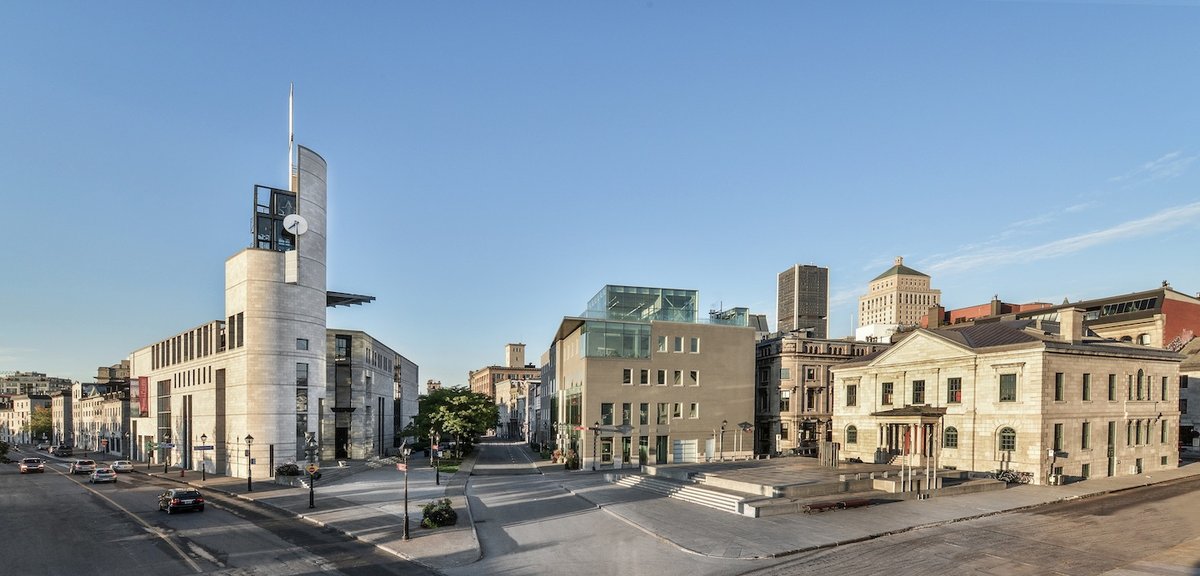
Inaugurated on August 25, 1860, Victoria Bridge crossed the St. Lawrence with 24 piers, roughly 1.5 million rivets, and a workforce that reached 3,000. It locked Montreal into continental rail networks and made the city feel physically closer to everything east and west.

palette
1874

Mount Royal Park Is Designed

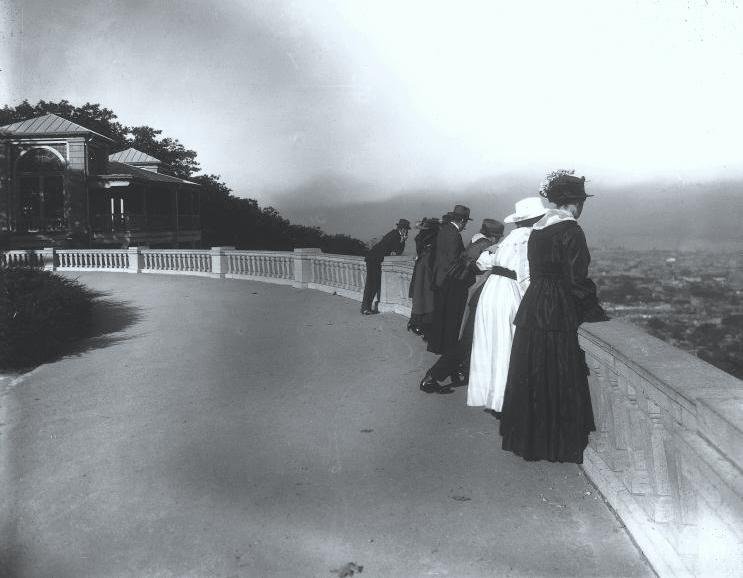
Frederick Law Olmsted's Mount Royal Park project, developed in the 1870s, reshaped the mountain into a civic landscape rather than a private backdrop. Paths, lookouts, and planting created a shared urban ritual: climbing above the street grid to read the city from light and elevation.

science
1885

Smallpox and Vaccine Conflict

The 1885 smallpox epidemic killed more than 3,000 Montrealers and triggered bitter vaccination conflict. Public health became a contested political arena, not just a medical one, as fear, class tension, and language divides collided.

person
1904

Brother Andre Starts the Oratory

In 1904, Brother Andre began Saint Joseph's Oratory as a small chapel on Mount Royal. From that modest start, Montreal gained one of its most powerful devotional and architectural landmarks, built through donations, labor, and decades of persistence.

science
1918

Influenza Overwhelms the City

Between September and November 1918, Montreal recorded more than 17,000 influenza cases. Hospitals and households carried the strain together, and the pandemic left a civic memory of crowded wards, sudden funerals, and improvised care.

music_note
1925

Oscar Peterson and Little Burgundy

Born in Montreal in 1925, Oscar Peterson emerged from Little Burgundy, where churches, clubs, and rail-line neighborhoods fed a fierce jazz culture. His virtuosity carried Montreal's Black musical scene to global stages while keeping the city's rhythm in every run.

factory
1966

Metro Arrives Underground

In October 1966, Montreal opened its Metro with 26 stations over 25.9 kilometers. Fast, electric, and art-filled, it rewired daily movement just before the city stepped onto the world stage at Expo 67.

public
1967

Expo 67 Reintroduces Montreal

Expo 67 transformed the city's global image with pavilions, crowds, and a new confidence in modern architecture and design. Habitat 67, with its stacked concrete forms, became the emblem of that moment when Montreal looked experimental and international at once.

gavel
1970

October Crisis Tightens the Streets

After FLQ kidnappings in October 1970, including British diplomat James Cross and Quebec minister Pierre Laporte, the War Measures Act was invoked. Just under 500 people were arrested, and Montreal felt the weight of military authority in ordinary neighborhoods.

public
1976

Olympic Summer, Concrete Legacy

The 1976 Summer Olympics gave Montreal Olympic Park, the Stadium, and the leaning tower that still marks the east end skyline. The Games were both spectacle and burden, leaving pride, debt debates, and a permanent architectural signature.

palette
1992

Birthplace Unearthed at Pointe-a-Calliere

Pointe-a-Calliere opened in 1992 over archaeological remains at the city's birthplace. Montreal turned excavation into public storytelling, letting visitors stand above layers of settlement instead of reading them from a plaque.

flight
2023

REM Begins Service

On July 31, 2023, the first five REM stations opened between Brossard and Central Station. The automated line signaled a new transport chapter, stitching suburbs and downtown with metro-like frequency on formerly rail-heavy corridors.

flight
2025

REM Reaches Deux-Montagnes

On November 17, 2025, fourteen additional REM stations opened from downtown toward Deux-Montagnes. By March 31, 2026, Montreal had 19 REM stations in operation, making infrastructure, once again, the plot twist in the city's long history.
schedule
Present Day

Notable Figures

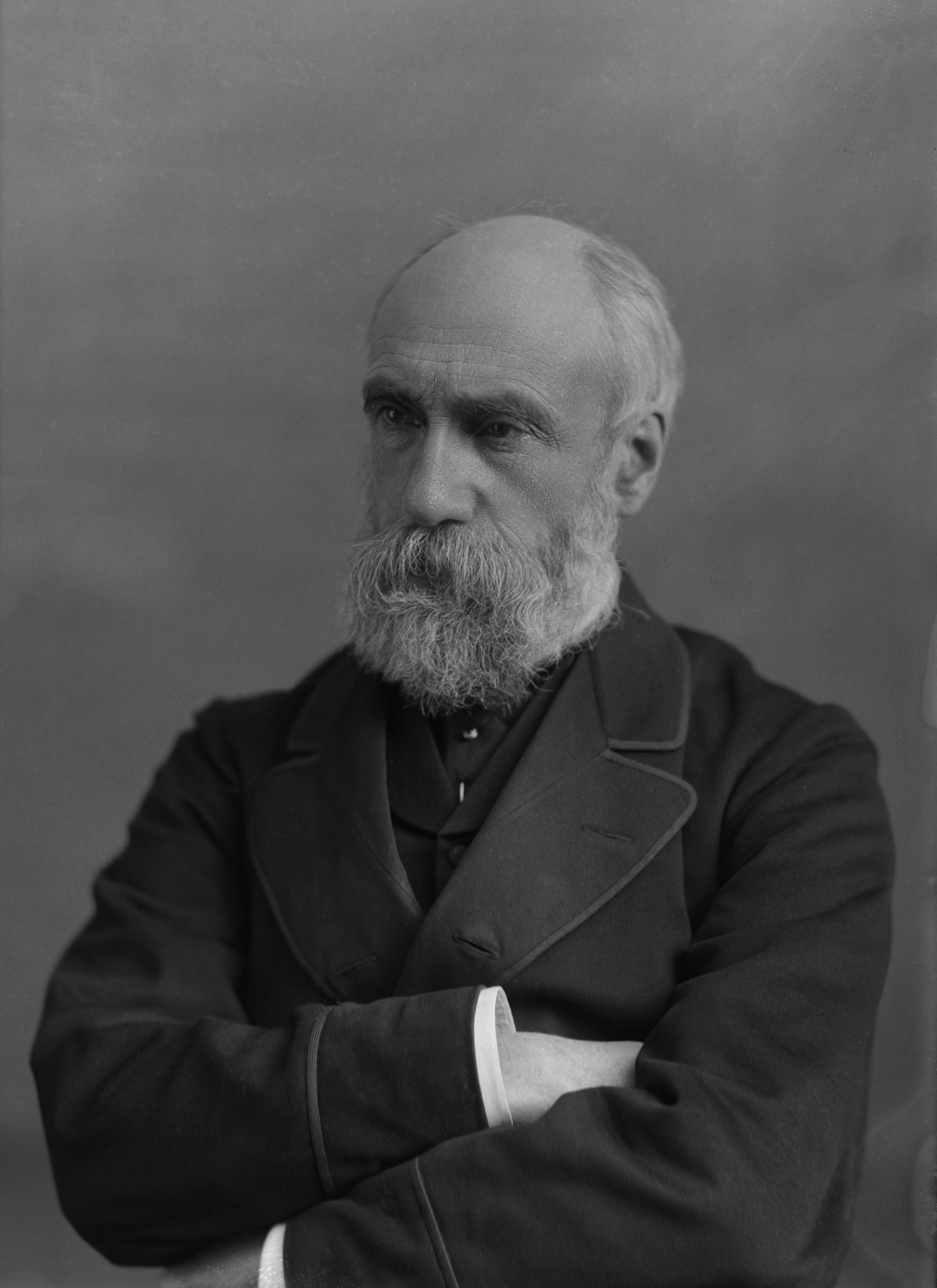
Jeanne Mance

1606–1673 · Co-founder and hospital founder
Co-founded Ville-Marie in 1642

Jeanne Mance arrived when Montreal was still Ville-Marie and established Hôtel-Dieu, the settlement’s first hospital. Her story is practical rather than ornamental: care first, city second. In today’s Montreal, that civic backbone still feels visible in its institutions.

Jean Drapeau

1916–1999 · Mayor of Montreal
Born here; led the city for 29 years

Drapeau pushed Montreal onto the global stage through Expo 67, the Metro era, and the 1976 Olympics. He loved big urban gestures, and the city still lives inside many of them. The festival-heavy, infrastructure-minded Montreal of today is partly his long shadow.

Leonard Cohen

1934–2016 · Singer-songwriter and poet
Born in Westmount; educated at McGill

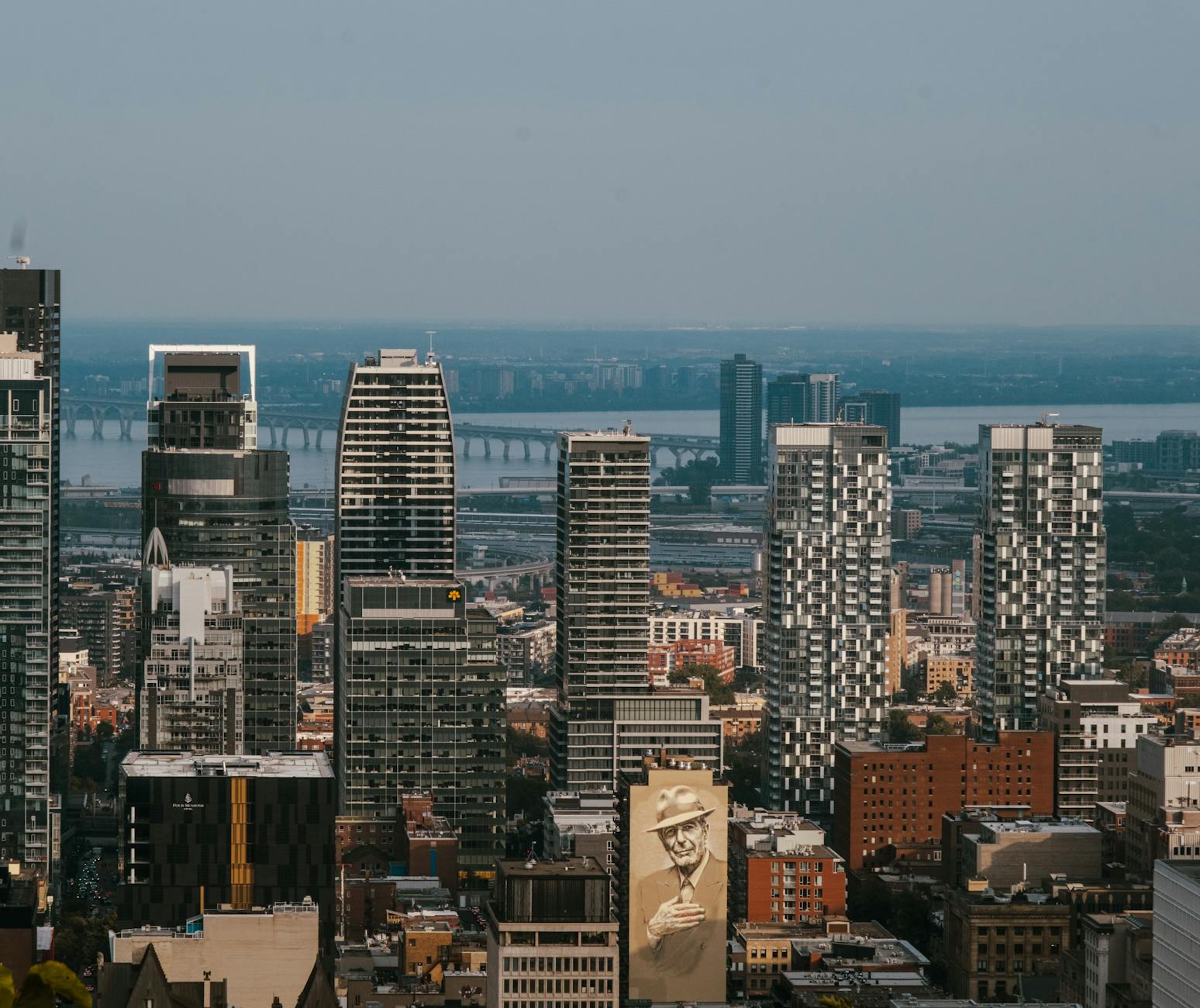
Cohen wrote with Montreal’s mix of melancholy, wit, and ritual built into the lines. You feel him in the city’s quieter corners, where sacred architecture and nightlife sit one street apart. He would probably recognize the same reflective mood under new lights.

Oscar Peterson

1925–2007 · Jazz pianist
Born in Montreal; raised in Little Burgundy

Peterson grew from Montreal’s Black jazz culture in Little Burgundy into one of the great pianists of the 20th century. His technique sounded like speed with elegance, never just speed. In a city that still treats jazz as civic language, his presence remains immediate.

Wilder Penfield

1891–1976 · Neurosurgeon
Worked in Montreal; founded MNI in 1934

Penfield built the Montreal Neurological Institute and changed brain surgery by mapping function with unusual precision. His work made Montreal a world center for neuroscience, not just medicine in general. The city’s research identity still carries that ambition.

Pierre Elliott Trudeau

1919–2000 · Prime Minister of Canada
Born in Outremont; represented Mount Royal

Before becoming a national figure, Trudeau was deeply rooted in Montreal’s legal, academic, and political life. He moved between French and English worlds in ways that mirrored the city itself. Modern Montreal’s debates about identity and pluralism still sound like conversations he knew well.

Maurice Richard

1921–2000 · Hockey player
Born in Montreal; played for the Canadiens

Richard was not just a star athlete; he became a symbol of pride and intensity for francophone Montreal. Arena nights turned into civic theater when he played. Even now, hockey memory in this city is emotional history, not trivia.

Xavier Dolan

born 1989 · Filmmaker
Born and raised in Montreal

Dolan emerged from Montreal’s francophone film scene and brought local textures to international screens. His films capture the city’s emotional weather: intimacy, confrontation, style, and vulnerability. He represents a younger Montreal that is bilingual in culture even when language shifts block by block.
Plan your visit

Practical guides for Montreal — pick the format that matches your trip.

Practical Information

flight

Getting There

Montréal’s main gateway is Montréal–Trudeau International Airport (YUL), about 20 km from downtown; Montréal Metropolitan Airport (YHU, Saint-Hubert/Longueuil) is secondary for most visitors. The key intercity rail hub is Gare Centrale (Montréal Central Station), with Lucien-L’Allier used for regional commuter services. Major road approaches are Autoroute 20 and Autoroute 40 (east-west) plus Autoroute 15 (north-south, linking toward the U.S. via I-87).

directions_transit

Getting Around

In 2026, STM runs 4 métro lines (68 stations) plus a dense bus network (228 routes), and there is no tram network in regular service. The 747 airport bus runs 24/7; the fare is CAD 11.25 and includes 24 hours of unlimited Zone A travel on bus, métro, REM, and exo train. Cycling is serious infrastructure here: 1,083 km of bike network citywide, with BIXI bike-share operating year-round (about 12,600 bikes and nearly 1,000 stations).

thermostat

Climate & Best Time

Winter is fully winter (roughly -9 to -5 C averages, with substantial snowfall), spring warms from near freezing in March to mild by May, summer averages around 19 to 22 C, and autumn cools quickly after September. Rainfall is moderate to high from late spring through fall, with wetter months often in the 80 to 100 mm range. Best balance is late May to June and September to early October; July-August is peak festival season, while December-February is quieter but much colder.

translate

Language & Currency

French is Québec’s official language and the default in public-facing city communication, but English is widely workable in hotels, museums, and most central restaurants. Currency is the Canadian dollar (CAD), and card/contactless payment is standard in 2026. Budget for taxes and service: GST+QST is nearly 15%, and tipping 10% to 15% of the pre-tax bill is the norm in restaurants, bars, and taxis.

shield

Safety

Montréal is generally safe for visitors, including transit use, but petty theft concentrates in crowded places: festivals, markets, busy stations, escalators, and rush-hour vehicles. Late at night, favor well-lit streets and avoid quiet alleys around nightlife zones and major hubs. Police guidance also flags drink spiking risk in bars, so keep drinks in sight and ask staff for help quickly if something feels off.

Tips for Visitors

translate
French First Greeting

Start with a quick "Bonjour" before switching to English. French is the public default, but major hotels, restaurants, and attractions are usually bilingual once you open politely.

event
Plan Festival Dates

Montreal’s calendar can reshape prices and crowds: Jazz Fest runs June 25 to July 4, 2026, Francos June 12 to 20, and Osheaga July 31 to August 2. Book accommodation early if your trip overlaps these weeks.

account_balance_wallet
Eat Beyond Old Montreal

Old Montreal is great for atmosphere, but everyday value is better in Mile End, Little Italy, and the southwest canal districts. Use Jean-Talon or Atwater Market and food halls like Time Out or LE CENTRAL to eat well for less.

subway
Use Metro Plus RESO

Skip the car for core sightseeing and chain neighborhoods by metro and foot. In colder months, use the Underground City (RÉSO) links downtown to reduce long, exposed walks between venues.

restaurant
Reserve Canon Restaurants

For places like Joe Beef, Mon Lapin, and Au Pied de Cochon, reserve ahead instead of relying on walk-ins. Save spontaneous meals for markets, cafés, brewpubs, and neighborhood bars.

schedule
Try 5 à 7

Montreal’s social rhythm often starts with a "5 à 7" drink, then dinner later. This is an easy way to experience local nightlife without committing to a very late club night.

bakery_dining
Taste Icons Properly

Eat Montreal bagels warm and simple first, then add toppings. For a classic food run, pair a bagel stop with smoked meat and late-night poutine rather than doing all three in one sitting.

Explore the city with a personal guide in your pocket

Your Personal Curator, in Your Pocket.

Audio guides for 1,100+ cities across 96 countries. History, stories, and local insight — offline ready.

smartphone

Audiala App

Available on iOS & Android

download Download Now

Join 50k+ Curators

Frequently Asked

Is montreal worth visiting? add

Yes, especially if you want a city where French-speaking culture, serious food, and major festivals overlap in walkable neighborhoods. You can do Old Montreal, Mount Royal views, and museum-heavy days without feeling repetitive. It also balances polished landmarks with lived-in local zones like Mile End, Little Italy, and Saint-Henri.

How many days in montreal? add

Plan 3 to 5 days for a first trip. Three days covers Old Montreal, Mount Royal, one major museum cluster, and key food neighborhoods. Five days lets you add Parc Jean-Drapeau, the Lachine Canal corridor, and slower market-and-café time.

Is montreal expensive for tourists? add

It can be moderate to expensive, depending on where you eat and sleep. Old Montreal and headline dining rooms raise costs quickly, while public markets, food halls, and neighborhood spots are much better value. Festival weeks can also push hotel prices up.

Is montreal safe for tourists at night? add

Generally yes in main visitor districts, including Quartier des Spectacles, Old Montreal, and busy nightlife areas. The city stays active late, so streets are often lively rather than empty. Use normal big-city habits: keep valuables secure and use licensed rides if you’re out very late.

Do I need to speak French in montreal? add

No, but a little French helps. French is the default public language, yet English is widely workable in tourism-facing businesses. A simple "Bonjour" and "Merci" usually smooths every interaction.

What is the best way to get around montreal without a car? add

Use metro plus walking for most itineraries. The city works best when you explore one neighborhood cluster at a time instead of zigzagging all day. In winter, downtown’s Underground City (RÉSO) is useful for weather-protected movement.

Where should first-time visitors stay in montreal? add

Downtown or Old Montreal is easiest for first visits, especially near metro access. Downtown gives fast links to museums, festivals, and transit, while Old Montreal gives historic atmosphere and riverfront evenings. If food and café life are your priority, look toward Plateau/Mile End or Little Italy.

What foods should I try first in montreal? add

Start with wood-fired Montreal bagels, smoked meat, and poutine. Then add a market meal at Jean-Talon or Atwater and at least one Québécois comfort-food stop. If you visit in maple season, include a sugar-shack style meal.

Sources

Last reviewed:

All Places to Visit

220 places to discover

Old Port of Montreal

Old Port of Montreal

Montreal Museum of Fine Arts

Montreal Museum of Fine Arts

Montreal Botanical Garden

Montreal Botanical Garden

Montreal Forum

Montreal Forum

Notre-Dame Basilica

Notre-Dame Basilica

Montreal Biodome

Montreal Biodome

Notre Dame Des Neiges Cemetery

Notre Dame Des Neiges Cemetery

Percival Molson Memorial Stadium

Percival Molson Memorial Stadium

Victoria Bridge

Victoria Bridge

Kondiaronk Belvedere

Kondiaronk Belvedere

Île Notre-Dame

Île Notre-Dame

Place Des Arts

Place Des Arts

Olympic Park

Olympic Park

photo_camera

Canadian Centre for Architecture

Mccord Stewart Museum

Mccord Stewart Museum

Place Jacques-Cartier

Place Jacques-Cartier

Place D'Armes

Place D'Armes

Mary, Queen of the World Cathedral

Mary, Queen of the World Cathedral

Louis-Hippolyte Lafontaine Bridge-Tunnel

Louis-Hippolyte Lafontaine Bridge-Tunnel

1 Place Ville Marie

1 Place Ville Marie

photo_camera

Parc Jean-Drapeau

Lasalle

Lasalle

photo_camera

Ville-Marie

Victoria Square

Victoria Square

Pointe-À-Callière Museum

Pointe-À-Callière Museum

Honoré Mercier Bridge

Honoré Mercier Bridge

Mount Royal Cemetery

Mount Royal Cemetery

Mcgill University

Mcgill University

Bibliothèque Et Archives Nationales Du Québec

Bibliothèque Et Archives Nationales Du Québec

photo_camera

Christ Church Cathedral

photo_camera

Olivier-Charbonneau Bridge

Place D'Youville

Place D'Youville

Pie Ix Bridge

Pie Ix Bridge

photo_camera

Papineau-Leblanc Bridge

Jarry Park Stadium

Jarry Park Stadium

Hôpital Notre-Dame

Hôpital Notre-Dame

Jacques Cartier Bridge

Jacques Cartier Bridge

Louis Bisson Bridge

Louis Bisson Bridge

photo_camera

Médéric Martin Bridge

photo_camera

Montréal Insectarium

Park Extension

Park Extension

photo_camera

Charles De Gaulle Bridge

Le Gardeur Bridge

Le Gardeur Bridge

Monument-National

Monument-National

Notre-Dame-De-Bon-Secours Chapel

Notre-Dame-De-Bon-Secours Chapel

Place Du Canada

Place Du Canada

Dorchester Square

Dorchester Square

Place Bonaventure star Top Rated

Place Bonaventure

Jarry Park star Top Rated

Jarry Park

Montreal Clock Tower

Montreal Clock Tower

George-Étienne Cartier Monument

George-Étienne Cartier Monument

St. Patrick'S Basilica, Montreal

St. Patrick'S Basilica, Montreal

Phillips Square

Phillips Square

Westmount Square

Westmount Square

photo_camera

Place Émilie-Gamelin

St. James United Church

St. James United Church

photo_camera

Maisonneuve Park

Montreal Holocaust Museum

Montreal Holocaust Museum

photo_camera

Parc Angrignon

photo_camera

Cabot Square, Montreal

Lachapelle Bridge

Lachapelle Bridge

photo_camera

Place Jean-Paul Riopelle

photo_camera

Cap-Saint-Jacques Nature Park

Redpath Museum

Redpath Museum

Chinatown

Chinatown

photo_camera

Bois-De-L'Île-Bizard Nature Park

Mount Royal Park

Mount Royal Park

Maisonneuve Monument

Maisonneuve Monument

photo_camera

Robert Burns Memorial

Champlain Bridge

Champlain Bridge

Church of St. Michael and St. Anthony

Church of St. Michael and St. Anthony

Church of the Gesù

Church of the Gesù

Polytechnic School of Montreal

Polytechnic School of Montreal

photo_camera

Nicolaus Copernicus Monument, Montreal

Victoria Memorial

Victoria Memorial

photo_camera

500 Place D'Armes

Olympic Stadium (Montreal)

Olympic Stadium (Montreal)

photo_camera

Circuit Gilles Villeneuve

John Young Monument

John Young Monument

photo_camera

Saint-Jacques Cathedral

Concordia University

Concordia University

photo_camera

Denise Pelletier Theater

Vauquelin Square

Vauquelin Square

photo_camera

Deloitte Tower

Place De La Dauversière

Place De La Dauversière

photo_camera

Square Des Frères-Charon

Roddick Gates

Roddick Gates

photo_camera

Montréal Space for Life

Édifice Ernest-Cormier

Édifice Ernest-Cormier

Aldred Building

Aldred Building

Old Montreal

Old Montreal

Quai Alexandra

Quai Alexandra

Place De La Grande-Paix-De-Montréal

Place De La Grande-Paix-De-Montréal

Hochelaga

Hochelaga

1250 René-Lévesque

1250 René-Lévesque

Lachine Canal

Lachine Canal

Montreal Tower

Montreal Tower

Saputo Stadium

Saputo Stadium

Musée D'Art Contemporain De Montréal

Musée D'Art Contemporain De Montréal

Saint Joseph'S Oratory

Saint Joseph'S Oratory

Showing 100 of 220