Plan and listen to Battalion Park with Audiala.
Audio guide in your pocket, itinerary in your browser. Built for the way you actually visit.
Introduction to Battalion Park Calgary
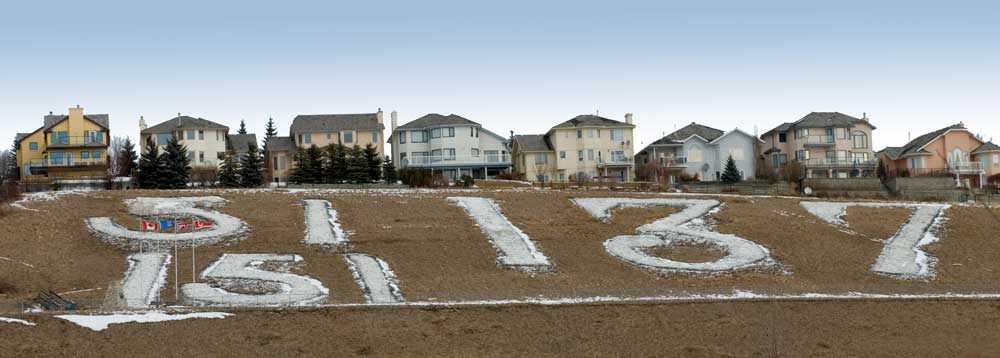
Battalion Park is a distinctive historical landmark in Calgary, located on Signal Hill in the city’s southwest. It serves as a memorial to Canada’s First World War military heritage, most notably through its massive stone geoglyphs—large battalion numbers constructed from over 16,000 stones by soldiers of the Canadian Expeditionary Force who trained at Sarcee Camp during World War I. These numbers—137, 113, 151, and 51—stand as a tribute to the endurance, camaraderie, and sacrifices of the soldiers, while also reflecting Calgary's crucial role in Canada’s wartime efforts.
The area, formerly leased from the Tsuut’ina Nation, was once home to Sarcee Camp—the largest military training facility in western Canada during WWI. Today, Battalion Park preserves this significant chapter of both military and Indigenous history, offering visitors a space for education, reflection, and community engagement. With panoramic views of Calgary and the Rocky Mountains, accessible pathways, and interpretive signage, the park is an essential destination for history enthusiasts, families, and tourists.
For detailed visitor information, historical resources, and updates on events, see the City of Calgary’s Battalion Park page, the Commemorating Calgary Signal Hill project, and Global News coverage.
Historical Origins and Military Context
Battalion Park’s story begins in 1914, at the onset of World War I, when the Canadian militia leased land from the Tsuut’ina (Sarcee) Nation for a new training facility in southwest Calgary. Sarcee Camp soon became the largest military training base in western Canada, hosting more than 45,000 soldiers from 30 different units. The camp featured a sprawling tent city, wooden administrative buildings, electric lighting, water supply, and even a streetcar connection, all nestled on Signal Hill overlooking the Elbow River.
The site’s strategic location, visibility, and access to resources made it ideal for military operations. The legacy of Sarcee Camp continued into the late 20th century under various names, including Sarcee Barracks and Harvey Barracks.
The Stone Geoglyphs: Creation and Meaning
The defining feature of Battalion Park is its four giant stone numbers—137, 113, 151, and 51—each representing a battalion of the Canadian Expeditionary Force. Soldiers were tasked with hauling thousands of stones from the Elbow River and arranging them on the hillside to mark their unit’s presence. This act was both a physical training exercise and a symbolic gesture, leaving a lasting memorial on the landscape.
The geoglyphs are unique in Alberta, standing as rare examples of non-Indigenous stone monuments in the province. The “113” geoglyph remains in its original position, while the others have been relocated slightly to accommodate urban development. Maintaining and restoring these geoglyphs has become a tradition, with cadets and community members periodically repainting the stones to preserve their visibility and honor the battalions (Commemorating Calgary Signal Hill).
Legacy of the Battalions
The four battalions commemorated—137th (Calgary), 113th (Lethbridge Highlanders), 151st (Central Alberta), and 51st (Edmonton)—were recruited from across Alberta and trained at Sarcee Camp in 1915–1916. After departing for Europe, many soldiers joined other Canadian units on the front lines, a reflection of the war’s heavy casualties. The stone numbers serve as enduring reminders of these men’s sacrifices and the community’s contribution to Canada’s military history.
Decline, Rediscovery, and Preservation
After World War I, as military use of Sarcee Camp declined, the geoglyphs were gradually obscured by vegetation and urban growth. By the 1980s, the site faced threats from development. Local historians, veterans, and advocates mobilized to save and restore the stone numbers. Stewart Green Properties Ltd. and the City of Calgary played key roles in preserving the stones, with some geoglyphs temporarily relocated and then returned or repositioned during redevelopment (Global News). In 1991, Battalion Park reopened with restored geoglyphs and new interpretive signage.
Formal Recognition and Modern Significance
Battalion Park was formally recognized as a historic site in 1991, spanning 93 hectares on Signal Hill. It has since received both municipal and provincial historic designations, and advocates continue to seek national recognition. The park remains a focal point for annual Remembrance Day ceremonies, community events, and educational programs, ensuring that the sacrifices of the battalions and the city’s military legacy are never forgotten.
Visiting Battalion Park: Hours, Tickets, Accessibility
Hours: Open daily, year-round, from dawn to dusk (or 5:00 AM to 11:00 PM, depending on signage and season).
Admission: Free. No tickets or reservations required.
Accessibility: Main paved pathways and viewing areas accommodate wheelchairs and strollers, though some hillside trails may be steep or uneven. Benches and seating are available throughout the park. There are no permanent restrooms; facilities are available at nearby Westhills Towne Centre.
Getting There: Located at 3001 Signal Hill Dr SW, Calgary, AB. The park is accessible by car (with free parking), public transit (bus routes to Signal Hill), and bicycle via Calgary’s pathway system.
Special Events, Tours, and Photo Spots
- Remembrance Day Ceremonies: Held annually, attended by veterans, cadets, and the community.
- Guided Tours: Occasionally offered by local historical or military organizations. Check with City of Calgary Parks or Signal Hill community center for schedules.
- Battalion Park Carnival: Family-friendly summer event hosted by the Signal Hill School Enhancement Society, featuring games, food, and fundraising activities (Calgary Listings).
- Photo Opportunities: The best views of the stone numbers are from lower slopes and Signal Hill Drive, especially at sunrise or sunset. Vistas of the city and mountains make for stunning photography.
Cultural Impact and Indigenous Context
Battalion Park not only commemorates military history but also invites reflection on the complex relationship between military development and Indigenous land use. The original lease of land from the Tsuut’ina Nation is acknowledged in interpretive materials, encouraging visitors to consider both the heroism of the soldiers and the displacement of Indigenous communities (Commemorating Calgary Signal Hill).
Frequently Asked Questions (FAQ)
Q: Are there entrance fees or tickets required?
A: No. Admission is free.
Q: What are the park’s visiting hours?
A: Open daily from dawn to dusk (typically 5:00 AM to 11:00 PM).
Q: Is the park wheelchair accessible?
A: Main pathways are accessible, but some steep areas may be challenging.
Q: Are guided tours available?
A: Offered occasionally during special events; check the City of Calgary or local community listings.
Q: Are dogs allowed?
A: Yes, dogs are welcome on leash.
Q: Are there restrooms?
A: No, but facilities are nearby at Westhills Towne Centre.
Listen to the full story in the app
The whole Battalion Park,
told well.
Audio guides for 1,100+ cities across 96 countries. History, stories, and local insight — offline ready.

Verified, and shown.
Researched and written by the Audiala editorial team from historical records, architectural archives, and local expertise.
Last reviewed
Researched from Wikidata, Wikipedia & official sources · fact-checked · How we make our guides →