Legendary Origins
church
1372
Lady Penh Pulls Buddha from the River
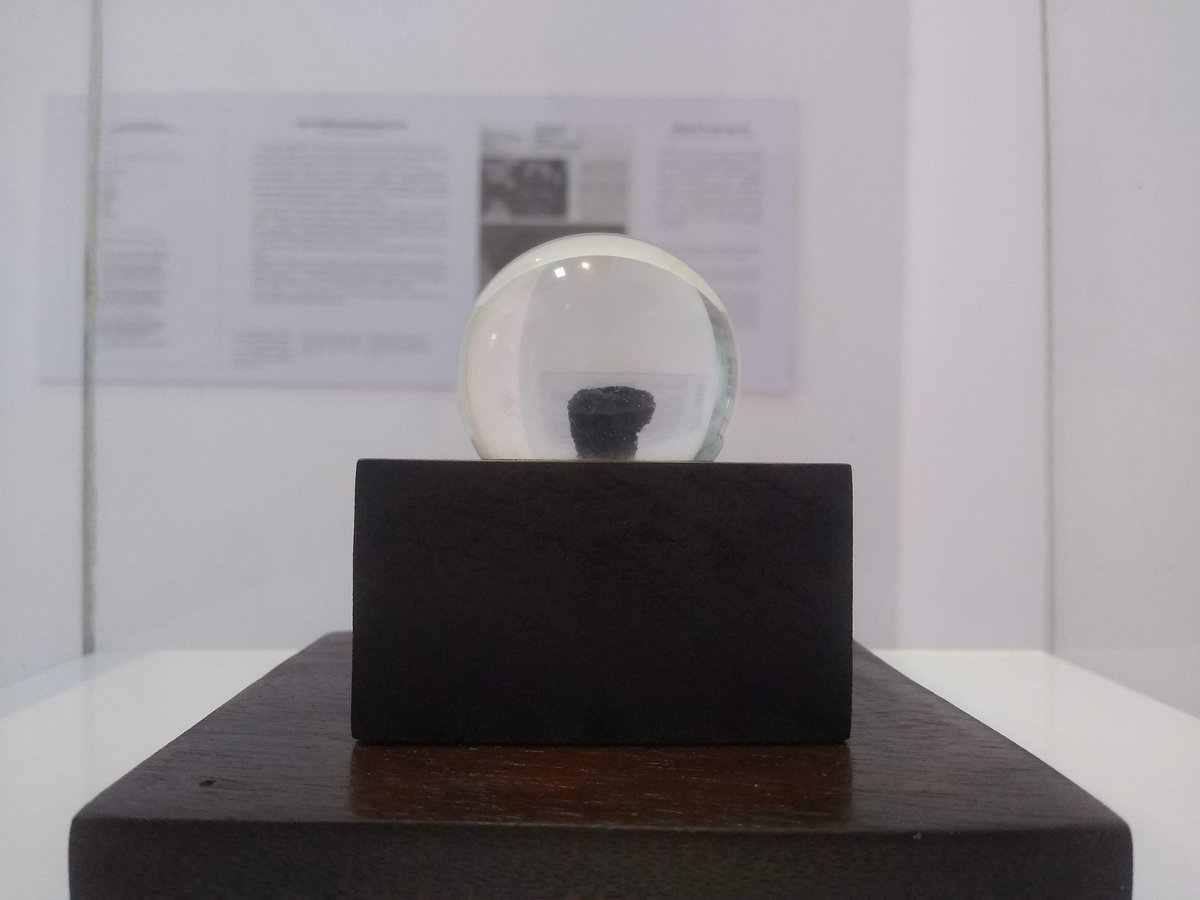
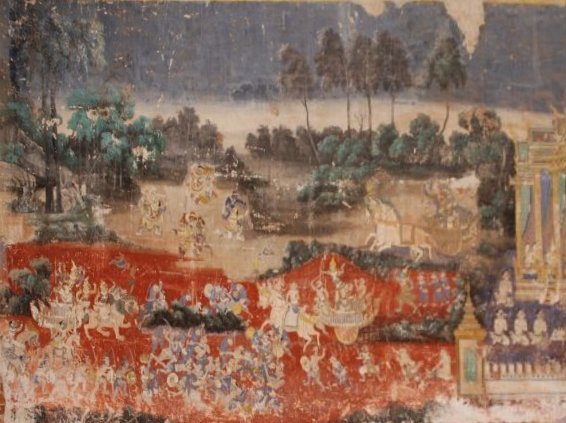
A widow named Penh finds four bronze Buddhas entwined in a koki-tree trunk floating up the Mekong. She builds a hilltop shrine—Wat Phnom—that still crowns the city named after her. The spot becomes a pilgrimage magnet for fishers and traders who leave lotus blossoms and silver coins in the roots of the same banyan tree.
Post-Angkor Transition
castle
1434
Capital Moves Downriver from Angkor
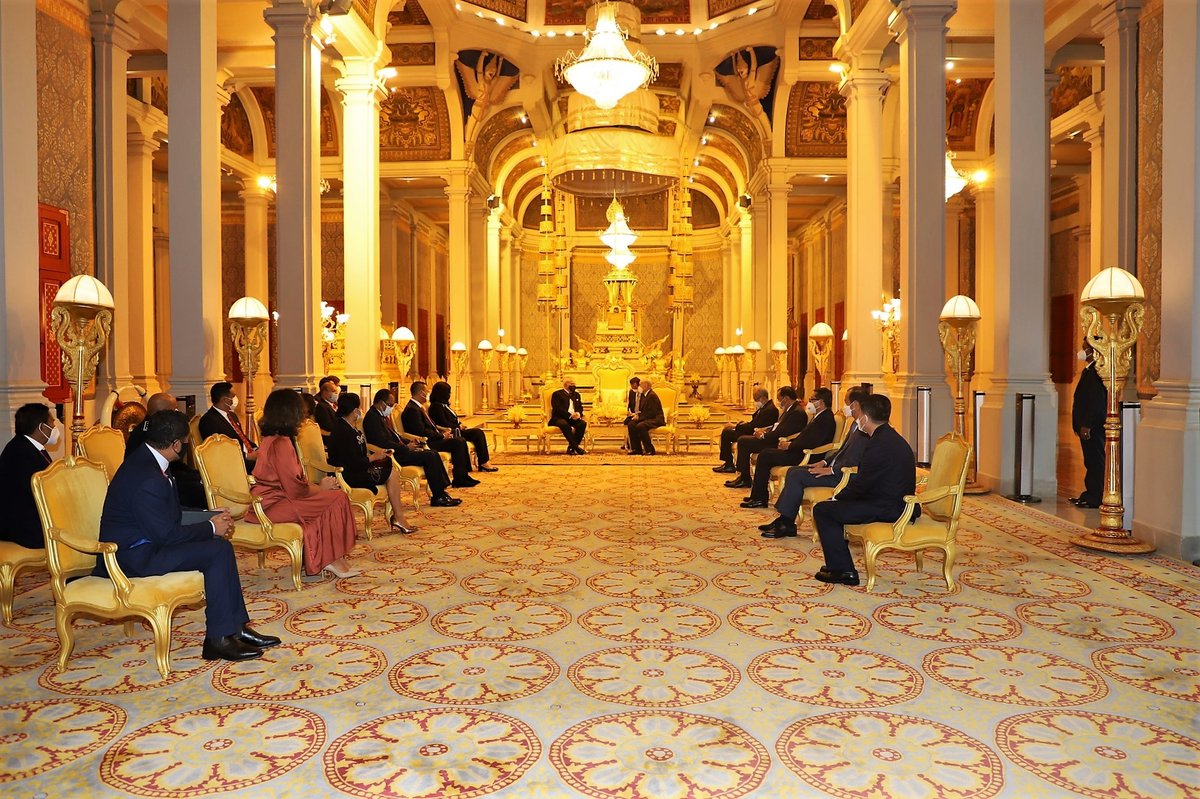
King Ponhea Yat abandons the sandstone ghost-city of Angkor and rows his court 300 km south to the confluence of the Mekong and Tonle Sap. He builds a wooden palace on the eastern bank; elephants drag stone lingas from the old capital to sanctify the new one. The move trades divine monumentality for riverine cash flow—taxes on Chinese merchant junks now fund the crown.
public
1497
Court Abandons Phnom Penh (Again)
Chronic malaria and Siamese raids persuade the court to drift back north to Pursat and Lovek. Phnom Penh shrinks to a floating village of Cham fishers and Chinese pepper traders. For three centuries the temples serve herons more than humans; monks ring bronze bells that echo across empty rice fields.
Colonial Period
castle
1863
French Gunboat Hoists Tricolor
Commander Ernest Doudart de Lagrée anchors the gunboat Forfait off the muddy waterfront and presents King Norodom with an ultimatum: protection or annexation. The king signs. Within a year French surveyors lay out boulevards 20 m wide—wide enough for two ox-carts and a cyclone of dust. Brick villas with green shutters rise beside stilted Khmer shacks.
person
1866
Norodom Sihanouk Born in Royal Palace
A prince is born in the gilded pavilion that still hovers over the river like a wooden dragonfly. He will grow up playing tennis on French-built courts and filming amateur movies on the palace steps. By 1941 the French will crown him king, making him the pivot around which modern Phnom Penh spins.
castle
1937
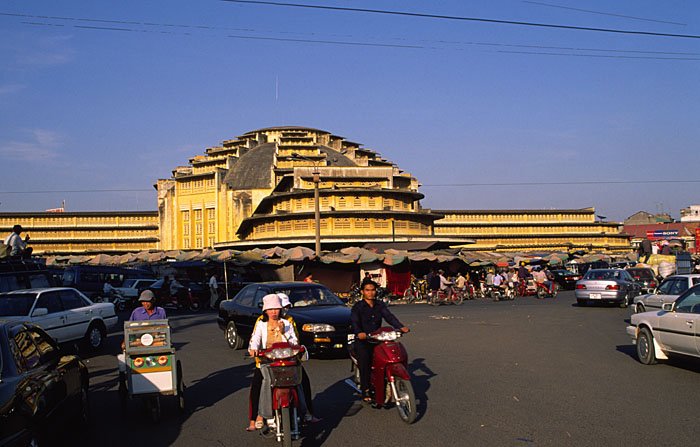
Art-Deco Market Rises on Old Lake
French architect Jean Desbois drains a swamp and erects Phsar Thmei, a yellow-dome landmark shaped like a Babylonian zeppelin. 3,000 vendors move in: goldsmiths on the mezzanine, flower-girls in the basement, opium traders in the shadows. The central crossroads becomes the city’s financial pulse—dollars, piastres, and riel changing hands faster than the fans can spin.
Sihanouk’s Golden Age
gavel
1953
Independence Night on Norodom Blvd
At 23:30 on 9 November, the last French tricolor is lowered and the Cambodian flag—Angkor Wat on blood-red silk—snaps in the floodlights. 100,000 citizens cheer; cyclo drivers weave between tanks. Fireworks reflect in puddles left by afternoon monsoon rain. Sihanouk declares the city ‘a workshop for new Khmer dreams,’ and the 1960s architectural renaissance begins.
palette
1956
Vann Nath Paints the Riverfront
A 10-year-old future artist sells lotus-seed sweets outside the Royal Hotel to pay for pencils. Two decades later he will be the only surviving painter of Tuol Sleng prison, documenting torture chambers with the same steady hand that once sketched coconut palms. His 1978 watercolors of Phnom Penh under Pol Pot become evidence at a war-crimes court.
castle
1962
Chaktomuk Conference Hall Opens
Architect Vann Molyvann completes a brutalist fan of concrete that faces four rivers like a stone lotus. Inside, 1,000 molded seats tilt toward a stage where Sihanouk’s jazz band will play ‘April in Paris.’ The hall becomes the city’s intellectual cockpit—philosophy lectures at dusk, cinema clubs at midnight, secret political meetings at dawn.
Civil War
swords
1970
Lon Nol Coup, Tanks on Monivong
At 08:30, rebel T-28 fighter-bombers strafe the palace; Sihanouk is in Moscow. General Lon Nol seizes power while radio stations loop Khmer Beatles covers. Within weeks 50,000 American GIs spill from R&R flights into bars on Street 51. The city’s neon doubles overnight; so does the price of rice.
Khmer Rouge Regime
swords
April 1975
Khmer Rouge Empty the City in 24 Hours
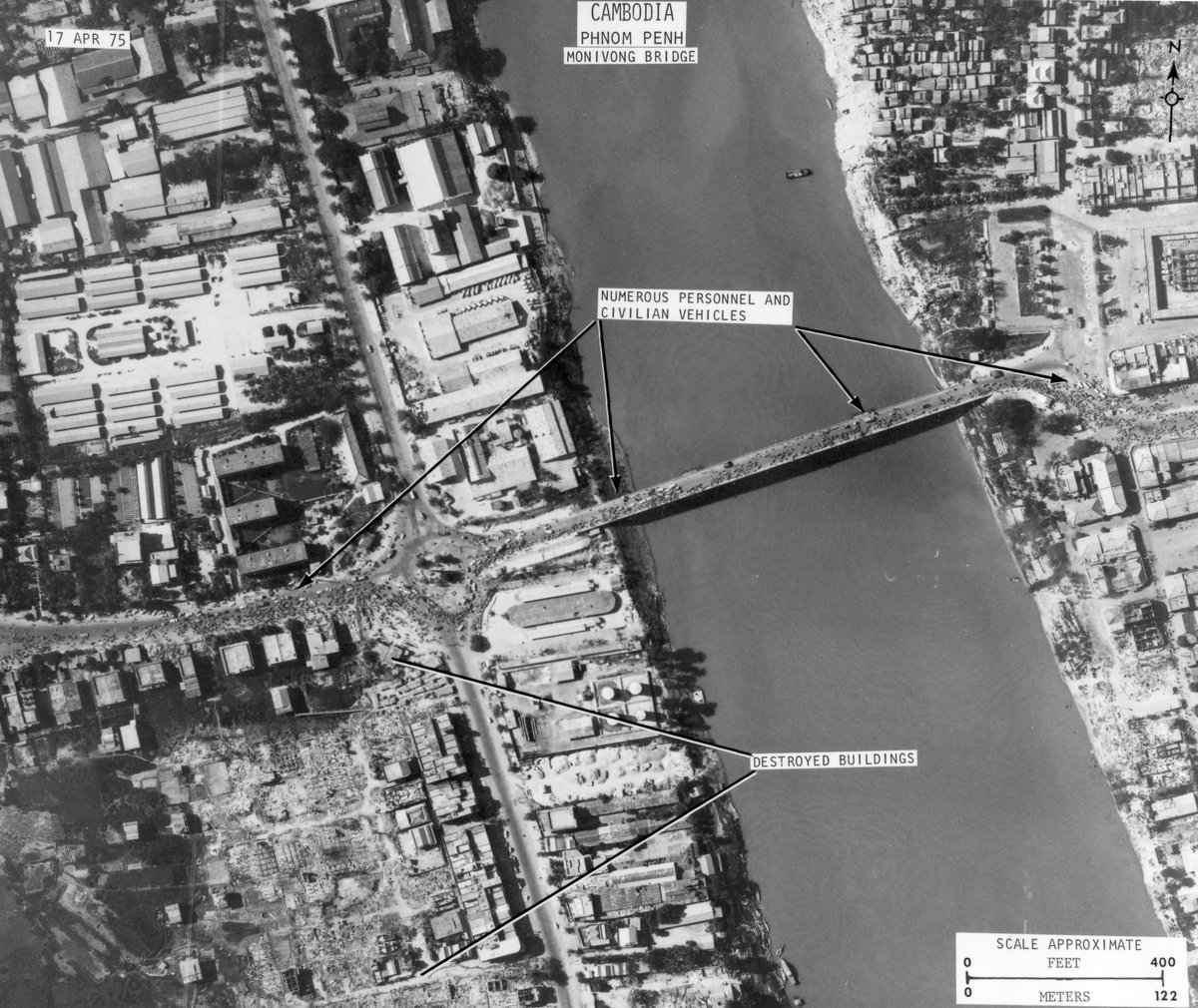
Red-scarved teenagers herd two million people into the countryside at gunpoint. Hospitals are cleared—patients push their own IV drips. The central market becomes a stable for cows. Silence replaces engine noise; only cicadas and the occasional burst of AK-47 fire disturb the tropical afternoon. Phnom Penh ceases to be a city and becomes a ghost collection of mildewed villas.
local_fire_department
1976
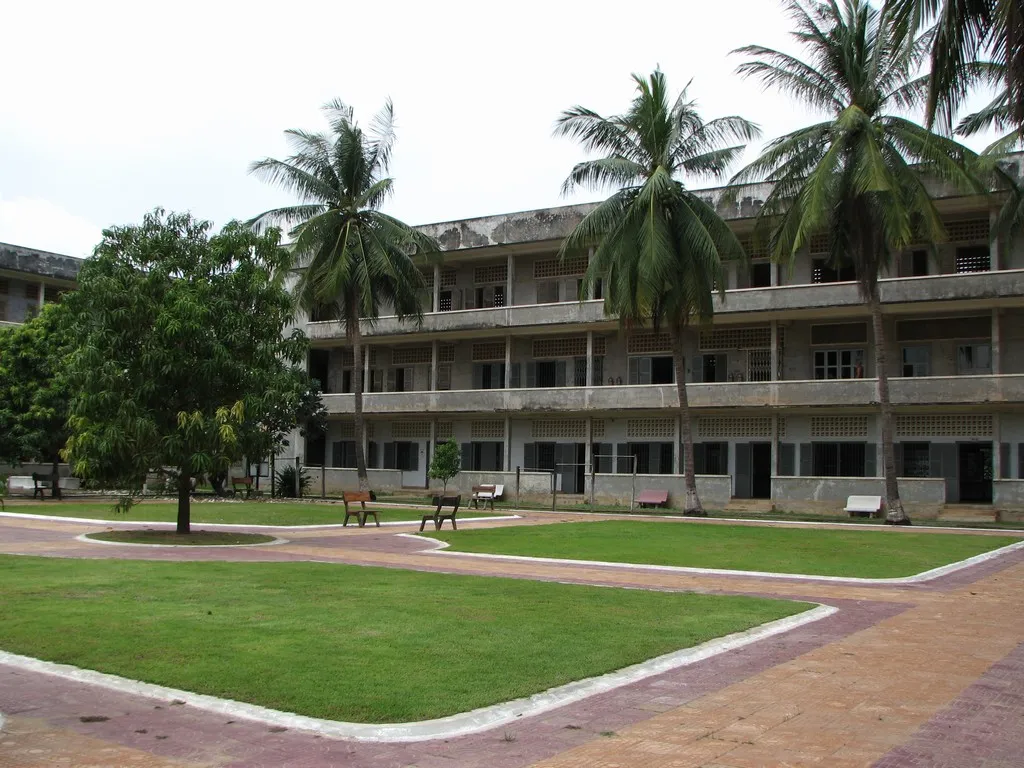
S-21 Opens in a High-School Turned Hell
The colonial-era Tuol Svay Prey High School is retrofitted into Security Prison 21: classrooms divided into 1 m × 2 m brick cells, balconies barricaded with barbed wire. Between 14,000 and 17,000 pass through; seven survive. Photographers snap mug shots under makeshift skylights—light so flat every cheekbone looks like a knife.
People’s Republic
swords
7 January 1979
Vietnamese Tanks Liberate a Ghost Town
Rusty T-54s crash through the northern gate at dawn. They find a city of corpses and silence: dogs roaming the central post office, rice rotting in presidential urns. Only 50,000 skeletal residents creep back from the countryside. The first cinema to reopen shows Soviet cartoons to an audience of barefoot children who flinch at the sound of laughter.
person
1991
Haing Ngor Returns to Set ‘The Killing Fields’
The Oscar-winning actor—himself an S-21 escapee—rents the old French embassy to shoot scenes in the actual alley where he once hid under corpses. He hires 300 locals as extras, paying them in rice. When cameras stop, he teaches them to read scripts; many become the first generation of post-war film crew.
gavel
1993
UNTAK Elections, Purple Ink on Foreheads
22,000 UN peacekeepers turn the city into a tent city of ballot boxes. On polling day, 90 % of registered voters queue before dawn; monks in saffron robes dip fingers in indelible ink beside former Khmer Rouge cadres. The riverfront reopens its first ice-cream parlor; couples share cones under neon that finally spells ‘Coca-Cola’ instead of ‘Angkar.’
Modern Recovery
factory
2004
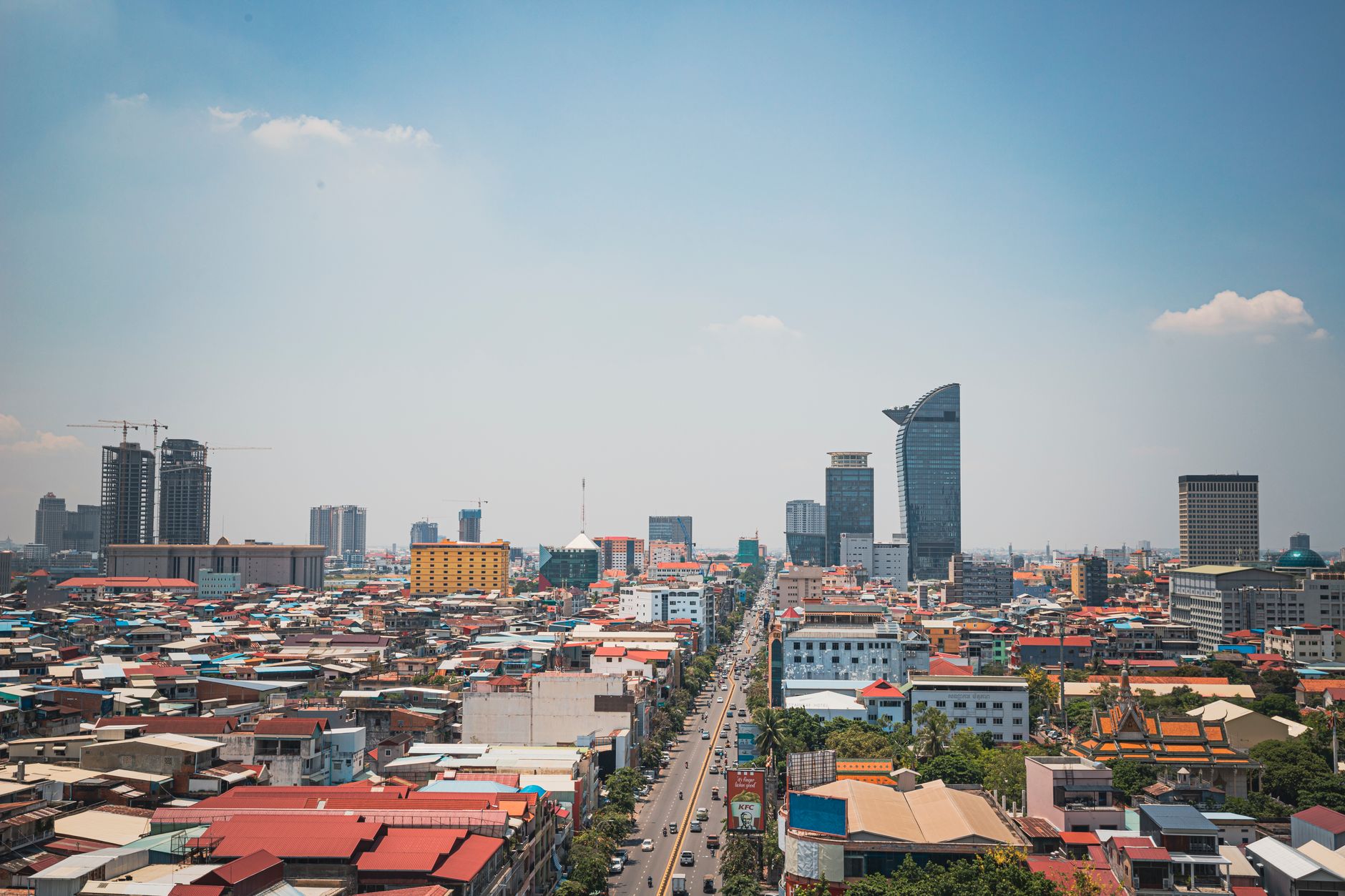
First Shopping Mall Shadows Wat Phnom
The 11-storey Sovanna Center sprouts parking decks where execution trucks once idled. Teenagers ride escalators in Hello Kitty slippers, texting on Nokia 3310s while monks below collect alms. Property prices triple in a year; cyclo drivers sleep on their pedals waiting for fares that now pay in dollars instead of riel.
public
2025
Genocide Sites Engraved on World Heritage List
UNESCO inscribes Tuol Sleng, Choeung Ek, and the lesser-known M-13 prison as ‘Memorial Sites of Global Importance.’ The designation freezes demolition plans for a luxury condo tower that would have cast shadow on mass graves. Tour guides now receive state training; they end stories not with ‘never again’ but with the price of rice the year their father vanished.