
About Varna
Varna, Bulgaria’s maritime capital on the Black Sea coast, combines ancient history with contemporary culture. One of Europe’s oldest continuously inhabited cities, it is known as Bulgaria’s “Sea Capital” for its port, arts scene, festivals, parks and beaches (destinationabroad.co.uk; touristplaces.guide).
Its archaeological heritage reaches back to the Paleolithic era. Among its best-known landmarks are the Varna Chalcolithic Necropolis, associated with the oldest processed gold treasure discovered, and the Roman Thermae. The medieval Aladzha Monastery is carved into limestone cliffs (varna.bg; wondersofbulgaria.com).
History
Ancient origins and archaeological heritage
Archaeological discoveries indicate human presence in the Pobiti Kamani area roughly 100,000 years ago (varna.bg). Underwater excavations in Varna and Beloslav Lake have revealed settlements from the Late Eneolithic and Early Bronze Age, making the region unique in Southeast Europe.
The Varna Chalcolithic Necropolis was discovered in 1972. It yielded more than 3,000 gold artifacts, collectively known as the “Gold of Varna,” dating from 4400–4200 BC (wondersofbulgaria.com). The artifacts are held at the Varna Archaeological Museum alongside exhibits from Thracian, Greek, Roman and medieval Bulgarian history (thecrazytourist.com).
Greek colonists founded the city as Odessos in the 6th century BC. Under Roman rule, it flourished, and the Roman Thermae were built in the late 2nd century AD. Covering 7,000 square meters, they are among the largest and best-preserved Roman bath complexes in Europe (wondersofbulgaria.com; destinationabroad.co.uk).
Medieval and Ottoman periods
During the Middle Ages, Varna was a contested stronghold between the Bulgarian and Byzantine Empires. The Battle of Varna in 1444 marked the city’s integration into the Ottoman Empire (varna.bg). Under Ottoman rule, the population included Bulgarians, Greeks, Turks, Armenians and Jews, contributing to a multicultural legacy reflected in the city’s architecture and traditions.
18th–19th century and National Revival
Varna was temporarily occupied by Russian forces and became a key site during the Crimean War. The Ruse–Varna railway was completed in 1866, spurring economic growth and modernization. New banks, hospitals, schools and churches were established as part of the Bulgarian National Revival.
Post-liberation growth and the 20th century
After liberation from Ottoman rule in 1878, Varna’s population surged, and it became Bulgaria’s second-largest city (varna.bg). The city attracted migrants, especially from Edirne and West Thrace, and expanded throughout the 20th century. Declared a resort town in 1921, Varna became a major tourist destination on a par with Riviera resorts (touristmaker.com).
What to see and do
Historical sites and museums
- Varna Archaeological Museum Home to the Gold of Varna and collections spanning Thracian, Greek, Roman and medieval Bulgarian history.
- Roman Thermae The extensive ruins include soaring arches and provide insight into Roman daily life and architectural skill. Evening illumination and guided tours are among the site’s highlights (balkanwanderlust.com).
- Dormition of the Mother of God Cathedral Also known as the Cathedral of the Assumption of the Virgin Mary.
- Aladzha Monastery A medieval monastery carved into limestone cliffs.
- National Maritime Museum, Naval Museum and Aquarium The Naval Museum and Aquarium are located in the Sea Garden; combined tickets are available.
- Other museums and galleries These include the Ethnographic Museum and Fine Arts Gallery.
Parks, beaches and outdoor activities
The Sea Garden, also called Primorski Park, is a year-round green space with routes for cycling and jogging. Varna’s beaches include:
- Central Beach An urban beach with free access.
- Golden Sands Beach In a resort area accessible by public transport.
- Asparuhovo Beach A quieter pebble beach.
Jet skiing and parasailing are available at major beaches. Wellness options include yoga, spa and thalassotherapy.
Events and entertainment
Varna’s cultural calendar includes the Varna Summer International Theatre Festival in June–July, the Varna Summer International Folk Festival in August, the International Fair of Crafts and Arts in August, and the Day of Varna on August 15 (varnaculture.bg). The Varna Summer International Music Festival is another major event (visit.varna.bg). Summer also brings music festivals, art exhibitions and folklore performances, especially in the Sea Garden (visit.varna.bg).
In summer, beach bars, nightclubs and live music enliven the city, particularly in Golden Sands and the city center.
Food and shopping
Seafood is a menu staple, including grilled fish, Black Sea mussels, fish soup, calamari, shrimp and smoked fish. Restaurants named for local and seafood dining include Staria Chinar, Sea Garden Restaurant and Restaurant Korona (cuisinevoila.com). The city also has international cuisine and vegetarian options (restaurantguru.com).
Shopping options include malls, boutiques and Kolhozen Pazar, the Central Market, which offers crafts, fresh produce and local products.
Practical visiting information
Opening hours, tickets and accessibility
Hours and prices for some attractions are given differently in the available listings.
- Varna Archaeological Museum Tuesday–Sunday, 9:00 AM–6:00 PM, closed Mondays; another listing gives Tuesday–Sunday, 9:00 AM–5:00 PM, closed Mondays. Adult admission is 10 BGN (about €5), also listed as about €5; discounts are available for students and seniors. The museum is described as wheelchair-friendly, with ramps and elevators, and as fully accessible. Guided tours are available, with advance booking recommended (visitbulgaria.com; visit.varna.bg).
- Roman Thermae One listing gives daily hours of 9:00 AM–7:00 PM in summer and 9:00 AM–5:00 PM in winter. Other listings give daily hours of 10:00 AM–7:00 PM, longer during summer, or 9:00 AM–7:00 PM. Admission is listed as 8 BGN (about €4), about €3, or 5 BGN (about €2.50). Combined tickets for multiple sites are available. The site has wheelchair access and multilingual information panels, though some terrain is uneven; good shoes are recommended (balkanwanderlust.com).
- Sea Garden (Primorski Park) Open 24/7, with free park access. Attractions within the park have separate schedules, and the park is mostly wheelchair-friendly (touristplaces.guide).
- Cathedral of the Assumption of the Virgin Mary Open daily, with hours listed as 7:00 AM–7:00 PM. Entry is free; a fee applies to the bell tower. Wheelchair access is partial (touristplaces.guide).
- National Maritime Museum Listed hours are 9:00 AM–6:00 PM; tickets are about 7 BGN.
- Maritime Museum, Ethnographic Museum and Fine Arts Gallery Listed hours are 9:00 AM–5:00 PM, closed Mondays; tickets are €3–€6 (visitbulgaria.com).
- Dolphinarium Multiple shows are held daily; another listing gives showtimes of 11:00 AM and 3:00 PM. Check online for showtimes. Tickets are about €7 or 12 BGN (about €6); discounts are available for children and groups. The venue is fully accessible (cultureactivities.com).
- Aladzha Monastery Hours are listed as 9:00 AM–6:00 PM or 9:00 AM–7:00 PM. Tickets are about €4 or 5 BGN (about €2.50). Access is limited because of stairs (cultureactivities.com).
Getting to and around Varna
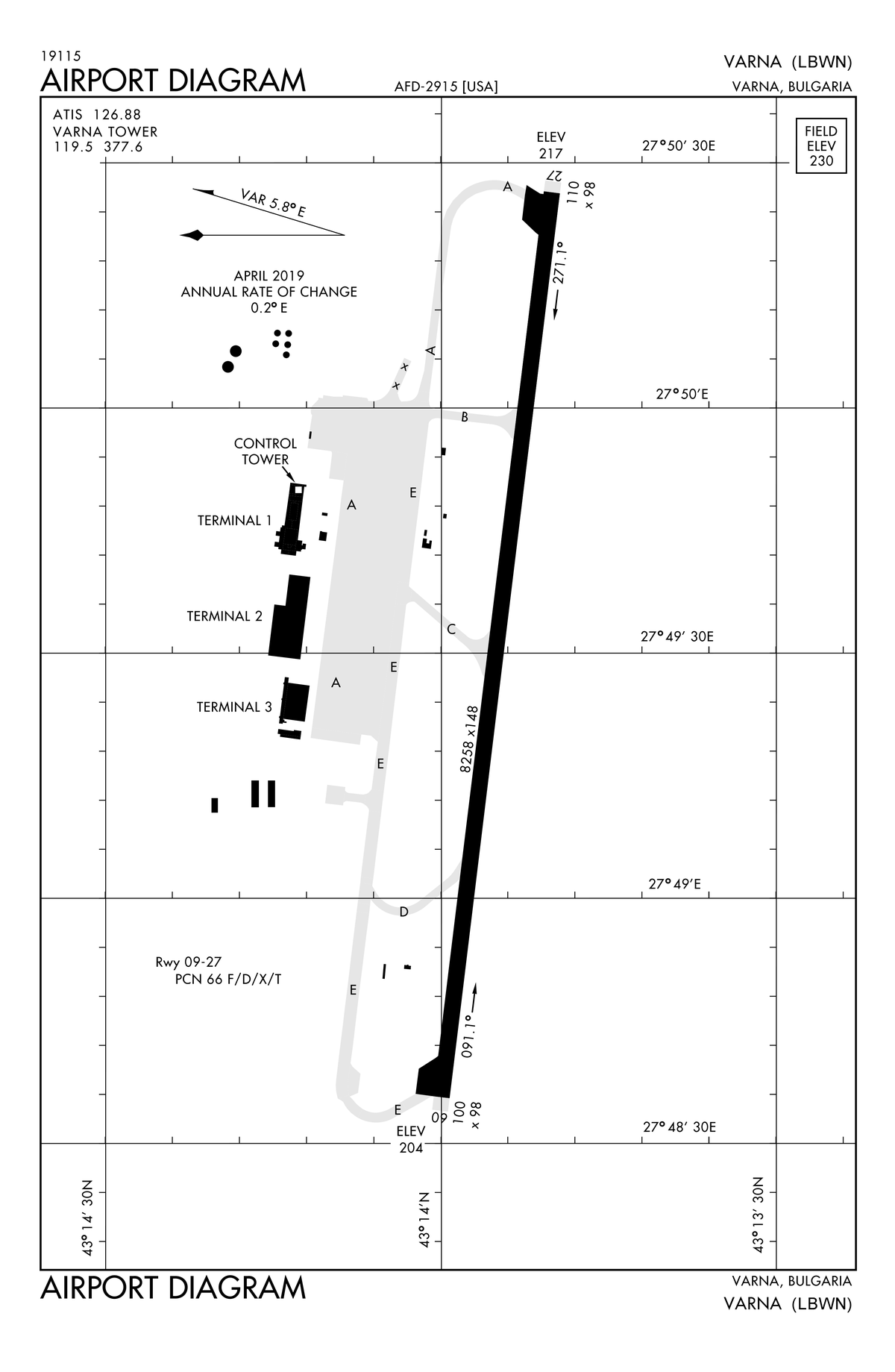
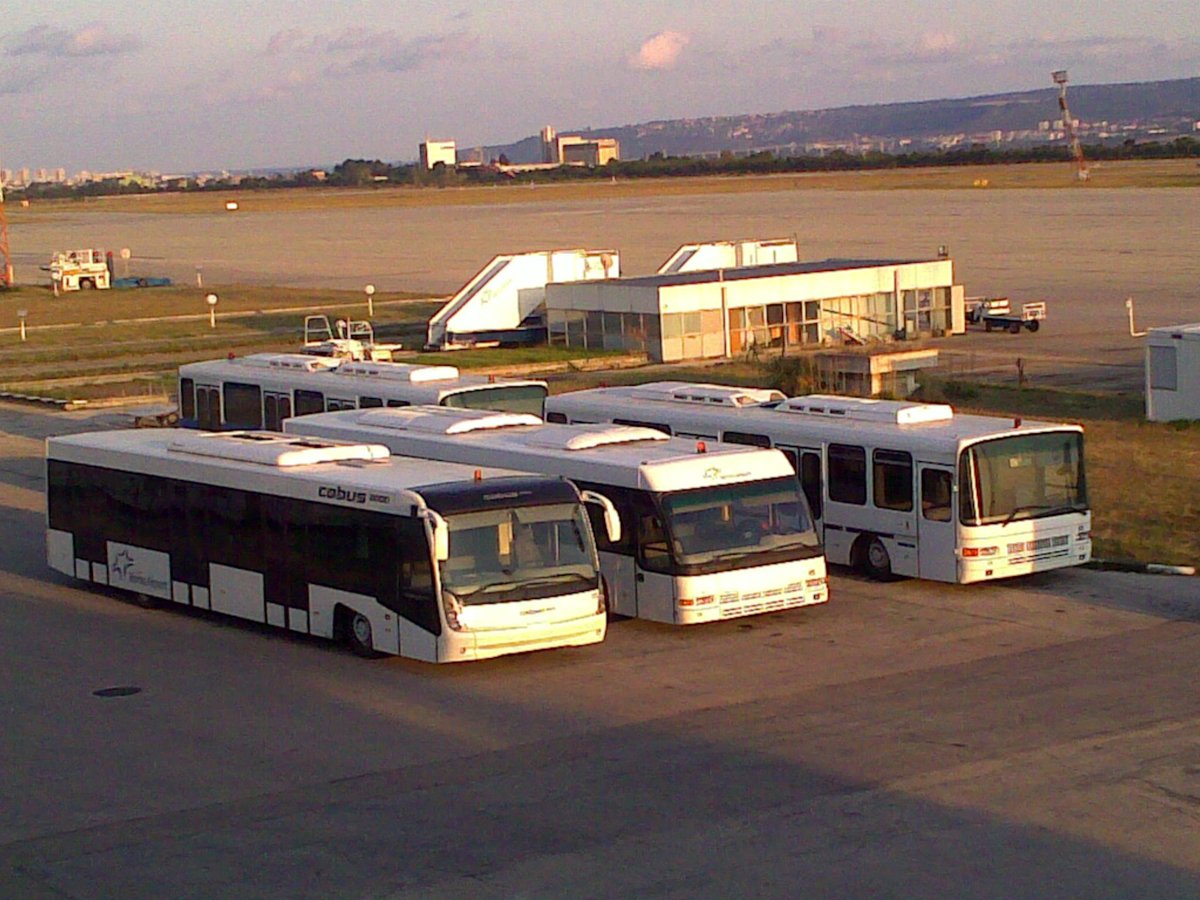
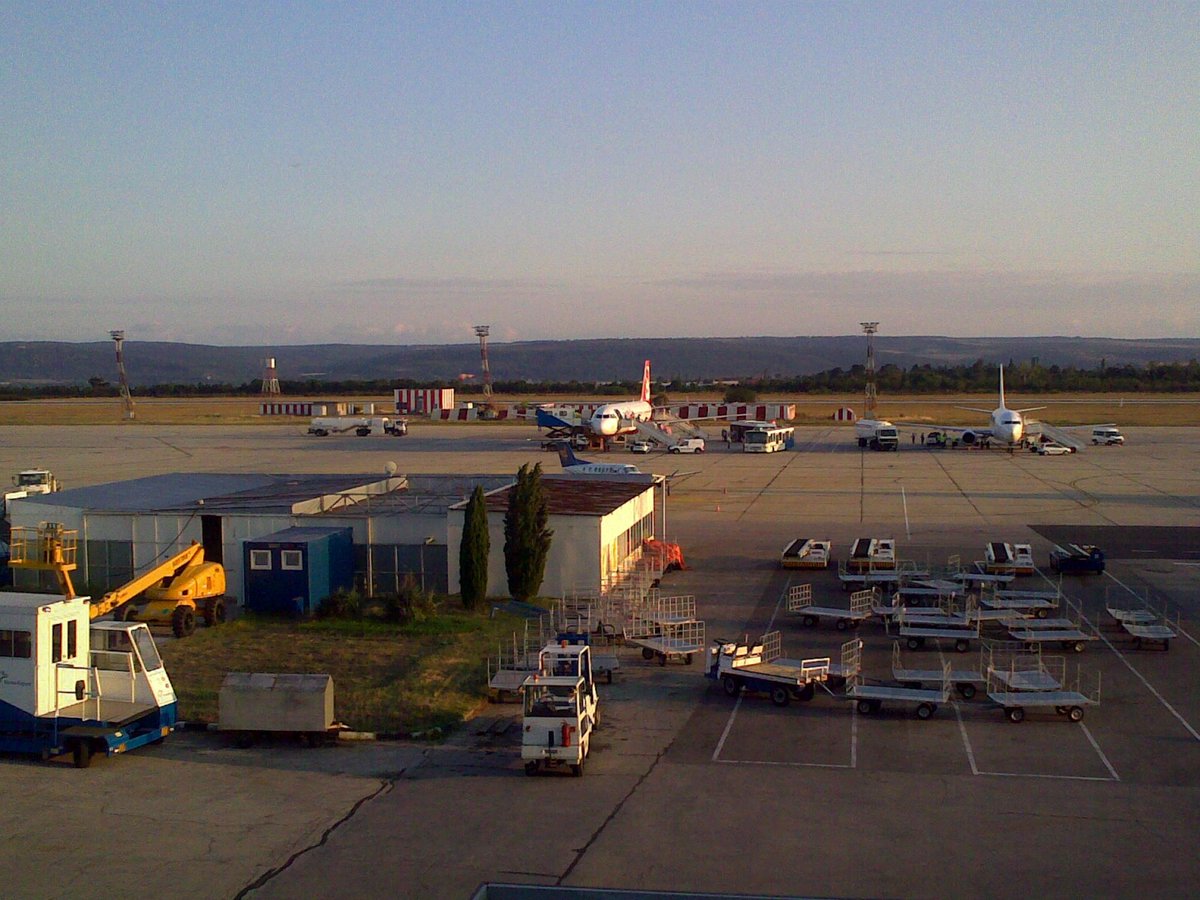
Varna is accessible by Varna International Airport, train and bus. Local transportation includes an efficient bus network, trolleys, taxis, rideshare apps and bike rentals. The city operates a paid central “Blue Zone” parking system (visit.varna.bg).
Most major sites are accessible, though some have limitations. Visitor centers provide maps and assistance.
Accommodation
Accommodation ranges from luxury hotels such as Panorama Hotel and boutique properties such as Bizarre Boutique Hotel to private villas and budget hostels (boutiquehotel.guru; trip101.com). Many hotels are centrally located near the Sea Garden or main beaches. Mid-range hotels are listed at €40–€80, with higher prices in summer (mytravelation.com). Booking in advance is recommended for peak season, June–August (nomadicmatt.com).
Travel tips
- When to visit June–September is given as the best time for beaches and events; early June and September have fewer crowds. Summer temperatures average 29–32°C (84–89°F).
- Money The Bulgarian Lev (BGN) is the official currency. Credit cards are widely accepted, but carry some cash for small purchases and public transport. Varna is affordable by European standards.
- Language Bulgarian is the official language; English is commonly spoken in tourist areas.
- Safety and health Varna is described as moderately safe, with standard precautions advised (hikersbay.com). Tap water is potable, though many people prefer bottled water. Pharmacies and medical care are widely available.
- Food Ask about daily seafood specials, pair seafood with local Bulgarian white wines, and visit seafood markets for fresh and smoked fish.
- Family travel Family attractions include the Dolphinarium, zoo and water parks (triplyzer.com).
Three-day itinerary
Day 1
- Morning: Cathedral of the Assumption and Archaeological Museum.
- Afternoon: Sea Garden and Dolphinarium.
- Evening: Dinner at a seaside restaurant.
Day 2
- Morning: Roman Thermae and Retro Museum.
- Afternoon: Aladzha Monastery and Stone Forest (Pobiti Kamani).
- Evening: Stroll through the city center.
Day 3
- Morning: Beach time at Varna Beach, Golden Sands or St. Constantine and Helena.
- Afternoon: Naval Museum and optional wine-tasting or countryside excursion.
- Evening: Final dinner, live music or a festival.
For a map of attractions, see the Varna Tourist Map.
Nearby places
Nearby attractions and excursion destinations include Aladzha Monastery, Golden Sands Resort, the Stone Forest (Pobiti Kamani) and Kamchia Biosphere Reserve. Guided tours can cover archaeology, historical neighborhoods, culinary experiences and nature; day trips to Aladzha Monastery and Nessebar are also available (cultureactivities.com).