Introduction
Sofia, Bulgaria’s energetic capital, is a city where history is etched into its urban landscape. Among its most significant monuments are the Russian Monument and the Monument to the Soviet Army—two sites that reflect Bulgaria’s turbulent past, liberation struggles, and complex relationship with Russia and the former Soviet Union. This detailed guide provides historical background, architectural highlights, practical visitor information, and tips for making the most of your visit to these iconic Sofia landmarks.
Photo Gallery
Explore Russian Monument in Pictures
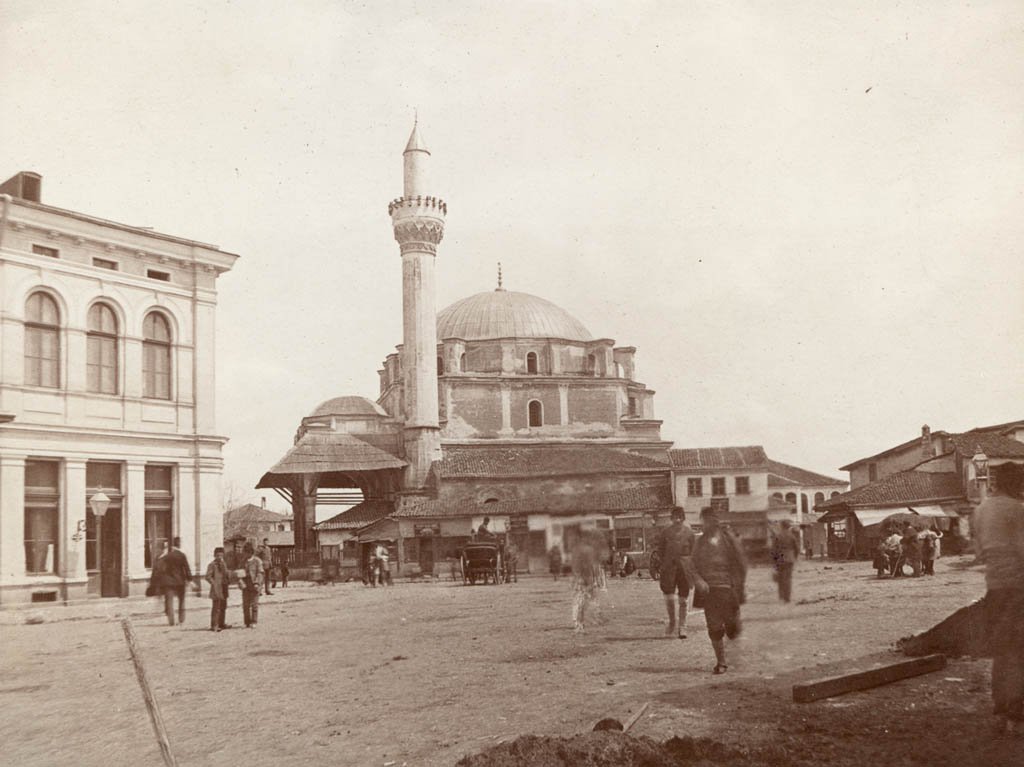
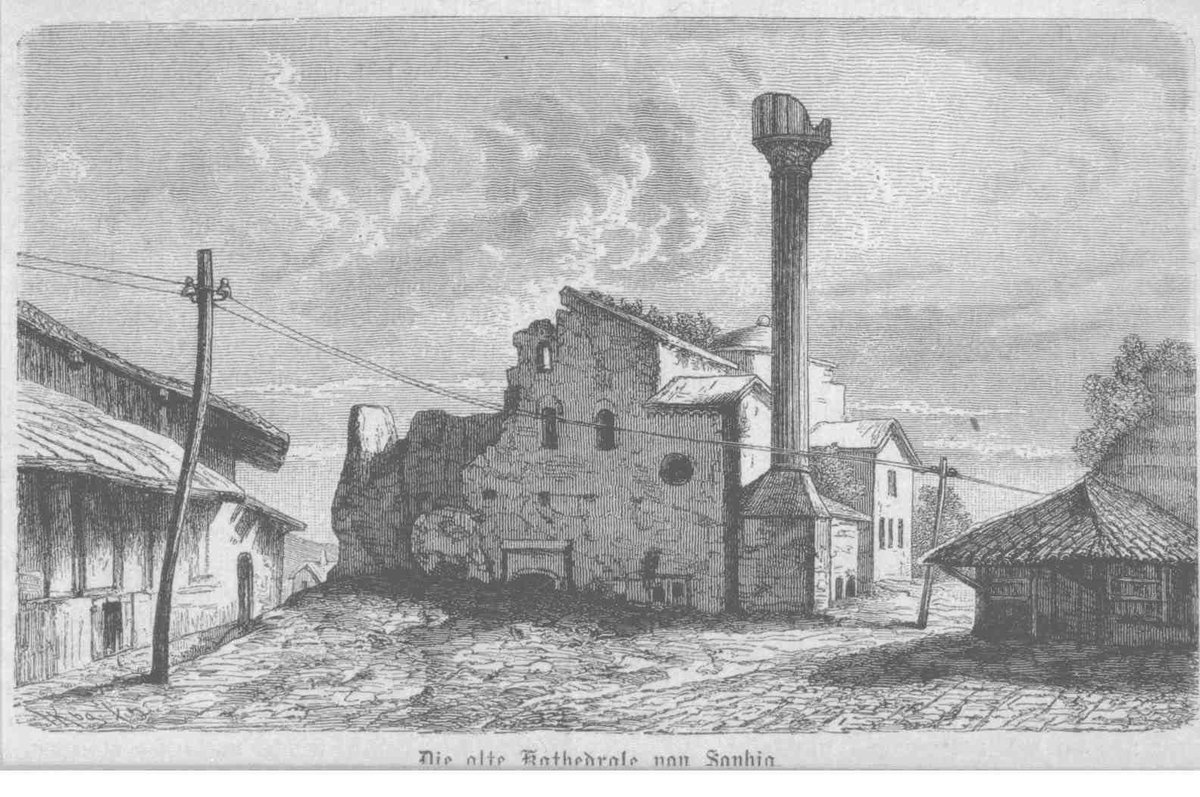
Panoramic image capturing the blend of old and new Sofia cityscape, highlighting historical and modern buildings, from the album 'Views from New and Old Sofia' donated to Ferdinand I of Bulgaria in 1907.
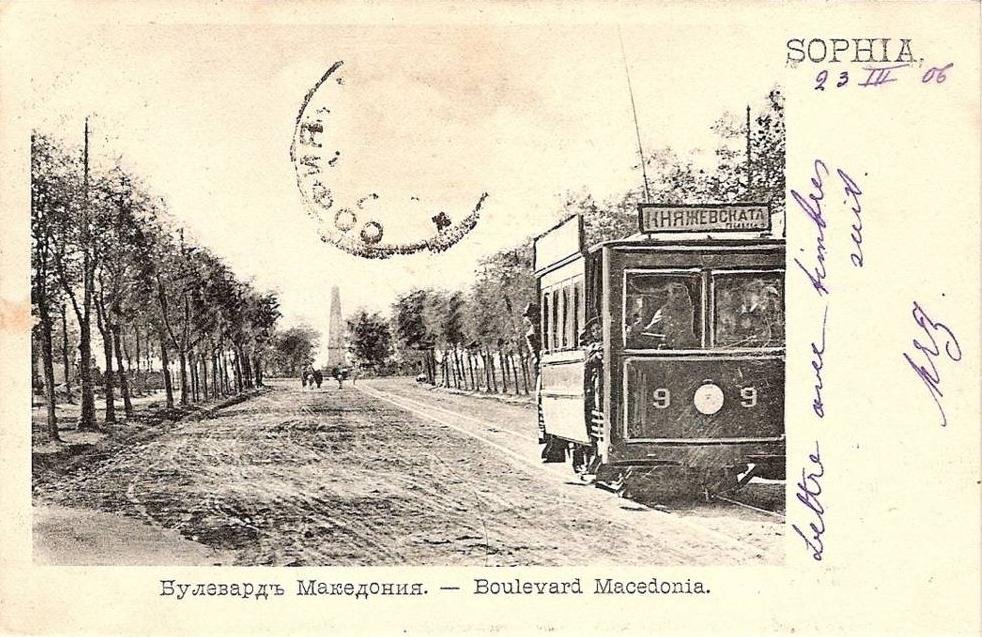
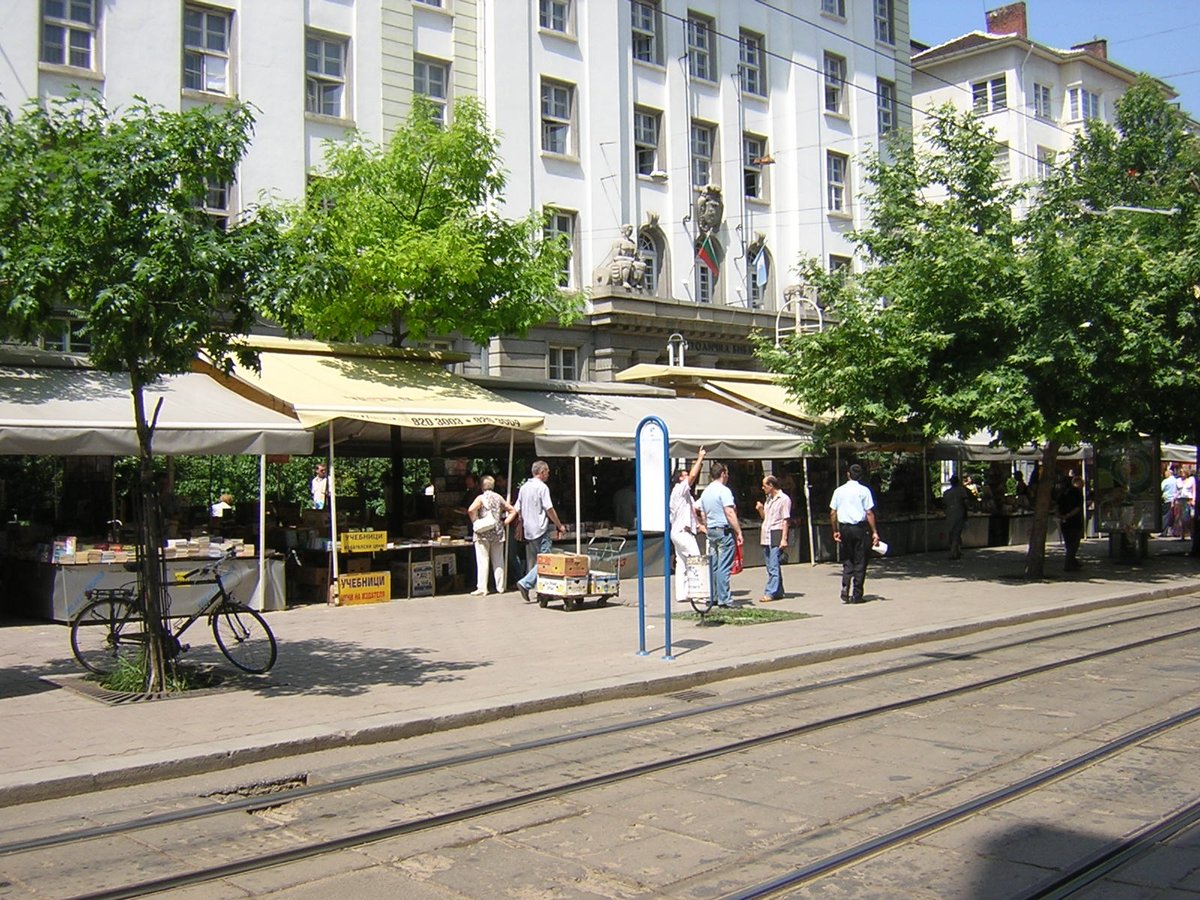
View of Macedonia Boulevard in Sofia, showing bustling street activity and surrounding urban architecture
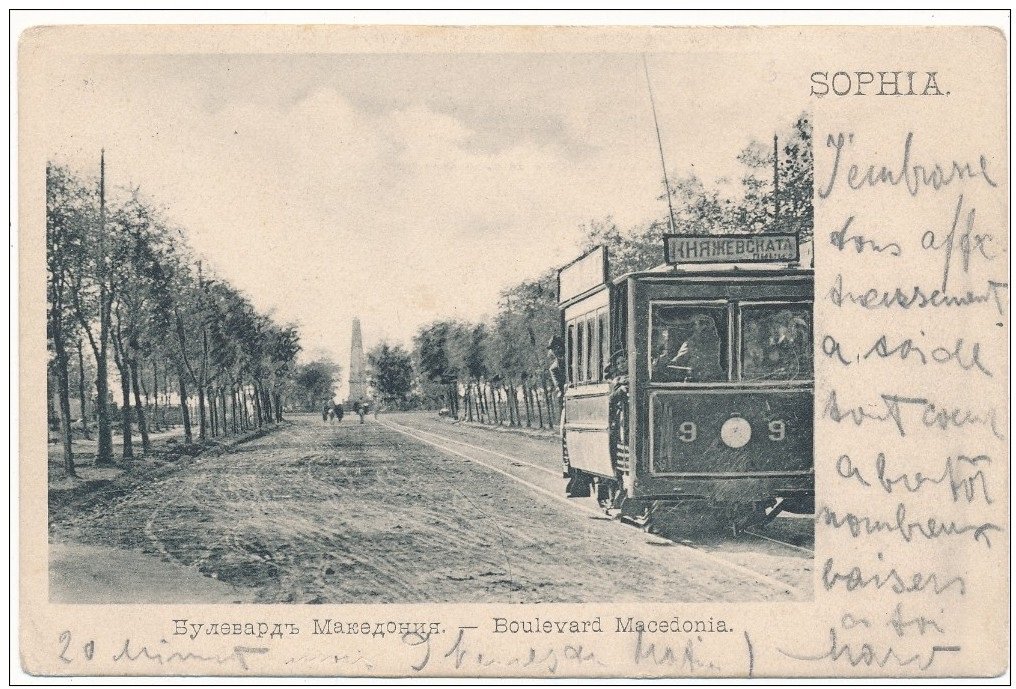
Historic view of Macedonia Boulevard in Sofia featuring early 20th century architecture and streetcars along the boulevard
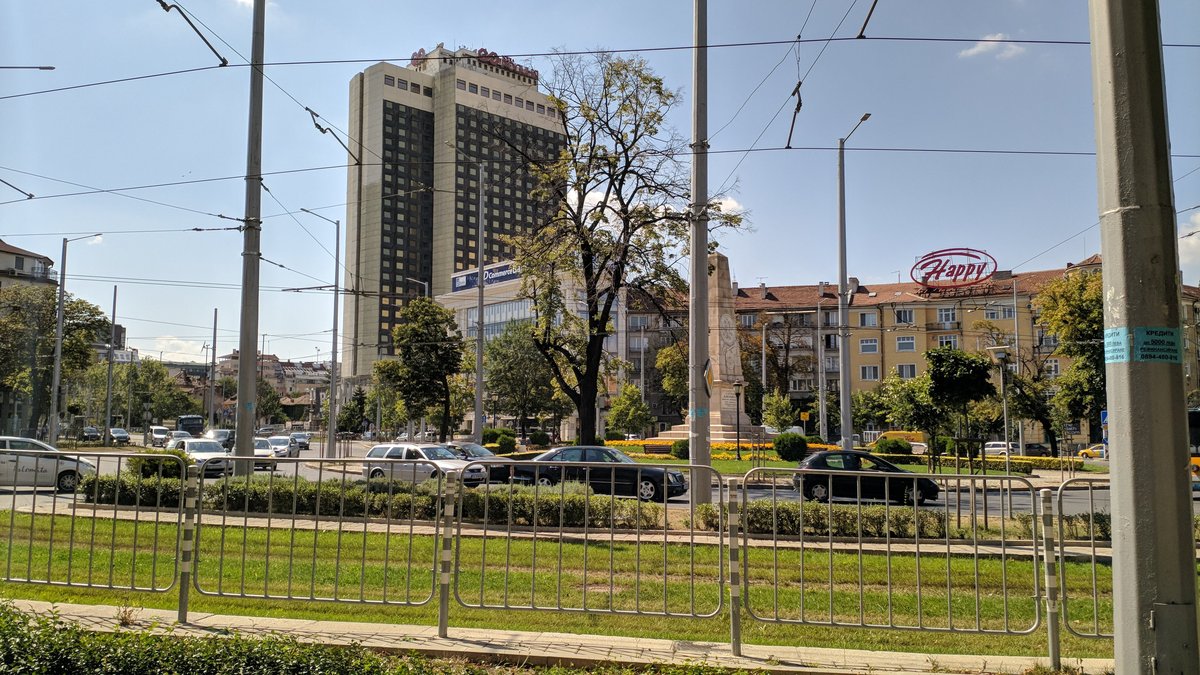
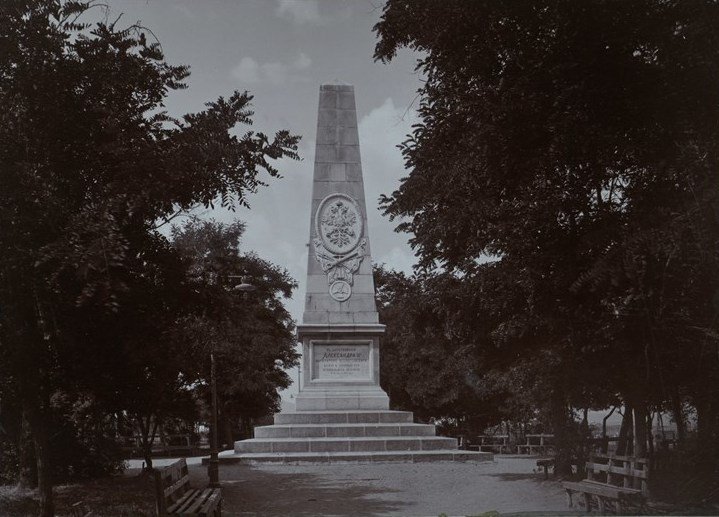
Scenic view of the Russian monument located in Sofia, Bulgaria, showcasing historical architecture and greenery.
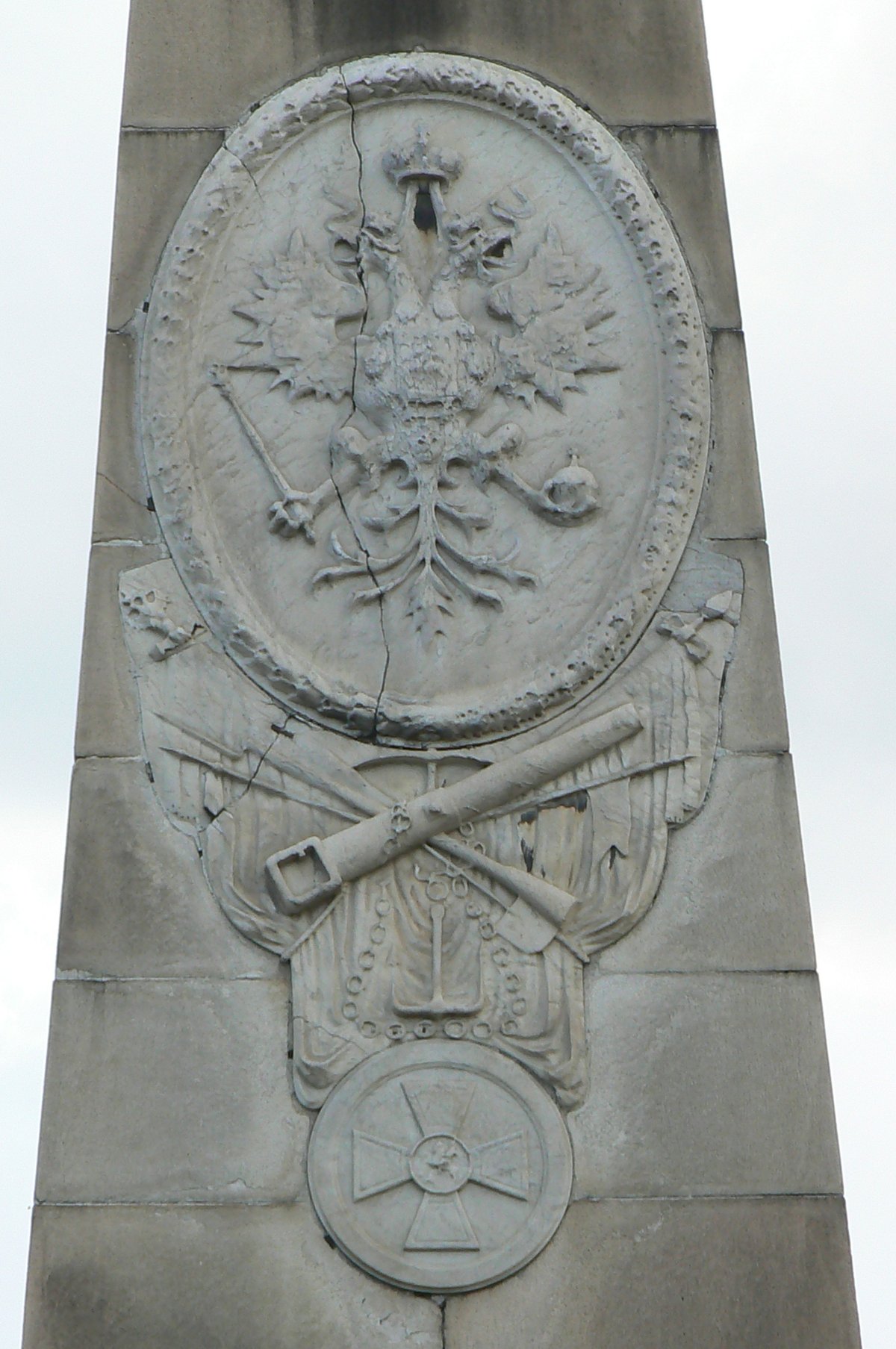
Close-up of the Russian coat of arms and Saint George's military cross displayed on the east side of the Russian monument located in Sofia, Bulgaria
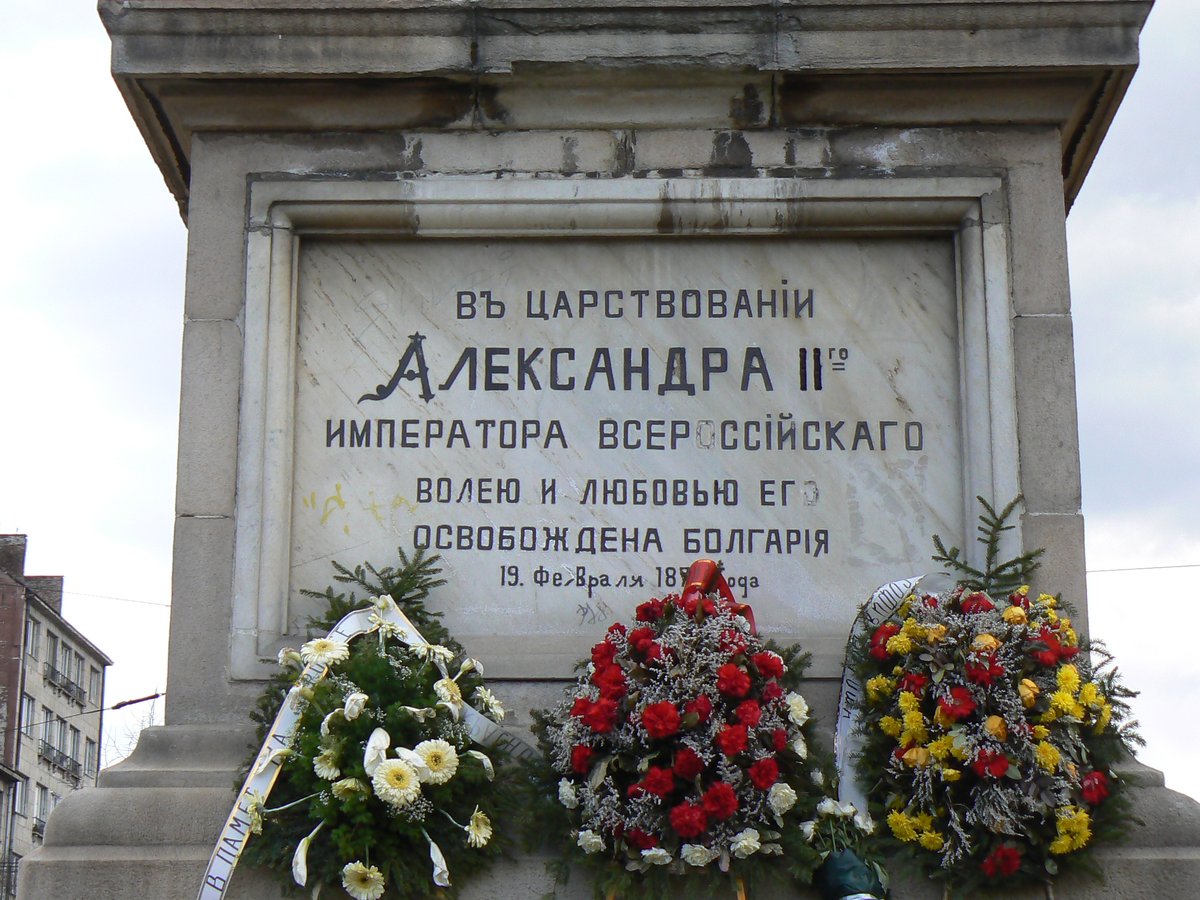
Close-up view of the plaque located on the east side of the Russian monument in Sofia, Bulgaria, detailing historical significance.
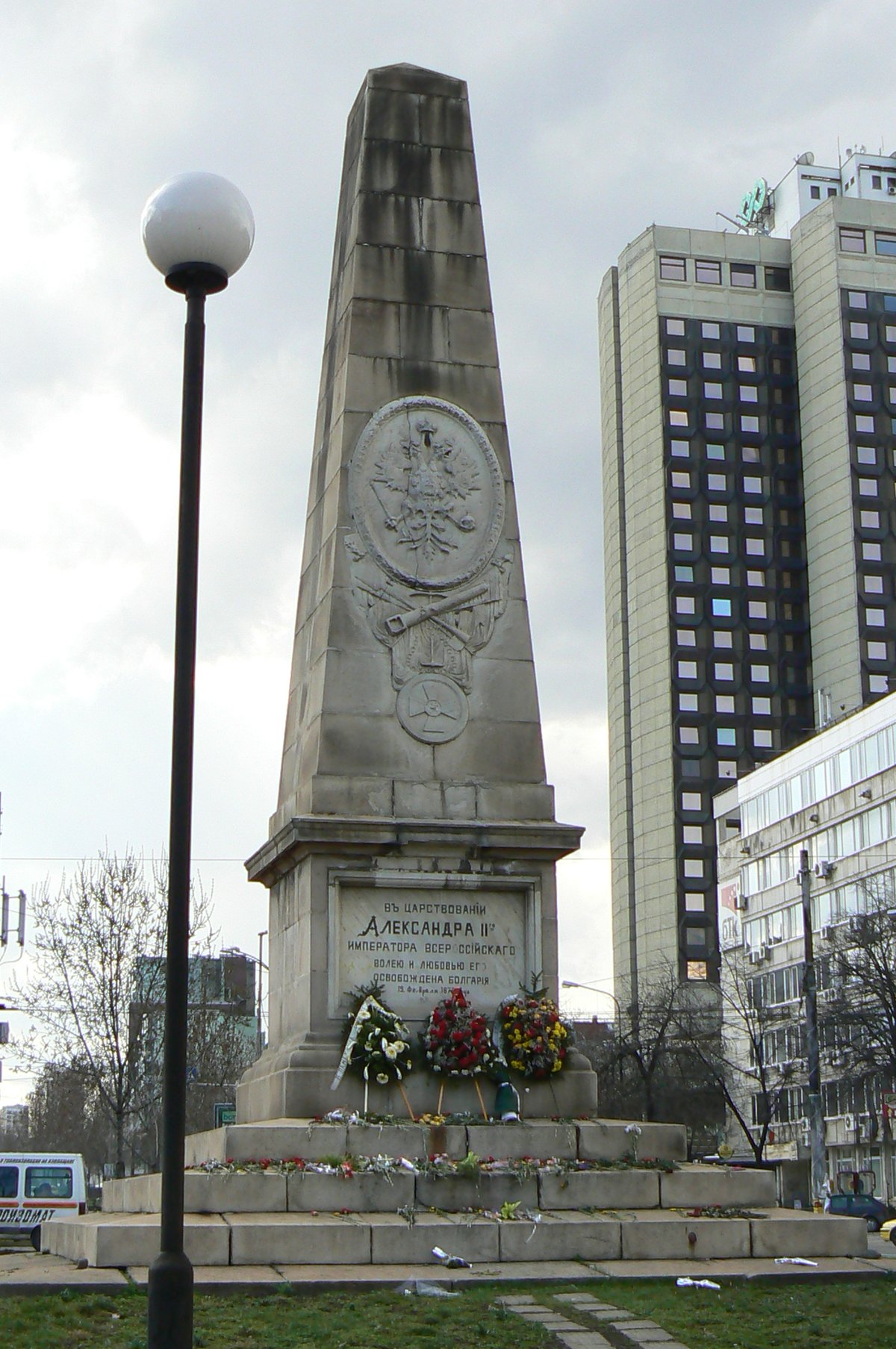
Detailed east side view of the Russian monument located in Sofia, Bulgaria, showcasing its architectural features and historical significance
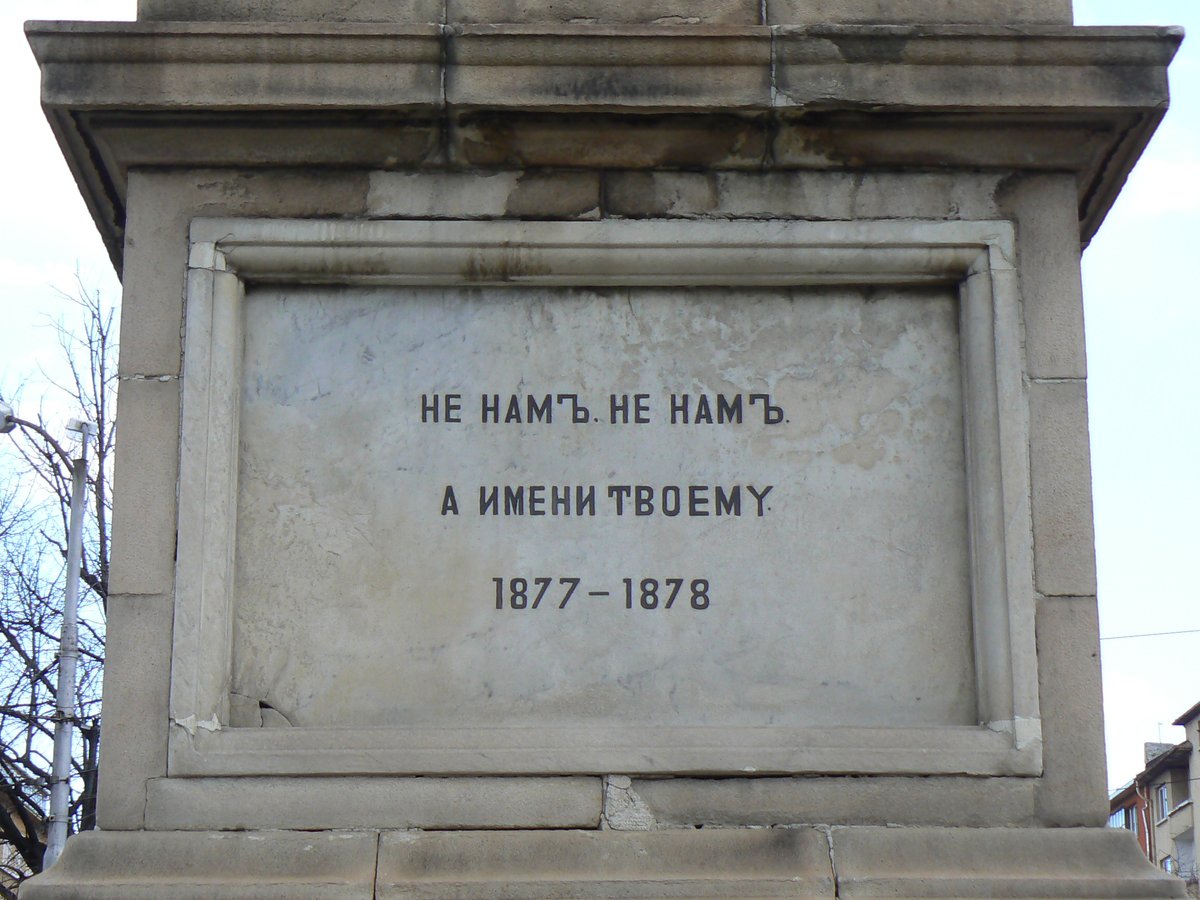
The plaque on the west side of the Russian monument in Sofia Bulgaria showcasing historical inscription
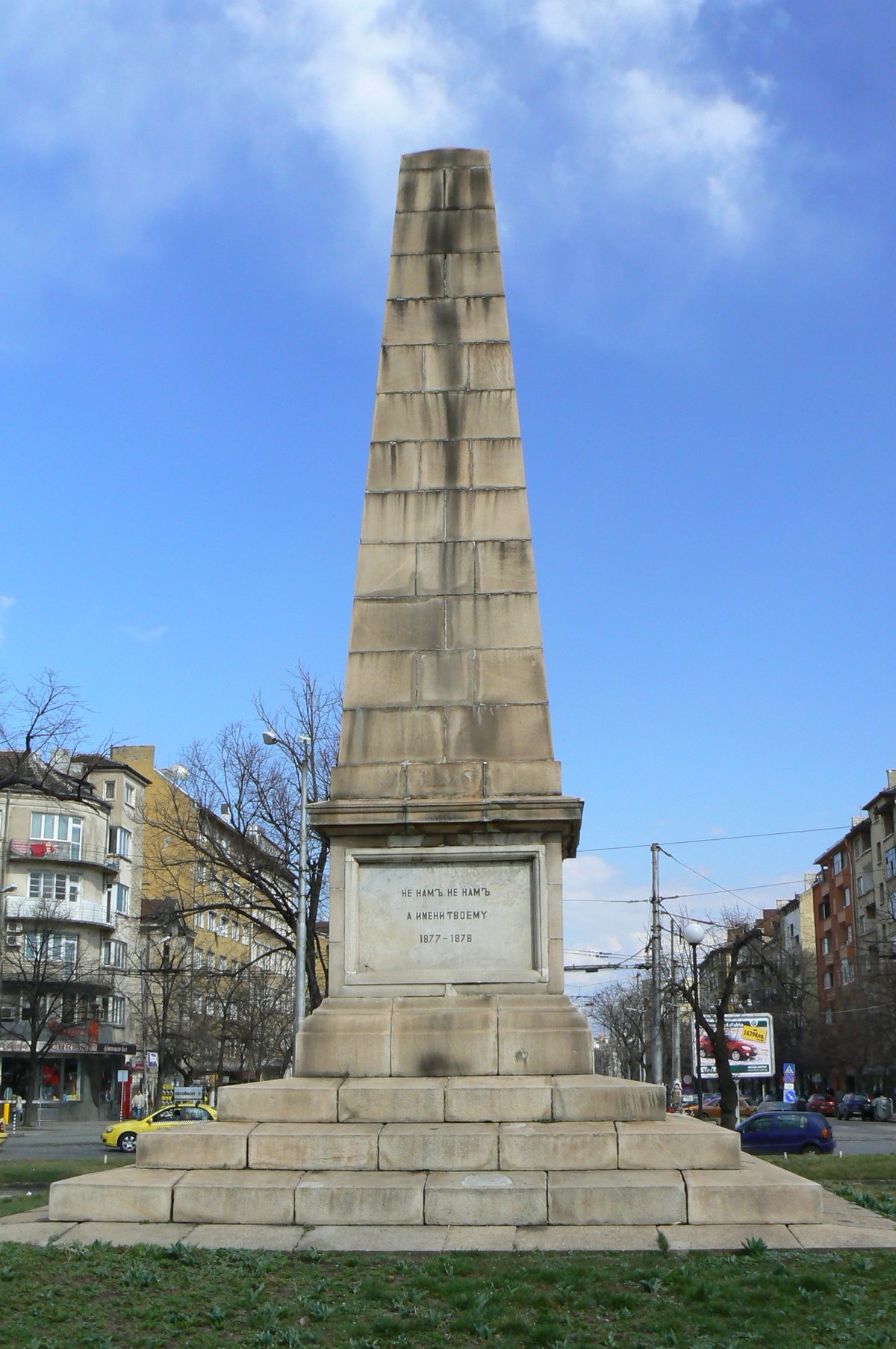
View of the west side of the Russian monument located in Sofia, Bulgaria, showcasing its historical architectural features.
About the Russian Monument in Sofia
Located at the busy intersection of Skobelev and Totleben boulevards, the Russian Monument (Руски паметник, Ruski pametnik) honors Russian soldiers who died during the Russo-Turkish War of 1877–1878, which played a pivotal role in Bulgaria’s liberation from Ottoman rule (Visit Sofia). The monument’s classic obelisk design, adorned with symbolic reliefs, stands as a testament to Bulgarian-Russian friendship and remains accessible to visitors 24/7, free of charge (Evendo).
Historical Context and Significance
Origins and Symbolism
Erected in the early 20th century, the Russian Monument was constructed as a tribute to Russian soldiers who fell during Bulgaria’s liberation war. The obelisk’s form, rooted in Egyptian tradition and widely used in European memorials, signifies endurance and remembrance (Viko Hotel). Key artistic features include reliefs of the Russian imperial coat of arms and the Order of St. George, as well as inscriptions honoring Tsar Alexander II, revered as the “Tsar Liberator.”
Social and Political Relevance
Over the years, the Russian Monument has evolved into both a commemorative site and a symbol of international friendship. While it is largely embraced as a site of gratitude and respect, it also serves as a focal point for reflection on Bulgaria’s shifting alliances and historical narratives (EAA).
Visiting Hours, Tickets, and Accessibility
- Visiting Hours: The Russian Monument is an open-air landmark, accessible at any time, day or night, throughout the year (UrTrips).
- Tickets: Admission is free; no tickets or reservations are required.
- Accessibility: The square around the monument is flat and paved, suitable for wheelchair users and visitors with limited mobility (Audiala). Pedestrian crossings and traffic signals ensure safe access, though caution is advised due to the busy roundabout.
Facilities, Safety, and Amenities
The landscaped square includes benches and shaded areas, ideal for rest and reflection. There are no dedicated restrooms or visitor centers at the monument, but nearby cafes, restaurants, and shops are easily accessible. A Tourist Information Center is located at 22 Tsar Osvoboditel Blvd., providing maps and guidance (Visit Sofia).
Safety: The area is generally secure, with a visible police presence during public events. Standard precautions are recommended, as in any city center.
Photography, Best Times to Visit, and Etiquette
- Best Times: Early mornings and late afternoons provide optimal lighting for photography and a quieter atmosphere.
- Lighting: The monument is illuminated at night, offering a striking visual experience.
- Etiquette: Please respect the monument—do not climb or deface it, and be mindful during commemorations or gatherings.
Transportation and Parking
Public Transport: Multiple tram and bus lines serve the area, making the monument easily accessible from across Sofia.
Parking: Street parking is available nearby, with additional paid parking lots within walking distance, though spaces may be limited during peak hours (UrTrips).
Accommodation
Central Hotel Sofia, located around 900 meters from the monument, is a highly rated option for visitors. Numerous other hotels, hostels, and guesthouses in the city center cater to a wide range of budgets (UrTrips).
Nearby Attractions
- National Palace of Culture (NDK): 1.2 km away; a major venue for events and exhibitions.
- South Park (Yuzhen Park): 4.2 km from the monument, offering green spaces and walking trails.
- Alexander Nevsky Cathedral: Iconic neo-Byzantine cathedral, about 2 km northeast (RestGeo).
- Monument to the Tsar Liberator: Honors Tsar Alexander II, located near the National Assembly (Audiala).
- Doctor’s Monument and Doctor’s Garden: Peaceful green space commemorating medical personnel (Bulgaria Info Guide).
- Russian Church (St. Nicholas): Famous for its architecture and gardens (Balkan Trails).
- Statue of Saint Sofia: Modern symbol of the city, centrally located (RestGeo).
The Monument to the Soviet Army: History, Controversy, and Visitor Guide
Situated in a central park opposite Sofia University, the Monument to the Soviet Army (MSA) is an imposing structure commemorating the Red Army’s role in World War II (History Campus). The surrounding park is a vibrant urban space, frequented by locals and skaters, and often serves as a venue for protests, cultural events, and artistic interventions (Redhead Explorer).
Political and Social Significance
The monument’s legacy is complex and contested. While it honors the Soviet “liberators,” many Bulgarians see it as a symbol of the communist regime and loss of national sovereignty (DW.com). Frequent debates about its future—ranging from preservation to relocation or removal—mirror Bulgaria’s ongoing struggle to reconcile history and identity (Novinite).
Recent years have seen renewed controversy, especially since the Russian invasion of Ukraine in 2022. The monument has been subject to graffiti, political protests, and public art, reflecting shifting attitudes and calls for recontextualization or removal (History Campus).
Visiting Information
- Hours: The monument and park are open 24/7, year-round.
- Tickets: No entry fee; access is free.
- Accessibility: Paved paths make the park generally accessible, though some uneven surfaces may require assistance.
- Tours: Many city walking tours include the monument; audio guides are available via mobile apps like Audiala.
- Nearby: Sofia University, the National Theatre, and Borisova Gradina park are all within walking distance.
Safety and Practical Tips
Some areas of the park may be uneven, and visitors are advised to check for ongoing events or demonstrations. The monument has faced structural deterioration, so observe any posted warnings regarding safety (History Campus).
FAQ
Q: What are the visiting hours of the Russian Monument?
A: Open 24/7, no restrictions.
Q: Is there an entrance fee or tickets required?
A: No, visiting is free.
Q: Are guided tours available?
A: Many Sofia walking tours include the monument; audio guides are available via apps.
Q: Is the site wheelchair accessible?
A: Yes, the surrounding area is paved and accessible.
Q: What are the best times for photography?
A: Early morning and late afternoon provide the best light and fewer crowds.
Map and Orientation
The Russian Monument and the Monument to the Soviet Army are both marked on city maps and navigation apps. Their central locations make them easy to include in a walking tour of Sofia’s main attractions (UrTrips).
Visuals and Media Suggestions
- High-resolution photos of the monuments and their reliefs (with descriptive alt tags).
- Maps showing the monuments’ locations relative to other landmarks.
- Links to virtual tours and interactive maps on Sofia tourism sites.
Listen to the full story in the app
Your Personal Curator, in Your Pocket.
Audio guides for 1,100+ cities across 96 countries. History, stories, and local insight — offline ready.
Audiala App
Available on iOS & Android
Join 50k+ Curators
Sources
- verified
- verified
- verified
- verified
- verified
- verified
- verified
- verified
- verified
- verified
- verified
- verified
- verified
- verified
- verified
- verified
- verified
Last reviewed: