Introduction
Nestled in the heart of Sofia, Bulgaria, the Russian Church—officially the Church of St. Nicholas the Miracle-Maker—is one of the city’s most cherished historical and architectural landmarks. Famous for its gilded onion domes and intricate interior frescoes, the church stands as a testament to the enduring spiritual, cultural, and diplomatic ties between Bulgaria and Russia. This guide provides a comprehensive overview of the Russian Church’s history, cultural importance, current legal status, practical visiting information, and tips for making the most of your visit. Whether you are a history buff, spiritual seeker, or curious traveler, this article will help you experience the Russian Church’s unique blend of art, faith, and heritage (Balkan Trails; sofia-skymuseum.eu).
Photo Gallery
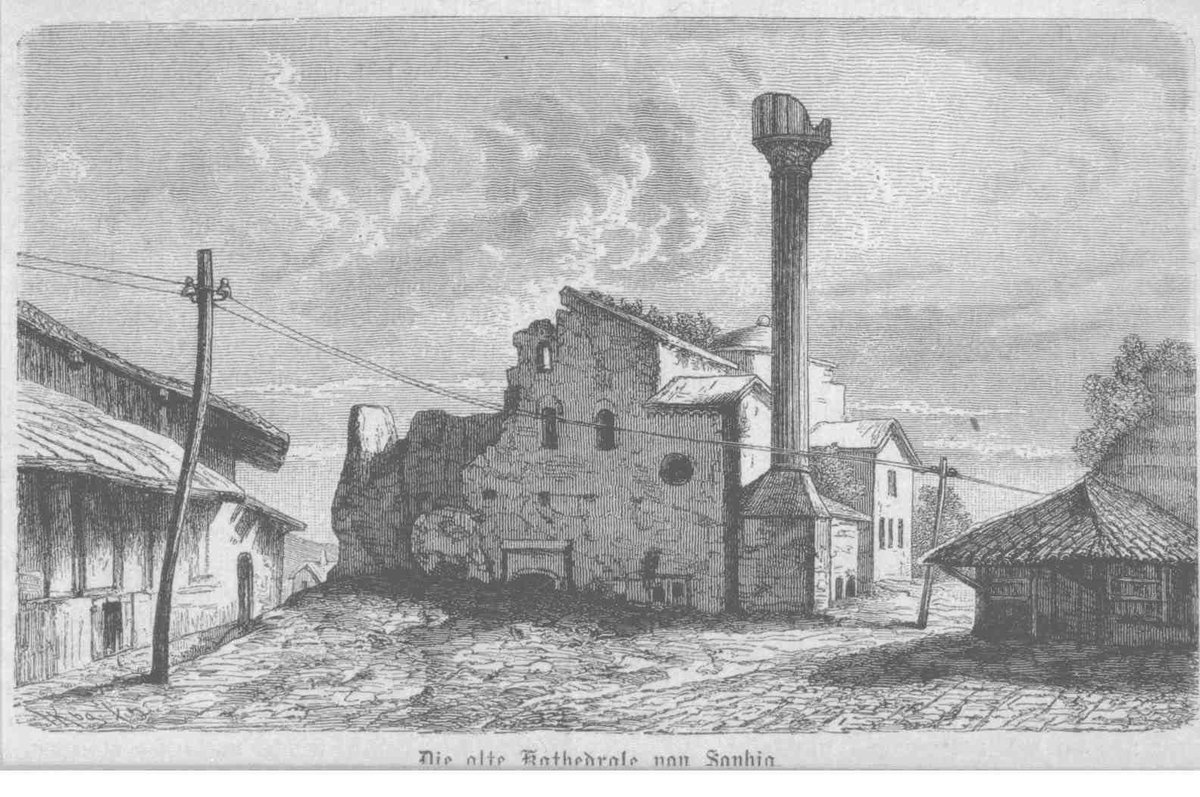
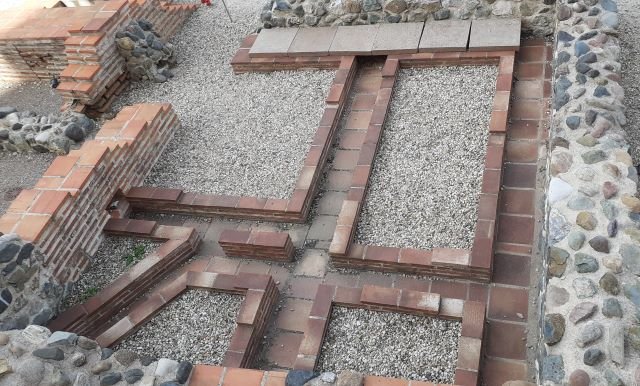
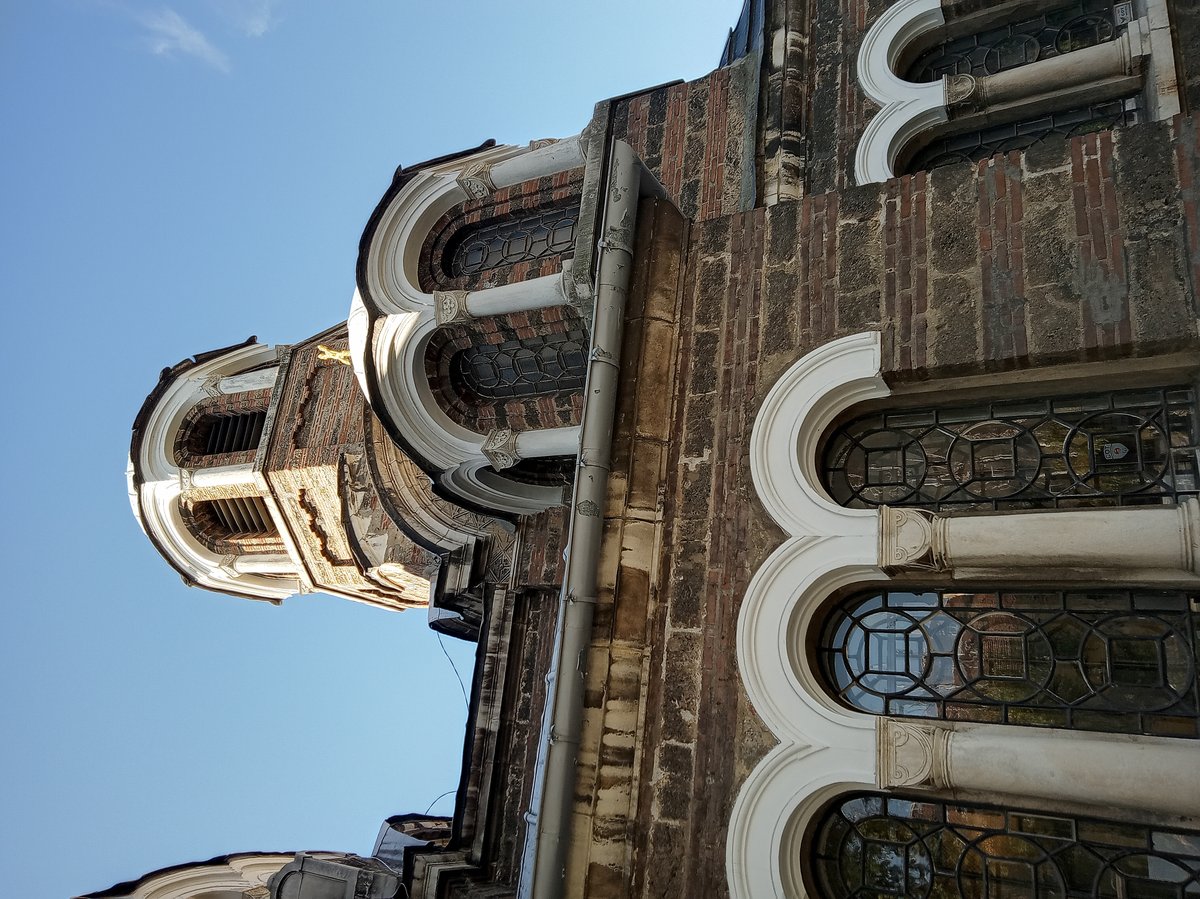
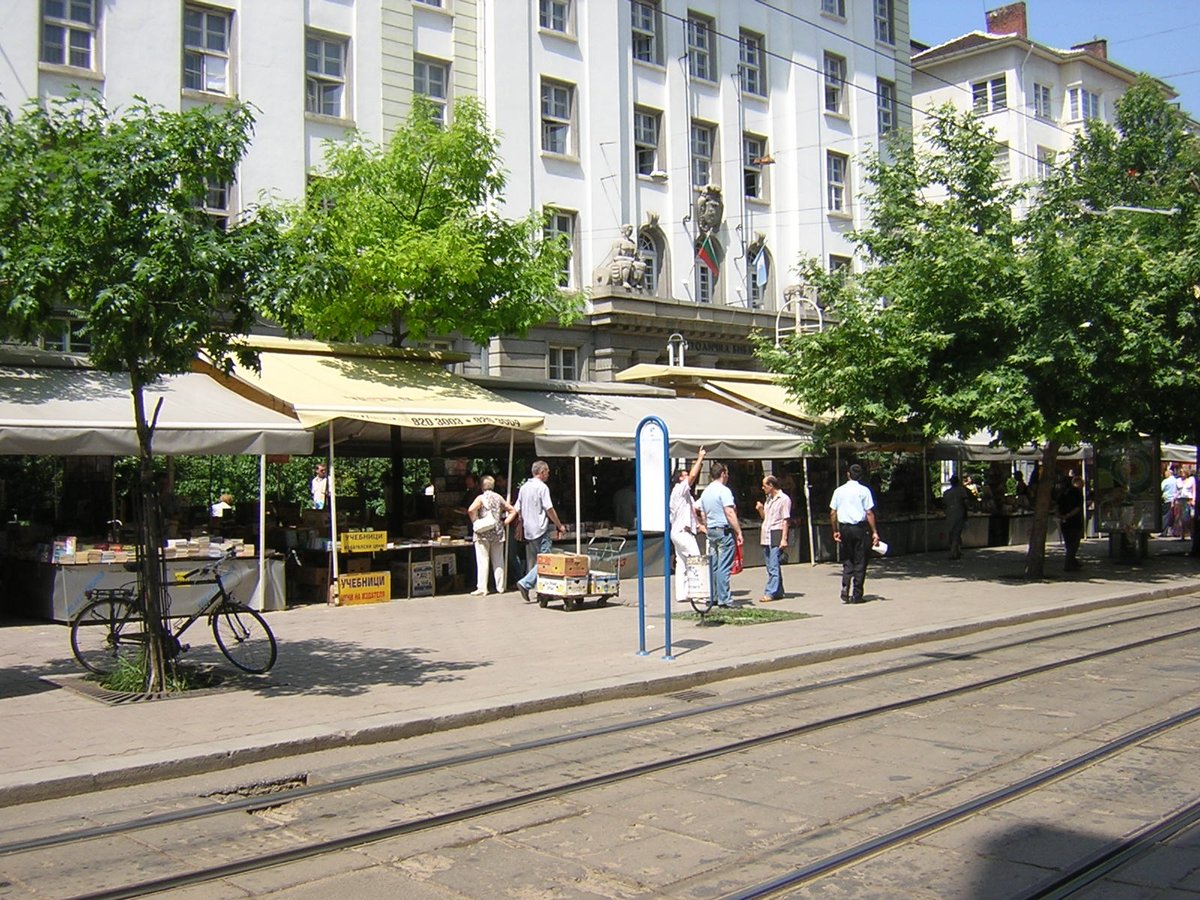
Explore Russian Church, Sofia in Pictures
Historical Origins and Architecture
Origins and Construction
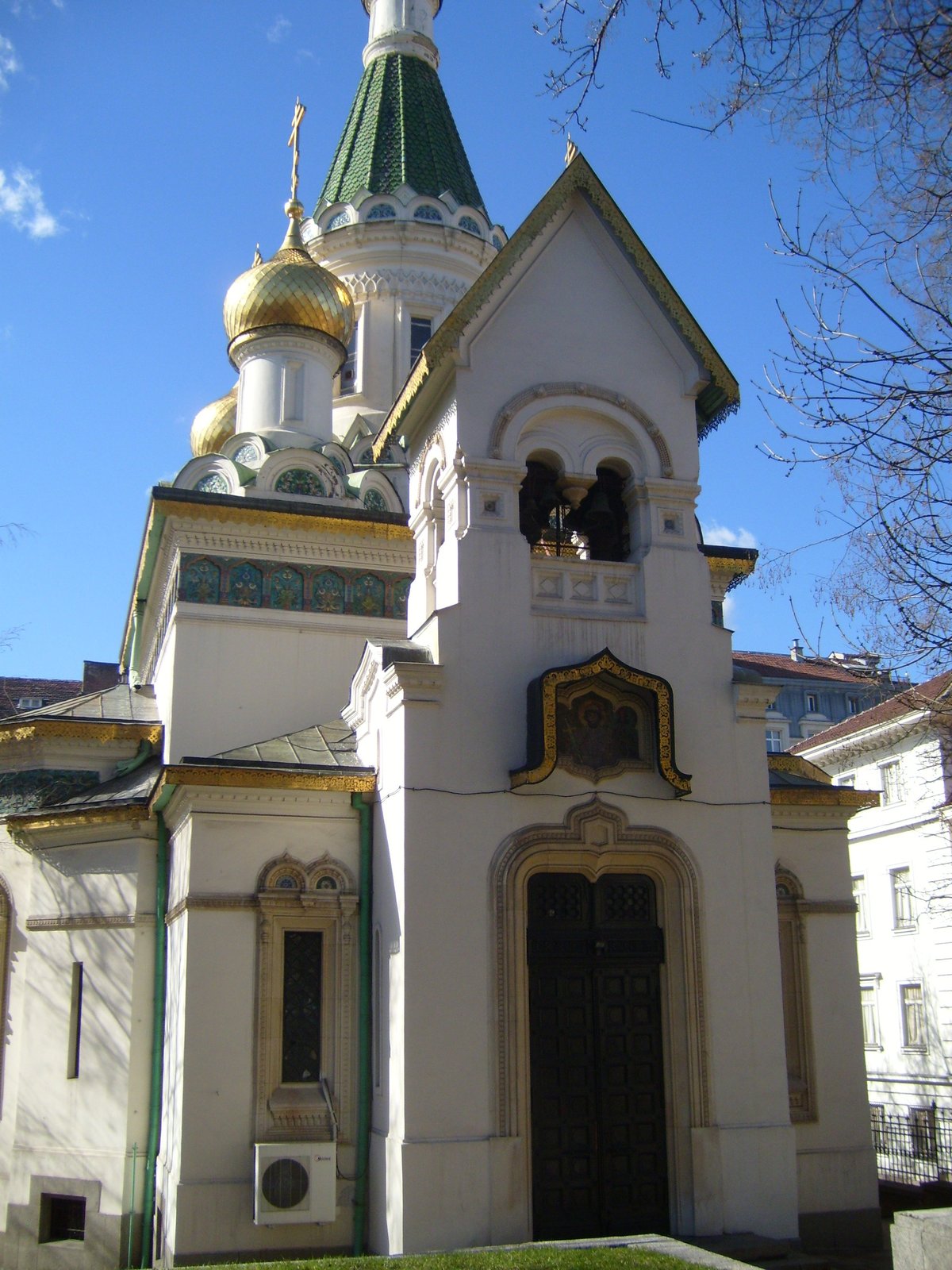
The Russian Church in Sofia was constructed between 1912 and 1914 under the guidance of Russian architect Mikhail Preobrazhenski. Designed in the Russian Revival style, its pristine white façade, green majolica tile roof, and five gilded onion domes mirror the ecclesiastical architecture of Moscow and St. Petersburg. The church was originally built to serve the Russian expatriate community and embassy staff in Sofia, symbolizing the strong diplomatic and spiritual bonds forged after Bulgaria’s liberation from Ottoman rule (Balkan Trails; sofia-skymuseum.eu).
Architectural Highlights
- Five Gilded Domes: Representing Christ and the Four Evangelists, the domes are covered in gold leaf, gleaming above Sofia’s cityscape.
- Colorful Tiles & Ornamentation: Decorative elements include arched windows, ornamental brickwork, and vibrant ceramic tiles.
- Bell Tower: Houses bells donated by Tsar Nicholas II, underscoring the church’s historical role.
- Interior Frescoes: Painted by Vasiliy Perminov and his team, the frescoes depict scenes from the lives of St. Nicholas, Christ, and various saints, blending rich colors and intricate patterns (sofia-skymuseum.eu; triphobo.com).
Ownership and Legal Status
The Russian Church’s legal status is complex. The land was originally acquired by the Russian diplomatic mission at the end of the 19th century. However, a lack of clear documentation and changes in international law have led to ownership disputes. In the decades after World War II, Bulgaria financed significant restoration work on the church, further complicating claims (Novinite).
Recent Developments
In September 2024, following the expulsion of Russian clergy and renewed legal investigation, the Bulgarian state confirmed its ownership rights and initiated proceedings to formalize them. As of June 2025, the church’s operational status and management are under ongoing review, which can affect visitor access.
Cultural and Religious Importance
- Symbol of Russian-Bulgarian Relations: The church serves as a lasting monument to the historic alliance between Bulgaria and Russia, particularly after Bulgaria’s liberation from Ottoman rule (sofia-skymuseum.eu).
- Spiritual Haven: The crypt houses the remains of Archbishop Seraphim (Seraphim Sobolev), a revered figure believed to grant miracles. Pilgrims and visitors leave handwritten notes with prayers in the crypt, a tradition that continues today (Follow the Sisters; Free Sofia Tour).
- Architectural Gem: The church’s compact scale and ornate decoration offer an intimate setting for worship and contemplation.
Visiting Hours, Tickets, and Accessibility
Visiting Hours
- General Opening Times: Usually daily from 9:00 AM to 6:00 PM.
- Variations: Hours may change during religious holidays, special services, or due to ongoing legal issues. Always check the official tourism resource before your visit.
Tickets
- Admission: Free of charge.
- Donations: Welcomed to support maintenance and restoration efforts.
Accessibility
- Wheelchair Access: There are ramps at the main entrance; the church is generally accessible, though the crypt involves stairs and may be less suitable for those with limited mobility.
- Assistance: If you require assistance, contact the visitor center in advance.
Guided Tours and Photography
- Guided Tours: Offered by local tour operators with advance booking.
- Photography: Permitted outside and in designated interior areas; flash and tripods are discouraged to preserve the sacred atmosphere.
Location & Nearby Attractions
Location
- Address: Intersection of Tsar Osvoboditel Boulevard and Georgi Rakovski Street, Sofia city center.
- Transportation: Easily accessible by public transport; nearby tram and bus stops; paid parking available.
Nearby Attractions
- Alexander Nevsky Cathedral: Grand Orthodox cathedral and Sofia’s most famous landmark.
- National Art Gallery: A short walk away, housing major Bulgarian art collections.
- Sofia University: Bulgaria’s oldest higher education institution.
- Monument to the Unknown Soldier: Commemorates Bulgaria’s fallen heroes.
Practical Tips for Visitors
- Dress Code: Modest attire is recommended; hats should be removed inside.
- Behavior: Maintain silence and respect, especially during services.
- Crypt Tradition: Bring your own paper and pen if you wish to leave a note at Archbishop Seraphim’s tomb.
- Seasonal Visits: Spring and early summer offer beautiful gardens; Orthodox holidays bring special liturgies and larger crowds.
- Language: Bulgarian is spoken, but Russian and English are understood by many staff and visitors.
Frequently Asked Questions (FAQ)
Q: What are the Russian Church Sofia visiting hours?
A: Generally 9:00 AM to 6:00 PM daily; check for updates before visiting.
Q: Is there an entrance fee or need for tickets?
A: Admission is free; donations are appreciated.
Q: Is the church wheelchair accessible?
A: The main church is accessible, but the crypt involves stairs.
Q: Is photography allowed inside?
A: Allowed in designated areas; avoid flash and tripods.
Q: Can I attend a religious service?
A: Yes, visitors are welcome to attend Russian Orthodox services.
Q: Are guided tours available?
A: Yes, through local operators—reserve in advance.
Visuals and Media


Alt tags: 'Russian Church Sofia visiting hours', 'Russian Church Sofia tickets', 'Sofia historical sites'.
Listen to the full story in the app
Your Personal Curator, in Your Pocket.
Audio guides for 1,100+ cities across 96 countries. History, stories, and local insight — offline ready.
Audiala App
Available on iOS & Android
Join 50k+ Curators
Sources
- verified
- verified
- verified
- verified
- verified
- verified
- verified
- verified
- verified
- verified
Last reviewed: