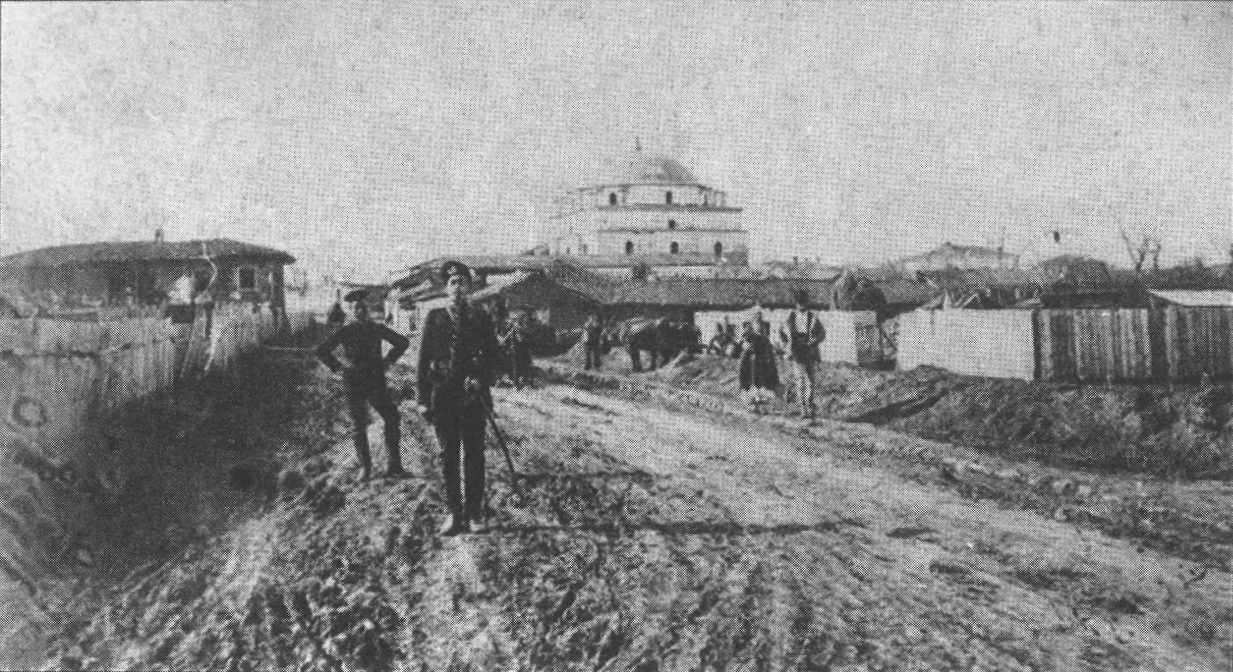
Introduction: Pet Kyosheta’s Heritage and Urban Heart
Situated in the vibrant core of Sofia, Bulgaria, Pet Kyosheta—meaning “The Five Corners”—serves as both a legendary urban intersection and a living symbol of the city’s historical evolution. Here, five major streets converge, creating not just a dynamic transportation hub, but also a microcosm of Sofia’s layered architectural and cultural narrative. The area’s blend of late 19th-century neoclassical buildings, Soviet-era constructions, and contemporary establishments reflects the city’s journey through time.
A key landmark is the Russian Monument, erected in 1882 to honor Russian soldiers instrumental in Bulgaria’s liberation from Ottoman rule. This monument and the surrounding square are freely accessible at all hours, inviting visitors and locals to explore Sofia’s past and present in a uniquely immersive setting.
Beyond its historical credentials, Pet Kyosheta brims with modern energy—cafés, shops, street art, and cultural venues animate the square, while its division into Big and Little Pet Kyosheta offers contrasting atmospheres, from bustling commercial activity to tranquil, authentic neighborhoods. Whether you’re a history buff, a culture enthusiast, or a casual explorer, this guide delivers detailed, practical information to help you navigate and appreciate the multifaceted allure of Pet Kyosheta.
For further planning and inspiration, consult the Sofia Tourism Board or browse curated city walks through Guided Tours in Sofia. This article also integrates travel tips, accessibility advice, highlights for photographers, and local amenities—ensuring a seamless and memorable visit to this crossroads of history and modernity. (Spotted by Locals, Urban Wanders, Not a Nomad Blog)
What is Pet Kyosheta? Origins and Etymology
Pet Kyosheta (Пет Кьошета), or “Five Corners,” refers to the intersection where five major boulevards—Skobelev, Hristo Botev, Gen. Totleben, Dr. G. M. Dimitrov, and Tsar Boris III—radiate outward. This crossroads has shaped Sofia’s urban landscape since the late 1800s, becoming a key point for movement, commerce, and cultural exchange. The adjacent Russian Monument Square further cements the area’s historical importance as a must-see site in Sofia’s cityscape.
Visiting Pet Kyosheta: Practical Information
Visiting Hours and Accessibility
- Pet Kyosheta is a public open space, accessible 24/7, with no entrance fees.
- The Russian Monument is outdoors and can be visited at any time.
- Museums and cultural venues nearby may have specific opening hours.
Tickets and Guided Tours
- No tickets are needed to visit Pet Kyosheta or the Russian Monument.
- Many local operators offer guided walking tours that include Pet Kyosheta as a highlight—ideal for those seeking historical context (Guided Tours in Sofia).
Transportation Options
- Metro: Closest stations are Hristo Botev and Serdika (10-min walk).
- Trams & Buses: Several lines stop at or near Pet Kyosheta.
- Walking & Cycling: The area is pedestrian- and cyclist-friendly.
Nearby Attractions and Amenities
- Dining: Cafés and restaurants serving Bulgarian and international cuisine.
- Shopping: Boutiques and local shops line the surrounding boulevards.
- Parks: Green spaces and benches for relaxation.
- Landmarks: National Palace of Culture, Sofia University, and others within walking distance.
Historical Significance
Late 19th Century Origins
After Bulgaria’s liberation from Ottoman rule in 1878, Sofia rapidly expanded as the capital. Pet Kyosheta emerged organically as a central node, reflecting the city’s modernization and urban planning ambitions.
Russian Monument
A centerpiece of the intersection, the Russian Monument was built in 1882 to honor Russian soldiers from the Russo-Turkish War (1877–1878). Designed by Vladimir Sherwood and funded by public donations, it is a powerful symbol of Bulgarian gratitude and national rebirth.
Urban Development Through the Ages
Pet Kyosheta evolved alongside Sofia: from a tram-centric hub in the early 20th century to a site of official ceremonies during the socialist era, and more recently, a vibrant urban space dotted with cafés, cultural venues, and businesses.
Cultural and Social Role Today
Pet Kyosheta remains a beloved gathering place, hosting cultural festivals, public events, and offering green spaces for relaxation. Its centrality and accessibility make it a gateway to the city’s diverse districts, while its local businesses foster a strong sense of community.
Architectural Highlights
- Russian Monument: A 12-meter granite obelisk with bronze cross, inscribed to commemorate fallen Russian soldiers.
- Surrounding Urban Landscape: Eclectic mix of neoclassical, early modernist, and Soviet-era buildings, providing a living archive of Sofia’s architectural history.
Special Events and Visitor Tips
- Best Seasons: Visit in spring or autumn for ideal weather and vibrant street scenes.
- Photography: The monument and five converging streets offer dramatic photo opportunities, especially at sunset.
- Events: National Day (March 3rd) and various cultural festivals often center around Pet Kyosheta.
- Accessibility: Wheelchair access is facilitated by paved paths and accessible public transport.
Exploring Big and Little Pet Kyosheta
Distinctions and Urban Character
- Big Pet Kyosheta: Central, lively, and commercial; a hub for shopping, nightlife, and public transport. Major intersection at Graf Ignatiev, Patriarch Evtimiy, Vasil Levski Blvd, Hristo Belchev, and Solunska (Urban Wanders).
- Little Pet Kyosheta: East of the center; more residential and authentic, with early 20th-century apartments, local businesses, and a tranquil neighborhood feel (Spotted by Locals).
Practical Visitor Tips
- Both intersections are open 24/7, free of charge.
- Big Pet Kyosheta is accessible via NDK metro station; Little Pet Kyosheta via Tsar Simeon tram lines.
- Cafés, bakeries, and small shops provide opportunities for local interaction.
- Both are excellent for people-watching and experiencing Sofia’s daily rhythms.
Pet Kyosheta Travel Guide
Getting Around
- Public Transport: Efficient metro, tram, and bus network; tickets are 2 BGN (~1 EUR).
- Taxis: Licensed, affordable, and widely available.
- Walking/Biking: Central location makes walking and cycling convenient.
Accommodation
- Budget: Hostel Mostel (free breakfast, vegetarian dinners).
- Mid-Range: R34 Boutique Hotel.
- Luxury: Four- and five-star hotels within 10–15 minutes' walk.
Local Services and Amenities
- Tourist information centers, luggage storage, and 24/7 pharmacies nearby.
- WiFi widely available; local SIM cards cost 10–15 BGN.
Safety, Currency, and Etiquette
- Sofia is generally safe; standard urban precautions apply.
- Currency: Bulgarian Lev (BGN); cards widely accepted but carry some cash.
- Tipping: 10% customary in restaurants and taxis.
- Dress modestly for religious sites; smoking indoors is prohibited except in designated areas.
FAQ
Q: Are there entrance fees or restricted hours for Pet Kyosheta?
A: No, Pet Kyosheta and the Russian Monument are public spaces accessible 24/7 and free to visit.
Q: How do I get to Pet Kyosheta?
A: By metro (NDK or Serdika stations), tram, bus, or on foot from the city center.
Q: Are guided tours available?
A: Yes, many local operators include Pet Kyosheta in their Sofia walking tours (Guided Tours in Sofia).
Q: Is the area accessible for people with disabilities?
A: Yes, with paved paths and accessible public transport.
Q: What languages are spoken?
A: Bulgarian is official; English is widely understood in central areas.
Discover More
Pet Kyosheta is more than a crossroads—it’s a living testament to Sofia’s spirit, history, and ongoing transformation. Whether admiring the Russian Monument, savoring local cuisine, or exploring nearby attractions like the National Palace of Culture or Sveti Sedmochislenitsi Church, every visitor gains a deeper appreciation for this unique urban landscape.
Plan your visit: For the latest updates, guided tours, and insider tips, download the Audiala app, visit the Sofia Tourism Board, and follow us on social media. Discover why Pet Kyosheta is considered one of Sofia’s most significant—and lively—historic sites.
Listen to the full story in the app
Your Personal Curator, in Your Pocket.
Audio guides for 1,100+ cities across 96 countries. History, stories, and local insight — offline ready.
Audiala App
Available on iOS & Android
Join 50k+ Curators
Sources
- verified
- verified
- verified
- verified
- verified
- verified
- verified
Last reviewed: