Introduction
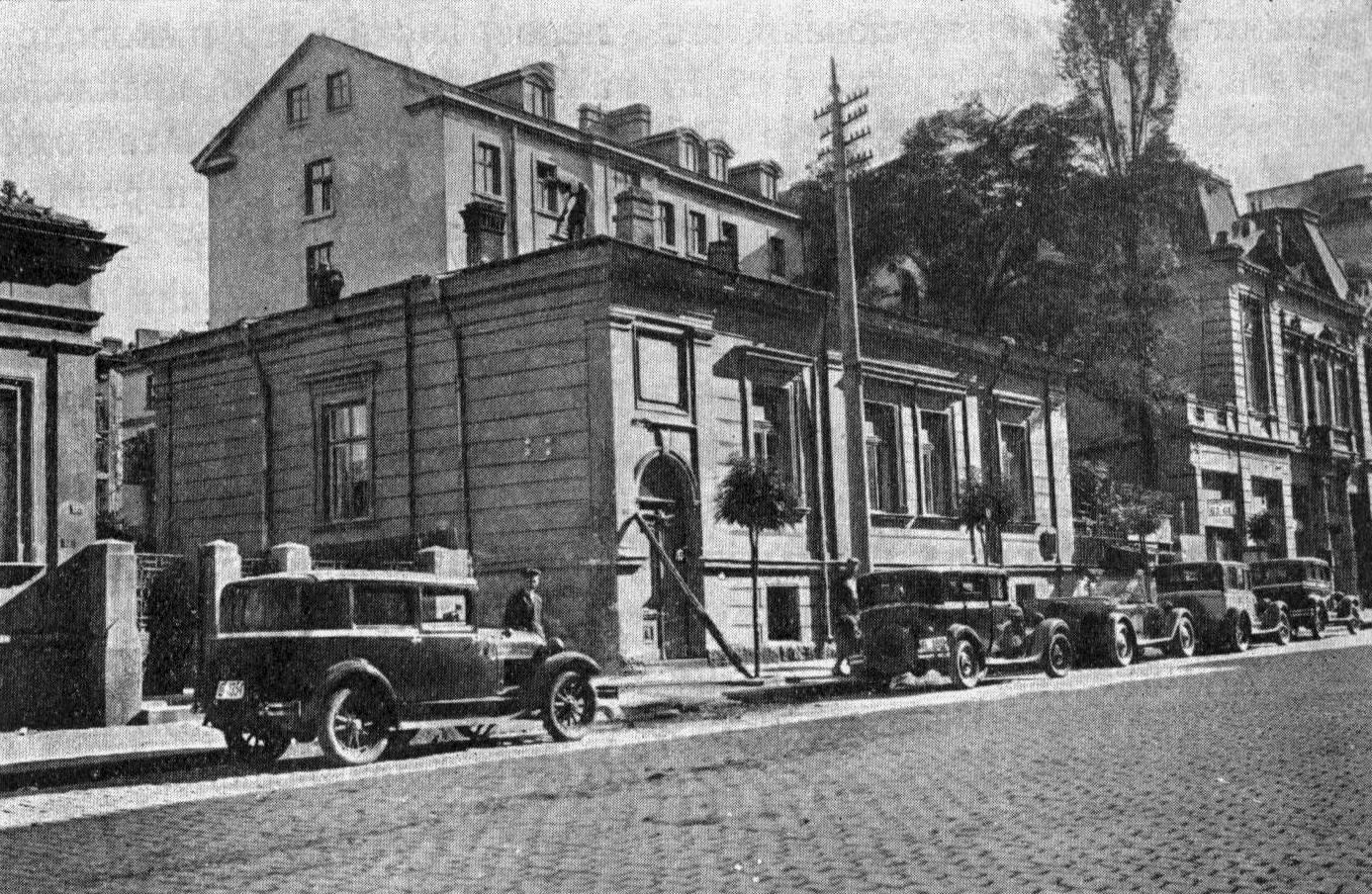
The Main Astronomical Point of Bulgaria is a scientific and historical landmark located in the heart of Sofia. Established in 1920, this monument represents Bulgaria’s commitment to geodesy, astronomy, and modernization. As the foundational reference for the country’s geodetic network, the site played a pivotal role in national mapping and infrastructure, while symbolizing Bulgaria’s integration into European scientific traditions. Today, the Main Astronomical Point is accessible year-round, free to the public, and surrounded by Sofia’s rich tapestry of cultural and historical sites. Whether you are a history buff, science enthusiast, or a curious traveler, this guide provides detailed information to optimize your visit.
Historical Background and Establishment
The Main Astronomical Point, sometimes called Bulgaria’s “Zero Meridian” or “Main Geodetic Point,” was established in 1920 by the Geographical Institute at the Ministry of War. This initiative reflected Bulgaria’s post-World War I modernization and the need for a unified geodetic reference to support national mapping, civil planning, and military operations (About Sofia; Bulgarian Academy of Sciences). Sofia was chosen for its central location and accessibility, making the site ideal for both scientific work and symbolizing national unity.
Scientific and National Significance
Role in Geodesy and Mapping
The Main Astronomical Point served as the origin for all national measurements, enabling precise latitude and longitude calculations and standardizing Bulgaria’s cartography. Its establishment allowed for accurate property delineation, infrastructure planning, and integration with European geodetic systems (Bulgarian Academy of Sciences).
Astronomical Heritage
Astronomical observations at the site anchored Bulgaria’s coordinate system. The associated National Astronomical Observatory in Sofia (operational until the early 1990s) fostered research, education, and public engagement. Today, the Astronomical Association Sofia continues this legacy, offering outreach, educational programs, and amateur astronomy activities (Astronomical Association Sofia).
Symbolic Value
Beyond its technical importance, the monument stands as a testament to Bulgaria’s scientific aspirations and its alignment with European standards in geodesy and astronomy. The site is frequently referenced in educational materials and scientific literature.
Architectural and Physical Features
The monument marking the Main Astronomical Point is durable and clearly inscribed, often bearing coordinates and institutional information. Informational plaques in both Bulgarian and English provide visitors with context about the point’s establishment, scientific role, and historical connections (About Sofia; Evendo). Periodic restoration ensures its preservation for future generations. The surrounding area is pedestrian-friendly and blends seamlessly with Sofia’s vibrant urban environment.
Integration with Sofia’s Urban Landscape
Situated near landmarks like the Alexander Nevsky Cathedral, Serdika Amphitheater, and National Palace of Culture, the Main Astronomical Point enriches Sofia’s cultural and scientific landscape (Discover Walks). The monument offers a unique intersection of science, history, and daily city life, providing visitors with an opportunity to engage with Bulgaria’s multifaceted heritage.
Visitor Information
Location and Accessibility
- Address: ulitsa 'Georgi S. Rakovski' 92, 1000 Sofia
- Coordinates: 42.6956819, 23.3303331
- How to Get There:
- By Public Transport: Tram lines 1, 5, and 10; Bus lines 83 and 94; Metro stations Serdika and National Palace of Culture (Evendo).
- On Foot: Easily walkable from the city center.
- By Car: Paid street parking is available; free on weekends (Travelling Buzz).
- By Taxi/Ride-Hailing: Bolt and Uber are readily available; typical fare from the city center is 10–15 BGN.
Visiting Hours and Tickets
- Hours: Open 24/7, as it is an outdoor monument.
- Tickets: No admission fee required (Evendo).
- Best Time to Visit: Daylight hours for safety and optimal viewing; spring and autumn offer the most pleasant weather (Nomadic Matt).
Facilities
- Restrooms: Available at nearby cafés and restaurants.
- Accessibility: Generally accessible for visitors with mobility needs, though some pavements may be uneven.
- Nearby Amenities: Surrounded by shops, hotels, and a range of dining options (Adventure Backpack).
Travel Tips
- Wear comfortable shoes for walking in the city center.
- Carry some cash (BGN) for small purchases or restroom fees (Lonely Planet).
- Most signage and plaques are bilingual; English-speaking guides are available for private tours.
Events, Guided Tours, and Educational Engagement
While the Main Astronomical Point itself does not regularly host guided tours, it is often included in thematic city walks and educational events organized by the Astronomical Association Sofia or local universities (Astronomical Association Sofia). Occasional public lectures, stargazing events, and temporary exhibitions enrich the visitor experience—check the official Sofia tourism website for updates.
Nearby Attractions in Sofia
- Alexander Nevsky Cathedral: A stunning example of Neo-Byzantine architecture.
- Hagia Sophia Church: One of Sofia’s oldest churches.
- Serdika Amphitheater: Ancient Roman ruins beneath the city center.
- National Museum of History: Offers a broader perspective on Bulgaria’s past.
- Vitosha Boulevard: Pedestrian street with shopping and dining.
Combining a visit to the Main Astronomical Point with these attractions will provide a fuller understanding of Sofia’s cultural and scientific legacy (Adventure Backpack).
Practical Visitor Tips
- Safety: Sofia is generally safe, but as in any city, keep an eye on your belongings in crowded areas (Destination Abroad).
- Weather: Pack accordingly for variable conditions in spring and autumn.
- Photos: The monument and its urban surroundings offer excellent photographic opportunities, especially at sunset.
- Local Customs: Respect the monument by not climbing or defacing it.
Frequently Asked Questions (FAQ)
Q: What are the visiting hours?
A: The Main Astronomical Point is accessible 24/7, but daylight hours are recommended for safety and to read displays.
Q: Is there an entrance fee?
A: No, visiting the site is free.
Q: Are guided tours available?
A: While not routinely offered at the monument itself, local organizations and walking tours may include the site (Astronomical Association Sofia).
Q: Is the site accessible for visitors with disabilities?
A: The area is generally accessible, but some pavements may be uneven. Taxis offer step-free access.
Q: What are the best nearby attractions?
A: Alexander Nevsky Cathedral, National Palace of Culture, and Vitosha Boulevard are all close by.
Visuals and Media Suggestions
- Include images of the Main Astronomical Point monument, close-ups of bilingual plaques, and panoramic shots of the surrounding cityscape.
- Alt text examples: “Main Astronomical Point of Bulgaria monument in Sofia city center,” “Informational plaque at the Main Astronomical Point explaining Bulgaria’s geodetic history,” “View of Sofia city center surrounding the Main Astronomical Point.”
- Interactive maps can help visitors plan routes to nearby historical sites.
Discover More
The Main Astronomical Point of Bulgaria stands as a powerful symbol of the nation’s journey in science, education, and modernization. Its central location, free access, and historical significance make it an essential stop for anyone exploring Sofia. To enhance your experience, download the Audiala mobile app for guided tours and real-time updates, and explore related resources to deepen your appreciation for Sofia’s scientific and cultural legacy.
Listen to the full story in the app
Your Personal Curator, in Your Pocket.
Audio guides for 1,100+ cities across 96 countries. History, stories, and local insight — offline ready.
Audiala App
Available on iOS & Android
Join 50k+ Curators
Sources
- verified
- verified
- verified
- verified
- verified
- verified
- verified
Last reviewed: