Plan and listen to Lions' Bridge with Audiala.
Audio guide in your pocket, itinerary in your browser. Built for the way you actually visit.
Introduction to Lions' Bridge
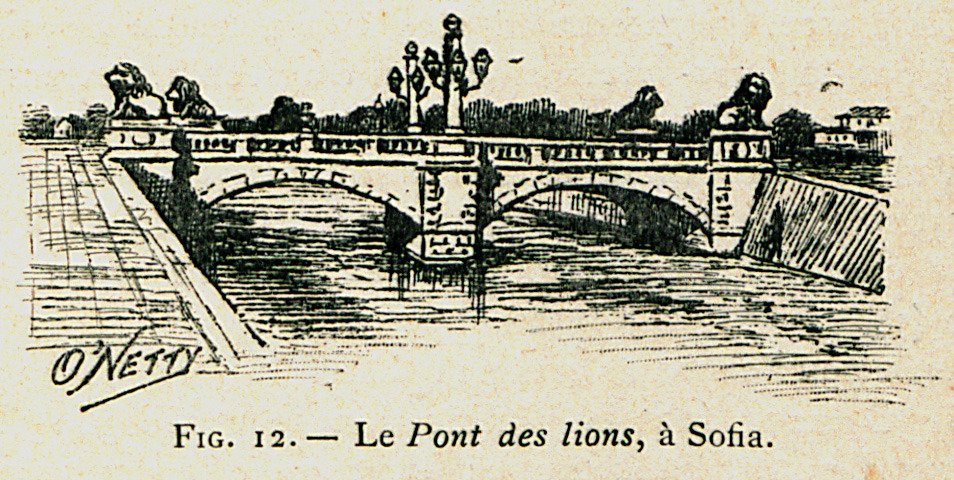
Nestled in the heart of Sofia, Bulgaria, Lions' Bridge (Lavov Most) is a historical and architectural gem that has stood the test of time. Constructed between 1889 and 1891, this iconic bridge not only serves as a vital link over the Vladayska River but also as a testament to Sofia's rich cultural and historical tapestry. Originally built to replace an older wooden structure, Lions' Bridge reflects the city's aspirations during a period of significant growth and modernization. The bridge, adorned with four majestic bronze lion sculptures, symbolizes strength, courage, and guardianship, adding a unique blend of Neo-Renaissance aesthetics to Sofia's urban landscape (source).
Lions' Bridge has witnessed numerous historical events, from the waning years of Ottoman rule to Bulgaria's journey to independence and beyond. Today, it stands as a pedestrian zone, offering a tranquil escape amidst the bustling city, surrounded by vibrant cafes, cultural spaces, and historical landmarks. This comprehensive guide explores the bridge's history, architectural marvels, and practical visitor information to help you fully appreciate its significance. Whether you're a history enthusiast, an architecture aficionado, or a curious traveler, Lions' Bridge offers a unique glimpse into Sofia's past and present (source).

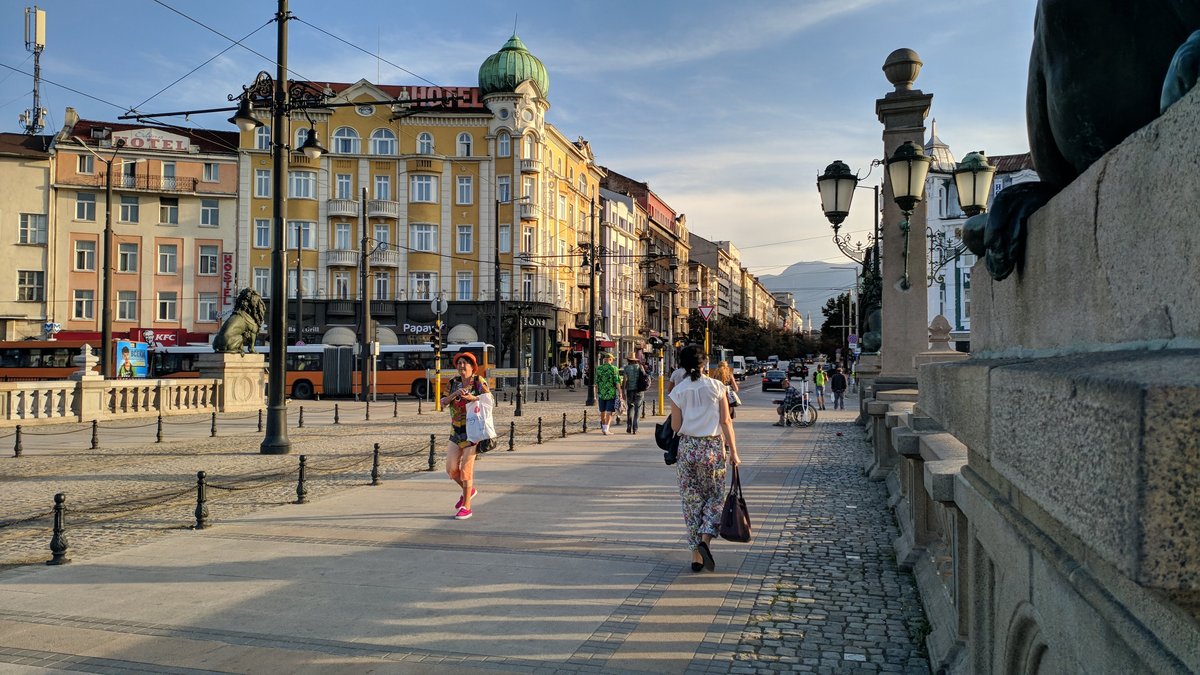
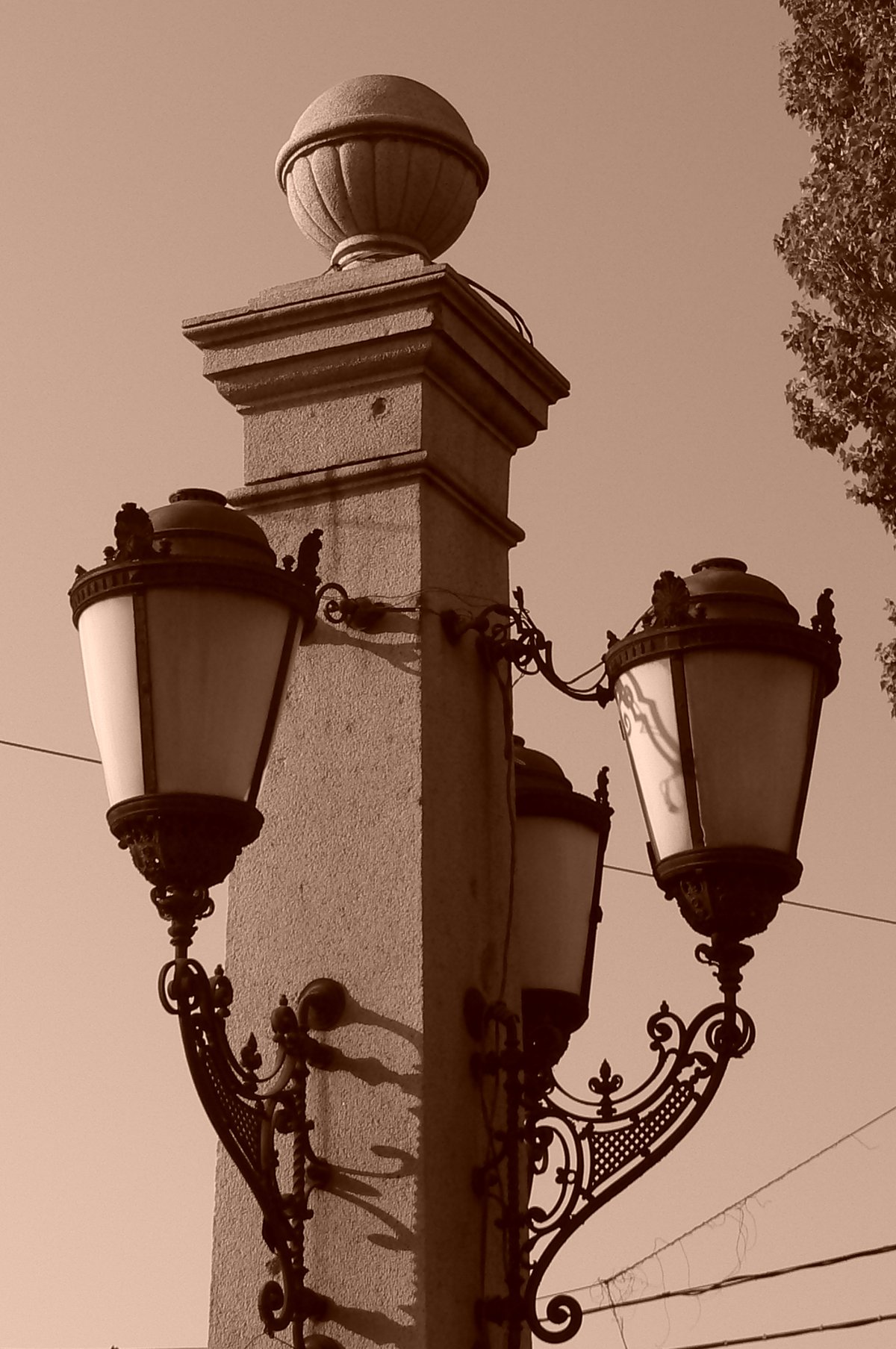
Lions' Bridge - History, Significance, and Visitor Information in Sofia
Ottoman Era Origins and Early Years
The story of Lions' Bridge begins in the mid-19th century during the waning years of Ottoman rule in Bulgaria. Sofia, then part of the Ottoman Empire, needed a modern bridge to replace an older, dilapidated wooden structure over the Vladayska River. This need arose from the city's growth and the increasing traffic along the important road connecting Vienna and Constantinople (present-day Istanbul).
In 1888, the Ottoman authorities commissioned the construction of a new bridge, involving a collaboration between Bulgarian and Ottoman architects and builders. The bridge's design reflected a blend of European architectural styles popular at the time, showcasing the gradual modernization efforts within the empire.
Completed in 1891, the bridge quickly became a vital artery in Sofia, facilitating trade and travel by connecting the city center to the southern neighborhoods. The bridge's construction marked a significant step in Sofia's urban development, paving the way for further modernization and expansion.
The Lions - Symbols of Strength and Guardians of the City
The bridge's most distinctive feature, and the source of its name, is the four imposing lion sculptures that grace its ends. These majestic figures, crafted from granite, stand as silent guardians, their presence adding a touch of grandeur to the structure.
Lions, throughout history, have symbolized strength, courage, and guardianship. Their inclusion in the bridge's design likely served a dual purpose: to imbue the structure with a sense of permanence and power and to act as symbolic protectors of the city. The lions, with their watchful gaze, became an integral part of Sofia's cityscape and a source of local pride.
From Ottoman Rule to Modern Times - A Bridge Through History
Lions' Bridge witnessed significant historical events as Bulgaria transitioned from Ottoman rule to an independent nation and beyond. The bridge stood as a silent observer to the jubilation of Bulgaria's liberation from Ottoman rule in 1908. It also bore witness to the tumultuous events of the 20th century, including two World Wars and the subsequent communist regime.
Despite the passage of time and the changing political landscape, Lions' Bridge remained a constant in Sofia's urban fabric. It continued to serve as a vital transportation link, connecting communities and facilitating the city's growth. The bridge's enduring presence through these historical shifts underscores its importance as a symbol of Sofia's resilience and adaptability.
Lions' Bridge Today - A Blend of History and Modernity
Today, Lions' Bridge stands as a testament to Sofia's rich history and its evolution into a modern European capital. No longer a primary thoroughfare for vehicles, the bridge has been transformed into a pedestrian zone, offering a tranquil escape from the bustling city.
The bridge's surroundings have also undergone a transformation. Once a bustling commercial area, the vicinity of Lions' Bridge now boasts a vibrant mix of cafes, restaurants, and cultural spaces. The area attracts both locals and tourists, drawn to its historical charm and lively atmosphere.
Practical Visitor Information
Visiting Hours - Lions' Bridge is accessible to pedestrians 24/7, allowing visitors to enjoy its beauty any time of day.
Tickets - There is no admission fee to visit Lions' Bridge.
Travel Tips - The bridge is easily accessible by public transport, including buses and trams. It is also within walking distance from central Sofia landmarks.
Nearby Attractions - Visitors can explore nearby attractions such as the Central Market Hall, the Sofia Synagogue, and the Banya Bashi Mosque, each offering a glimpse into Sofia's rich cultural tapestry.
Guided Tours - For a more in-depth experience, consider joining a guided tour that includes Lions' Bridge and other historical sites in Sofia.
Photographic Spots - The lions, with their majestic presence, provide excellent photo opportunities, especially during sunrise and sunset.
A Symbol of Sofia - More Than Just a Bridge
Lions' Bridge, with its rich history and architectural significance, has transcended its functional purpose to become an enduring symbol of Sofia. The bridge represents the city's Ottoman past, its journey to independence, and its transformation into a modern metropolis.
For locals, Lions' Bridge evokes a sense of nostalgia and pride. It serves as a reminder of their shared history and the city's ability to adapt and thrive through changing times. For visitors, the bridge offers a glimpse into Sofia's past and a chance to connect with the city's unique character.
FAQ
What are the visiting hours for Lions' Bridge? Lions' Bridge is open to pedestrians 24/7.
Are there any entrance fees for Lions' Bridge? No, visiting Lions' Bridge is free of charge.
How can I reach Lions' Bridge? The bridge is accessible by various modes of public transport, including buses and trams. It's also within walking distance from central Sofia landmarks.
Are guided tours available for Lions' Bridge? Yes, guided tours are available and often include Lions' Bridge as part of a broader historical tour of Sofia.
Stay up to date with the latest travel tips and historical insights by following our social media channels or downloading our mobile app, Audiala. Explore more historical sites in Sofia and immerse yourself in the rich cultural heritage this city has to offer.
Summary of Key Points
Lions' Bridge, with its rich history and architectural grandeur, transcends its primary function as a crossing over the Vladayska River. It has become an enduring symbol of Sofia's resilience, cultural heritage, and architectural evolution. From its origins in the Ottoman era to its current status as a pedestrian haven, the bridge encapsulates the city's spirit and adaptability through changing times (source).
For locals, Lions' Bridge evokes a sense of pride and nostalgia, while for visitors, it offers a unique opportunity to connect with Sofia's historical essence. The surrounding area, with its mix of historical sites, cultural spaces, and modern amenities, provides a well-rounded experience for all. As you explore Lions' Bridge and its vicinity, you'll find yourself immersed in the vibrant tapestry of Sofia's past and present. Whether you're capturing the perfect photograph, enjoying a guided tour, or simply soaking in the serene atmosphere, Lions' Bridge promises an unforgettable experience. Plan your visit and discover the enduring charm of this iconic landmark (source).
Listen to the full story in the app
The whole Lions' Bridge,
told well.
Audio guides for 1,100+ cities across 96 countries. History, stories, and local insight — offline ready.
Verified, and shown.
Researched and written by the Audiala editorial team from historical records, architectural archives, and local expertise.
Researched from Wikidata, Wikipedia & official sources · fact-checked · How we make our guides →