Plan and listen to Ivan Vazov National Theatre with Audiala.
Audio guide in your pocket, itinerary in your browser. Built for the way you actually visit.
Introduction
Nestled in the heart of Sofia, the Ivan Vazov National Theatre stands as a timeless emblem of Bulgaria’s cultural identity and artistic excellence. Established in the early 20th century—following Bulgaria’s liberation from Ottoman rule—the theatre has grown into the country’s oldest and most prestigious performing arts institution. Its neoclassical architecture, created by Viennese architects Hermann Helmer and Ferdinand Fellner, merges European artistic traditions with Bulgarian national symbolism, making it a top destination for history lovers, architecture enthusiasts, and theatre aficionados.
Throughout its history, the theatre has withstood fires, wars, and political upheavals, emerging each time as a beacon of resilience and creativity. Today, visitors can explore its opulent main hall, intimate chamber stages, and witness a dynamic repertoire featuring both Bulgarian and international masterpieces. Its central location next to Sofia’s City Garden places it at the heart of the city’s cultural tourism circuit, alongside landmarks like the National Art Gallery and Alexander Nevsky Cathedral.
This comprehensive guide covers everything you need to know about visiting the Ivan Vazov National Theatre: its history, significance, architectural highlights, visiting hours, tickets, accessibility, and travel tips. Whether you plan to attend a performance, take a guided tour, or simply admire its grandeur, the theatre provides a captivating window into Bulgaria’s rich artistic heritage (nationaltheatre.bg; balkankaleidoscope.com; sofia-bulgaria.com).

Founding and Early Development (1904–1907)
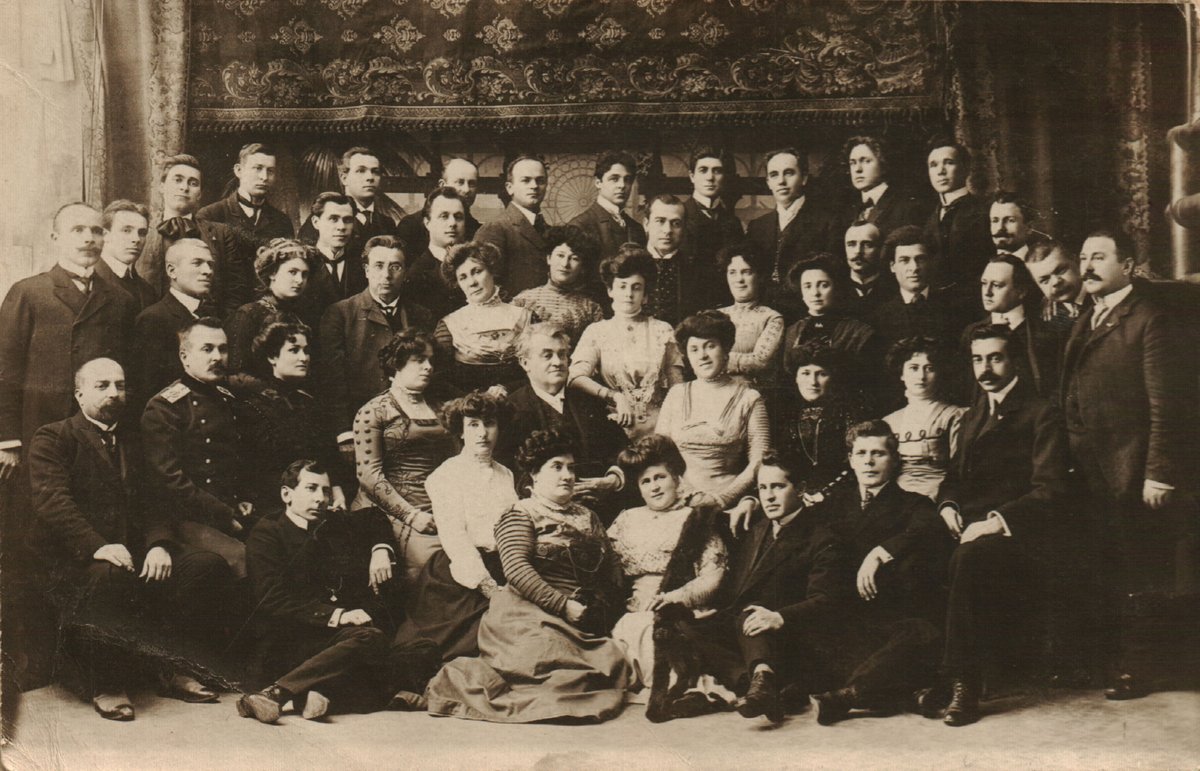
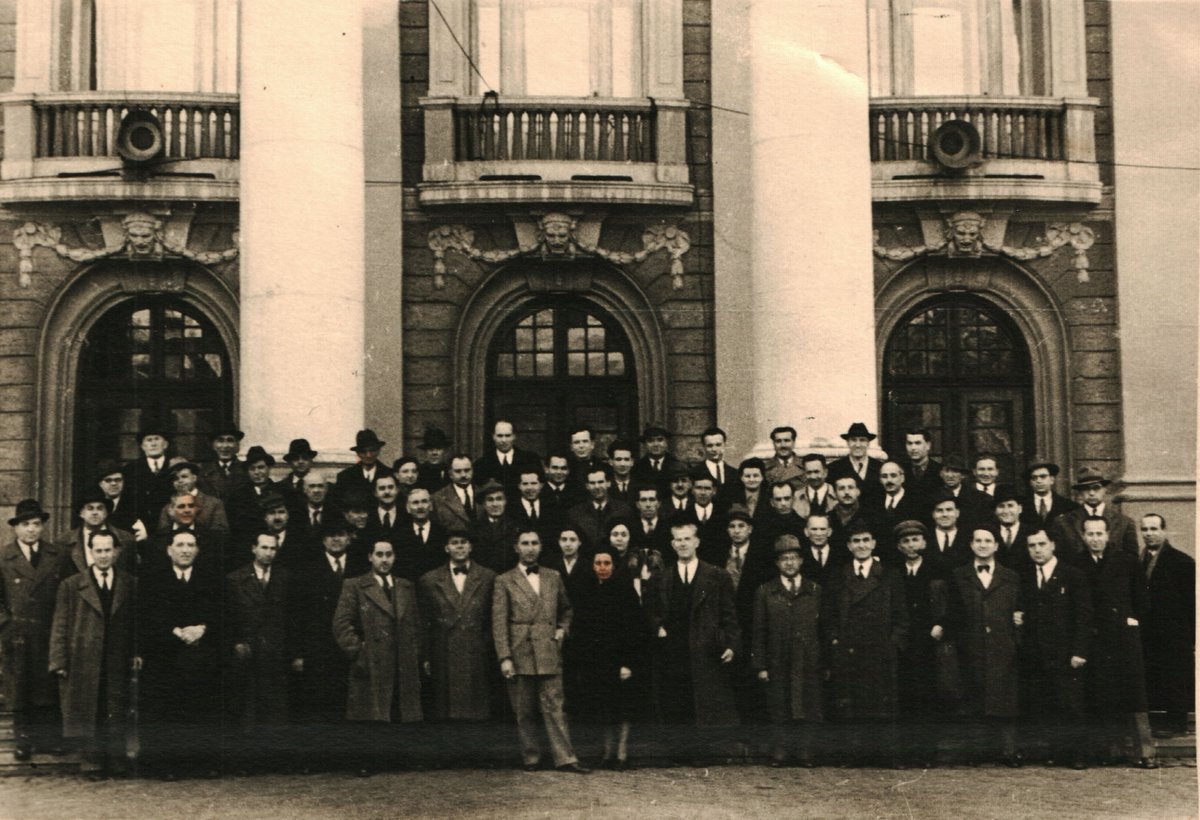
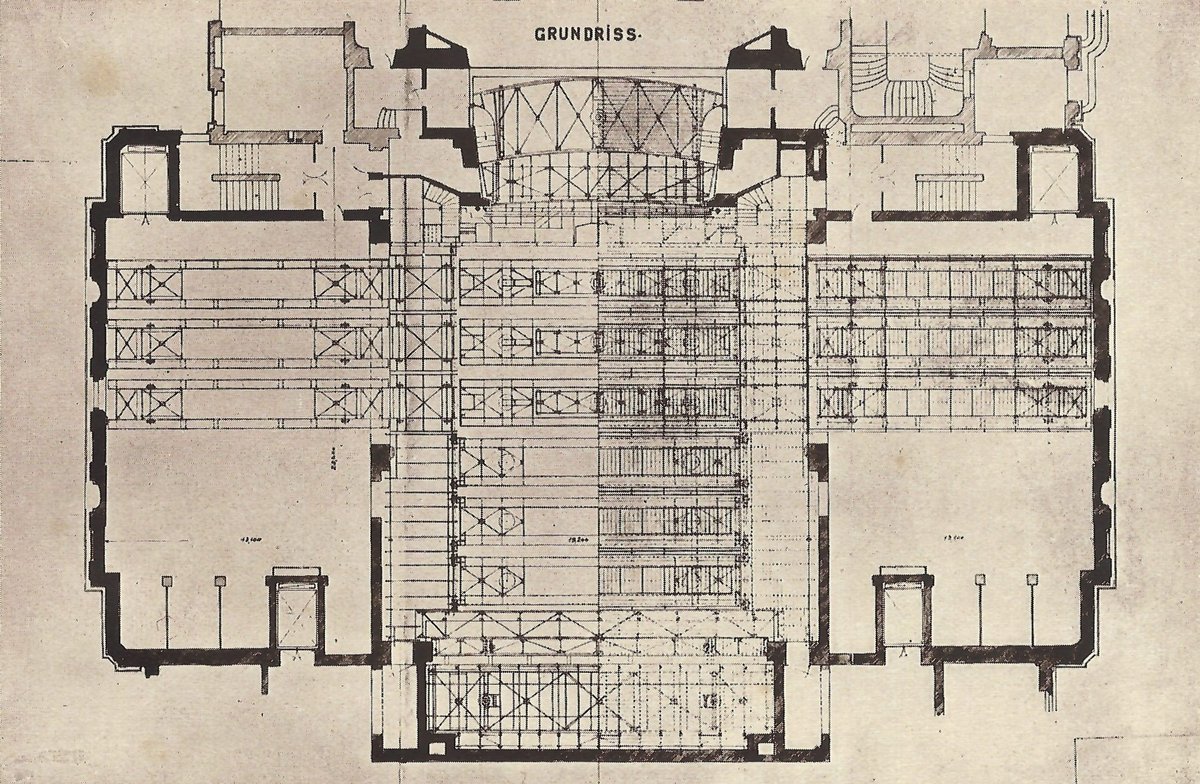
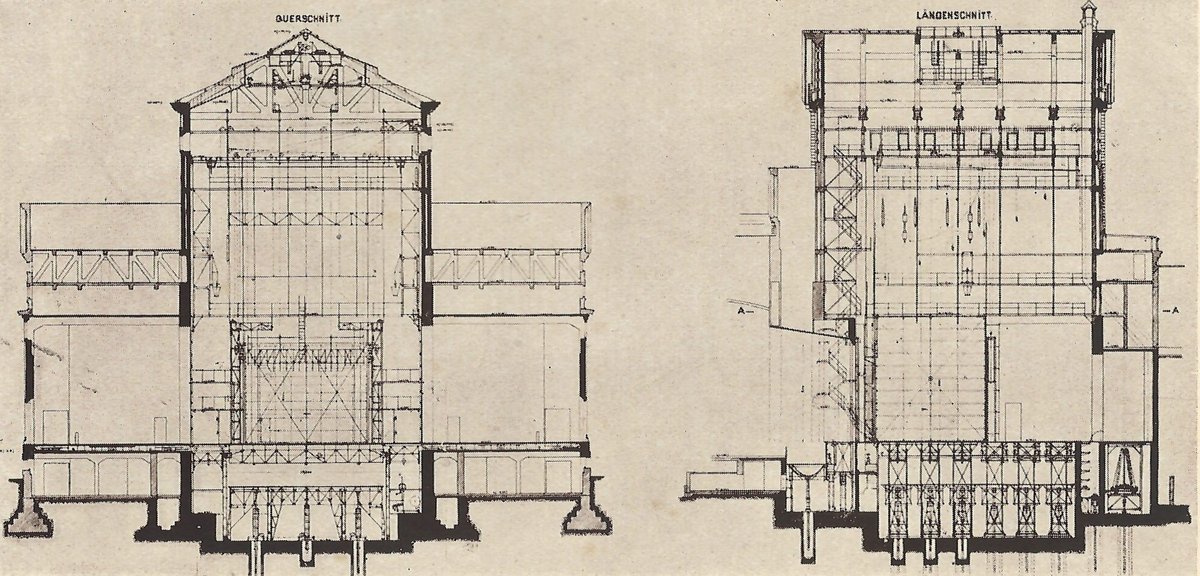
The Ivan Vazov National Theatre was founded in 1904, spearheaded by Minister of Education Prof. Ivan Shishmanov, who transformed the “A Tear and Laughter” (Salza i Smyah) theatre company into a state institution (nationaltheatre.bg). This move answered the call for a national stage to embody Bulgaria’s new identity after its liberation in 1878. Construction began in 1904 on the grounds of the former Osnova playhouse. The building’s neoclassical design, the work of Viennese architects Helmer and Fellner, was completed in 1906 (theatre-architecture.eu). The official opening was held on January 3, 1907, with Ivan Vazov’s play “The Outcasts” (bulgaria-infoguide.com).
Naming and Ivan Vazov’s Legacy
Shortly after its opening, the theatre was named after Ivan Vazov (1850–1921), the “Patriarch of Bulgarian Literature.” Vazov’s enduring support for the institution and his literary legacy cemented the theatre’s role in shaping Bulgarian culture (nationaltheatre.bg).
Architectural Evolution and Reconstruction
The theatre’s neoclassical building quickly became a national symbol but suffered a major fire in 1923 (spottinghistory.com). German architect Martin Dülfer led the restoration, completed in 1929, preserving its original features and introducing modern stage technologies (theatre-architecture.eu). World War II brought further damage, but post-war efforts allowed performances to resume in 1945 (about-sofia.com). A significant modernization in the 1970s added the Chamber Stage and new artistic elements, including Ivan Kirkov’s Phoenix curtain (about-sofia.com).
Artistic and Cultural Significance
From its inception, the Ivan Vazov National Theatre has nurtured Bulgaria’s greatest actors, directors, and playwrights (nationaltheatre.bg). Its repertoire balances national drama and international works, serving as a platform for premieres and artistic experimentation (europeantheatre.eu; guidebg.com).
The Theatre in Modern Times
Today, the theatre boasts three stages—the Main Stage (750–780 seats), Chamber Hall (120–135 seats), and “Apostol Karamitev” stage (70–88 seats)—and is a fixture on Bulgaria’s 50-lev banknote (wikipedia; sofia-guide.com). Renowned directors and actors, such as Alexander Morfov, keep its artistic spirit alive (thecrazytourist.com; europeantheatre.eu).
The Ivan Vazov National Theatre as a Cultural Landmark
Located at the edge of Sofia’s City Garden, the theatre is a gathering place for locals and tourists. Its continuous operation since 1907 and its symbolic lions, domes, and façade make it one of the city’s most photographed sites (guidebg.com; cestee.com). The theatre has mirrored Bulgaria’s evolution, enduring social and political changes while championing the arts (nationaltheatre.bg).
Cultural Significance
The Theatre’s Role in Shaping Bulgarian National Consciousness
Founded during Bulgaria’s national revival, the theatre became a hub for expressing the country’s values and aspirations. Its inaugural performance of Vazov’s “Hushove” was a cultural milestone (balkankaleidoscope.com), and subsequent productions have cemented its role as a guardian of Bulgarian dramatic heritage.
A Platform for Artistic Innovation and Exchange
The Ivan Vazov National Theatre has consistently integrated Bulgarian classics with international masterpieces, introducing local audiences to works by Ibsen, Chekhov, and Strindberg (balkankaleidoscope.com).
Symbol of Resilience and Rebirth
The theatre’s survival and renewal after fires and war damage, symbolized by the Phoenix curtain, mirrors the resilience of the Bulgarian nation (balkankaleidoscope.com).
Architectural and Artistic Heritage
The building’s neoclassical exterior and richly decorated interiors, with contributions from both European and Bulgarian artists, make it a unique fusion of traditions (eoiestepona.org; balkankaleidoscope.com).
Nurturing Generations of Bulgarian Talent
Hosting around 600 performances and 10 premieres each season, the theatre is a launching pad for Bulgaria’s leading actors and directors (balkankaleidoscope.com).
Cultural Diplomacy and International Recognition
The theatre participates in major festivals and international collaborations, including the annual Sofia Theater Festival (touristplaces.guide).
A Living Space for Civic Engagement and Social Reflection
As a forum for public discourse, the theatre addresses themes of identity and social change, and its central location makes it a popular gathering spot (eoiestepona.org).
Nearby Attractions and Travel Tips
The theatre’s proximity to Sofia’s key landmarks—such as the City Garden, National Art Gallery, and Alexander Nevsky Cathedral—makes it easy to combine with other cultural explorations.
Frequently Asked Questions (FAQ)
Q: What are the Ivan Vazov National Theatre visiting hours?
A: Tuesday to Sunday from 10:00 AM to 6:00 PM; evening performances typically start at 7:30 PM.
Q: How do I buy tickets?
A: Tickets are available online via the official website or at the box office.
Q: Is the theatre accessible?
A: Yes, with ramps and services for people with disabilities.
Q: What is the seating capacity?
A: Main Stage: 750–780, Chamber Stage: 120–135, Fourth Floor Stage: 70–88.
Q: Are there special events?
A: The Sofia Theater Festival in May is a highlight.
Visiting the Ivan Vazov National Theatre
Neoclassical Grandeur: Exterior Design and Symbolism
The theatre is a showpiece of neoclassical architecture, with a harmonious façade featuring six Corinthian columns, a grand pediment, and statues of Apollo and the muses (sofia-bulgaria.com). Its image appears on the Bulgarian 50-lev banknote, reflecting its national significance.
Interior Splendor: The Main Hall and Stages
Inside, the main hall seats 750 and dazzles with red velvet, gilded ornamentation, and a grand chandelier (sofia-bulgaria.com). Smaller stages support a diverse repertoire, and decorative details blend neoclassical and Bulgarian motifs (playsinternational.org.uk).
Restoration and Resilience: Architectural Preservation
Major restorations after the 1923 fire and WWII bombing preserved the original style while adding modern amenities (sofia-bulgaria.com).
Artistic Details and Symbolic Elements
Mythological reliefs, allegorical ceiling paintings, and portraits of cultural figures celebrate the arts throughout the theatre (playsinternational.org.uk).
Practical Visitor Information
Visiting Hours
- General Opening: 10:00 AM to 6:00 PM, Tuesday to Sunday.
- Box Office: Monday–Friday 9:30 AM–7:30 PM; weekends 11:30 AM–7:30 PM.
- Performances: Evening shows usually at 7:30 PM; check official schedule.
Tickets
- Purchase: Online via the official website or at the box office.
- Prices: Vary by production and seat; discounts for students, seniors, and groups.
COVID-19 Guidelines
- Check the theatre's website for current safety policies.
Accessibility
- Ramps, wheelchair seating, accessible restrooms, and staff assistance available (sofia-bulgaria.com).
Getting There and Parking
- Centrally located at 5 Dyakon Ignatiy Street, reachable by foot, tram, or bus. Limited on-site parking; public lots nearby.
Best Times to Visit
- Weekday afternoons and matinees for fewer crowds; late afternoon for best exterior photography.
Photography Tips
- Photography allowed outside and in public areas; prohibited during performances.
Nearby Attractions
- City Garden, National Art Gallery, Alexander Nevsky Cathedral, National Museum of Natural History, Saint Nedelja Church (triphobo.com).
Visitor Guide: Hours, Tickets, and Travel Tips
Location and Accessibility
The theatre’s central setting makes it pedestrian-friendly; about 62% of visitors arrive on foot (triphobo.com). Multiple public transport stops nearby; fully accessible for those with mobility needs.
Box Office Hours and Ticketing
Box office is open Monday–Friday 9:30 AM–7:30 PM, weekends 11:30 AM–7:30 PM (nationaltheatre.bg). Advance booking recommended, especially for premieres and festivals.
Performance Schedule and Language
Performances run year-round, primarily in Bulgarian, with occasional English surtitles for major works (nationaltheatre.bg).
Visitor Flow and Best Times to Visit
Peak hour is 2–3 PM; typical visit lasts around three hours. Early mornings and weekday afternoons are quieter.
Architectural and Interior Highlights
The theatre’s façade and interiors are architectural highlights; guided tours are sometimes available (triphobo.com).
Amenities and Surroundings
Surrounded by the City Garden and close to many cafés and restaurants; restrooms available for ticket holders.
Dress Code and Visitor Etiquette
Smart casual attire recommended; late entry may not be permitted. Respectful behavior is expected.
Duration of Visit and Nearby Attractions
Plan for a 2–3 hour visit, with time to explore nearby historical sites and gardens.
Seasonal Considerations and Weather
Best experienced in spring or autumn when gardens are at their most pleasant (wanderlog.com).
Booking Tips and Recommendations
- Book tickets early, especially for popular shows.
- Check for English-language performances or surtitles.
- Combine with visits to nearby attractions.
- Contact ahead for accessibility needs.
Frequently Asked Questions (FAQ)
Q: What are the box office hours?
A: Monday–Friday 9:30 AM–7:30 PM; weekends 11:30 AM–7:30 PM.
Q: How do I buy tickets?
A: Online via official website or at the box office.
Q: Are performances in English?
A: Most are in Bulgarian; some productions offer English surtitles.
Q: Is the theatre wheelchair accessible?
A: Yes; contact in advance for specific needs.
Q: What other attractions are nearby?
A: City Garden, National Art Gallery, Alexander Nevsky Cathedral, National Museum of Natural History, Saint Nedelja Church.
Listen to the full story in the app
The whole Ivan Vazov National Theatre,
told well.
Audio guides for 1,100+ cities across 96 countries. History, stories, and local insight — offline ready.
Verified, and shown.
Researched and written by the Audiala editorial team from historical records, architectural archives, and local expertise.
Researched from Wikidata, Wikipedia & official sources · fact-checked · How we make our guides →