Introduction: The Legacy of Ilarion Makariopolski
In the heart of Sofia, Bulgaria, the Ilarion Makariopolski Memorial stands as a powerful tribute to one of the nation’s foremost ecclesiastical and cultural leaders. Born Stoyan Stoyanov Mihaylovski (1812–1875), Ilarion Makariopolski played a transformative role during the Bulgarian National Revival. His tireless advocacy for ecclesiastical independence from the Greek-dominated Ecumenical Patriarchate led to the creation of the Bulgarian Exarchate in 1870, igniting a movement that would shape Bulgaria’s modern national identity (Wikiwand; nauka.bg).
The memorial, set near the Holy Synod building and Synodal Palace, is more than a monument—it is a symbol of resilience, faith, and cultural pride. Open 24/7 and free to the public, it invites locals and visitors alike to reflect on Bulgaria’s journey toward autonomy and self-determination. Its proximity to landmarks such as the Alexander Nevsky Cathedral and the National Art Gallery makes it a central destination for anyone seeking to explore Sofia’s rich tapestry of historical sites (suewherewhywhat.com; bulgariafocus.com).
In this guide, you’ll find detailed information on the memorial’s history, design, visiting hours, accessibility, nearby attractions, and practical tips—ensuring your visit is both meaningful and memorable. Enhance your experience further by using resources such as the Audiala app, which provides guided audio tours and up-to-date visitor information (Audiala).
Historical Background
Ilarion Makariopolski’s influence on Bulgarian history is profound. As a leading cleric and activist during the National Revival, he spearheaded the movement for ecclesiastical independence, culminating in the founding of the Bulgarian Exarchate. His actions, most notably the “Easter Action” of 1860—when he openly rejected the authority of the Greek Patriarch—became a turning point in the national consciousness. Despite facing exile and opposition, his commitment paved the way for the modern Bulgarian Orthodox Church and inspired the nation’s cultural and religious revival (Wikiwand).
The Memorial: Location, Design, and Artistic Features
Location
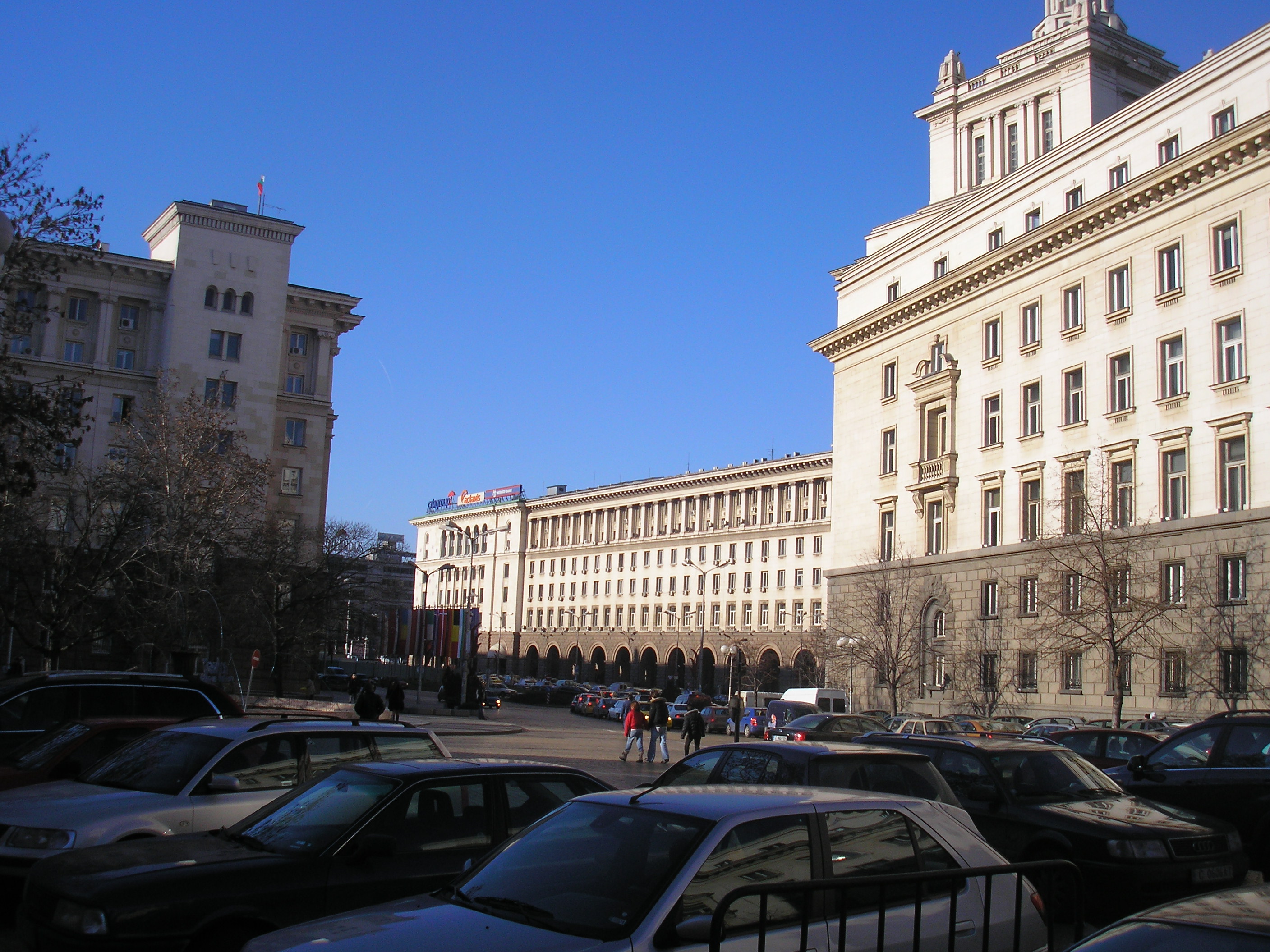
The Ilarion Makariopolski Memorial is prominently located at 1 Shipka Street, Sofia, directly opposite the Holy Synod building and adjacent to the Synodal Palace (nauka.bg). This setting places it within Sofia’s historical core, a short walk from the Alexander Nevsky Cathedral.
Design and Artistic Features
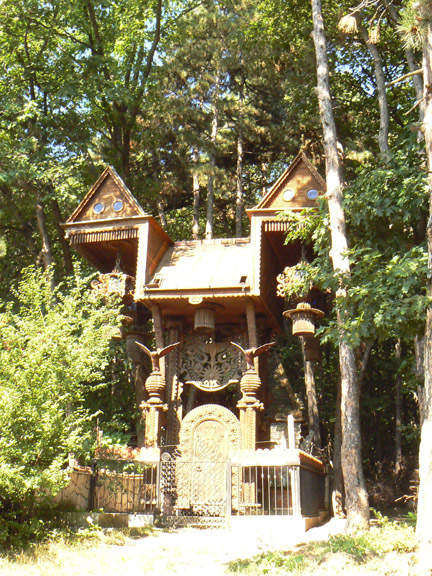
Erected in 1924 by renowned Bulgarian sculptors Alexander Andreev and Kiselinchev, the memorial’s design is inspired by Orthodox ecclesiastical art. Its iconostasis-like form features a dignified bronze bas-relief of Makariopolski in full episcopal regalia, set on a white Vratsa stone slab. The monument’s inscriptions and traditional Bulgarian motifs reinforce its dual religious and national symbolism. The landscaped area, with benches and mature trees, creates a peaceful space for reflection.
Informational plaques at the base provide details about Makariopolski’s life; while these are primarily in Bulgarian, guided tours and digital resources are available for international visitors (suewherewhywhat.com).
Visiting Information
Hours & Tickets
- Open: 24 hours, every day of the year.
- Admission: Free; no tickets required.
Accessibility
- Wheelchair Accessible: Level sidewalks and no barriers.
- Public Transport: Easily reached by Sofia Metro (“Sofia University St. Kliment Ohridski” station), tram, or bus. The area is also pedestrian-friendly.
Guided Tours & Events
- Guided Tours: Many Sofia walking tours include the memorial, providing historical context in English and other languages.
- Commemorative Events: The site is a focal point for ceremonies and cultural events, especially on anniversaries related to Bulgaria’s ecclesiastical and national history.
Photography & Facilities
- Photography: Permitted and encouraged. Best lighting is during early morning or late afternoon.
- Amenities: Nearby cafés, restaurants, and public restrooms are accessible within walking distance. Souvenir shops and bookstores offer materials on Bulgarian history and culture.
Cultural Significance & Community Engagement
The memorial’s importance extends beyond its architectural features. It stands as a testament to Bulgaria’s fight for religious and cultural autonomy, embodying the resilience and unity of the Bulgarian people. Annual commemorations, religious services, and public ceremonies reinforce its role as a site of collective memory (Wikiwand).
Local organizations and the Bulgarian Orthodox Church actively maintain the site and organize public events, ensuring that Makariopolski’s legacy continues to inspire new generations.
Integration with Sofia’s Historical Landscape
The memorial is embedded within Sofia’s network of significant landmarks, including the Alexander Nevsky Cathedral, Saint Sofia Basilica, Russian Church, and the Ancient Serdica Archaeological Complex. This proximity allows visitors to explore multiple facets of Bulgaria’s religious, political, and cultural history on foot (Balkan Trails).
Nearby Attractions
- Alexander Nevsky Cathedral: A masterpiece of Neo-Byzantine architecture and a symbol of Bulgaria.
- Saint Sofia Basilica: One of the oldest churches in the city.
- National Gallery: Showcasing the evolution of Bulgarian art (nationalgallery.bg).
- Central Mineral Baths & Ancient Serdica: Explore Sofia’s Roman roots and spa culture.
Practical Tips for Visitors
- Best Times to Visit: Spring and autumn offer mild weather and vibrant city parks.
- Safety: Sofia is generally safe; standard precautions against petty theft are advised (wildjunket.com).
- Etiquette: Maintain a respectful demeanor, particularly during ceremonies.
- Language: Bulgarian is official, but English is spoken in many tourist areas. Use translation apps or guides for deeper engagement.
- Facilities: While the memorial itself lacks facilities, numerous cafés, public restrooms, and shops are nearby.
Frequently Asked Questions (FAQ)
Q: Do I need a ticket to visit the Ilarion Makariopolski Memorial?
A: No, the memorial is free and open to the public at all times.
Q: Is the memorial accessible for people with disabilities?
A: Yes, the site is wheelchair accessible with level walkways.
Q: Are guided tours available?
A: Yes, many guided tours in Sofia include the memorial. Check with local operators or tourist centers.
Q: Can I take photos at the memorial?
A: Yes, photography is permitted.
Q: What other landmarks are nearby?
A: The Alexander Nevsky Cathedral, Saint Sofia Basilica, National Gallery, and Ancient Serdica Archaeological Complex are within walking distance.
Visuals and Media Suggestions
- Memorial Photos: Capture the bronze bas-relief, inscriptions, and surrounding landscape (alt: "Ilarion Makariopolski Memorial in Sofia").
- Context Shots: Include images of nearby landmarks to highlight the memorial’s central location.
- Interactive Maps: Use digital tools or the Audiala app for virtual tours and navigation.
Discover More
The Ilarion Makariopolski Memorial is more than a monument—it is a living testament to Bulgaria’s enduring spirit, faith, and national awakening. Its strategic location, ease of access, and cultural resonance make it an essential stop for anyone exploring Sofia. To enrich your journey, combine your visit with nearby historical sites and utilize digital resources like the Audiala app for audio guides and walking tours.
Plan your visit today, immerse yourself in Bulgaria’s vibrant heritage, and discover the legacy of a leader who helped shape the nation’s destiny. Stay updated on events and visitor information through official tourism channels and social media.
Listen to the full story in the app
Your Personal Curator, in Your Pocket.
Audio guides for 1,100+ cities across 96 countries. History, stories, and local insight — offline ready.
Audiala App
Available on iOS & Android
Join 50k+ Curators
Sources
- verified
- verified
- verified
- verified
- verified
- verified
- verified
Last reviewed: