Introduction: Discovering Gorublyane, Sofia
Gorublyane, set in the southeastern part of Sofia, Bulgaria, is a historic neighborhood where rural heritage coexists with the city’s dynamic urban expansion. Formerly an independent village dating back to at least the 15th century, Gorublyane’s name—derived from words meaning “forest in the field”—reflects its once-wooded setting amidst open plains. Over centuries, Gorublyane evolved through Ottoman rule, Bulgaria’s National Revival, and 20th-century modernization, before officially joining Sofia in 1978. Today, it offers visitors a window into authentic Bulgarian culture, traditional architecture, and tranquil green spaces, while serving as a convenient base for exploring Sofia’s major historical and natural attractions, including Vitosha Mountain.
Though Gorublyane lacks ticketed monuments or fixed visiting hours, its vibrant community center (“chitalishte”), Orthodox churches, and traditional festivals like Survakarstvo and Lazaruvane create a rich cultural experience. Its strategic position near major transport arteries and business hubs makes it easily accessible and ideal for travelers interested in history, culture, and urban life. This comprehensive guide explores Gorublyane’s history, cultural significance, visitor tips, and nearby points of interest, providing essential information for a memorable visit. For more details, consult resources such as the About Sofia community center page, The Tourist Checklist, and urban development insights from K Insights.
- Introduction to Gorublyane
- Historical Overview
- Why Visit Gorublyane?
- Key Attractions & Practical Visiting Information
- Gorublyane’s Cultural Life
- Travel Tips & Visitor FAQ
- Summary & Final Tips
- References & Official Sources
Early Origins and Etymology
Gorublyane traces its origins back centuries, with references in the Zograf Monastery commemorative book (1526–1728) and even earlier records as “Koruble” (1420). The name blends “koria” (“forest”) and “blana” (“meadow”), a testament to its original landscape. The settlement historically centered around livestock, particularly sheep breeding in the 16th century (About Sofia).
From Ottoman Rule to Modern Sofia
During the Ottoman period, Gorublyane maintained its rural character and traditions, despite external pressures. The village’s residents were active during Bulgaria’s National Revival and contributed to the Macedonian-Adrianopolitan Volunteer Corps during the Balkan War of 1912. Post-liberation reforms and proximity to Sofia prompted modernization and eventual incorporation into the capital in 1978, bringing improved infrastructure and urban development (K Insights).
2. Why Visit Gorublyane?
Urban Expansion and Strategic Location
Gorublyane’s location near Sofia’s Ring Road and Tsarigradsko Shose Boulevard offers swift access to both the city center and outlying regions. It is adjacent to neighborhoods like Mladost and Druzhba, and close to Business Park Sofia. As Sofia grows, Gorublyane exemplifies the city’s blend of tradition and modernization, with recent urban planning initiatives focusing on sustainable growth and green space preservation.
Cultural and Socioeconomic Appeal
With its mix of traditional village charm and contemporary living, Gorublyane attracts a diverse population. Local festivals, community events, and Orthodox celebrations provide authentic cultural experiences for visitors (About Sofia).
3. Key Attractions & Practical Visiting Information
Local Landmarks
- St. George Church (“Св. Георги”): An early 20th-century Orthodox church serving as a spiritual and cultural hub. Open during services and community events; no admission fee.
- Gorublyane Park: A central green space with walking paths and playgrounds, open year-round and free to enter.
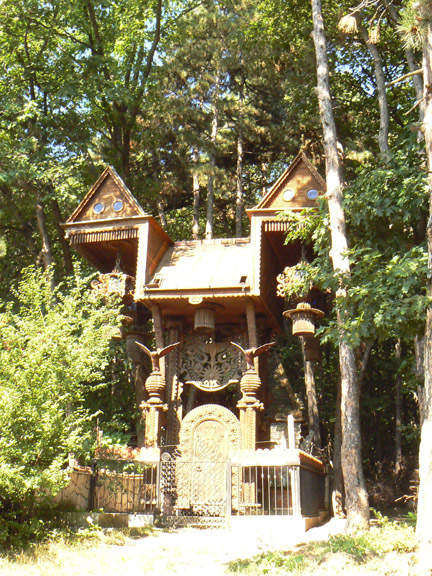
- Traditional Houses: Explore streets with preserved homes and gardens reflecting the area’s village roots.
Proximity to Sofia’s Top Attractions
- Alexander Nevsky Cathedral: One of the Balkans’ largest Orthodox cathedrals. Open daily 7:00 AM–7:30 PM, free entry (donations welcome) (The Crazy Tourist).
- Boyana Church: UNESCO World Heritage site, open Tuesday–Sunday 9:30 AM–5:30 PM. Tickets: 10 BGN/adult (The Tourist Checklist).
- Banya Bashi Mosque: Open for visitors outside Friday prayers, free admission (Bulgaria Focus).
- Vitosha Mountain: Ideal for hiking and skiing; accessible by public transport or car (Wide World Trips).
- Borisova Garden: Sofia’s oldest park, open 6:00 AM–10:00 PM (HikersBay).
Visiting Hours & Tickets
- Gorublyane’s parks and churches are open year-round, generally 8:00 AM–6:00 PM, free of charge.
- Major Sofia landmarks nearby have specific opening hours and may require tickets; check official websites for updates.
Guided Tours
While Gorublyane itself is rarely a standalone tour destination, many Sofia tours include adjacent heritage sites. Custom tours can be arranged through Sofia’s tourism offices.
Photography Tips
Capture Gorublyane’s blend of old and new architecture, green spaces, and local festivals. Vitosha Mountain offers spectacular panoramas of Sofia and its neighborhoods.
4. Gorublyane’s Cultural Life
Community Center (“Chitalishte”)
The chitalishte is the heart of Gorublyane’s cultural activity, hosting language, music, and dance classes, art workshops, public lectures, and seasonal festivals (About Sofia).
Traditional Celebrations and Folklore
- Survakarstvo: Children visit homes on New Year’s Day with decorated branches, wishing health and luck (Bulgaria Hidden Gems).
- Lazaruvane: Young women sing and dance in spring for fertility and fortune.
- Martenitsa: In March, red-and-white bracelets are exchanged for health and prosperity.
Religious and Arts Events
Orthodox festivals, concerts, folk dance, and art exhibitions are frequent, offering visitors immersive cultural experiences.
Gastronomy
Sample banitsa, shopska salad, grilled meats, and seasonal produce at local bakeries and taverns. Central Sofia’s Zhenski Pazar (Women’s Market) is nearby for fresh foods (The Tourist Checklist).
5. Travel Tips & Visitor FAQ
Getting There and Around
- Public Transport: Gorublyane is accessible by bus, tram, and the nearby Business Park metro station; metro tickets: ~1.60 BGN (Travelling Buzz).
- By Car: Easily reached via Sofia Ring Road and Trakia Motorway. Parking is available and less restricted than the city center (Travelling Buzz).
- Cycling/Walking: Suitable for short walks and cycling in parks and quieter streets.
Accommodation & Dining
Gorublyane has guesthouses and small hotels; more options are available at Business Park Sofia and Sofia Ring Mall (Nomadic Matt). Dining ranges from local bakeries to traditional mehanas.
Safety & Health
Gorublyane is a safe area. For emergencies, dial 112. Travel insurance is recommended (Nomadic Matt).
Money & Costs
- Currency: Bulgarian Lev (BGN)
- Daily Budget: ~60 BGN for backpackers
- Payments: ATMs are common; credit cards accepted in most places (Nomadic Matt).
Accessibility
Public transport and many public spaces are accessible, though some older infrastructure may be challenging.
Best Time to Visit
- Spring/Summer: For festivals and green spaces.
- Autumn: Mild weather for cultural exploration.
- Winter: Access to Vitosha Mountain for winter sports.
Frequently Asked Questions (FAQ)
Q: Is Gorublyane open year-round?
A: Yes, public spaces and parks are accessible all year.
Q: Are there entrance fees or tickets for Gorublyane’s landmarks?
A: No, local attractions are free. Entry to some nearby Sofia sites may require tickets.
Q: How do I get to Gorublyane from Sofia Airport?
A: Take the metro to the city center, then bus or taxi to Gorublyane (Travelling Buzz).
Q: Can I join guided tours?
A: Guided tours of Sofia’s historical sites can include Gorublyane’s vicinity by request.
Q: What are the best photo spots?
A: Traditional homes, St. George Church, green parks, and Vitosha Mountain views.
6. Summary & Final Tips
Gorublyane embodies Sofia’s journey from rural village to vibrant urban district. Its open spaces, community events, and proximity to major Sofia attractions make it an inviting destination for travelers seeking authenticity and tranquility. The area is accessible, safe, and offers year-round cultural experiences with no entrance fees. For up-to-date details, consult visitsofia.bg, the Audiala app, and local resources.
Embrace the charm of Gorublyane and explore a side of Sofia where tradition and progress coexist seamlessly.
Listen to the full story in the app
Your Personal Curator, in Your Pocket.
Audio guides for 1,100+ cities across 96 countries. History, stories, and local insight — offline ready.
Audiala App
Available on iOS & Android
Join 50k+ Curators
Sources
- verified
- verified
- verified
- verified
- verified
- verified
- verified
- verified
- verified
- verified
Last reviewed: