Plan and listen to Boyana Church with Audiala.
Audio guide in your pocket, itinerary in your browser. Built for the way you actually visit.
Introduction
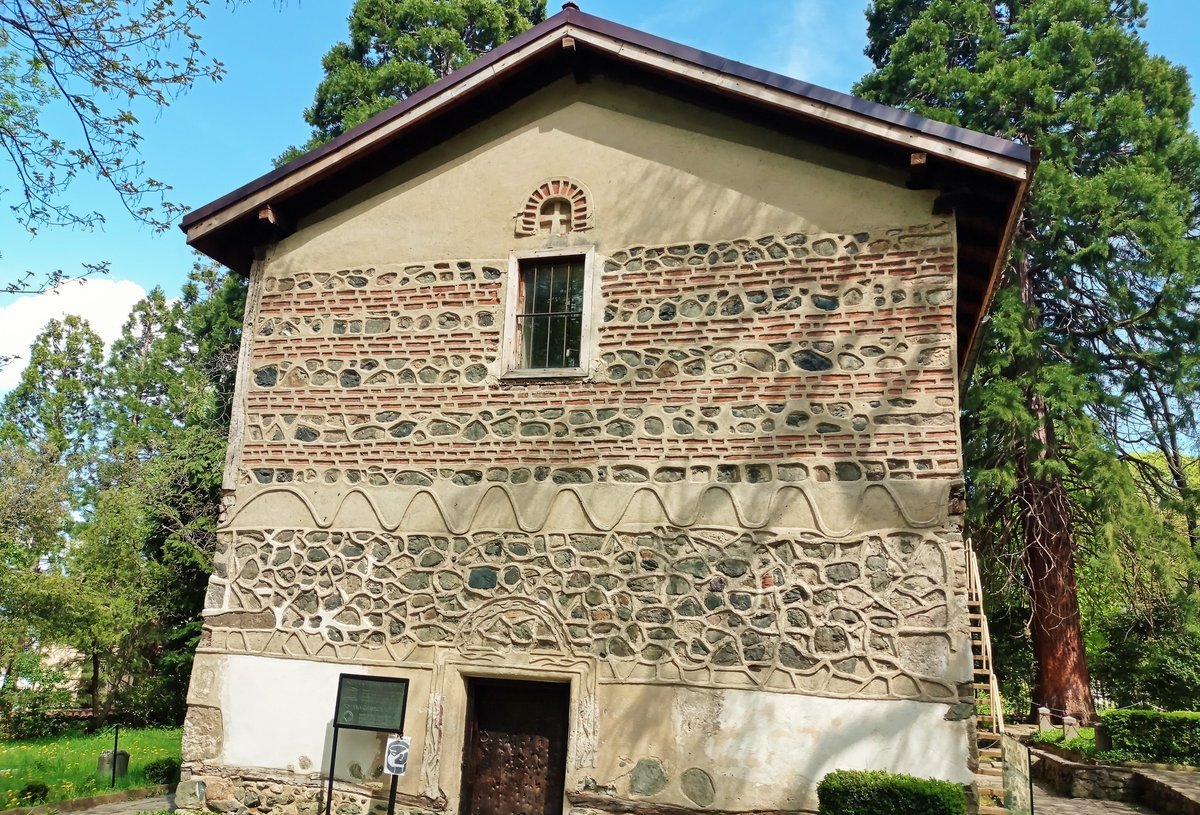
Nestled at the foot of the Vitosha Mountain and just a short distance from central Sofia, the Boyana Church is one of Bulgaria’s most esteemed medieval monuments and a highlight among Sofia historical sites. This UNESCO World Heritage Site is celebrated for its exceptional 13th-century frescoes, which predate the Italian Renaissance and offer a rare window into Bulgaria’s cultural, spiritual, and artistic heritage. Whether you’re a history enthusiast, an art aficionado, or a curious traveler, this detailed guide will provide everything you need to know about Boyana Church’s history, visiting hours, tickets, accessibility, nearby attractions, and practical travel tips (Wikipedia; History Hit; Maps of World).

Early Origins (10th–11th Centuries)
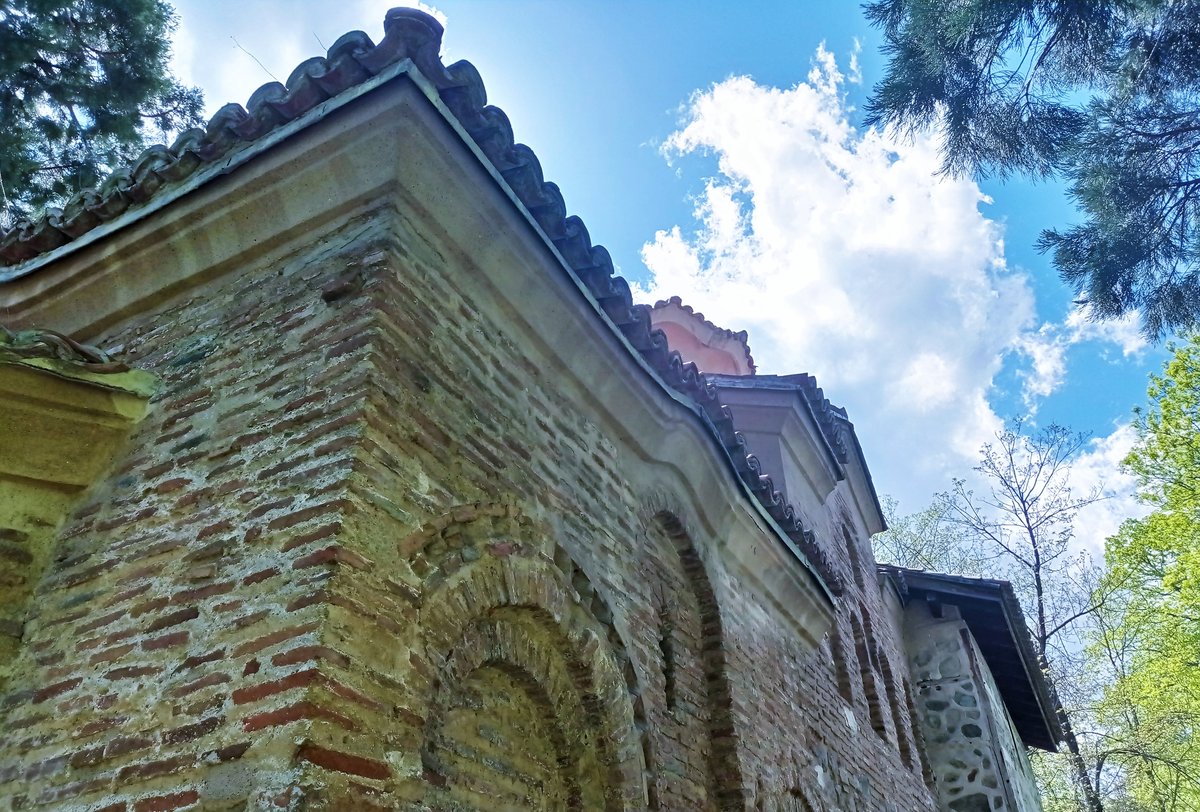
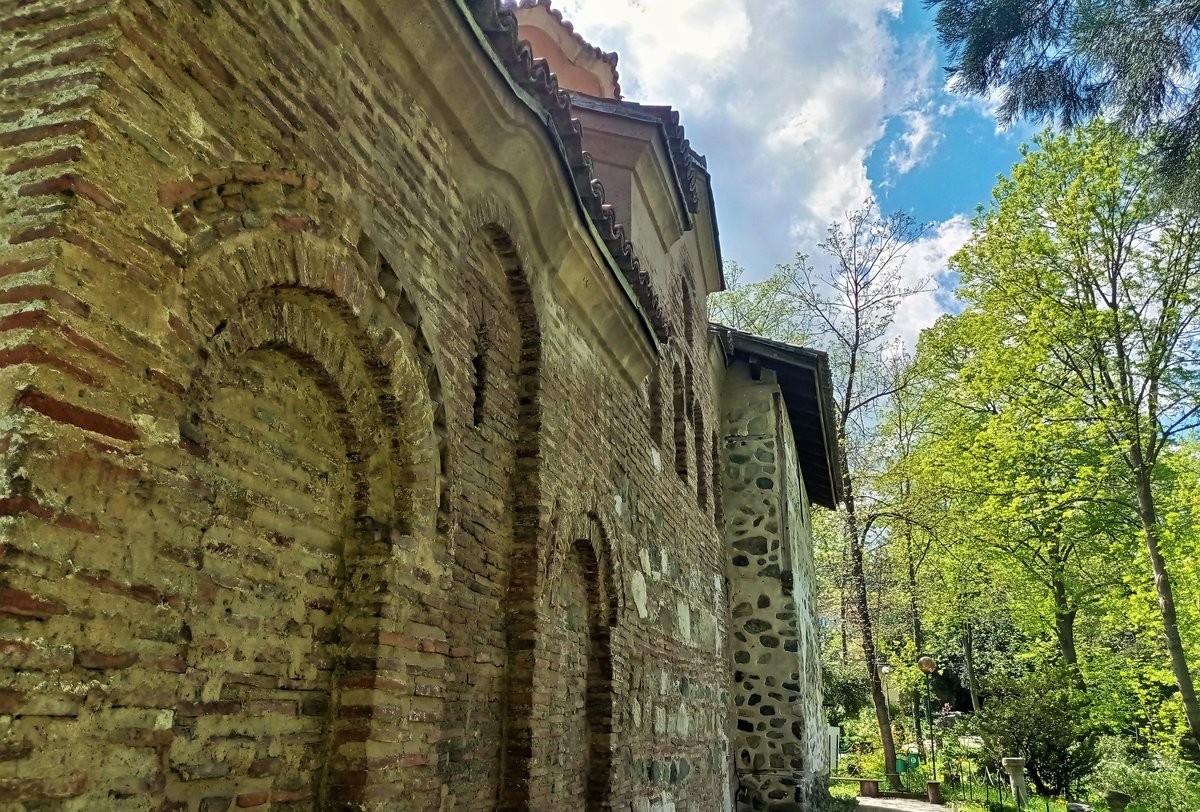
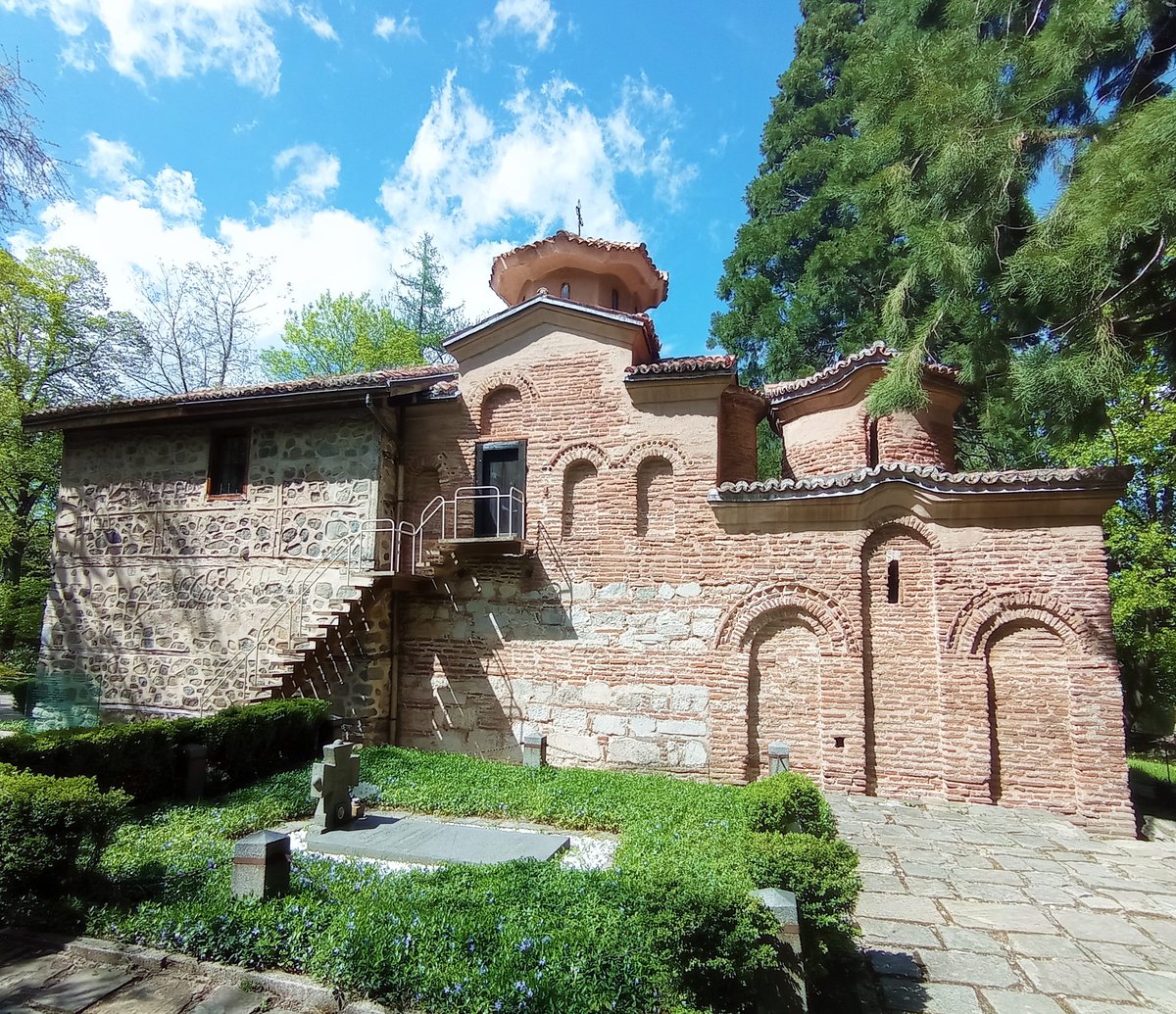
Boyana Church’s earliest section dates back to the late 10th or early 11th century, during the era of the First Bulgarian Empire. Its original structure—a compact, cross-in-square chapel—was likely built as a private place of worship for local nobility within the Boyana fortress. The use of stone and brick, along with Byzantine architectural influences, characterizes this section (Wikipedia; History Hit).
Expansion in the Second Bulgarian Empire (13th Century)
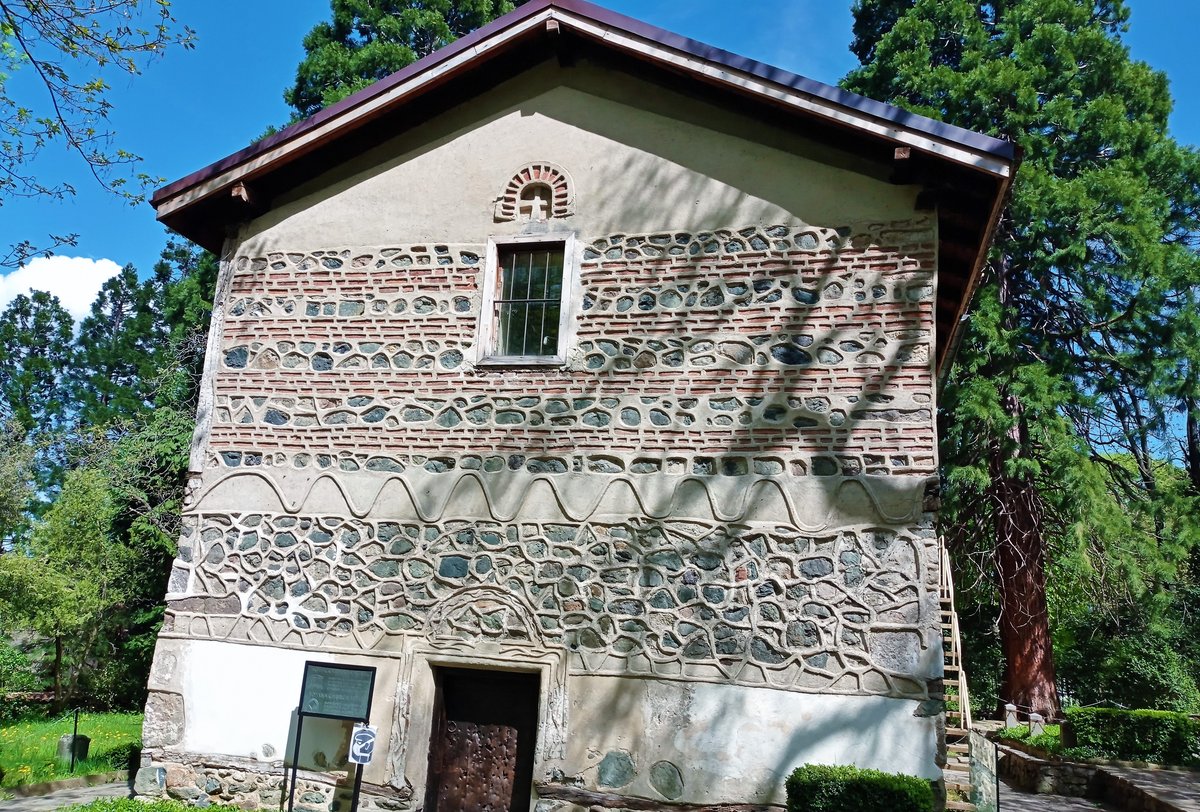
In the mid-13th century, under the patronage of Sebastocrator Kaloyan and his wife Desislava, the church underwent significant expansion. A two-story structure was added, featuring a family tomb below and a private chapel above. This phase provided the canvas for the church’s most famous frescoes and reflects a period of cultural renaissance in Bulgaria (Maps of World; Wikipedia).
19th-Century Additions
The 19th-century westward extension, funded by the local community, completed Boyana Church’s present form. This addition blended harmoniously with the older sections and ensured the continued use and preservation of the site (History Hit).
Architectural Highlights
- Dome and Cross Plan: Central dome supported by four pillars.
- Ceramic Ornaments: Distinctive “wolf’s teeth” motif and blind arches.
- Materials: Brick and stone construction, reflecting the Tarnovo and Ohrid schools (roundtripbulgaria.com).
Artistic Significance: The 1259 Frescoes
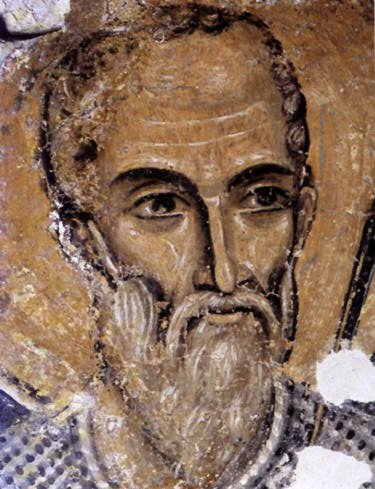
The frescoes painted in 1259 are the church’s greatest treasure, covering 89 scenes with over 240 human figures. Created by the so-called “Boyana Master” and his workshop, these frescoes are renowned for their realism, psychological depth, and vibrant colors (Wikipedia; History Hit; Maps of World).
Notable Features
- Individualized Portraits: The donor portraits of Kaloyan and Desislava, as well as the royal images of Tsar Constantine Asen and Tsaritsa Irina, are among the earliest and most lifelike in European medieval art (spottedbylocals.com).
- Narrative Cycles: Scenes from the lives of Christ, St. Nicholas (the church’s patron), and various saints.
- Artistic Techniques: Use of tempera, advanced modeling of faces and drapery, and dynamic gestures that prefigure Renaissance naturalism (thebrainchamber.com).
Legacy
The Boyana frescoes are seen as precursors to the European Renaissance and a cornerstone of Bulgarian cultural identity. They exemplify the “Second Golden Age” of Bulgarian art and have influenced Orthodox iconography throughout the Balkans (roundtripbulgaria.com).
UNESCO Recognition and Conservation
Boyana Church was inscribed as a UNESCO World Heritage Site in 1979 for its “exceptional artistic and historical value” (Wikipedia). The church is protected and maintained by the National Historical Museum of Bulgaria, with ongoing conservation efforts ensuring the preservation of its unique frescoes (everything-everywhere.com).
Preservation Measures
- Controlled Access: Only small groups (8–9 people) are allowed inside at a time, with visits capped at 8–10 minutes (boyanachurch.info).
- Photography: Prohibited inside to protect the frescoes.
- Environmental Controls: The church interior is maintained at optimal temperature and humidity (audio-guide.bg).
Visiting Boyana Church: Hours, Tickets, and Tours
Visiting Hours
- April – October: 09:30 – 18:00 (last ticket at 17:30)
- November – March: 09:00 – 17:30 (last ticket at 17:00)
- Note: Hours may vary due to holidays or special events—verify on the official website before your visit.
Tickets and Admission
- Standard Admission: ~10 BGN (approx. 5 EUR)
- Discounts: Available for students, seniors, and groups.
- Booking: Tickets can be purchased on-site or online. Advance booking is recommended, especially in peak season.
Guided Tours
Guided tours are highly recommended for deeper insight into the church’s history and art. Tours are available in multiple languages and can be booked online or at the site (boyanachurch.info).
Getting There and Accessibility
Location
- Address: 3 Boyansko ezero Street, 1616 Boyana, Sofia
- GPS: 42.645442, 23.265546
Transportation
- Public Transport: Bus 64 (Boyansko Hanche) and Bus 107 (Boyana Church)
- Taxi/Ride-Share: Readily available in Sofia
- Parking: Limited; public transport is recommended
Accessibility
Due to its medieval structure and hillside setting, full accessibility may be limited for those with mobility impairments. Contact the site in advance for specific accommodations (boyanachurch.info).
Nearby Attractions and Visitor Tips
- National History Museum: Bulgaria’s largest museum, just a short walk away (historymuseum.org).
- Vitosha Mountain: Offers scenic hiking trails and nature activities.
- Dragalevtsi Monastery: Another historic Orthodox site nearby.
Tips
- Visit early or late in the day for fewer crowds and better light for exterior photography.
- Comfortable footwear is recommended due to uneven terrain.
- Respect the church’s religious function—lighting candles is a traditional act of devotion.
Frequently Asked Questions (FAQ)
Q: What are Boyana Church’s visiting hours?
A: Typically 09:30–18:00 (April–October) and 09:00–17:30 (November–March). Confirm on the official website before visiting.
Q: How much are tickets?
A: Around 10 BGN, with discounts for students, seniors, and groups.
Q: Is photography allowed inside?
A: No, to protect the delicate frescoes.
Q: Are guided tours available?
A: Yes, in several languages—highly recommended for context.
Q: How do I get to Boyana Church from central Sofia?
A: By bus (64 or 107), taxi, or car. The church is about 8.5 km from the city center.
Q: Is Boyana Church accessible for visitors with disabilities?
A: Accessibility is limited; contact the site in advance for details.
Visual Gallery
-
Image 1: Exterior view of Boyana Church with Vitosha Mountain backdrop
(alt: "Boyana Church exterior Sofia historical site") -
Image 2: Detail of medieval frescoes, featuring patron portraits
(alt: "Boyana Church frescoes detail") -
Image 3: Interactive map showing Boyana Church’s location and transport options
(alt: "Map of Boyana Church and nearby attractions")
Discover More
Boyana Church stands as a testament to Bulgaria’s spiritual and artistic achievements, offering a unique experience for visitors. Its layered architecture, world-class frescoes, and tranquil setting make it an essential stop for anyone interested in medieval art or Sofia’s history. Plan your visit carefully by confirming opening hours and ticket availability, and consider a guided tour for maximum appreciation. Extend your trip with a visit to nearby museums and the natural beauty of Vitosha Mountain.
For more travel tips and updates, download the Audiala app, explore related guides to Sofia historical sites, and follow us on social media.
External and Internal Links
- Official Boyana Church page: https://www.boyanachurch.bg
- Bulgarian Tourism Board: https://bulgariatravel.org
- National History Museum: https://historymuseum.org
- Explore more Sofia historical sites: [YourWebsite.com/sofia-historical-sites]
- Guide to visiting the National History Museum: [YourWebsite.com/national-history-museum-sofia]
Listen to the full story in the app
The whole Boyana Church,
told well.
Audio guides for 1,100+ cities across 96 countries. History, stories, and local insight — offline ready.
Verified, and shown.
Researched and written by the Audiala editorial team from historical records, architectural archives, and local expertise.
Researched from Wikidata, Wikipedia & official sources · fact-checked · How we make our guides →