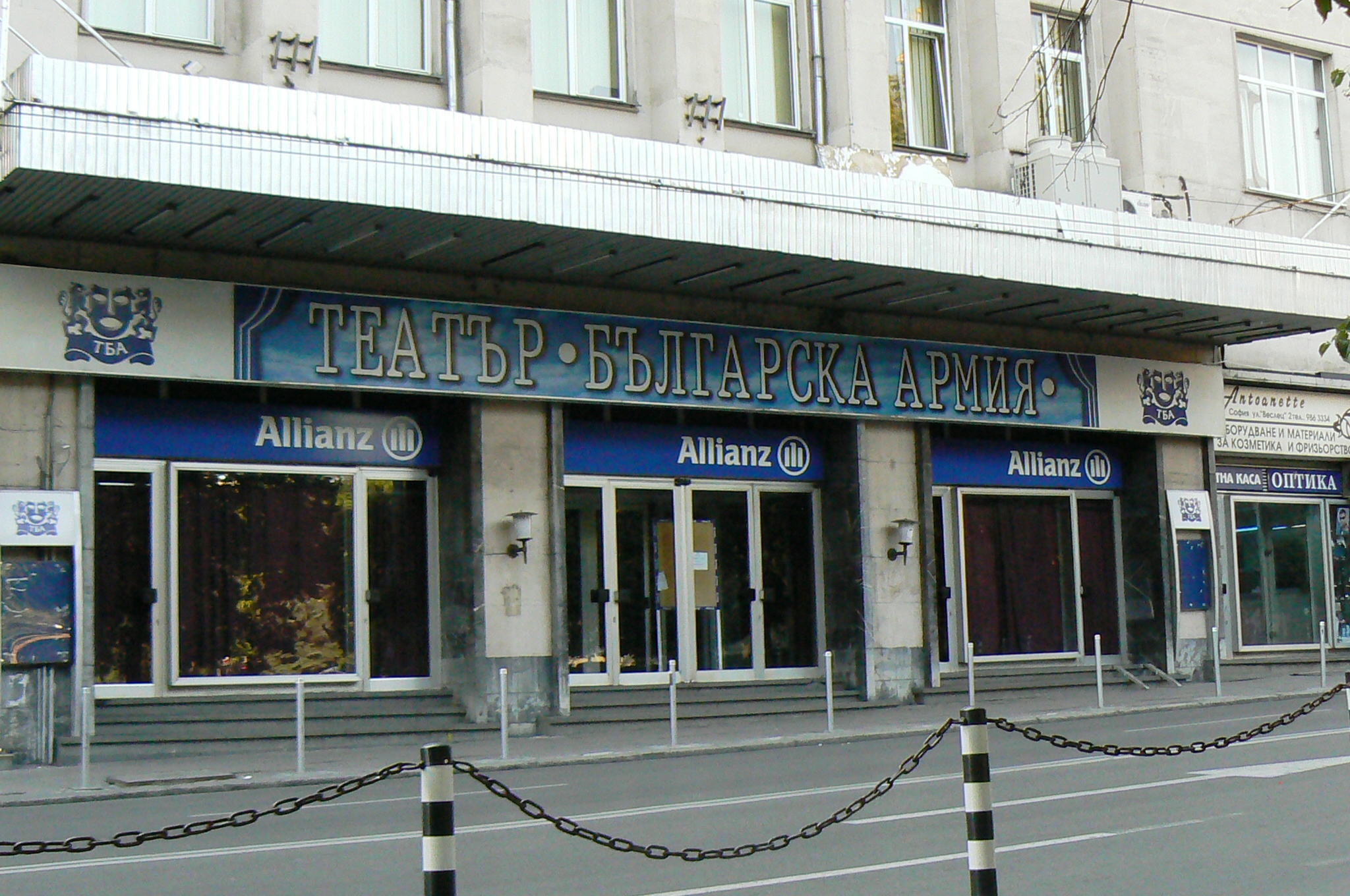
Introduction to Alma Alter and Its Significance
Situated in the cultural heart of Sofia, Alma Alter stands as a leading venue for experimental theatre and artistic innovation. As part of Sofia University “St. Kliment Ohridski,” this unique theatre laboratory offers audiences immersive, avant-garde performances that blur the lines between tradition and experimentation. Founded in 1968 by the visionary Nikolay Georgiev, Alma Alter has become a symbol of creative resilience and boundary-pushing theatre in Bulgaria. Its commitment to inclusivity, multimedia storytelling, and interactive experiences ensures that every visit is memorable—whether you are a theatre aficionado, a student, or a curious traveler exploring Sofia’s vibrant arts scene. This comprehensive guide details Alma Alter’s history, visiting hours, ticketing, accessibility, directions, nearby attractions, and tips for planning your visit. For the most current schedules and ticket information, always consult the official Alma Alter page on Sofia University’s website or the official Alma Alter website.
Historical Background and Evolution
Founding and Early Years (1968–1970s)
Alma Alter was established in 1968 within Sofia University “St. Kliment Ohridski,” led by avant-garde theatre pioneer Nikolay Georgiev. Quickly becoming a central hub for students and artists, the theatre introduced experimental European traditions and responded to contemporary issues through innovative stagecraft (Sofia University News).
Closure and Dormancy (Late 1970s–1990s)
Due to ideological pressures during Bulgaria’s socialist era, Alma Alter was forced to close in the late 1970s. For nearly three decades, the theatre remained dormant as political changes swept the country.
Revival and Rebirth (2000–2001)
The turn of the millennium saw Alma Alter’s revival, once again under the direction of Nikolay Georgiev. Its renewed commitment to experimental theatre began with the premiere of “Either or” in 2001, re-establishing its place as a dynamic centre for innovative performance (Sofia University News).
Artistic Philosophy and Experimental Approach
Alma Alter’s philosophy is rooted in experimentation, inclusivity, and audience engagement. Drawing inspiration from figures like Jerzy Grotowski, the theatre emphasizes actor-audience interaction, minimalism, and authenticity. Performances often break the “fourth wall,” inviting audiences to become participants and co-creators. The repertoire ranges from reinterpretations of classics to original works, utilizing physical theatre, multimedia, and non-verbal storytelling.
Visiting Alma Alter: Hours, Tickets & Accessibility
Visiting Hours
- Performances typically run from Tuesday to Sunday, usually starting between 7:00 PM and 8:00 PM.
- Box office hours generally open from 4:00 PM to 7:00 PM on performance days.
- Schedules may vary for festivals, workshops, and special events. Always check the official Alma Alter schedule for current programming.
Tickets
- Tickets are available at the theatre box office or online via the official Alma Alter website.
- Standard ticket prices range from 10 to 20 BGN (approx. €5–€10).
- Discounts are available for students, seniors, and groups. Some events are free for students or marginalized communities.
- Advance booking is recommended, especially for festivals or premieres.
Accessibility
- The theatre provides wheelchair access and seating accommodations.
- Visitors with specific needs are encouraged to contact Alma Alter in advance to arrange assistance.
- Staff members often speak English and can assist with ticketing or accessibility inquiries.
How to Get There
- Location: Alma Alter is located at 15 Tsar Osvoboditel Blvd., inside the Sofia University “St. Kliment Ohridski” building (About Sofia).
- By Metro: The Sofia University St. Kliment Ohridski metro station (Line 1) is just steps away.
- By Bus/Tram: Multiple lines stop near the university.
- On Foot: The theatre is a short walk from Alexander Nevsky Cathedral and other city landmarks.
- Parking: Limited and metered; public transport is recommended.
Tip: Use interactive maps on the official website or travel apps for navigation.
Nearby Attractions and Recommended Itinerary
Alma Alter’s central location makes it an ideal starting point for exploring Sofia’s rich history:
- Alexander Nevsky Cathedral: Iconic Orthodox landmark.
- National Assembly and Monument to the Tsar Liberator: Historic and political sites.
- National Art Gallery & Gallery for Foreign Art: Major art collections.
- Ivan Vazov National Theatre: Bulgaria’s premier dramatic stage.
- Vitosha Boulevard: Pedestrian street with shops, cafes, and nightlife.
- Serdica Archaeological Complex: Remnants of Roman Sofia.
Combine your visit to Alma Alter with a stroll through these attractions for a complete cultural experience.
Special Events and Workshops
- Alma Alter regularly hosts international festivals such as the “Alter Ego” International Performance Festival, featuring non-verbal and English-language productions.
- Frequent workshops, educational events, and post-show discussions engage both local and international communities.
- For updates on current events and workshops, visit the Alma Alter website or follow them on Facebook.
Frequently Asked Questions (FAQs)
Q: What are Alma Alter’s visiting hours?
A: Performances are typically held from Tuesday to Sunday evenings. Check the official schedule for specific times.
Q: How do I purchase tickets?
A: Tickets can be bought online or at the box office before performances. Advance reservation is advised.
Q: Is the theatre accessible for visitors with disabilities?
A: Yes, the theatre offers wheelchair access and assistance. Contact staff in advance for accommodations.
Q: Are performances suitable for non-Bulgarian speakers?
A: Many shows are non-verbal or include English subtitles. Check the program or inquire with staff.
Q: Are group visits or guided tours available?
A: Group visits and educational tours can be arranged by contacting the theatre directly.
Q: Can I take photos or videos during performances?
A: Policies vary by event. Ask staff before photographing or filming.
Summary of Key Points
- Alma Alter Theatre offers innovative, interactive performances in the heart of Sofia.
- Accessible ticketing and facilities ensure an inclusive experience.
- Central location positions visitors near Sofia’s premier historical sites.
- Active engagement through workshops, festivals, and community outreach.
- Up-to-date information is available via the official website and social media.
- Enhance your visit with the Audiala app and explore related guides on Sofia historical sites and theatre guides in Sofia.
Listen to the full story in the app
Your Personal Curator, in Your Pocket.
Audio guides for 1,100+ cities across 96 countries. History, stories, and local insight — offline ready.
Audiala App
Available on iOS & Android
Join 50k+ Curators
Sources
- verified
- verified
- verified
- verified
Last reviewed: