Prehistoric Sofia Plain
science
c. 7000 BCE
First Farmers on the Slatina River
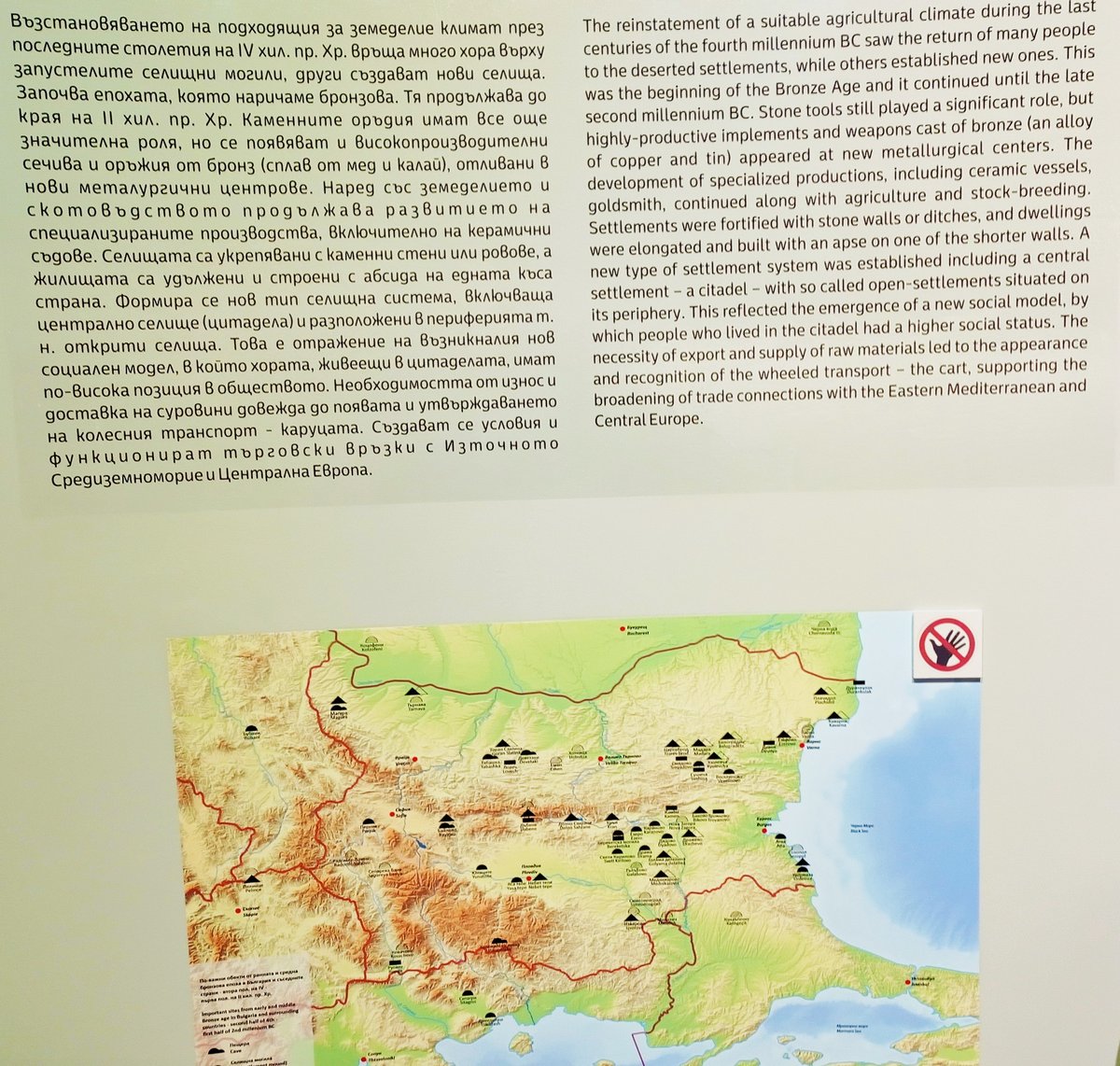
The earliest known community in today’s Sofia settled beside the Slatina River, building houses of wood, clay, and packed earth. Archaeology suggests these first farmers stayed for roughly five centuries. The city’s deepest memory is not imperial at all, but agricultural: grain, hearth smoke, and river mud.
Roman Serdica
swords
29 BCE
Rome Takes the Serdi Settlement
Roman forces conquered the Thracian settlement in the Sofia plain and folded it into imperial strategy in the Balkans. Roads, taxation, and military logistics followed quickly. The conquest tied the valley to a much larger Mediterranean system of power and trade.
gavel
after 106 CE
Ulpia Serdica Becomes a Municipium
Under Trajan, Serdica gained municipium status and the name Ulpia Serdica, a legal promotion with real urban consequences. Stone streets, baths, and administrative buildings multiplied, and fortifications expanded in the 2nd century. Roman Sofia stopped being a frontier stop and started acting like a city.
church
April 311
Edict of Toleration Issued Here
Galerius, Licinius, and Constantine issued the Edict of Toleration at Serdica, legalizing Christianity before Milan’s better-known edict of 313. The decision changed who could worship openly in the empire. In Sofia’s story, religion and statecraft were already intertwined at the highest level.
person
c. 312
Constantine’s Favored Balkan Base
Constantine I repeatedly stayed in Serdica and invested in its imperial complex, including the Rotunda of St. George in the early 4th century. His presence gave the city unusual prestige for an inland Balkan center. Later tradition remembered that intimacy with power for centuries.
swords
447
Hunnic Devastation
Attila’s forces plundered Serdica during the mid-5th-century invasions. Urban life contracted as buildings, stores, and civic routines were shattered. The city survived, but now as a place repeatedly forced to rebuild after imperial collapse.
Medieval Sredets
swords
809
Khan Krum Seizes Serdica
Khan Krum captured the city for the First Bulgarian Empire, shifting it from Byzantine-Roman orbit to Bulgarian state power. Over time, the Slavic name Sredets became dominant. This was a political transfer and a linguistic one, both visible in the records.
palette
1259
Boyana Frescoes Painted
The famous fresco cycle at Boyana Church was completed, likely under the patronage of Sebastocrator Kaloyan and Desislava. Faces look individualized, alert, and emotionally present, centuries ahead of what many expect from medieval painting. Sofia’s outskirts produced one of Eastern Europe’s great artistic statements.
gavel
1376
The Name Sofia Enters Documents
A Dubrovnik document records the name Sofia, while older names like Serdica and Sredets still circulated. The naming shift reveals a city changing identity before conquest formalized that transition. A new label was taking root in public life.
Ottoman Sofia
swords
1382
Ottoman Conquest After Long Siege
After a three-month siege, Ottoman forces took the city and began nearly five centuries of rule. Sofia became a major administrative center of Rumelia. Markets, baths, mosques, and caravan routes recast the urban rhythm.
church
1566-1567
Banya Bashi Mosque Rises
Mimar Sinan’s Banya Bashi Mosque was built beside Sofia’s mineral springs, where steam still drifts in cold weather. Its dome and brickwork marked Ottoman Sofia’s mature architectural language. It remains the city’s only active historic mosque.
local_fire_department
30 September 1858
Earthquake Shatters the City
A powerful earthquake damaged roughly 70-80% of buildings, according to modern geophysical synthesis. Masonry cracked, roofs fell, and only a minority of religious buildings escaped harm. The disaster exposed how fragile pre-modern Sofia still was on the eve of national revival politics.
person
1870
Levski Builds a Secret Network
Vasil Levski organized a clandestine revolutionary committee in Sofia, turning ordinary urban spaces into cells of anti-Ottoman coordination. His work here linked local dissent to a national strategy. The city became one of the movement’s nerve points.
Capital of the Third Bulgarian State
swords
4 January 1878
Liberation of Sofia
Russian troops entered and liberated Sofia during the Russo-Turkish War. Ottoman administration ended, and the political future of the city opened abruptly. The winter of 1878 changed the map and the city’s trajectory in one stroke.
gavel
3 April 1879
Chosen as Bulgaria’s Capital
The Constituent Assembly selected Sofia as the capital of the restored Bulgarian state. That decision redirected money, ministries, rail planning, and architecture toward the city. Sofia stopped being only a regional center and became the country’s political stage.
school
1888
Sofia University Is Founded
Bulgaria’s first university was established in Sofia, anchoring higher education in the new capital. Lecture halls, libraries, and student circles gave the city a sharper intellectual pulse. The institution helped train the civil service, teachers, and scientific community of modern Bulgaria.
person
1889
Ivan Vazov Makes Sofia His City
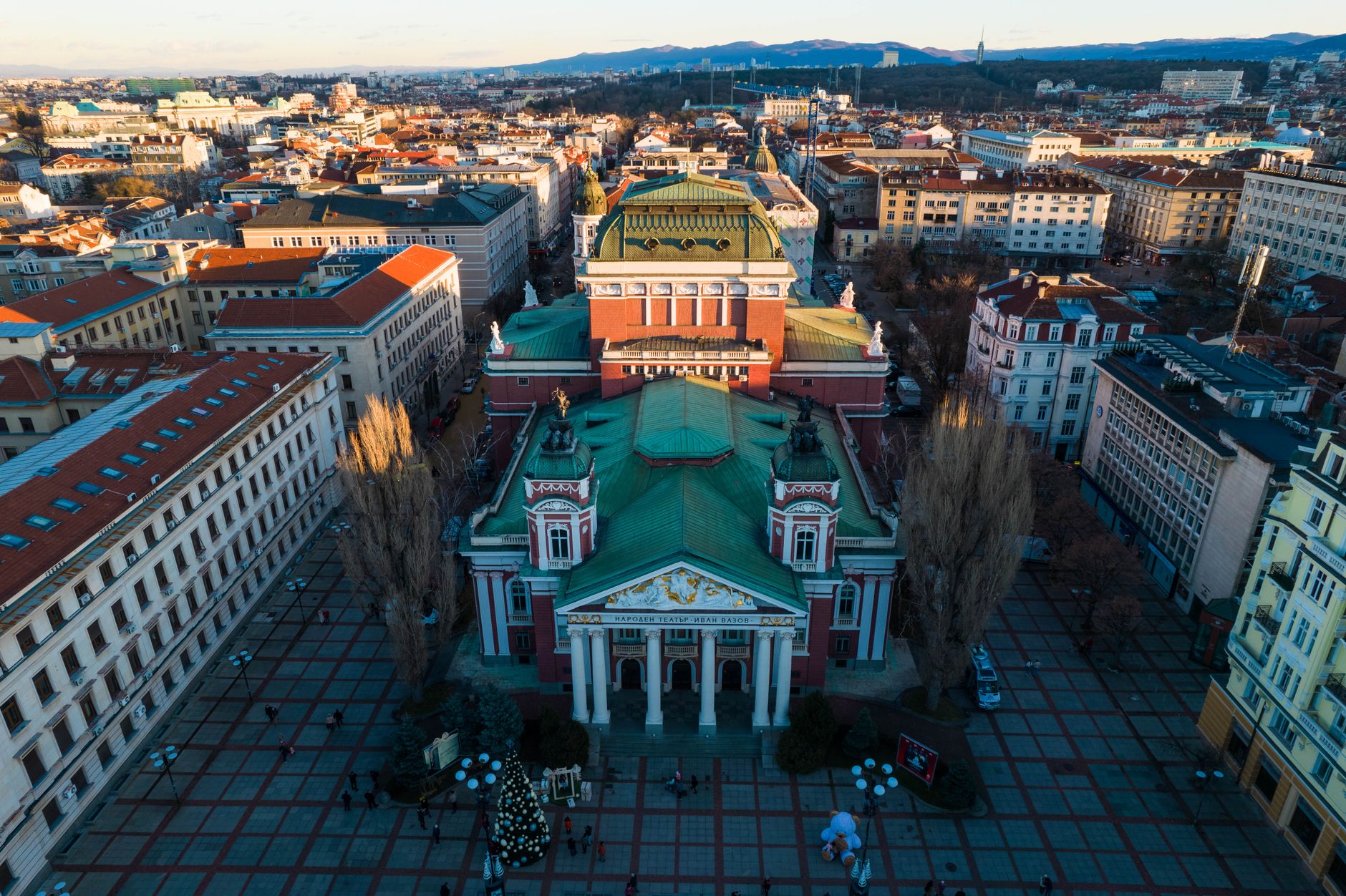
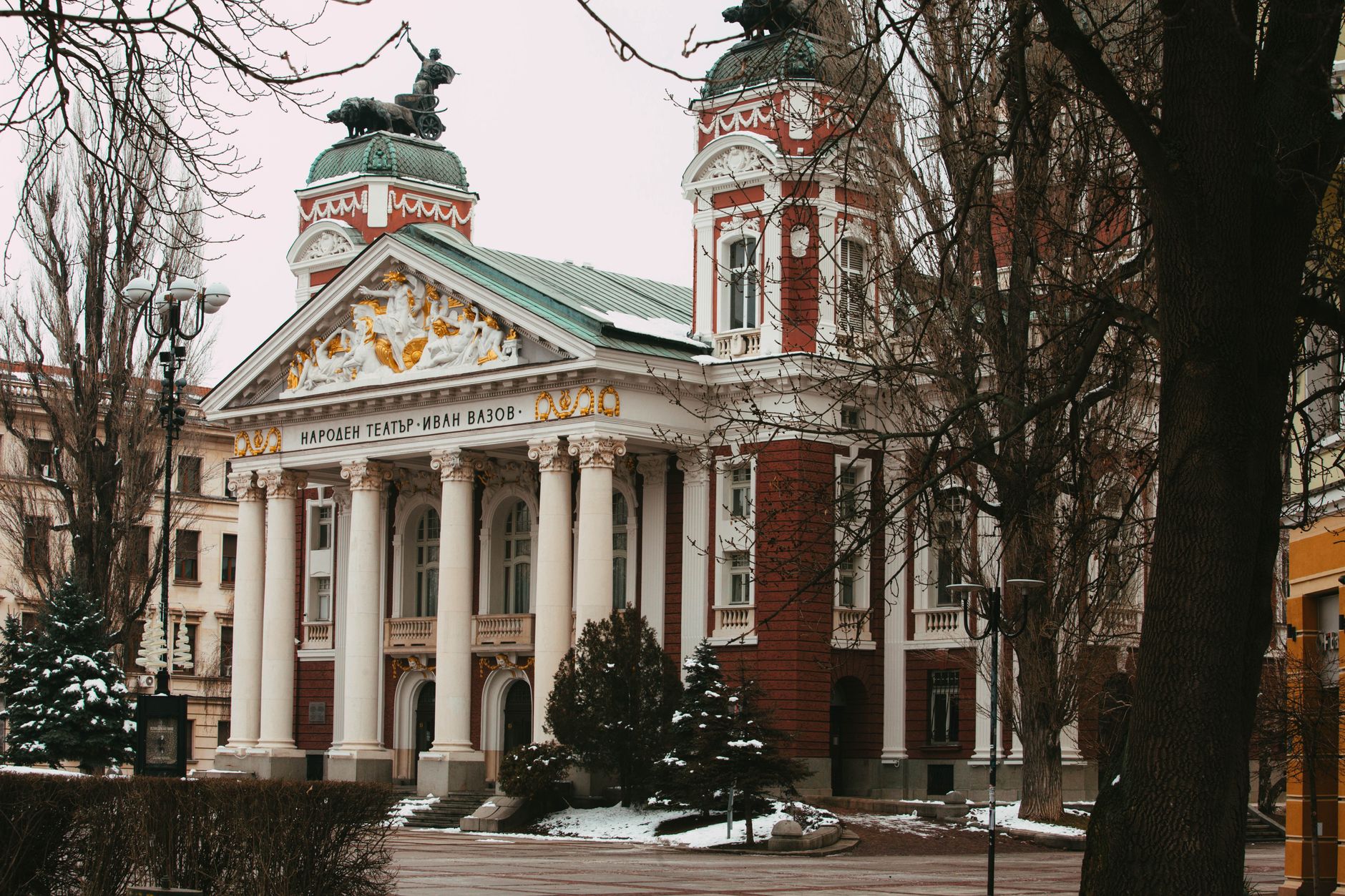
Ivan Vazov settled in Sofia and wrote much of his later work in the capital’s fast-changing streets. His language helped define how Bulgarians narrated liberation, memory, and nationhood. Sofia shaped his late voice, and his voice helped shape Sofia’s cultural self-image.
church
9 September 1909
Sofia Synagogue Opens
Completed after construction from 1905 to 1909, the Sofia Synagogue opened as one of Europe’s major Sephardic synagogues. Its chandeliers, arches, and central dome announced confidence in a growing, plural capital. Jewish Sofia became visibly inscribed in the city center.
church
1924
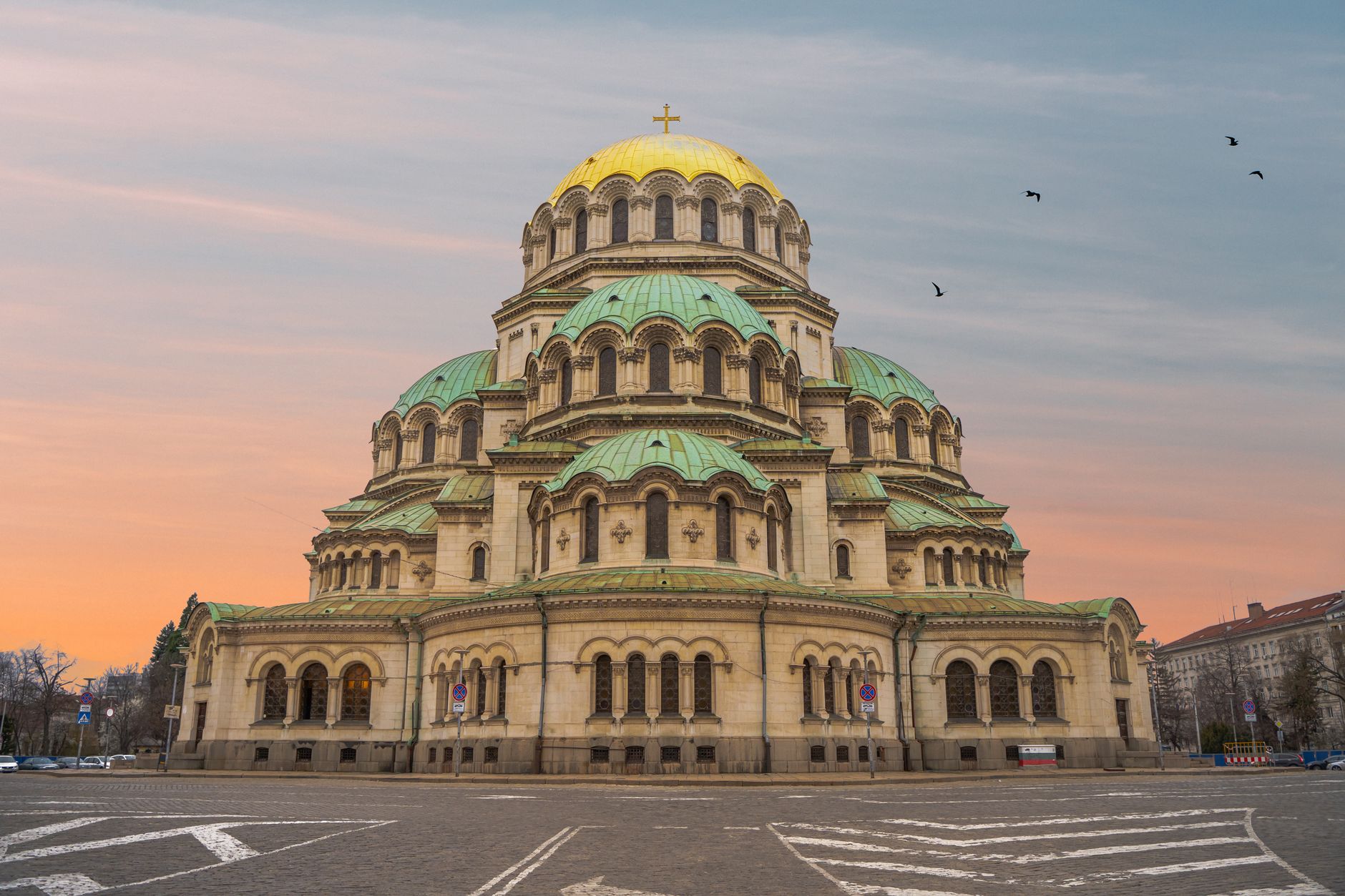
Alexander Nevsky Is Consecrated
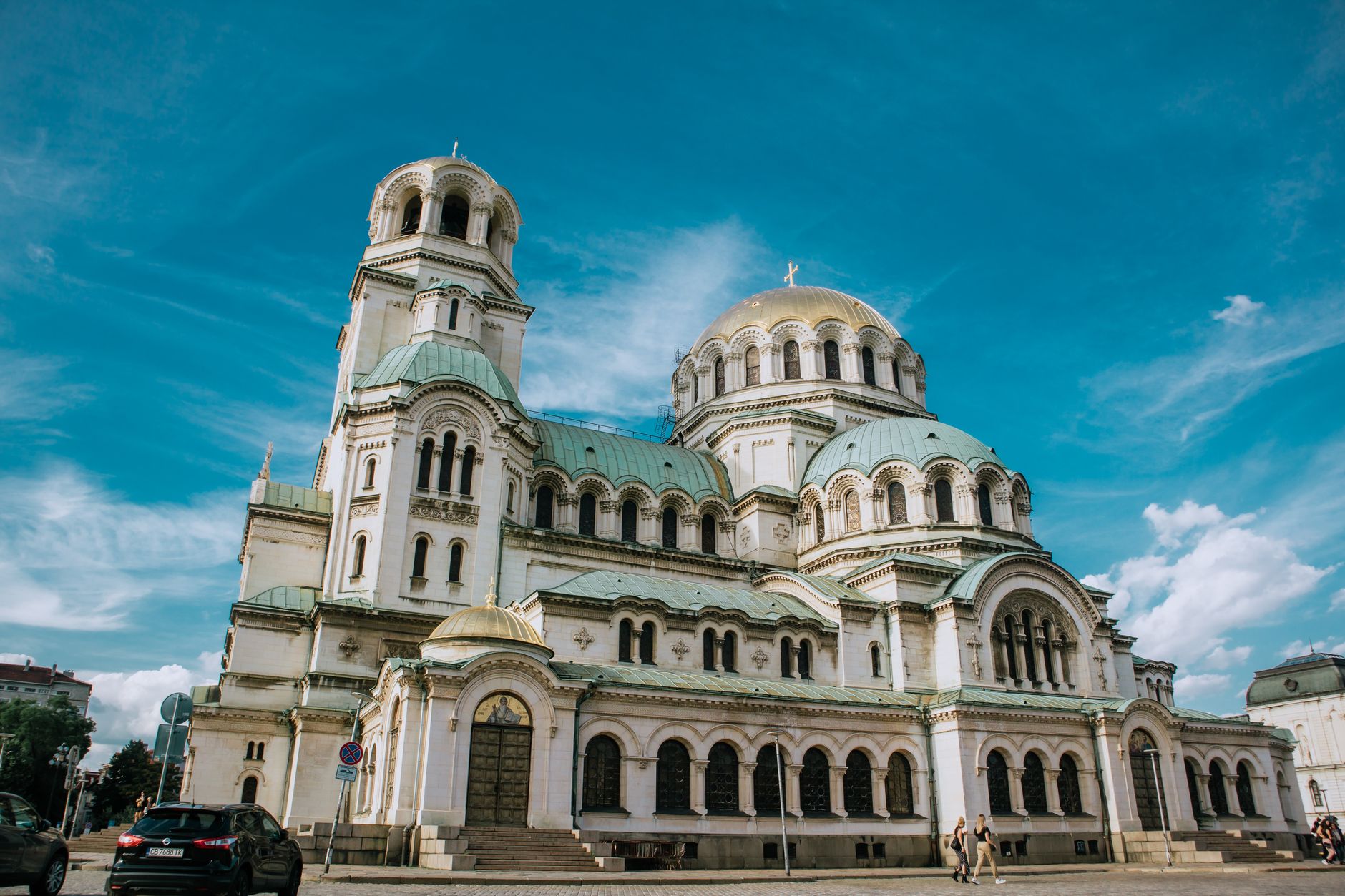
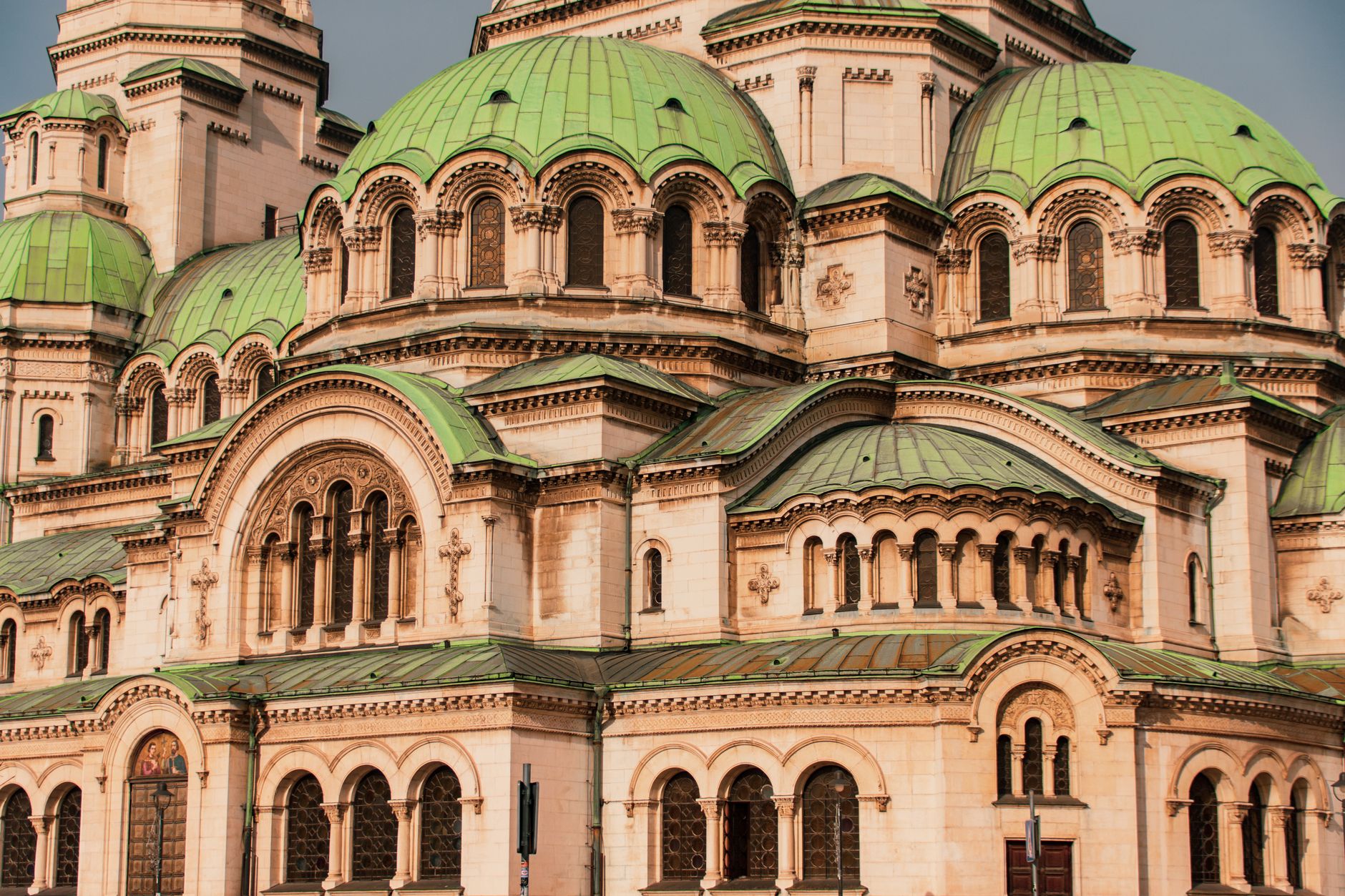
After decades of planning and building, the Alexander Nevsky Cathedral was formally consecrated in 1924. Its gold domes and massive interior fixed the skyline of modern Sofia. The cathedral turned remembrance of liberation into stone, metal, and ritual space.
local_fire_department
16 April 1925
St. Nedelya Bombing
A bomb detonated in St. Nedelya Church during a funeral, killing at least 134 people immediately and injuring around 500. Later death counts rose higher. The attack remains Bulgaria’s deadliest terrorist act and scarred Sofia’s political life for generations.
local_fire_department
30 March 1944
Air Raids Ravage the Capital
Allied bombing raids in 1943-1944 culminated in devastating strikes on Sofia’s center. Museum tallies cite 11 raids, 45,265 bombs, 2,477 dead, and more than 12,000 buildings destroyed, with roughly a quarter of the city ruined. Streets of ministries, homes, and theaters became fields of rubble.
Socialist Sofia
gavel
9 September 1944
Power Turns, Socialist Era Begins
A coup in Sofia brought Bulgaria into the Soviet sphere and inaugurated communist rule. Political institutions were remade, opposition was suppressed, and urban planning priorities shifted toward state-led reconstruction. Postwar Sofia became a laboratory of socialist governance.
factory
25 August 1961
Universiade Hall Opens
Built in 1960-1961 with volunteer labor from about 20,000 students, Universiade Hall opened as Bulgaria’s first multifunctional indoor sports arena. It symbolized the era’s mass-mobilization style: civic pride, state messaging, and concrete all at once. Sofia’s public architecture grew larger and more programmatic.
palette
31 March 1981
NDK Inaugurated
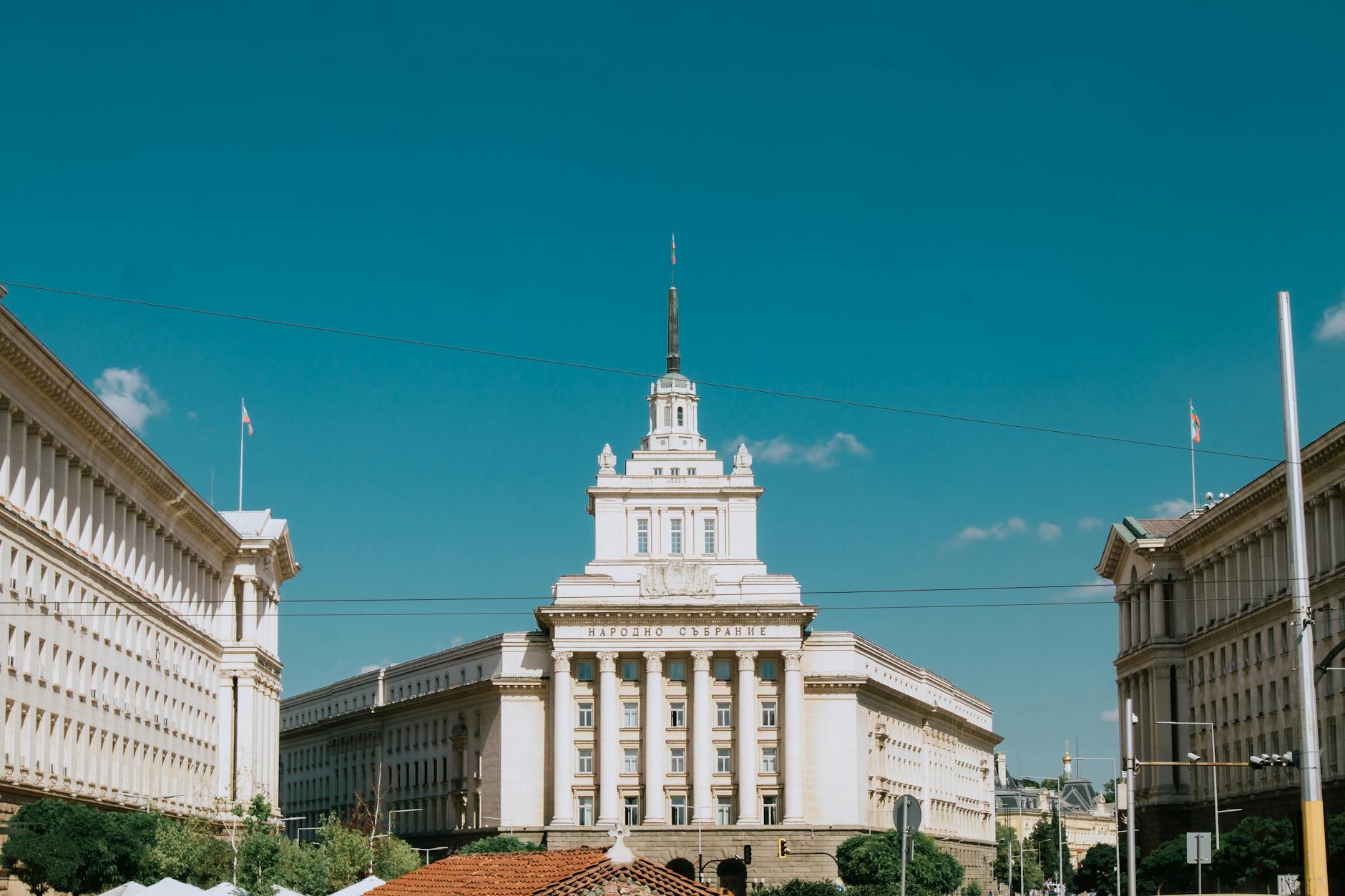
The National Palace of Culture opened for Bulgaria’s 1300th-anniversary celebrations. Monumental in scale and strategically placed, it became a flagship venue for congresses, exhibitions, and performances. Socialist Sofia presented itself as modern, ceremonial, and culturally ambitious.
Democratic and European Sofia
public
18 November 1989
First Free Rally Fills the Square
Days after Zhivkov’s fall, Sofia hosted the first mass free rally of the transition, with reports of around 150,000 participants. The soundscape changed from staged slogans to improvised political speech. Public space itself was being renegotiated in real time.
factory
28 January 1998
Metro Era Begins
The first section of the Sofia Metro opened, launching a transport transformation that later expansions deepened. For a city long shaped by trams and radial boulevards, underground mobility altered commuting geography. Neighborhoods that felt peripheral moved closer in daily time.
person
24 July 2001
Simeon II Returns to Power
Born in Sofia as Bulgaria’s last tsar, Simeon II returned as elected prime minister in the republican era. Few European capitals have watched a former child monarch come back through parliamentary politics. Sofia was the stage where monarchy, exile, and democracy briefly converged.
public
1 January 2007
EU Membership Reframes the Capital
Bulgaria joined the European Union, and Sofia’s role as diplomatic and administrative hub expanded sharply. EU law, funding streams, and institutional routines began shaping local governance and infrastructure choices. The city’s horizon turned more explicitly continental.
public
1 January 2025
Full Schengen Integration
After air and sea checks were lifted in 2024, land border controls with Bulgaria ended in 2025. Sofia became a fully Schengen-connected capital, with fewer frictions for movement across much of Europe. A long geopolitical threshold finally disappeared.
public
1 January 2026
The Euro Arrives in Sofia
Bulgaria adopted the euro, and Sofia entered a new monetary chapter as the country’s political and financial center. Price tags, accounting systems, and everyday transactions changed at once. For residents, the shift was both technical and intimate: new coins in the hand, new arithmetic at the market.