Plovdiv
Bulgaria Updated Apr 2026
Warm bread, diesel, and ancient stone meet within the same five-minute walk in Plovdiv, Bulgaria. A Roman stadium lies under the shopping street, an early Christian basilica glows with bird mosaics under museum lights, and teenagers still climb Nebet Tepe at dusk as if 6,000 years were no big deal. That compressed stack of lives is the city's real trick.
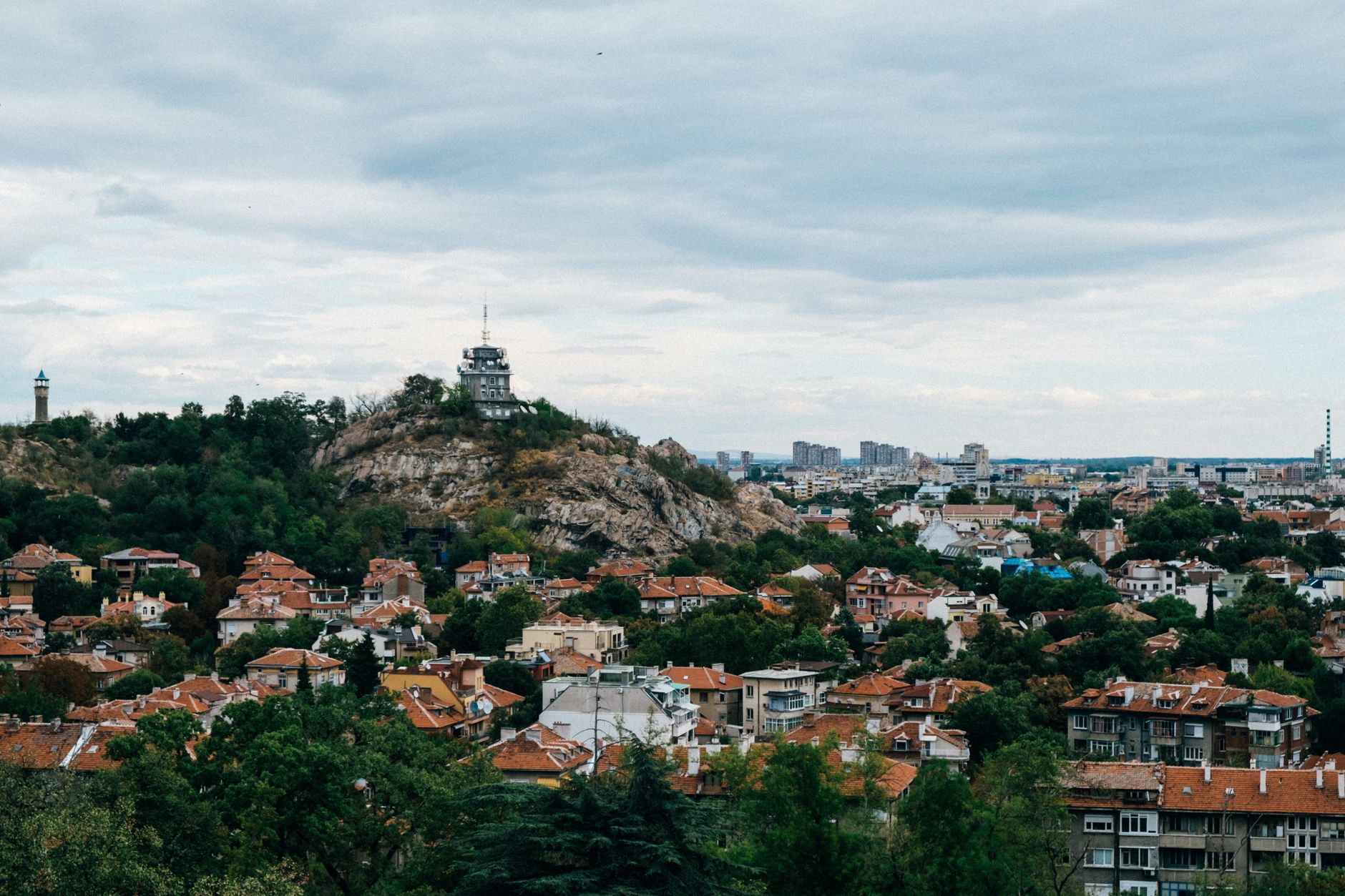 Photo: Irenè Lazarova / Pexels
- Attractions
- 12
- Trip length
- 2-3 days
- Best season
- Spring and early autumn (April-June, September-October)
Why Plovdiv
Built from cited sources · see the method · How we make our guides →
Plovdiv feels older than most European cities because it is. Records and archaeology point to settlement on Nebet Tepe in the 4th millennium BC, yet the place never hardens into a museum piece: laundry hangs behind Revival-era facades, espresso machines hiss near the Roman Odeon, and opera still fills the 1st-century theatre with sound on summer nights.
The city runs on two tempos. One is archaeological and vertical, climbing the Three Hills through cobbles, gates, and houses painted the color of apricots; the other is pure aylyak, the local art of taking your time, which usually means lingering over banitsa in the morning, Mavrud after dark, and a conversation that outlasts the bill.
What stays with you is Plovdiv's refusal to separate eras cleanly. Roman marble, Ottoman street lines, Bulgarian National Revival mansions, socialist avenues, and design bars in Kapana all sit inside the same frame, so the city starts to read less like a timeline and more like an argument about what deserves to remain alive.
Roman Stone, Still in Use
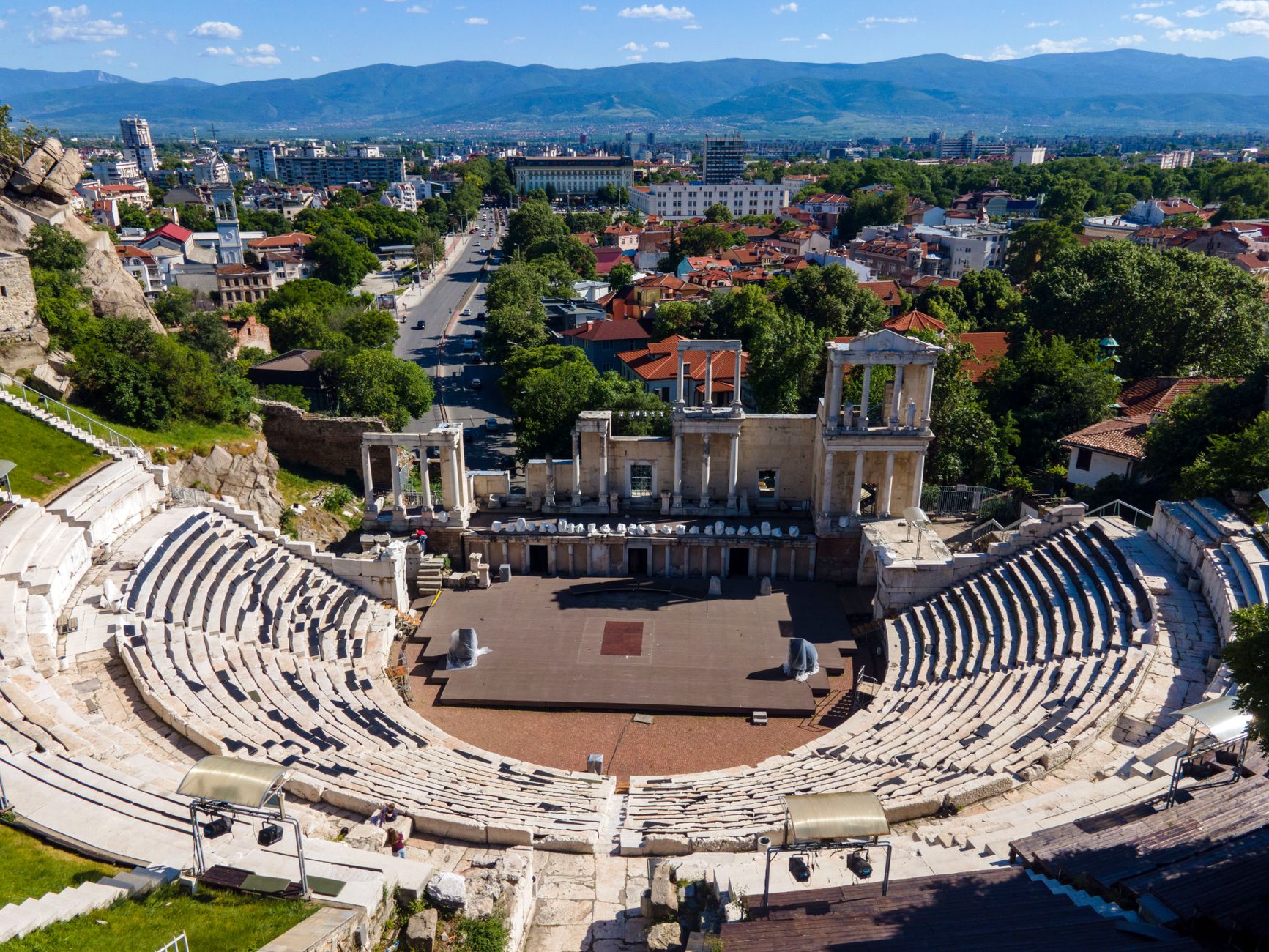
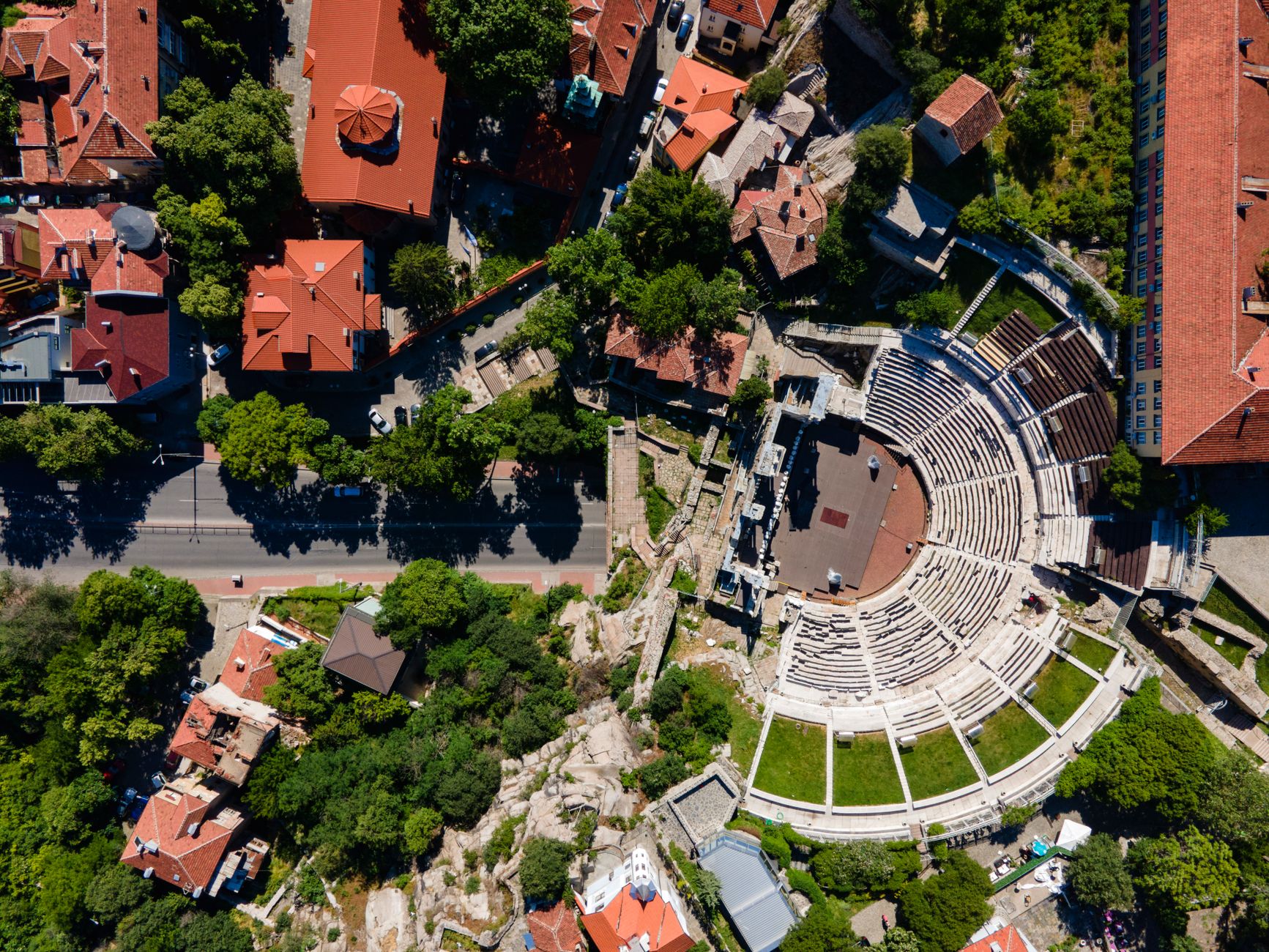
The Ancient Theatre of Philippopolis was built in the 90s AD, with 28 marble rows and room for about 6,000 people. It still hosts performances, which means Plovdiv never turned its Roman past into a silent exhibit behind glass.Mosaics Under Your Feet
The Bishop’s Basilica wraps one of the Balkans’ largest early Christian basilicas inside a clean modern shell, and the floor mosaics do the talking. Birds, geometric knots, and worn tesserae catch the light in a way that makes the 4th century feel alarmingly close.A City on Three Hills
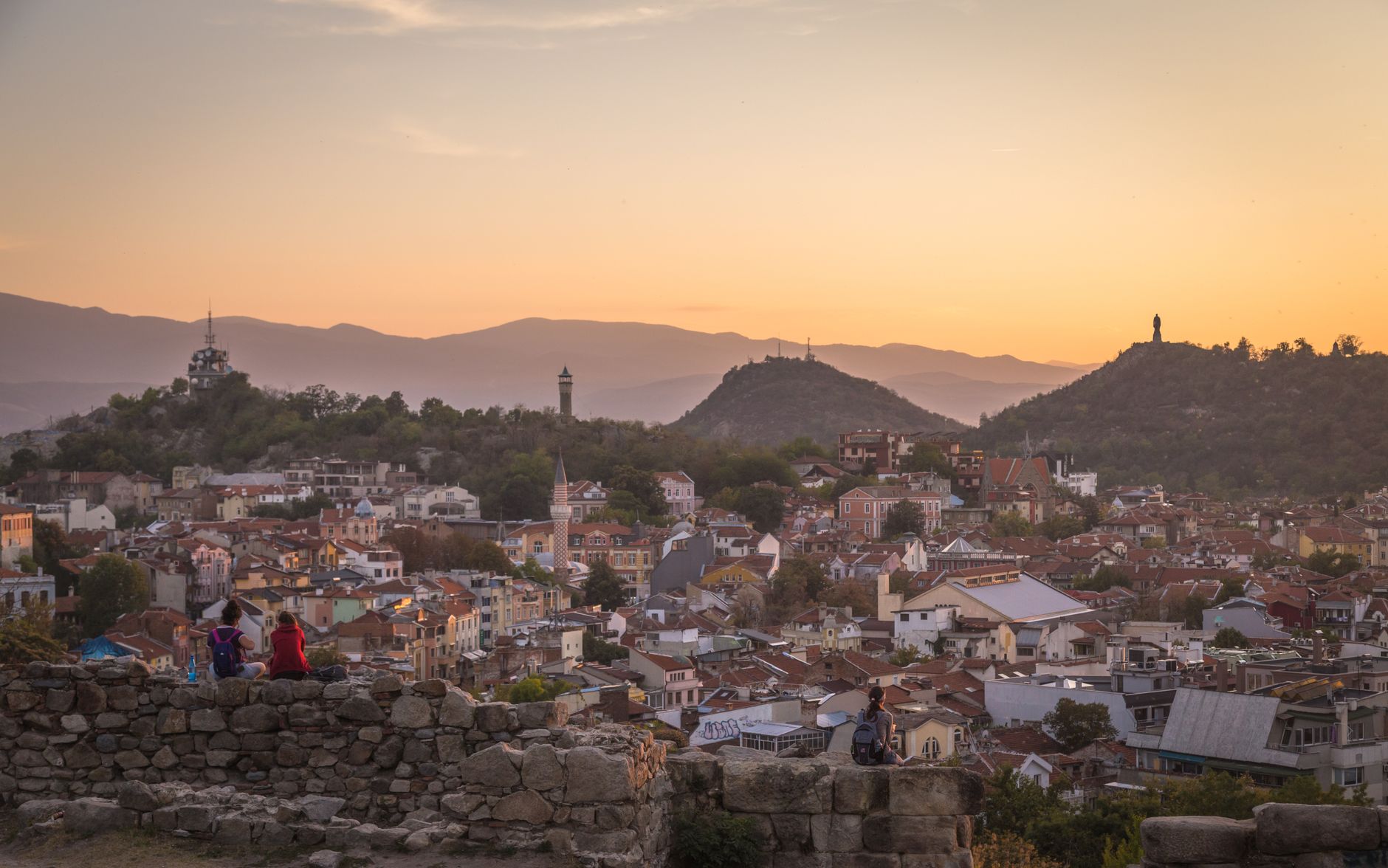
Old Plovdiv rises across the Three Hills in a tight 35-hectare historic core packed with more than 200 protected monuments. One street gives you Ottoman bay windows, the next a medieval gate, then Roman foundations under the paving stones.Kapana After Dark
Kapana, the old craft quarter, swaps daytime coffee and design shops for bars, small galleries, and late tables once the heat drops. The lanes are narrow, the music leaks into the street, and the whole district feels built for lingering rather than rushing.
Neighborhoods
Where to wander, by quarter — each with its own rhythm.
Old Town
Old Town is where Plovdiv shows off without trying too hard. Cobbled lanes curl past Hisar Kapia, the Ancient Theatre, house museums, and courtyard restaurants, and the whole quarter carries that dry smell of sun-warmed wood and stone dust by late afternoon.Kapana
Kapana is the city's current social center, a former crafts quarter turned maze of bars, galleries, design shops, and restaurants that actually justify the detour. Come for dinner at places like Pavaj or Aylyakria, stay for a second drink, and expect the night to stretch.Tsentar
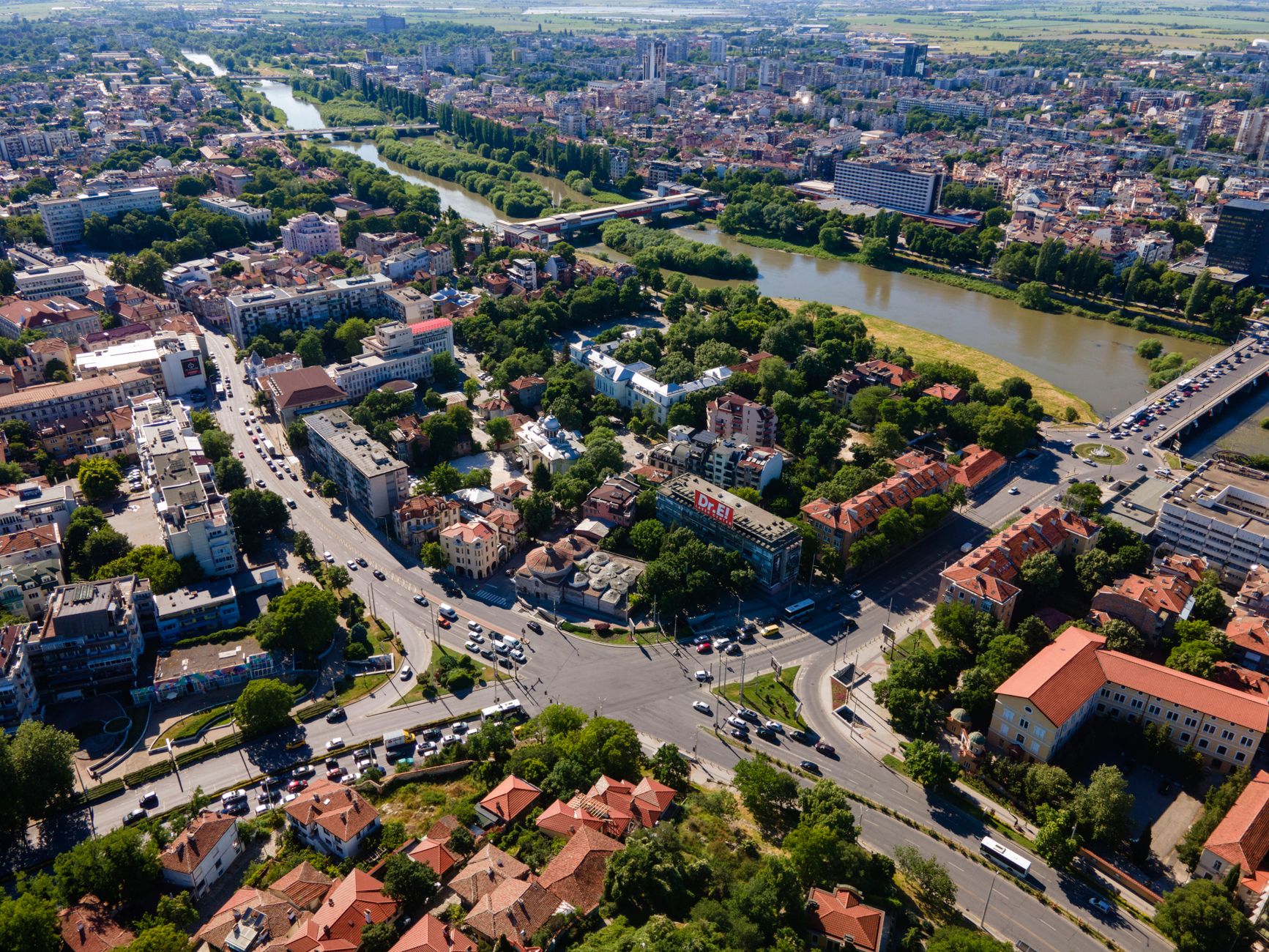
The central district around the Roman Stadium, Knyaz Alexander I Street, and the Roman Odeon is Plovdiv at its easiest. You get pedestrian streets, specialty coffee, theatre, polished restaurants, and the odd pleasure of stepping from modern shopfronts to exposed Roman masonry in a few paces.Karshiyaka
Across the Maritsa River, Karshiyaka gives you a broader, less stage-managed view of daily Plovdiv. Riverside walks, apartment blocks, local cafes, and quieter evenings replace the postcard version, which is exactly why the district can feel useful after a day in the center.Bunardzhik
Bunardzhik, the hill many people know by the Alyosha monument, works best as a breathing space rather than a checklist stop. The climb pulls you into pine shade and city views, and from the top Plovdiv finally makes visual sense: hills, river, roofs, and ruins packed tighter than they should be.
Plan your trip
Before you go
- Getting There
- Plovdiv Airport (PDV) sits about 10 km southeast of the center; in 2026 its airport shuttle runs from Bus Station South 2 hours 30 minutes before each scheduled flight and back 30 minutes after landing for €5.11, listed locally as BGN 10. Sofia Airport (SOF), 130 km away, is the main international fallback, with regular onward buses from Sofia Central Bus Station and BDZ trains from Sofia Central Railway Station; in Plovdiv itself, look for Plovdiv Railway Station and the Rodopi Bus Station/South Bus Station area. Drivers usually arrive via the A1 Trakia Motorway, the main road link between Sofia and the city.
- Getting Around
- Plovdiv has no metro and no tram network in 2026; city transport runs on buses, with municipal route maps and live stop information covering the main districts. Standard fares on the city system are still commonly published in legacy lev because of the euro changeover: single ride BGN 1, 24-hour all-lines ticket BGN 5, 1-week pass BGN 12.50, with card-accepting ticket machines and a rechargeable transit card costing BGN 2.50. Central Plovdiv is best on foot along Knyaz Aleksandar I Street into Kapana and Old Town, while the Plovdiv City Card adds museum entry rather than transit, with 24-hour and 72-hour options sold opposite the Roman Stadium.
- Climate & Best Time
- Plovdiv has a transitional-continental climate: spring usually runs about 13-24C by day, summer 28-31C, autumn 12-26C, and winter roughly 5-8C with nights often below freezing. Rain peaks in May and early June, while August is drier but properly hot, the kind of heat that sends you toward shaded courtyards and late dinners. April to May and September to October give the best walking weather; July and August suit night owls more than midday sightseers.
- Language & Currency
- Bulgarian is the official language, and a little Cyrillic goes a long way on bus signs, menus, and station boards. Bulgaria adopted the euro on 1 January 2026, the euro became the sole legal tender on 1 February 2026, and dual price display remains mandatory until 8 August 2026, so you may still see both euro and old lev prices posted side by side.
- Safety
- Plovdiv is generally an easy city to handle, and Bulgaria is listed by the U.S. State Department at Level 1 in 2026: exercise normal precautions. Watch your pockets around bus and train stations, crowded buses, and festival nights in the center, use licensed taxis or the airport’s listed taxi partners, and avoid sketchy standalone ATMs near transport hubs. For emergencies, dial 112 and ask for an English-speaking operator.
A City Built in Layers, Then Built Again
From Neolithic hilltop settlement to Bulgaria’s cultural second city
- c. 6000 BCE
First Settlers by the Hills
The plain around modern Plovdiv was already inhabited in the 6th millennium BCE, which makes this one of Europe’s very old urban stories. Long before stone theaters and church domes, people chose these rises above the Maritsa for the same reason anyone would: water nearby, defensible ground, and a wide view of who was coming.
- c. 4000 BCE
Nebet Tepe Becomes a Nucleus
Nebet Tepe grew into the city’s earliest fortified core in the 4th millennium BCE. Stand there at dusk and the logic still feels obvious: three hills, open plain, and wind moving over the stones where the first serious settlement took hold.
- 342 BCE
Philip II Renames the City
Philip II of Macedon conquered the Thracian settlement and tied it to his own name: Philippopolis. That was more than vanity. Macedonian rule pulled the city into a larger political world of garrisons, planned defenses, and Hellenistic ambition.
- 46 CE
Rome Makes It Provincial
When Thrace became a Roman province under Claudius, Philippopolis turned into one of its main urban centers. Roads, tax offices, assemblies, and military movement ran through here; the city stopped being merely old and became administratively important.
- c. 96 CE
The Theatre Opens to the Sky
The Ancient Theatre rose in the late 1st century, cut into the hillside with 28 marble rows and room for about 6,000 spectators. Roman Plovdiv understood spectacle. The stage looked out toward hills and distance, which is a better backdrop than any painted set.
- 172
Aurelius Strengthens the Walls
Under Marcus Aurelius, a new defensive wall linked the low city to the hills after pressure on the empire’s frontiers sharpened. Stone answered fear. Parts of Plovdiv’s ancient outline still follow that moment of military anxiety.
Show the full timeline (25 moments)
- 250
Goths Break the City
The Goths under Cniva sacked Philippopolis in one of the city’s worst ancient catastrophes. Fire, killing, and ruin changed its scale and mood. After this, late Roman Plovdiv rebuilt itself as a tougher, more inward place.
- c. 350
The Bishop’s Basilica Rises
In the mid-4th century, builders laid out the Bishop’s Basilica, about 83 meters long and 36 meters wide, making it one of the largest early Christian churches in the Balkans. Mosaic birds once flashed across its floors under candlelight and incense smoke, proof that the city’s center of gravity had shifted from forum and arena to altar.
- 813
Bulgarians Take the Frontier City
Sources differ on the exact year, but the early 9th century marks Plovdiv’s passage into the orbit of the First Bulgarian Empire after centuries of Roman and Byzantine rule. Control of the city mattered because this was never a provincial backwater. It was a gate between empires.
- 1364
Ottomans Seize Philippopolis
Ottoman forces captured the city in the mid-14th century, and Philippopolis became Filibe. The change was physical as well as political: the fortress hills lost some of their old military role, while mosques and market streets pulled urban life toward the commercial center below.
- c. 1444
Dzhumaya Mosque Recasts the Center
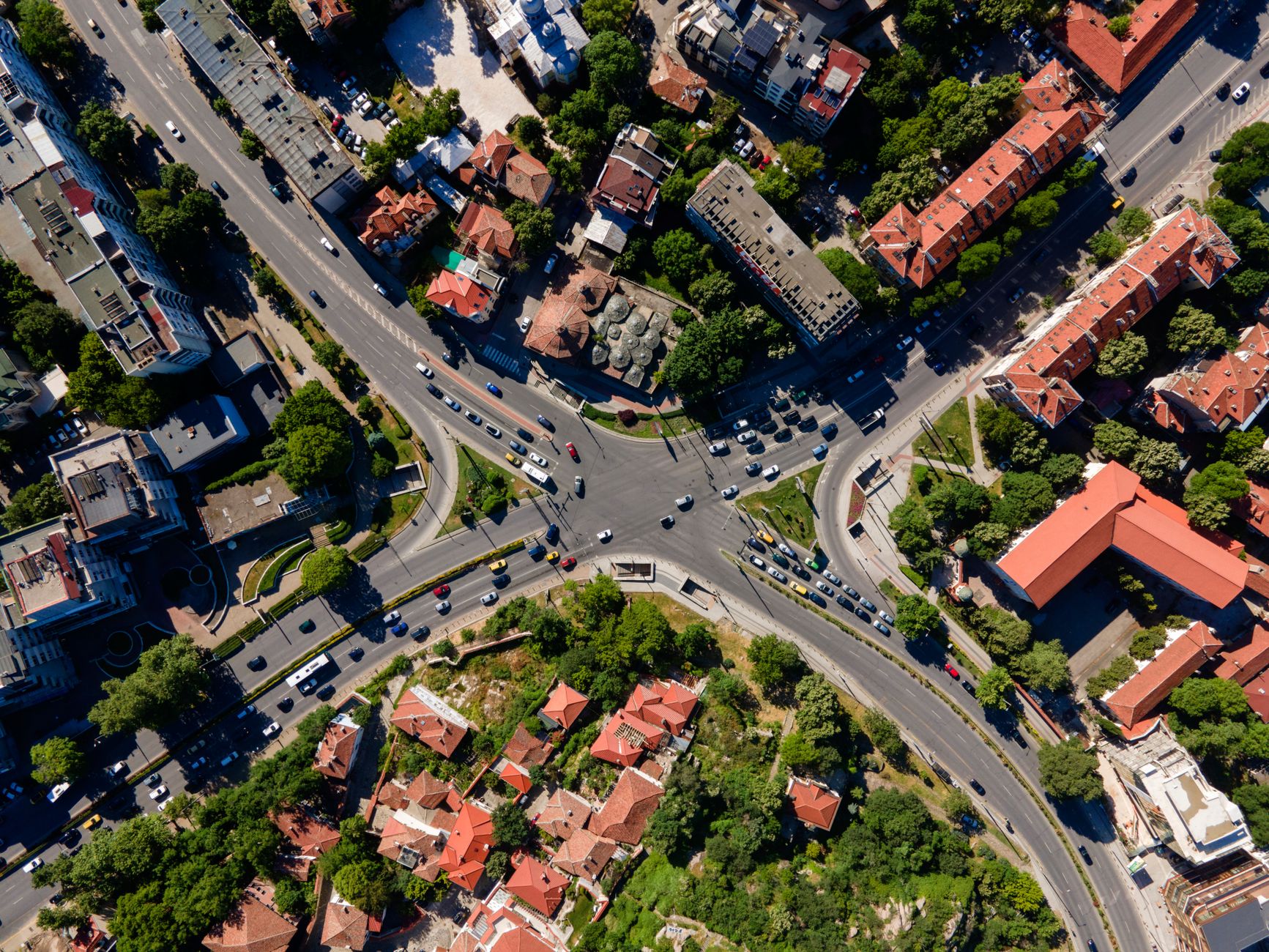
The present Dzhumaya Mosque took shape in the reign of Murad II, on the site of an earlier church according to local tradition. Its red-brick mass and deep prayer hall tell the story plainly: Ottoman Plovdiv did not erase the city’s past, but it did give the center a new rhythm, measured by trade and the call to prayer.
- 1845
A Revival Cathedral Looks Up
The Holy Assumption Cathedral was completed in stone in 1845 by craftsmen from Bratsigovo. Its wide interior and carved iconostasis belong to the Bulgarian National Revival, when faith, language, and architecture were all being used to argue for a different future.
- 1859
Bulgarian Liturgy Sounds Out
On 25 December 1859, the cathedral hosted the first solemn liturgy in Bulgarian, a sharp break from Greek ecclesiastical control. This was theology with political consequences. Words changed, and with them the sense of who the city belonged to.
- 1876
April Uprising Reaches Plovdiv
News of the April Uprising hit Plovdiv on 22 April, and local revolutionaries tried to ignite revolt in the Uzun Charshia. They failed to take the city. Ottoman reprisals followed, and contemporary accounts describe gallows along the bridge and market streets.
- 1878
Hristo Danov Prints a New Bulgaria
In liberated Plovdiv, Hristo G. Danov established the first printing house in free Bulgaria and helped turn the city into a publishing capital. Ink mattered here. Schoolbooks, calendars, and printed pages built a nation as surely as soldiers did.
- 1878
Plovdiv Becomes Eastern Rumelia’s Capital
After the Treaty of Berlin, Plovdiv became the capital of autonomous Eastern Rumelia. For seven compressed years, the city functioned as a political laboratory, full of officials, arguments, newspapers, and the peculiar tension of half-freedom.
- 1885
Zahari Stoyanov Plots Unification
From Plovdiv, Zahari Stoyanov chaired the revolutionary committee that prepared the union of Eastern Rumelia with the Principality of Bulgaria. He understood something dry constitutional language often misses: cities change course because a few determined people decide the waiting has gone on long enough.
- 6 September 1885
Unification Begins in Plovdiv
On 6 September, local forces and sympathetic officers overthrew the Eastern Rumelian government and declared unification with Bulgaria. Plovdiv was not a backdrop to the event. It was the stage, the engine, and the reason the date still carries such charge in the city’s calendar.
- 1892
The Fair Opens Bulgaria Outward
The First Bulgarian Agricultural and Industrial Exhibition opened on 15 August 1892 and ran for 75 days, drawing exhibitors from 25 countries and around 167,000 visitors. That is a large number even now. For Plovdiv, it announced a city looking beyond survival and toward trade, industry, and self-display.
- 1896
Tsanko Lavrenov Is Born
Tsanko Lavrenov was born in Plovdiv and later painted Old Town as if memory itself had learned to use color. His tilted roofs, monasteries, and impossible perspectives helped fix Plovdiv in the Bulgarian imagination: half real city, half dream seen through woodsmoke and winter light.
- 1943
Metropolitan Kiril Stops Deportation
When Plovdiv’s Jews were rounded up for deportation in March 1943, Metropolitan Kiril intervened and became one of the public figures associated with stopping their removal. Around 1,500 people in the city were at risk. History can turn on paperwork, rail schedules, and one man refusing to stay quiet.
- 1972
A Landslide Reveals the Theatre
A landslide in the early 1970s helped expose the long-buried Ancient Theatre beneath the old quarter. Plovdiv has a habit of doing this. Dig for one century and another one answers back.
- 1999
Europe Notices Plovdiv Again
Plovdiv hosted a European Cultural Month in 1999, an early sign of the city’s post-socialist cultural reintroduction to the continent. Heritage here was no longer treated as local nostalgia. It became a civic strategy.
- 2019
Capital of Culture, At Last
Plovdiv became the first Bulgarian city to hold the title of European Capital of Culture, delivering more than 600 events under a program that leaned hard on the city’s mixed inheritance. That choice suited the place. Plovdiv has always made more sense as a stack of epochs than as a clean national story.
- 2021
The Roman Stadium Reappears
A newly accessible eastern sector of the Roman Stadium opened beneath a shopping zone in the city center in September 2021. Few cities stage their archaeology with such deadpan confidence. Buy a coffee, walk a few meters, and you are staring at the bones of a 2nd-century arena.
Who lived here
-
King of Macedon · 382–336 BCE
Philip II of Macedon
City's classical namesake
Philip II stamped himself onto the city's identity when Philippopolis took his name in the 4th century BCE. He would still recognize the strategic instinct behind the hills: hold the high ground, watch the plain, own the road.
-
Publisher and educator · 1828–1911
Hristo G. Danov
Lived and worked here; later mayor of Plovdiv
Danov helped turn Plovdiv into a Bulgarian publishing capital, building a printing and bookselling world in a city that was arguing over language, schooling, and who got to shape the future. Walk past his house now and you can almost hear the paper, the ink, the civic ambition.
-
Linguist and folklorist · 1823–1900
Nayden Gerov
Studied, worked, and died here
Gerov fought for Bulgarian education in Plovdiv when language was a political act, not a classroom detail. He spent years gathering words, which feels fitting in a city where every street seems to keep older names tucked under the new ones.
-
Writer · 1850–1921
Ivan Vazov
Lived and wrote here for several years
Vazov wrote part of his literary life in Plovdiv, during years when the city was one of Bulgaria's liveliest cultural stages. He would probably find today's cafe tables familiar enough: people still argue, flirt, and perform intelligence in public here.
-
Painter · 1896–1978
Tsanko Lavrenov
Born here
Lavrenov painted Old Plovdiv in those improbable tilted forms that make the houses look half real, half remembered. Stand on the cobbles near the Revival mansions and you see why he kept returning to them: the city already looked slightly painted.
-
Operatic soprano · born 1981
Sonya Yoncheva
Born here
Yoncheva studied in Plovdiv, then carried that voice onto the world's major opera stages before returning to sing at the Ancient Theatre. Few homecomings suit a singer better than Roman stone, open air, and a city that still treats performance as part of daily life.
-
Footballer · born 1966
Hristo Stoichkov
Born here; began with Maritsa Plovdiv
Stoichkov started in Plovdiv before turning into Bulgaria's fiercest football export. He'd still recognize the local appetite for swagger: this is a city that likes talent with a little edge on it.
Where to Eat
Where locals actually book dinner — not the tourist menus.
-
Shopska Salad
This Bulgarian classic sounds simple until you eat it where the tomatoes have real scent and the sirene cheese lands salty and sharp on top. Order it with rakia before dinner; locals do, and they are not wrong.
-
Patatnik
Patatnik comes from the nearby Rhodope region: grated potatoes, onion, spearmint, and white cheese pressed into a skillet until the edges crisp. It looks humble. Then the mint arrives.
-
Kavarma
Kavarma is a clay-pot stew of pork or chicken, onions, peppers, and wine, cooked until everything tastes darker and deeper than it has any right to. On a cool evening, this is the dish that makes you stay for one more glass.
-
Sarmi
Stuffed vine or cabbage leaves show up all over Bulgaria, but Plovdiv’s taverns do them especially well when the filling stays loose and aromatic rather than heavy. Look for versions with rice, minced meat, and enough dill to wake the whole plate up.
-
Banitsa
Banitsa is the breakfast move: flaky pastry folded around eggs and white cheese, best eaten warm enough to stain the paper bag. Buy one early from a bakery near the center and carry it into Tsar Simeon Garden.
-
Grilled Kebapche and Kyufte
These skinless grilled sausages and meat patties belong with cold beer, mustard, and very little ceremony. Seek them out in old-school mehanas rather than polished international menus; smoke and char are the point.
-
Rhodope Trout
Mountain rivers south of Plovdiv supply trout that usually reaches the plate grilled, lemony, and barely fussed with. After a few heavy meat dishes, it feels like somebody opened a window.
-
Mavrud Wine
Plovdiv sits in serious wine country, and Mavrud is the bottle to chase: a local red grape that gives dark fruit, spice, and enough structure for roasted meats. The Plovdiv City Card even folds wine tastings into some offers, which is a rare case of a tourist product earning its keep.
Insider tips
Small things that change how the city treats you.
Use the airport shuttle
Plovdiv Airport's shuttle leaves Bus Station South 2 hours 30 minutes before each scheduled flight and departs the airport 30 minutes after landing. Fare is BGN 10, paid on board, which is usually cheaper and less awkward than haggling over a taxi.Rely on buses
Plovdiv has buses only, no tram or metro, and the municipality runs an electronic ticketing system. Check route maps before you head uphill to the Old Town, because the cobbles and slopes feel longer in August heat than they look on a map.Go early uphill
Nebet Tepe and the Old Town are best early in the morning or after 6 p.m., when the stone streets throw softer light and the hills are less punishing. Midday is fine for the Bishop's Basilica, which is indoors and air-conditioned.Fly via Sofia
If Plovdiv Airport schedules don't work, Sofia is the practical backup: it's 130 km away, with regular buses from Sofia Central Bus Station from 15 lv. For many international routes, this ends up cheaper and more flexible than waiting for a seasonal Plovdiv flight.Eat breakfast local
Skip the hotel buffet once and grab banitsa with ayran or boza from a bakery instead. That's how the city actually starts its day, fast and buttery, with people eating on the move rather than lingering over eggs.Order Mavrud
If a wine list looks too long, start with Mavrud, the red grape locals mention first around Plovdiv. It suits the city's slower dinner rhythm, especially in the Old Town courtyards where one glass has a habit of turning into three.Book festival weekends
Plovdiv gets crowded during the Wine and Gourmet Festival in May and Opera Open from late June into September, especially around the Old Town and Ancient Theatre. Reserve dinner and event tickets early, or you'll spend the evening watching other people have the better plan.
Gallery
The city, as it actually looks.

Frequently asked
Is Plovdiv worth visiting?
Yes, especially if you like cities that show their history in plain sight instead of behind barriers. Plovdiv puts a Roman stadium under a shopping street, a working Roman theatre above modern rooftops, and early Christian mosaics inside a sleek museum building. Few cities feel this layered without feeling heavy.
How many days in Plovdiv?
Two to three days is the sweet spot. One day covers the Old Town, Ancient Theatre, Roman Stadium, Kapana, and a sunset at Nebet Tepe; a second lets you slow down for the Bishop's Basilica, museums, long meals, and an evening performance. Stay longer if you're using it as a base for Rhodope day trips or wine weekends.
How do I get from Plovdiv Airport to the city center?
The official airport shuttle is the easiest budget option. It runs between Plovdiv Airport and Bus Station South, leaves town 2 hours 30 minutes before scheduled flights, and leaves the airport 30 minutes after landing; the fare is BGN 10, paid on the bus. Official taxi partners are listed by the airport if you're arriving late.
Should I fly to Sofia or Plovdiv for a Plovdiv trip?
Sofia often makes more sense. Plovdiv Airport is closer at 10 km from town, but Sofia Airport has far more international connections and regular onward buses and trains to Plovdiv. If flight times or prices look bad into PDV, Sofia is the sensible move, not a compromise.
Is Plovdiv safe for tourists?
Yes, Plovdiv is generally safe for visitors, and the center stays lively into the evening. Use the usual city precautions in crowded pedestrian areas, watch your footing on steep cobbles after dark, and order licensed taxis through official airport partners or reputable local companies. The real hazard is the hill, not the crime rate.
Is Plovdiv expensive?
No, by European city standards it's still fairly affordable. City buses, bakery breakfasts, and even strong local wine tend to cost far less than in Western Europe, though stylish Kapana bars and Old Town terrace restaurants can climb quickly on festival weekends. Budget travelers do well here if they mix bakeries, buses, and one planned splurge dinner.
Can you walk Plovdiv, or do you need public transport?
You can walk most of the center, and that's the right way to feel the city. The Roman Stadium, Kapana, the Old Town, and the Ancient Theatre sit close enough for one long wandering day, but buses help for outer districts, the heat, or tired knees after too many hills. Good shoes matter more than a transport pass.
What is the best area to stay in Plovdiv?
For first-timers, stay near the central pedestrian zone, Kapana, or the edge of the Old Town. That puts coffee, Roman ruins, late-night bars, and most museum stops within a short walk. Old Town hotels are atmospheric, but dragging a suitcase over those stones will test your affection for heritage.
Pick up where you left off
Saved and recently read places — kept on this device only.
Photo credits (7)
- Irenè Lazarova — Pexels License (https://www.pexels.com/license/) — Source: https://www.pexels.com/photo/4456056/
- Anton Atanasov — Pexels License (https://www.pexels.com/license/) — Source: https://www.pexels.com/photo/6804753/
- Denitsa Kireva — Pexels License (https://www.pexels.com/license/) — Source: https://www.pexels.com/photo/12204346/
- Denitsa Kireva — Pexels License (https://www.pexels.com/license/) — Source: https://www.pexels.com/photo/14469884/
- Denitsa Kireva — Pexels License (https://www.pexels.com/license/) — Source: https://www.pexels.com/photo/12192356/
- Denitsa Kireva — Pexels License (https://www.pexels.com/license/) — Source: https://www.pexels.com/photo/12192372/
- Denitsa Kireva — Pexels License (https://www.pexels.com/license/) — Source: https://www.pexels.com/photo/12192381/
Photos may have been resized or cropped.