Introduction
In the heart of São Paulo’s historic downtown, the Triangle Building (Edifício Triângulo) stands as a testament to the city’s architectural innovation and urban evolution. Designed by Oscar Niemeyer and inaugurated in 1955, it occupies a uniquely shaped plot at the convergence of Rua José Bonifácio, Rua Quintino Bocaiúva, and Rua Direita—a reflection of São Paulo’s earliest urban layout and the city’s triangular origin. Today, the Triangle Building is not only a striking example of mid-century modernism, but also a gateway for visitors to explore the rich history, culture, and dynamic life of São Paulo’s historic core. This guide provides comprehensive information on visiting hours, ticketing, accessibility, and practical tips for exploring the Triangle Building and its surrounding historical sites (Wikipedia; spcity.com.br; Official São Paulo Tourism; braziloffbeat.com).
Historical Background
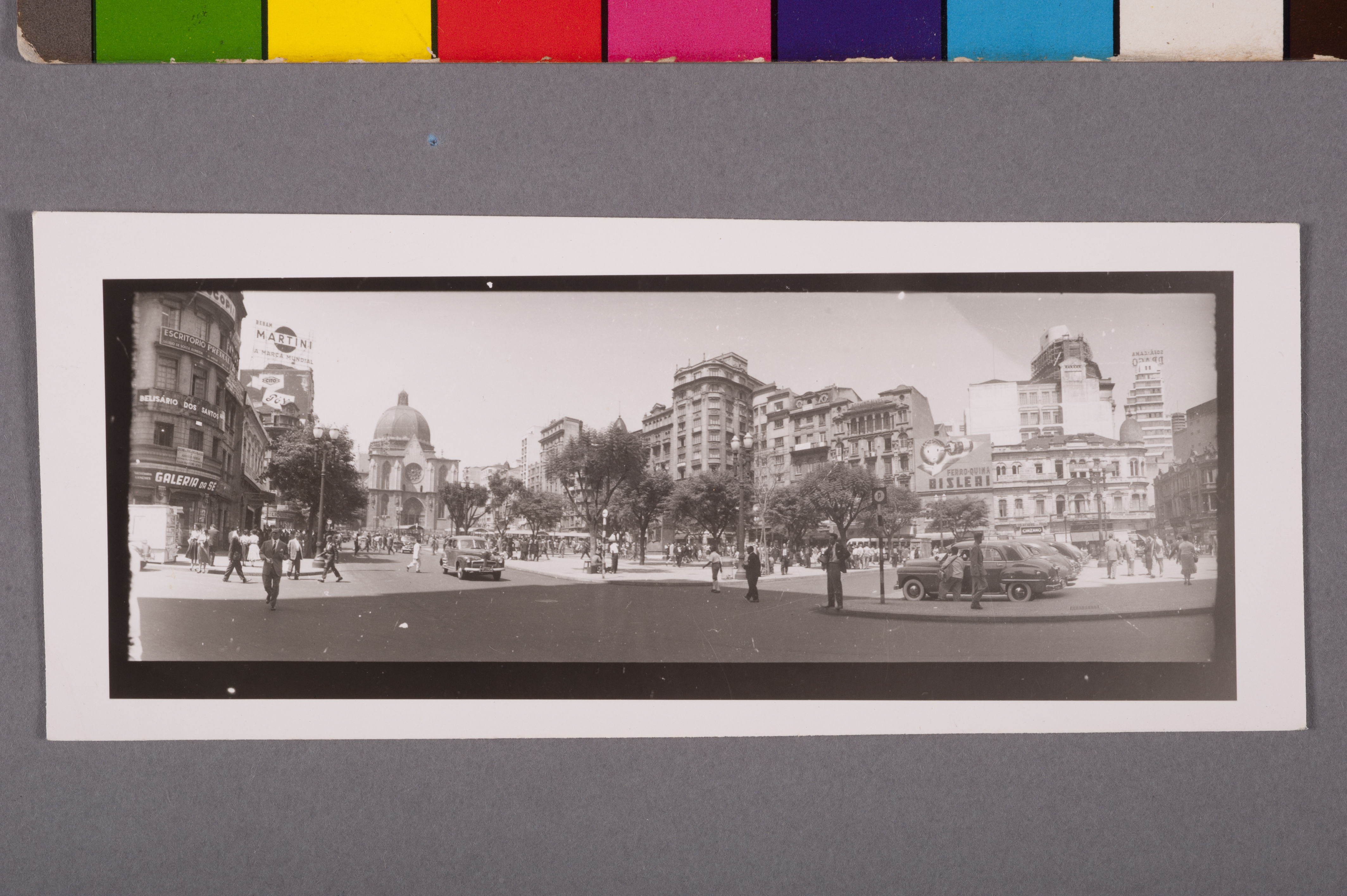
Founded in 1554, São Paulo’s historic center—known as the “Triângulo Histórico”—was established by Jesuit priests on a triangular plateau, strategically located between the Tietê and Tamanduateí rivers. Over centuries, this area developed into the city’s civic, religious, and financial center, blending colonial, baroque, eclectic, and modernist architecture. The Triangle Building, constructed during the city’s post-World War II expansion, is a modern homage to these origins and a reflection of São Paulo’s transformation from a colonial settlement to a bustling metropolis (area-arch.it).
Commissioned by Banco Nacional Imobiliário, the Triangle Building was designed by Oscar Niemeyer in the early 1950s, responding to the needs of a rapidly growing urban population. Its triangular form was dictated by the convergence of three streets, echoing the city’s foundation and challenging Niemeyer to adapt modernist design principles to a restrictive site (Wikipedia; spcity.com.br).
Architectural Significance
Design and Form
The Triangle Building is a prime example of Brazilian modernism. Niemeyer’s design maximizes the usable area within the triangular lot, originally envisioning a sleek, prism-like structure with extensive glass façades and brise-soleils. However, São Paulo’s regulations required upper-floor setbacks, resulting in the building’s signature stepped “wedding cake” profile. The structure’s reinforced concrete and generous fenestration reflect both functional needs and the influence of modernist aesthetics (Wikipedia).
Artistic Elements
A highlight of the building is the glass mosaic panel by Di Cavalcanti, a celebrated figure in Brazilian art. This mosaic, located above the entrance, is a protected heritage element and exemplifies the mid-century Brazilian ideal of uniting architecture and art. Although it suffered damage and partial restoration in the 1990s, the panel remains an important cultural feature (spcity.com.br).
Urban Context
The Triangle Building is situated among several of Niemeyer’s other works, including the Copan, Montreal, California, and Eiffel buildings. Its prominent location and integration of art and commerce make it a pivotal element in São Paulo’s cityscape, bridging the city’s colonial past with its modernist ambitions (Wikipedia).
Role in São Paulo’s Urban Fabric
The Triangle Building anchors the Centro district, surrounded by key cultural and commercial sites like Praça da Sé, the Municipal Theater, and the Pátio do Colégio. Its ground floor hosts retail spaces and services that contribute to the vitality of the area. The building’s mixed-use character and centrality make it a reference point for both locals and visitors navigating downtown São Paulo (braziloffbeat.com; theytravelling.com).
Visiting Hours, Tickets, and Accessibility
Visiting Hours
- Triangle Building: Open Monday to Friday, 8:00 AM – 6:00 PM. Closed on weekends and public holidays. Public access is generally limited to the lobby and retail areas; upper floors are restricted to tenants.
- Historic Triangle Area: The surrounding pedestrian streets and public spaces are accessible at all times, with most shops and attractions open 9:00 AM – 6:00 PM on weekdays, and reduced hours on weekends (Tourist Places Guide).
Tickets
- No ticket is required to visit the exterior or lobby of the Triangle Building.
- Entry to most public spaces in the Historic Triangle is free; some museums, churches, or guided tours may charge modest admission fees.
- Guided walking tours of the historic center, which often include the Triangle Building, are available from local providers and cost around R$50–R$100 (USD 10–20) (Go Ask a Local).
Accessibility
- The Triangle Building’s entrance and lobby are wheelchair accessible. Some upper floors may not be fully accessible due to the building’s age.
- The Historic Triangle district features wide sidewalks and pedestrian-friendly streets, but some older buildings may lack ramps or elevators.
- Nearby metro stations (Sé and São Bento) and bus lines provide easy access for visitors with mobility needs.
Practical Visitor Information
Location and Transportation
- Address: Rua José Bonifácio, 24, Centro, São Paulo.
- Metro: Closest stations are Sé (Lines 1-Blue and 3-Red) and São Bento (Line 1-Blue), both within a short walk.
- Bus: Multiple routes serve the area.
- Parking: Limited; public transport is strongly recommended (braziloffbeat.com).
Nearby Attractions
- Pátio do Colégio: São Paulo’s founding site and museum.
- Sé Cathedral: Iconic neo-Gothic cathedral and city landmark.
- Municipal Theater: Renowned venue for the performing arts.
- Edifício Martinelli: São Paulo’s first skyscraper, with rooftop views.
- Farol Santander: Skyscraper with 360° observation deck and exhibitions.
- São Bento Monastery: Baroque architecture and Gregorian chants (theytravelling.com).
Amenities
- Cafés, bakeries, and restaurants abound in the area.
- Public restrooms available in some museums and galleries; facilities in cafés are recommended.
- Shops and banks serve both visitors and office workers.
Safety
- The area is busy and generally safe during business hours. Exercise caution against pickpockets, especially in crowded spots.
- Avoid isolated streets after dark; stick to well-lit areas (laidbacktrip.com).
Photography
- The building’s triangular form and mosaic panel offer excellent photo opportunities, especially in morning or late afternoon light.
- Respect private property and signage when photographing interiors.
Visitor Tips
- Plan Your Visit: Weekdays during business hours are best for visiting the Triangle Building and nearby attractions.
- Footwear: Wear comfortable shoes for walking on cobblestone streets.
- Weather: April to October offers mild weather and less rain—ideal for exploring on foot (The Broke Backpacker).
- Language: Basic Portuguese or a translation app is helpful; English is not widely spoken.
- Cash and Cards: Most places accept credit cards, but carry some Brazilian reais for small purchases.
Frequently Asked Questions (FAQ)
Q: What are the Triangle Building visiting hours?
A: Monday–Friday, 8:00 AM–6:00 PM; weekends and holidays closed.
Q: Do I need a ticket to visit the Triangle Building?
A: No. The lobby and exterior are free to visit.
Q: Is the Triangle Building accessible for wheelchair users?
A: The lobby and ground floor are accessible; upper floors may be restricted.
Q: Are guided tours available?
A: While there are no official tours for the building alone, many city walking tours feature it as a highlight.
Q: Is the surrounding area safe?
A: Yes, during the day. Stay alert and avoid isolated streets at night.
Summary and Final Tips
The Triangle Building is a must-see for architecture lovers and history enthusiasts exploring São Paulo’s historic core. Its iconic form, artistic mosaic, and central location make it a highlight of any walking tour in the Centro district. Combine your visit with nearby landmarks, enjoy the vibrant urban life, and deepen your experience through guided tours and digital resources.
For the best experience, plan your visit during weekday business hours, travel by public transport, and make time to explore the area’s cultural and culinary offerings. Support local businesses, respect heritage sites, and contribute to responsible tourism.
Stay connected and informed by downloading the Audiala app for curated walking tours, travel updates, and insider tips. Follow us on social media for more guides to São Paulo’s architectural treasures (Audiala; Tourist Places Guide).
Listen to the full story in the app
Your Personal Curator, in Your Pocket.
Audio guides for 1,100+ cities across 96 countries. History, stories, and local insight — offline ready.
Audiala App
Available on iOS & Android
Join 50k+ Curators
Sources
- verified
- verified
- verified
- verified
- verified
- verified
- verified
- verified
Last reviewed: