Introduction to SciELO São Paulo: History and Cultural Importance
São Paulo, Brazil, is renowned as a hub of academic innovation and cultural diversity, home to institutions that shape both local and global knowledge landscapes. Among these, SciELO (Scientific Electronic Library Online) stands out as a transformative digital platform that has significantly advanced the dissemination and accessibility of scientific research, particularly from Latin America and other developing regions. Established in 1997 through a collaborative initiative involving FAPESP, BIREME, CNPq, and CAPES, SciELO was created to address the under-representation of Latin American journals in global scientific discourse. Today, it provides access to over 1,500 journals from more than 15 countries, hosting a repository of over 800,000 articles (SciELO About; SciELO Journals).
This guide is crafted for researchers, academics, and professionals interested in open-access scholarly communication. It explores SciELO’s historical development, mission, and its pivotal role within São Paulo’s academic community. In addition, it offers practical information for those planning to visit SciELO’s headquarters in the Vila Clementino district, including accessibility, appointments, and language considerations. Whether you wish to connect directly with SciELO’s initiatives or leverage its expansive digital resources, this guide provides the insights needed to engage with one of Latin America’s leading platforms for open-access research (SciELO Contact; São Paulo Travel Guide).
Welcome to SciELO: São Paulo’s Scholarly Communication Hub
Located in the academic core of São Paulo, SciELO is a pioneering open-access platform that has reshaped the global visibility of scientific literature from Latin America. Whether you are an academic, researcher, or professional involved in scientific publishing, this guide equips you with essential knowledge about SciELO’s operations and how to visit its São Paulo headquarters.
The History of SciELO
Launched in 1997 by a coalition of leading Brazilian research agencies, SciELO’s initial goal was to enhance the global reach of Latin American scientific journals. Since then, it has expanded into a multi-national network, now curating a vast collection of journals and articles in a variety of disciplines (SciELO About; SciELO Journals).
Mission and Objectives of SciELO
SciELO’s mission is to promote open access to high-quality research, especially from developing countries. Its core objectives are:
- Open Access: Providing unrestricted access to scholarly content globally.
- Quality Assurance: Maintaining rigorous editorial and peer-review processes.
- Internationalization: Enhancing visibility through multilingual content and indexing.
- Technological Innovation: Leveraging platforms such as the SciELO Submission System.
- Capacity Building: Offering training for editors, reviewers, and researchers (SciELO Mission).
Visiting SciELO’s São Paulo Office
Location and Contact
- Address: Rua Dr. Diogo de Faria, 1087 – 9º andar, Vila Clementino, São Paulo, SP, 04037-003, Brazil
- Email: [email protected]
- Website: SciELO Contact
The office is situated in Vila Clementino, an area known for its academic institutions and research centers. It is easily accessible via São Paulo’s metro system, bus routes, taxis, and ride-sharing services (São Paulo Travel Guide).
Visitor Information
- Appointments: All visits must be scheduled in advance by contacting SciELO. Walk-ins are not permitted.
- Events and Workshops: SciELO regularly hosts and participates in events focused on open access, scientific publishing, and research evaluation. For updates, visit the SciELO Events Portal.
- Language: While the platform supports Portuguese, Spanish, and English, in-person communication is primarily in Portuguese. Consider bringing a translator or Portuguese-speaking colleague if needed.
FAQs for Visitors
Q: Can I visit SciELO without an appointment?
A: No, prior scheduling via email is required.
Q: Are there public exhibitions at SciELO?
A: No, SciELO operates as an administrative and digital platform, not a museum or exhibition space.
Q: How can I submit research to SciELO journals?
A: Use the SciELO Submission System and follow each journal’s guidelines.
Q: Are virtual tours available?
A: SciELO does not currently offer virtual tours but provides comprehensive online resources.
SciELO’s Impact in the Academic Community
SciELO collaborates with key academic institutions such as the University of São Paulo (USP) and the State University of São Paulo (UNESP), reinforcing São Paulo’s reputation as a leading center for research and scientific innovation (Visiting São Paulo).
Planning Your Visit: Travel and Nearby Attractions
- Transportation: Vila Clementino is well-connected by public transport and taxis.
- Accommodation: The area offers a variety of hotels and guesthouses.
- Nearby Attractions: Consider visiting Ibirapuera Park, the São Paulo Museum of Art (MASP), Paulista Avenue, and other landmarks (Touropia).
- Networking: Coordinate your visit with academic events or meetings at neighboring institutions for a richer experience.
Related Visits: São Paulo’s Historical Monuments
The Monument to the Bandeiras
Located in Ibirapuera Park, the Monument to the Bandeiras (Monumento às Bandeiras) is a striking granite sculpture by Victor Brecheret, inaugurated in 1954. It commemorates the bandeirantes—explorers who expanded Brazil’s frontiers in the 17th and 18th centuries—while acknowledging their complex legacy. The monument is open daily from 6:00 AM to 6:00 PM with free entry, making it ideal for photography and cultural exploration. The surrounding park offers additional attractions, including the São Paulo Museum of Modern Art and the Japanese Pavilion. The monument is wheelchair accessible, and while no official guided tours are offered, many city tours include it as a stop (Ibirapuera Park Official Website; São Paulo Tourism Official Site; Victor Brecheret Biography - Brazilian Art Museum).
São Paulo Cathedral (Catedral da Sé)
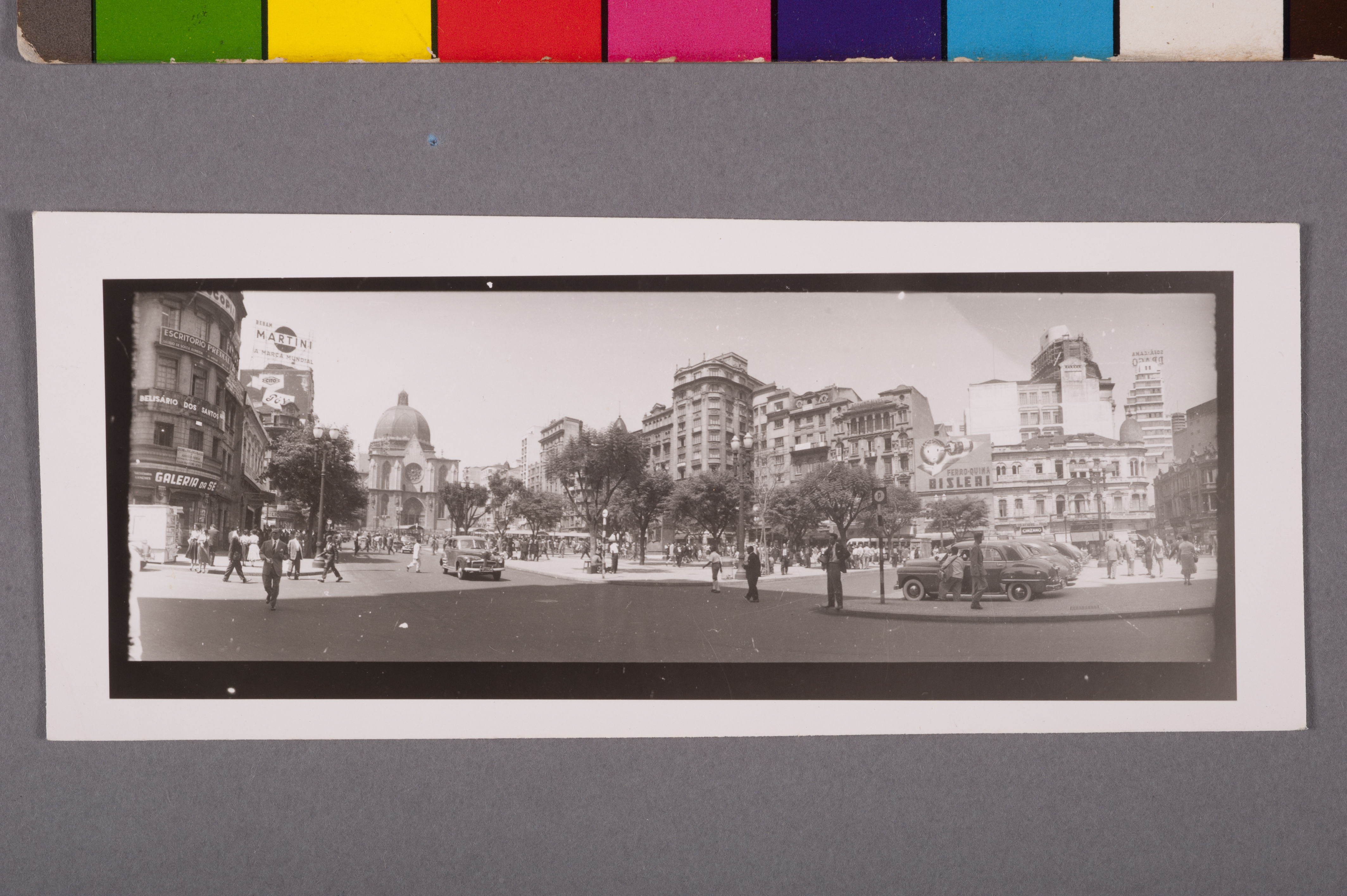
The São Paulo Cathedral is a neo-Gothic architectural marvel in the city’s historic center, serving as both a religious and cultural landmark. Visitors may tour the cathedral Monday to Saturday from 7:00 AM to 7:00 PM, and Sundays until 6:00 PM. Guided tours are offered on weekdays, and entry is free (donations welcome). The cathedral features stunning stained glass, a grand altar, and a crypt with historic significance. It is fully accessible and conveniently located near the Sé Metro Station. Nearby attractions include Pátio do Colégio, the Municipal Market, and the São Bento Monastery. For more details, visit the official São Paulo Cathedral website.
Essential Visitor Information: SciELO São Paulo
- Public Transport: Santa Cruz Metro Station (Line 1-Blue) is a 10–15 minute walk from SciELO. Multiple bus routes serve the area.
- Taxi/Ride-Share: Provide the full address for drop-off.
- Driving: Traffic may be heavy during rush hours; parking is limited and paid.
- Visitor Hours: Monday to Friday, 9:00 AM to 5:00 PM. Closed weekends and public holidays. Register at the building’s reception.
- Health & Safety: As of June 2025, no COVID-19 restrictions, but check for updates.
- Language: Correspondence is available in English; in-person communication is mainly in Portuguese.
- Accessibility: Office is on the 9th floor with elevators; no public reading rooms, as all content is digital (Accessibility Interdisciplinary Working Group).
- Nearby Amenities: Ample cafés and restaurants; safe accommodation options in nearby districts.
Tips for Academic and Professional Visitors
- Schedule appointments at least two weeks in advance by emailing [email protected].
- Clearly state your affiliation and the purpose of your visit.
- Bring a government-issued photo ID for building access.
- Dress business casual.
- Coordinate your visit with academic events at nearby universities like USP or UNIFESP for a comprehensive experience.
- Subscribe to SciELO’s newsletter and follow their news section for updates on webinars and training.
Summary of Key Points and Final Visitor Tips
SciELO is a pivotal institution in the global open-access movement, supporting equitable scientific exchange and enhancing the international presence of Latin American research. Its São Paulo headquarters, while administrative, provides valuable opportunities for visitors seeking to deepen their understanding of open-access publishing and digital libraries. By arranging visits in advance and leveraging SciELO’s extensive online platforms, academics and professionals can engage with the latest in scholarly communication, capacity building, and bibliometric analysis (SciELO Mission; SciELO Submission System).
With its strategic location in an academic district surrounded by São Paulo’s cultural and research institutions, SciELO reinforces the city’s role as a center for scientific advancement. Visitors are encouraged to integrate their visit with other academic and cultural experiences for a well-rounded São Paulo stay. Continued engagement with SciELO’s digital resources and community events ensures ongoing access to the forefront of open-access publishing (SciELO Portal; SciELO Events Portal).
Listen to the full story in the app
Your Personal Curator, in Your Pocket.
Audio guides for 1,100+ cities across 96 countries. History, stories, and local insight — offline ready.
Audiala App
Available on iOS & Android
Join 50k+ Curators
Sources
- verified
- verified
- verified
- verified
- verified
- verified
- verified
- verified
Last reviewed: