Plan and listen to São Paulo Museum Of Sacred Art with Audiala.
Audio guide in your pocket, itinerary in your browser. Built for the way you actually visit.
Introduction
The São Paulo Museum of Sacred Art (Museu de Arte Sacra de São Paulo, MAS-SP) is a cornerstone of Brazilian cultural heritage, located within the historic Luz Monastery in São Paulo. This institution not only preserves an exceptional collection of religious art from the 16th to the 20th centuries, but it also offers an immersive experience in Brazil’s colonial history, religious traditions, and evolving artistic expressions. Established in 1970 through a partnership between the State Government and the Archdiocese, MAS-SP is housed in an 18th-century national heritage site, providing an authentic context for its notable collection. Visitors encounter masterpieces by renowned artists such as Aleijadinho and Frei Agostinho da Piedade, as well as liturgical vestments, manuscripts, and a celebrated array of nativity scenes. This guide offers a comprehensive overview of the museum’s history, collections, practical visitor information, and tips to make the most of your visit (Google Arts & Culture; Museu de Arte Sacra; WhichMuseum).


Historical Background
Origins and Early Development
MAS-SP’s foundation traces back to early 20th-century São Paulo, a period of urban transformation that endangered many colonial religious artifacts. Dom Duarte Leopoldo e Silva, São Paulo’s first archbishop, responded by founding the Museum of the Curia in 1907 to protect sacred art displaced by church renovations, especially during the rebuilding of the São Paulo Cathedral (Scielo; Academia.edu; Wikipedia).
Institutionalization and Foundation
Recognizing the need for a permanent institution, an agreement in 1969 between the state government and the Archdiocese paved the way for the formal establishment of the São Paulo Museum of Sacred Art. Inaugurated in 1970, the museum found its home in the left wing of the Luz Monastery (Google Arts & Culture).
The Luz Monastery: Architecture and Historical Significance
Constructed in 1774 by Frei Galvão, the Luz Monastery stands as the only intact 18th-century colonial building in São Paulo, built with the traditional rammed earth technique (taipa de pilão). It is protected as a national heritage site by IPHAN since 1943 and by CONDEPHAAT since 1979 (Wikipedia; Google Arts & Culture).
Growth and Significance of the Collection
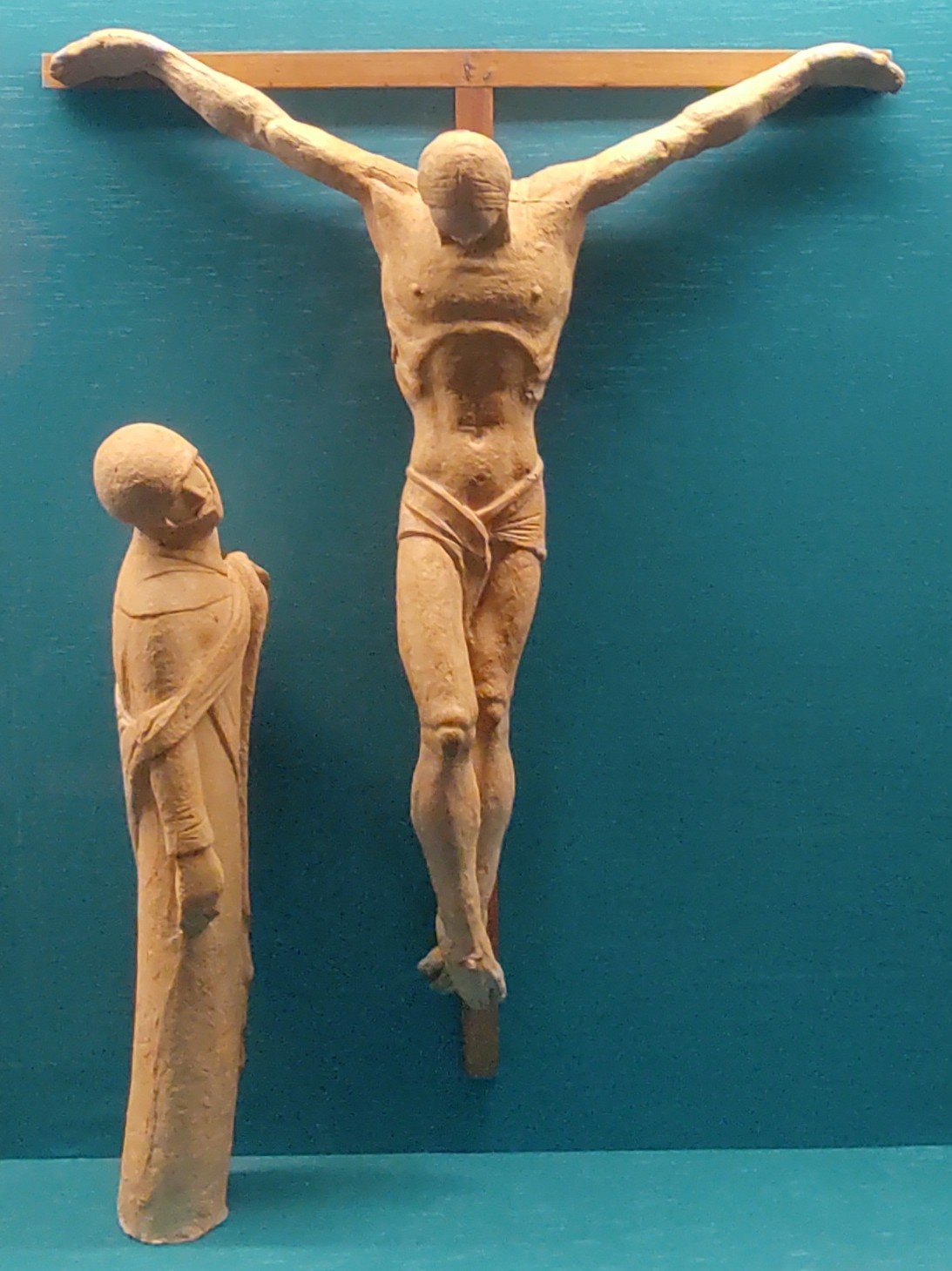
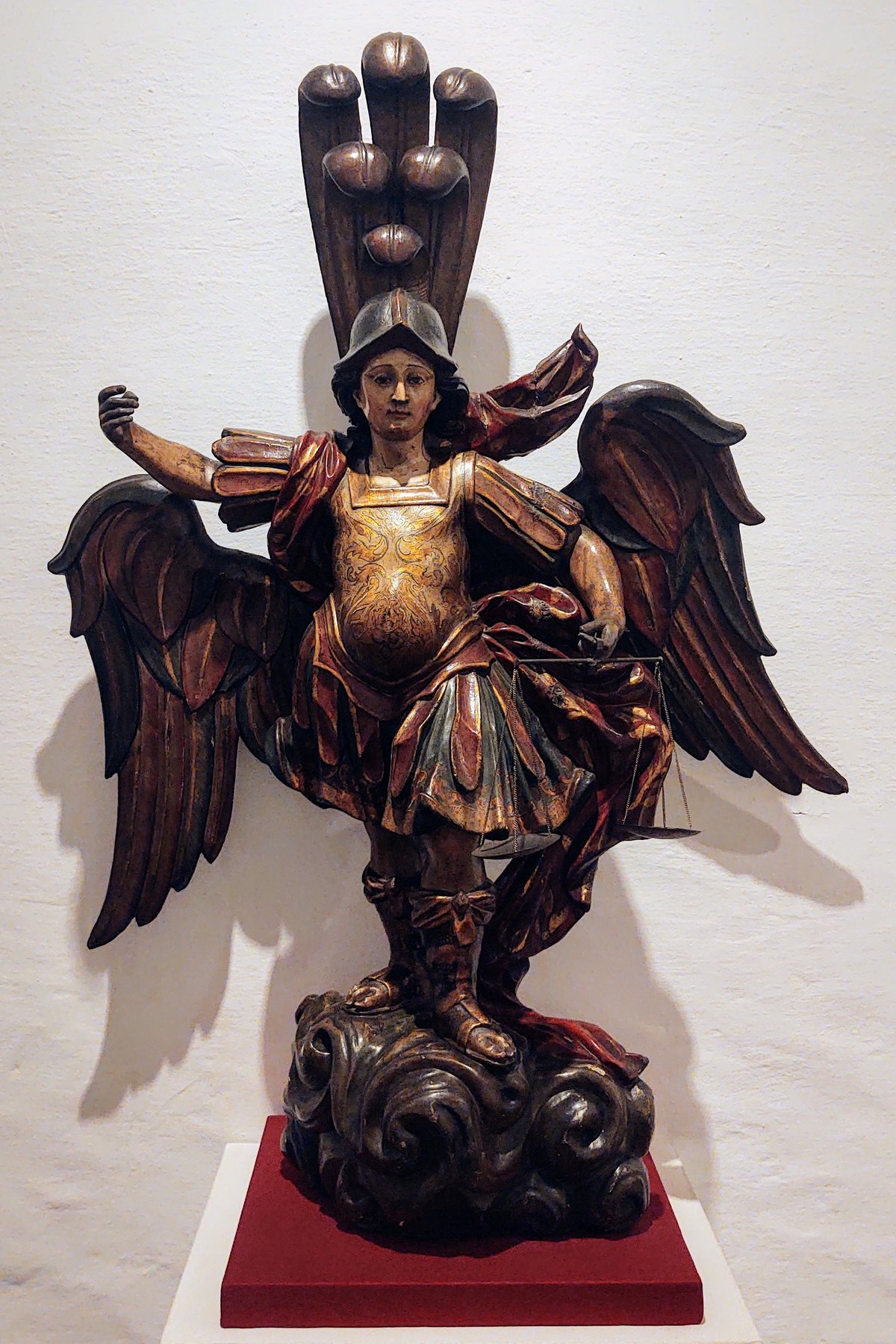
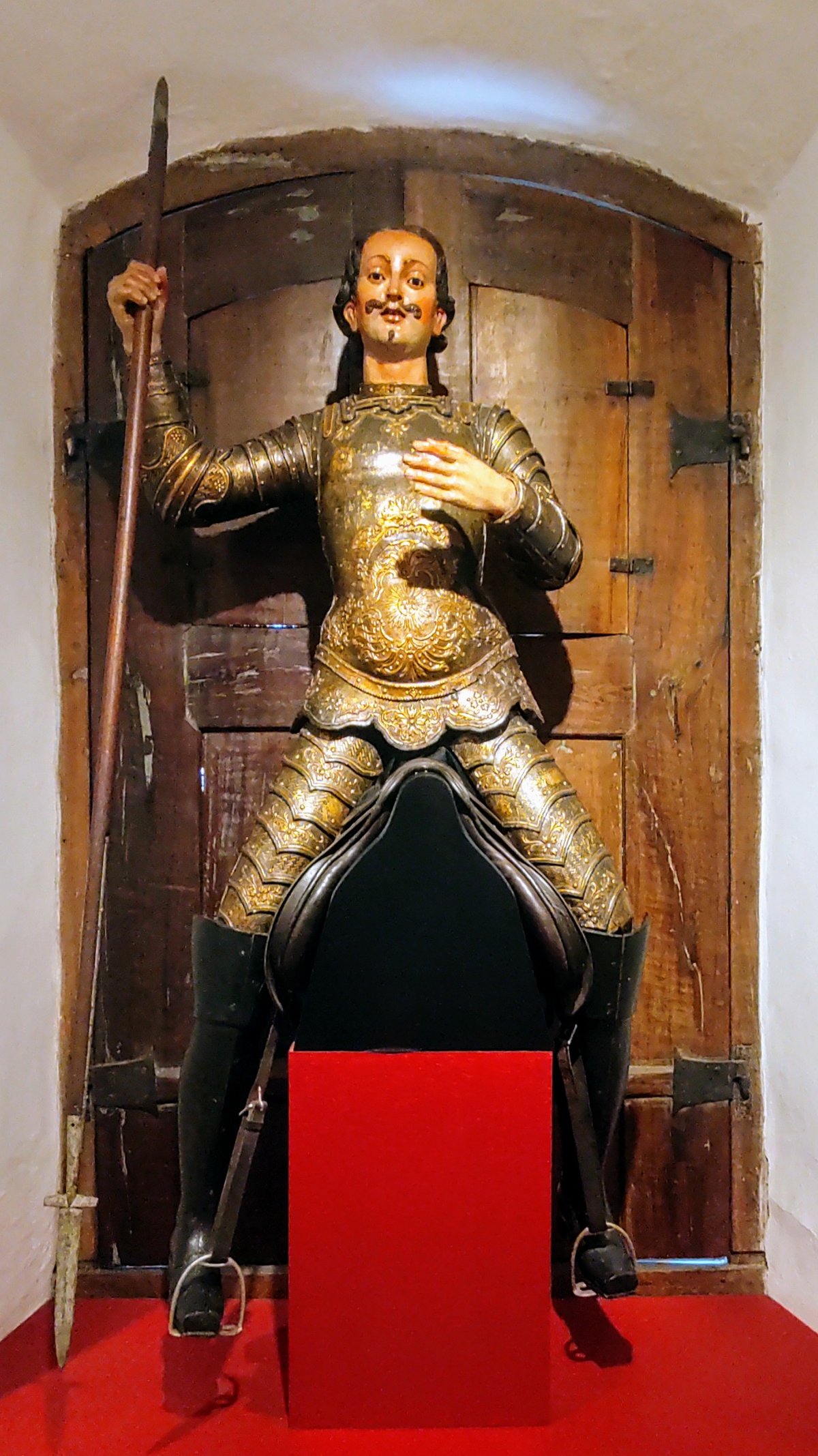
Today, MAS-SP holds over 18,000 objects, including sculptures, paintings, silverwork, liturgical vestments, rare manuscripts, and extensive collections of nativity scenes. Artists such as Aleijadinho, Frei Agostinho da Piedade, and Benedito Calixto are well represented. The breadth of the collection reflects Brazil’s multicultural roots, blending European, indigenous, and African influences (Google Arts & Culture).
Preservation Efforts
The museum’s establishment was a deliberate act of cultural preservation, returning sacred art to a meaningful historic context after periods of neglect and modern urban expansion (Scielo). Ongoing restoration efforts and heritage protections ensure the continued safeguarding of Brazil’s sacred artistic legacy.
Role in Brazilian Cultural Identity
MAS-SP is not only a custodian of artifacts but a center for research, education, and public engagement, illuminating the intersections of faith, artistry, and society in Brazil. Its pioneering museological approach has influenced similar initiatives across the country (Academia.edu).
Key Milestones
- 1907: Museum of the Curia established.
- 1943: Luz Monastery declared a national heritage site.
- 1969: State and Archdiocese partnership formed.
- 1970: MAS-SP inaugurated at Luz Monastery.
- 1979: Additional heritage protection granted.
- Current: Recognized as a leading sacred art museum in Latin America (Google Arts & Culture; WhichMuseum).
Visiting the Museum
Hours, Tickets, and Accessibility
- Opening Hours: Tuesday–Sunday, 9:00 AM–5:00 PM (last entry 4:30 PM); closed Mondays (Museu de Arte Sacra).
- Tickets: General admission R$6.00, students R$3.00, free for all on Saturdays and additional exemptions as per official guidelines.
- Accessibility: Wheelchair accessible; dedicated parking and bicycle racks. Some historic areas may have limited access—contact the museum for details (História das Artes).
Collection Highlights and Exhibitions
MAS-SP’s collection features:
- Sculptures and paintings from the 16th-20th centuries, including works by Aleijadinho and Frei Agostinho da Piedade.
- Silverwork, goldsmith pieces, and one of the world’s largest collections of sanctuary lamps.
- Liturgical vestments, processional crosses, and rare manuscripts.
- Extensive nativity scenes (presépios), including Portuguese Lusitanian clay figures (saopaulosecreto.com).
- Rotating temporary exhibitions on folk and contemporary sacred art.
Amenities and Visitor Experience
- Restrooms, parking (Rua Jorge Miranda, 43), and accessible entry points.
- No on-site café—explore nearby Luz district eateries.
- Printed guides and exhibit information available; support staff mainly speak Portuguese.
Guided Tours and Educational Programs
- Guided tours (advance booking required) and educational workshops are available, primarily in Portuguese; tours in other languages by request (Museu de Arte Sacra).
- Programs for schools and special groups; check the website for current offerings.
Location and Getting There
- Address: Avenida Tiradentes, 676, Luz, São Paulo.
- Metro Access: Steps from Tiradentes Station.
- Parking: Free, with bicycle racks and spaces for elderly/disabled guests.
Nearby Attractions
Combine your visit with:
- Pinacoteca do Estado de São Paulo: Premier art museum.
- Museum of the Portuguese Language: Celebrating linguistic heritage.

- São Paulo Museum of Art (MASP): Renowned for modernist architecture and collections (WhichMuseum).
Practical Tips and Frequently Asked Questions (FAQs)
Tips for Visitors
- Arrive early for a quieter experience, especially on free-admission Saturdays.
- Wear comfortable shoes; floors are uneven due to the historic building.
- Bring a valid student ID for discounts.
- Combine your visit with nearby museums for a cultural day.
- Respect photography and conduct guidelines—no flash or tripods without permission.
FAQs
Q: What are the museum’s hours?
A: Tuesday to Sunday, 9:00 AM–5:00 PM, closed Mondays (Museu de Arte Sacra).
Q: How much are tickets?
A: General R$6.00, students R$3.00, free on Saturdays.
Q: Is the museum accessible for people with disabilities?
A: Most areas are accessible; contact the museum for specific needs.
Q: Are guided tours available in English?
A: Mostly in Portuguese, but can be arranged in English with advance notice.
Q: Is photography permitted?
A: Yes, in designated areas for personal use; flash/tripods are restricted.
Q: Where can I park?
A: Free parking at Rua Jorge Miranda, 43.
Listen to the full story in the app
The whole São Paulo Museum Of Sacred Art,
told well.
Audio guides for 1,100+ cities across 96 countries. History, stories, and local insight — offline ready.
Verified, and shown.
Researched and written by the Audiala editorial team from historical records, architectural archives, and local expertise.
Researched from Wikidata, Wikipedia & official sources · fact-checked · How we make our guides →