Introduction
Located in the vibrant state of São Paulo, Brazil, the Regente Feijó House and the municipality of Regente Feijó provide visitors with a unique window into Brazil’s layered history, architecture, and culture. This destination highlights the legacy of Diogo Antônio Feijó—the first sole regent of the Empire of Brazil—while illustrating Brazil’s colonial roots, agricultural expansion, and ongoing urban development. From the town’s origins, shaped by the Estrada de Ferro Sorocabana railway, to the rare bandeirista architecture of the Regente Feijó House in São Paulo’s Vila Formosa district, visitors encounter stories that span centuries and reflect the evolution of Brazilian society (Regente Feijó Official Portal; Wikipedia - Regente Feijó; Prefeitura de São Paulo).
This comprehensive guide delves into the historical background, architectural features, visitor information (including visiting hours and ticketing), travel tips, nearby attractions, and preservation efforts, ensuring your visit to Regente Feijó and its iconic house is both educational and memorable (Wikipedia - Casa do Regente Feijó; Booking.com; Cidades do Meu Brasil).
Photo Gallery
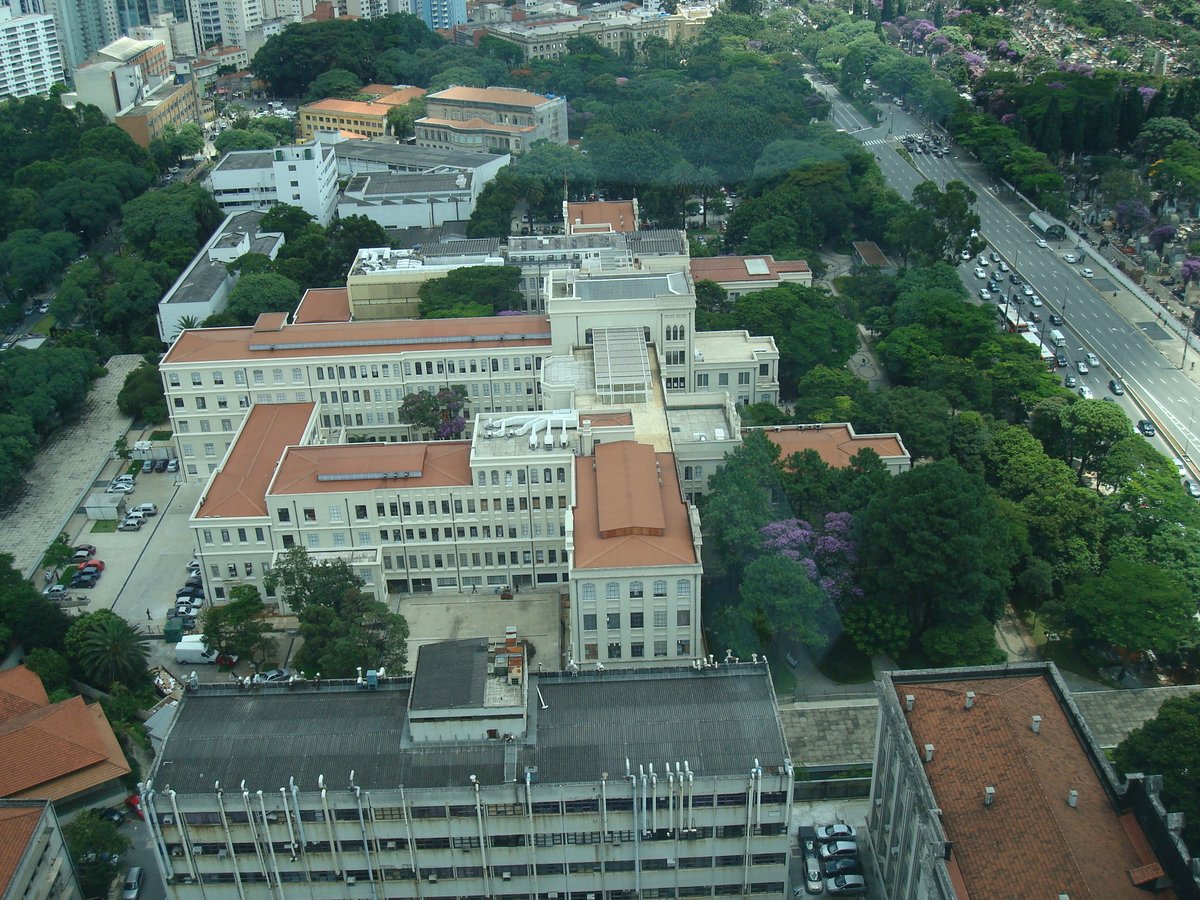
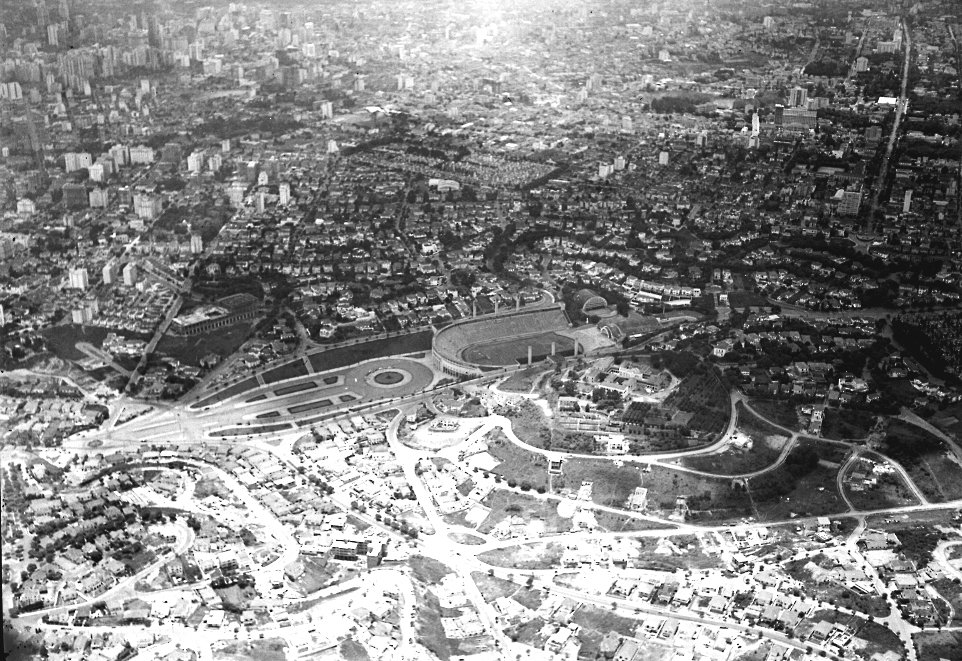
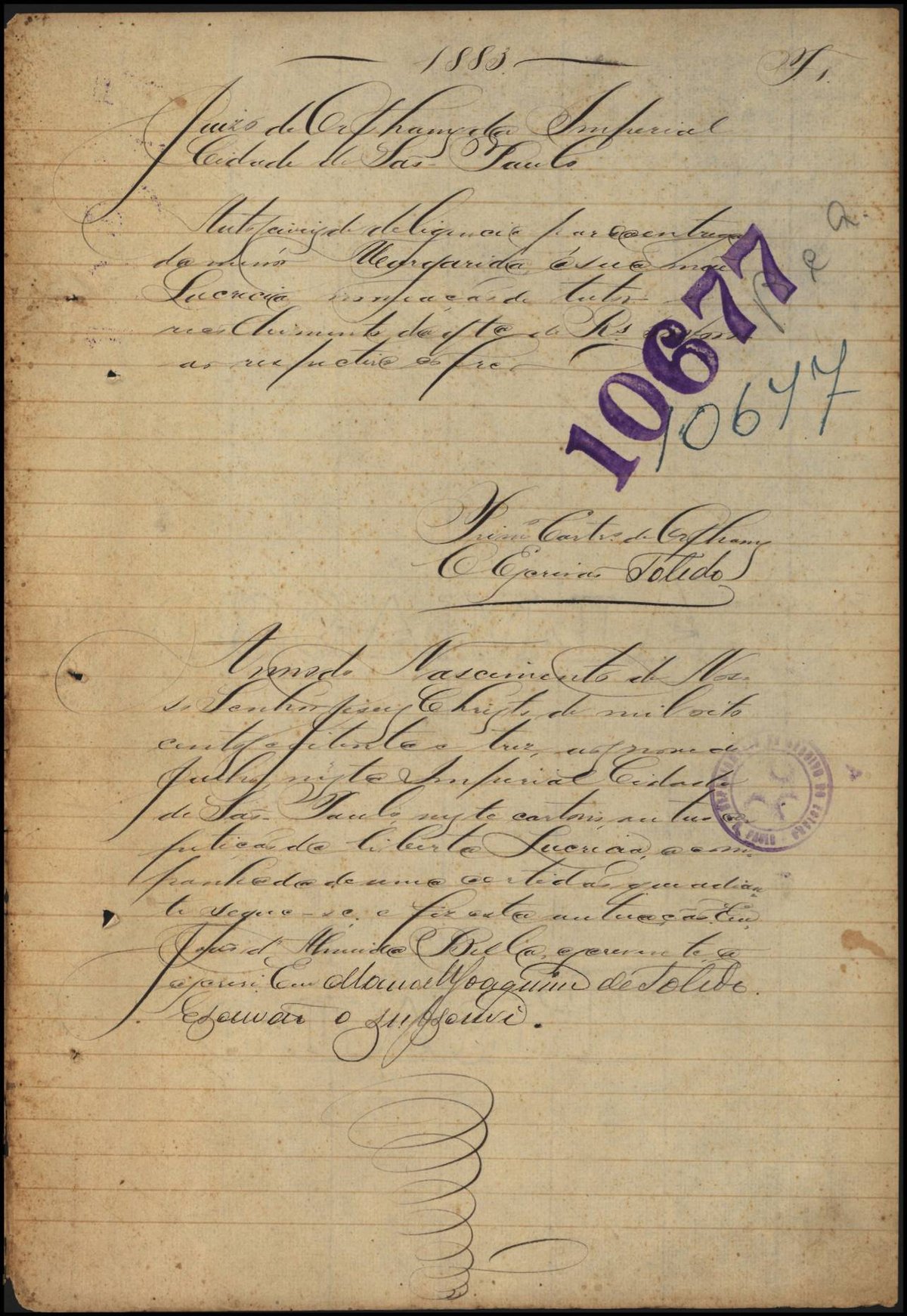
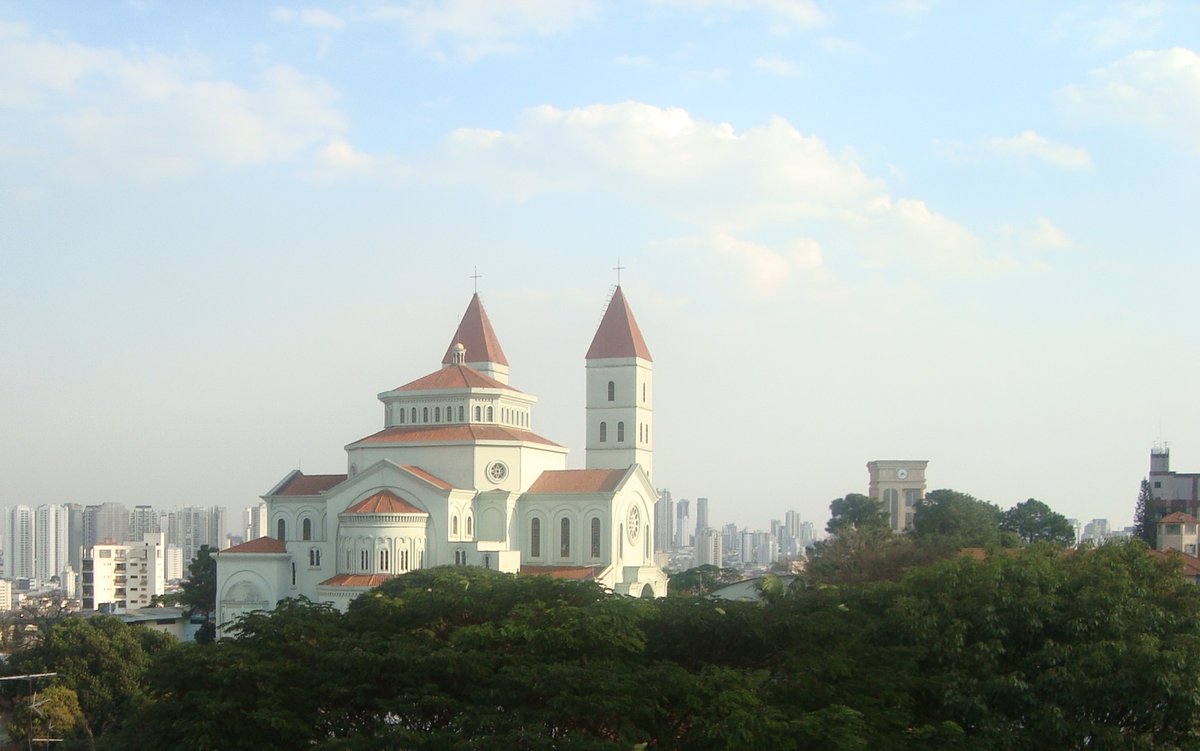
Explore Regente Feijó House in Pictures
Historical Background
Early Foundations and Naming
Regente Feijó’s roots are closely linked to the expansion of the Estrada de Ferro Sorocabana railway. The area, first known as “Memória” after the nearby stream, began its transformation in 1919 with the opening of the railway station. This change attracted settlers and catalyzed economic and social development (Wikiwand).
The municipality was named in tribute to Diogo Antônio Feijó, a pivotal 19th-century political and religious figure who became Brazil’s first sole regent in 1835, symbolizing the area’s connection to national reform and identity (Wixsite).
Land Ownership and Early Development
In 1922, the Companhia São Paulo-Mato Grosso, under Francisco Whitaker, acquired and subdivided land, laying the groundwork for the Patrimônio Memória settlement. Influential pioneers such as the Whitaker and Vieira families played key roles in attracting residents and fostering early growth (Wikiwand).
By 1925, the settlement had about 30 houses and was designated a district under Presidente Prudente’s jurisdiction.
Political Emancipation and Administrative Changes
Regente Feijó achieved municipal autonomy on June 28, 1935. Over time, it incorporated districts and saw parts of its territory become neighboring municipalities, reflecting ongoing growth and administrative evolution (Regente Feijó Official Portal).
The Legacy of Diogo Antônio Feijó
Diogo Antônio Feijó was a priest, educator, and political reformer. His tenure as regent marked significant efforts to stabilize Brazil during a turbulent era, and his legacy continues to inspire the region (Wixsite).
Socioeconomic Growth
The arrival of the railway and subsequent land development attracted diverse settlers, gradually transforming the area into an agricultural and commercial hub. The population today stands at approximately 20,565, with both urban and rural communities (Wikiwand).
Architectural Features and Preservation
Bandeirista Architecture: Regente Feijó House in Vila Formosa
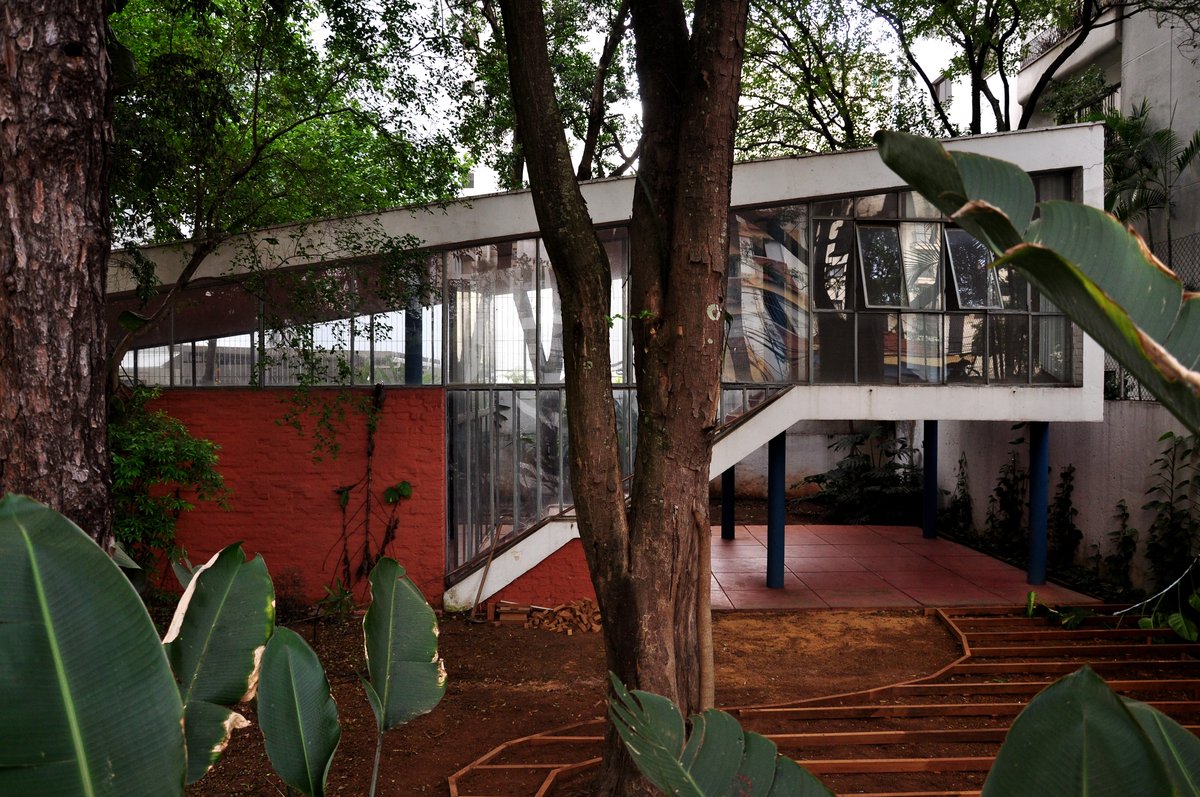
The Regente Feijó House in São Paulo city’s Vila Formosa district is a rare survivor of bandeirista-era architecture (Wikipedia - Casa do Regente Feijó; Prefeitura de São Paulo). Originally constructed in 1698 using taipa de pilão (rammed earth), the house was later expanded in the 19th century with a second story and enclosed porch, blending colonial structure with newer stylistic influences.
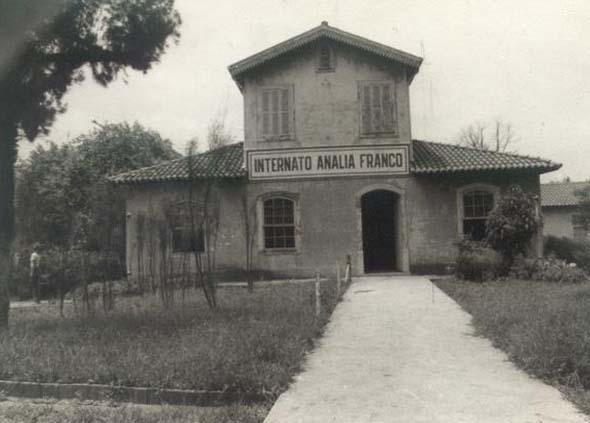
After passing through various owners, including Diogo Antônio Feijó (who used it as a refuge during his regency), the property became a shelter for orphans and marginalized women under Anália Franco’s leadership in the early 20th century. Restoration efforts in the 2000s have preserved exposed rammed earth walls and other original features, offering a tangible link to São Paulo’s colonial past.
Urban and Rural Architectural Styles
Elsewhere in the municipality, residential architecture reflects a blend of traditional and modern Brazilian styles. Typical homes feature open-plan layouts, terraces, and functional amenities suited to local lifestyles (citypopulation.de; Booking.com). These structures balance durability and comfort, accommodating family gatherings and local customs such as “churrasco” (barbecue).
Cultural Significance
The Regente Feijó House and the municipality as a whole embody the interplay between Brazil’s colonial history and modern development. The house itself stands as a symbol of both personal and political history, serving as a residence for Diogo Antônio Feijó and, later, as a social institution for vulnerable populations. The town’s cultural life is enriched by festivals, markets, and public buildings commemorating its historical figures (Wixsite).
Visiting Information
Hours, Tickets, and Accessibility
-
Regente Feijó House (Vila Formosa, São Paulo):
- Visiting Hours: Tuesday to Friday, 9:00 AM–5:00 PM, by appointment only.
- Tickets: Admission is free; prior booking for guided tours is required.
- Accessibility: Limited due to the historic structure—contact in advance for accommodations.
- Contact: Universidade Cruzeiro do Sul, Campus Anália Franco, Phone: +55 (11) 4009-6300, Email: [email protected]
-
Municipality of Regente Feijó:
- Heritage Sites: Most public sites and museums open 9:00 AM–5:00 PM, Tuesday–Sunday. Entry is typically free; guided tours may have a nominal fee (Regente Feijó Official Portal).
- Accessibility: Major sites have ramps and basic facilities.
Guided Tours and Special Events
Guided tours at the Regente Feijó House provide insight into its architecture, history, and social role. Throughout the year, the municipality hosts festivals celebrating its heritage and honoring Diogo Antônio Feijó (Cidades do Meu Brasil).
Travel Tips and Nearby Attractions
- Getting There: Regente Feijó is accessible by car or intercity bus from Presidente Prudente (the nearest airport) and other São Paulo cities.
- Nearby Attractions: In addition to the Regente Feijó House and old railway station, visitors can explore parks, local markets, and neighboring municipalities such as Martinópolis and Indiana.
- Leisure: Urban São Paulo attractions near the house include CERET Park and Shopping Anália Franco.
Accommodation Options
Regente Feijó offers guesthouses and holiday rentals like Regente Feijó Centro, featuring modern amenities, air conditioning, Wi-Fi, and accessible locations (Booking.com).
Preservation Efforts and Challenges
The Regente Feijó House is protected by state and municipal heritage bodies (CONDEPHAAT and CONPRESP), with significant restoration completed in the early 2000s (Wikipedia - Casa do Regente Feijó). Ongoing management by Universidade Cruzeiro do Sul ensures cultural programming and controlled visitor access, while urbanization and environmental pressures present continual challenges to maintaining the site’s authenticity (Prefeitura de São Paulo).
Frequently Asked Questions (FAQ)
Q: What are the visiting hours for the Regente Feijó House?
A: Tuesday to Friday, 9:00 AM–5:00 PM, by appointment only.
Q: Is there an entrance fee?
A: Admission is free, but guided tours must be booked in advance.
Q: How do I book a tour?
A: Contact Universidade Cruzeiro do Sul, Campus Anália Franco.
Q: Is the house accessible for people with disabilities?
A: Accessibility is limited due to the historic structure; contact the site in advance.
Q: Can I visit without a guide?
A: Visits are only permitted with a guided tour to protect the site.
Q: What are the best nearby attractions?
A: CERET Park, Shopping Anália Franco (São Paulo city), and heritage sites in Regente Feijó municipality.
Discover More
Ready to explore Regente Feijó’s heritage? Book a guided tour of the Regente Feijó House through Universidade Cruzeiro do Sul, and discover more by attending local festivals and exploring neighboring attractions. For updates on visiting hours, ticketing, and cultural events, download the Audiala app and follow official channels.
Listen to the full story in the app
Your Personal Curator, in Your Pocket.
Audio guides for 1,100+ cities across 96 countries. History, stories, and local insight — offline ready.
Audiala App
Available on iOS & Android
Join 50k+ Curators
Sources
- verified
- verified
- verified
- verified
- verified
- verified
- verified
- verified
- verified
- verified
Last reviewed: