Plan and listen to Patriarch Square with Audiala.
Audio guide in your pocket, itinerary in your browser. Built for the way you actually visit.
Introduction

Patriarch Square (Praça do Patriarca) is one of São Paulo’s most significant and emblematic public spaces, located in the heart of Brazil’s largest city. Its layered history and distinctive blend of colonial, modernist, and contemporary architecture make it a vital stop for travelers exploring São Paulo’s cultural and historical landmarks. This comprehensive guide provides everything you need to know about visiting Patriarch Square—from practical information on hours and accessibility to the square’s historical evolution, architectural highlights, and nearby attractions.
For deeper insights, refer to reliable sources such as O Espaço Público, Touropia, and Wikipedia.

Practical Visitor Information
Visiting Hours: Patriarch Square is a public open space, accessible 24 hours a day, seven days a week.
Ticketing: There is no entrance fee. Access to the square and its outdoor features is free. Admission to nearby attractions (such as the Municipal Theatre or rooftop tours at Edifício Matarazzo) may require separate tickets.
Accessibility: The square features level, broad walkways and ramps, ensuring wheelchair and stroller access. The Galeria Prestes Maia (underground passage) also features escalators and ramps.
Best Time to Visit: Early mornings or late afternoons are ideal for pleasant lighting, fewer crowds, and optimal photography conditions. The square is safest and most vibrant during daylight hours.
Early Urban Development
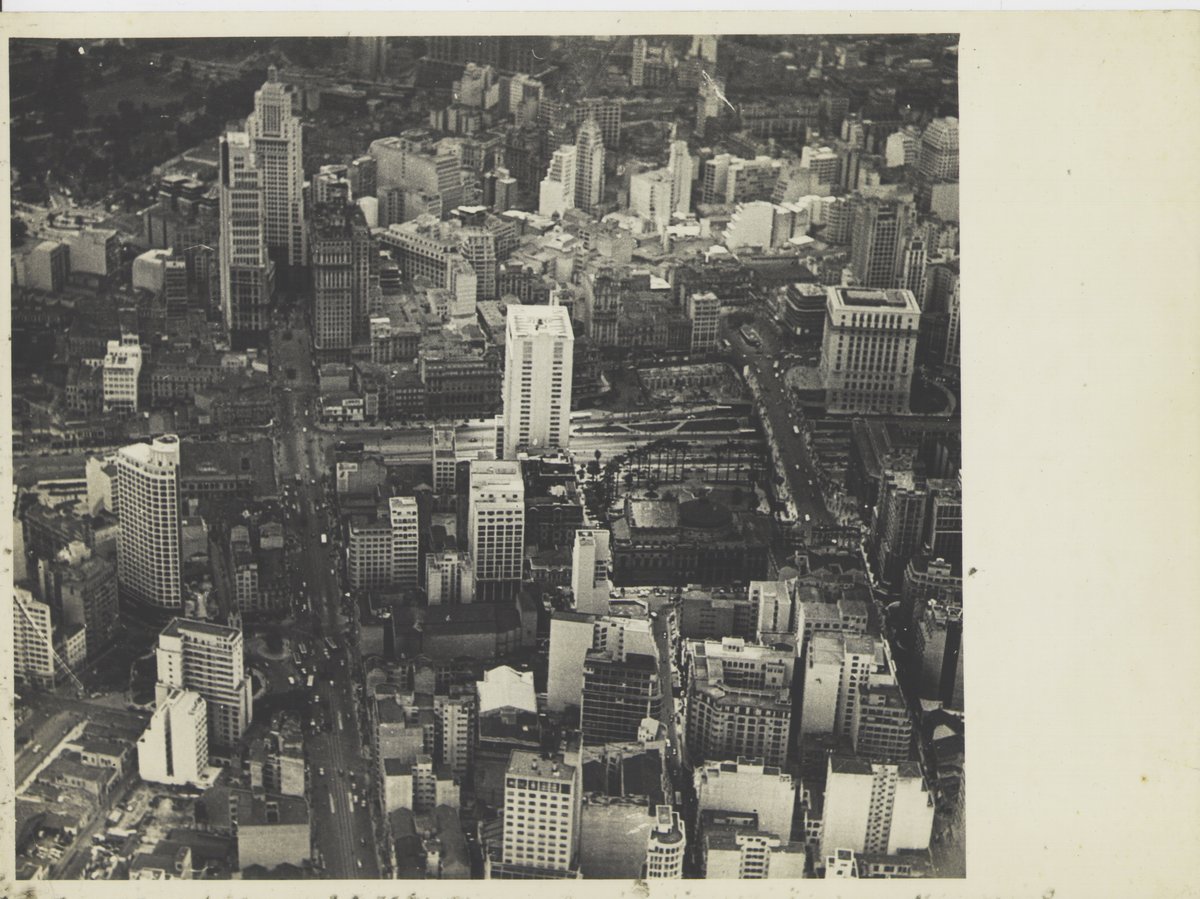
Patriarch Square’s origins are closely linked to São Paulo’s rapid urbanization in the late 19th and early 20th centuries. The construction of the Viaduto do Chá (conceived in 1877 and inaugurated in 1892) was a key development that connected major city thoroughfares and necessitated the demolition of the Barão de Tatuí’s mansion, which had previously blocked urban connectivity (O Espaço Público).
The Square’s Creation and Transformation
The formal establishment of the square followed the Bouvard Plan (1911), which aimed to improve downtown circulation. In 1923, an entire block was demolished to create a plaza at the mouth of the Viaduto do Chá. The square was officially inaugurated in 1926, initially as a simple paved block with a central column (O Espaço Público). Over subsequent decades, recurring urban modernization efforts led to redesigns and reconfigurations.
Modern Urban Planning and Architectural Interventions
The 1930s and 1940s saw major urban projects, including the construction of the Art Deco-style Viaduto do Chá (1934–1938) and the opening of the Galeria Prestes Maia in 1943, which further integrated the square into São Paulo’s evolving transportation network (O Espaço Público). In the 1970s, the installation of a statue honoring José Bonifácio de Andrada e Silva, the “Patriarch of Independence,” added symbolic depth to the site.
A major revitalization in 2002, led by Pritzker Prize-winning architect Paulo Mendes da Rocha, introduced the square’s iconic steel canopy (marquise), transforming its visual identity and pedestrian experience (Wikipedia).
Cultural and Symbolic Significance
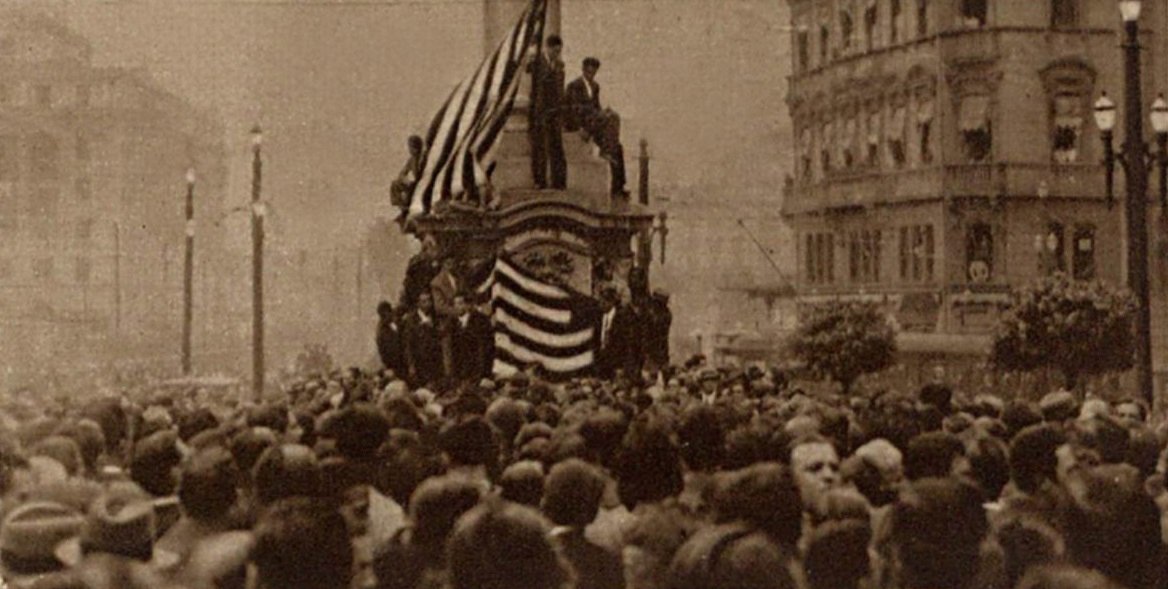
Patriarch Square is not only an urban crossroads but also a civic space steeped in symbolic meaning. It has hosted pivotal moments, such as the 1932 Constitutional Revolution’s gold collection campaign, and continues to be a setting for cultural festivals and public life (São Paulo Antiga).
Architectural Highlights
-
Steel Canopy (Marquise do Patriarca): Designed by Paulo Mendes da Rocha and completed in 2002, this 500-square-meter steel structure floats above the square, sheltering visitors and framing the urban landscape (ArchDaily). It represents São Paulo’s embrace of modernist innovation amidst historic surroundings.
-
Galeria Prestes Maia: This underground pedestrian passage, featuring historic escalators from 1955, connects the square to the Vale do Anhangabaú and frequently hosts art exhibitions (Places to Visit Brazil).
-
Edifício Matarazzo: The Art Deco city hall building offers guided rooftop tours for panoramic city views (check official schedules for access).
-
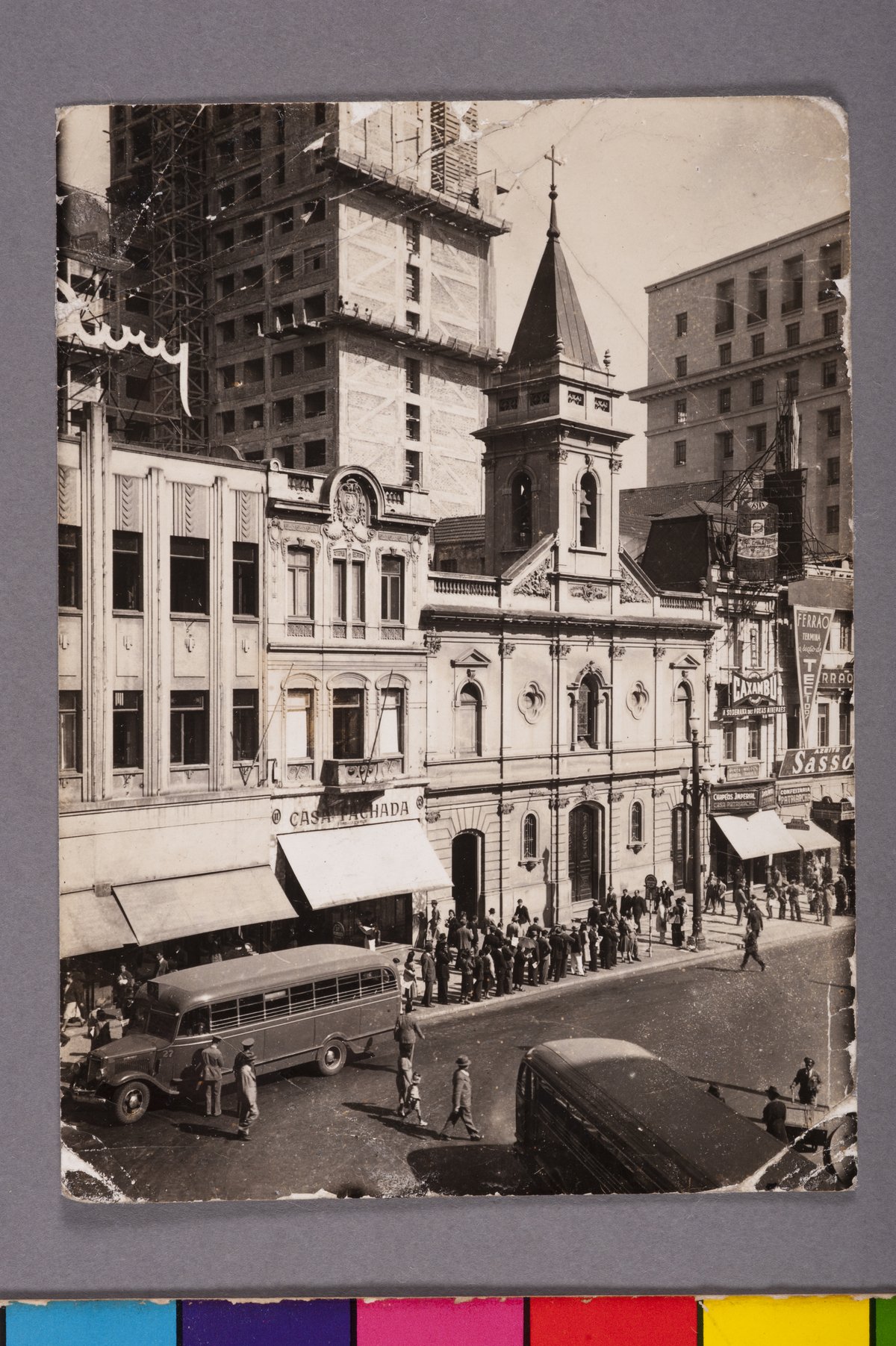
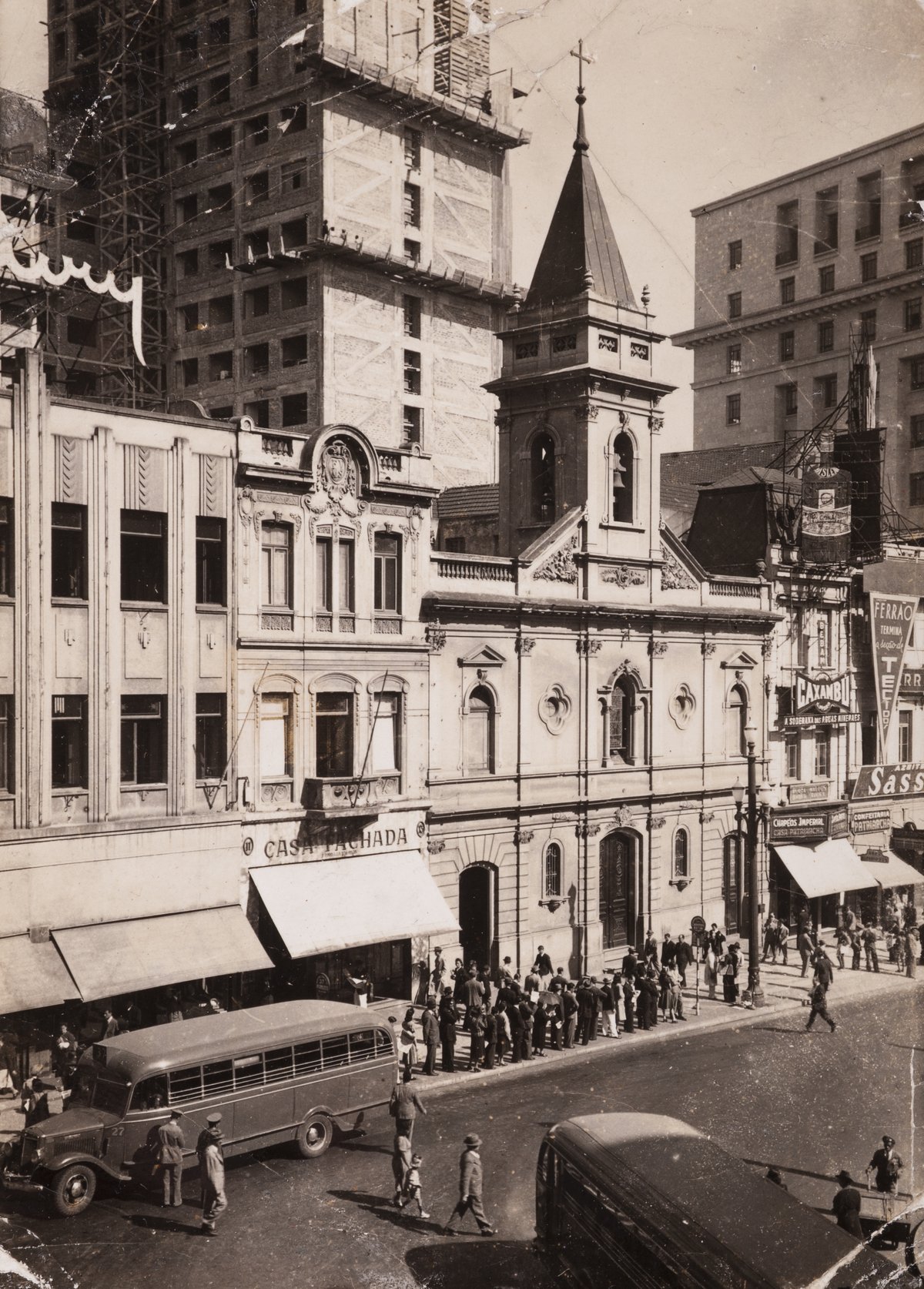
Historic Churches: The Church of Saint Anthony, São Paulo’s oldest, is located adjacent to the square and is open daily.
-
Viaduto do Chá: This historic iron bridge provides dramatic views of the city center and links the square to other downtown districts.
Special Events and Visitor Experience
Patriarch Square is a focal point for public events, cultural festivals, and performances, particularly during the annual Virada Cultural in May. The square’s open design and central location make it a popular venue for art fairs, demonstrations, and gatherings. Visitors can experience São Paulo’s vibrant urban energy and engage with local culture through spontaneous interactions and organized programming (Matador Network).
Nearby Attractions
- Theatro Municipal: Renowned for its opera, ballet, and concerts. Guided tours are available; check the official website for hours and ticketing.
- São Bento Monastery: Open 6 AM to 6 PM, famous for its Gregorian chants and bakery.
- Edifício Martinelli: Guided rooftop tours offer city panoramas, book in advance.
- Rua 25 de Março: Bustling commercial district open daily for shopping and cultural exploration.
- Sé Square & Cathedral: São Paulo’s neo-Gothic cathedral and historic square are a short walk away.
Frequently Asked Questions (FAQ)
Q: What are Patriarch Square’s visiting hours?
A: The square is open 24/7. Nearby attractions have varying hours, typically between 9 AM and 6 PM.
Q: Is there an entrance fee?
A: No, entry to Patriarch Square is free. Some nearby attractions require tickets.
Q: Are guided tours available?
A: Yes. Several companies offer tours of the historic center including Patriarch Square; booking in advance is recommended (Nomadic Matt).
Q: Is the square accessible for visitors with disabilities?
A: Yes. The square and the Galeria Prestes Maia are wheelchair-accessible.
Q: What is the best time to visit for photography?
A: Early mornings and late afternoons provide the best natural light and fewer crowds.
Key Dates and Milestones
- 1877: Viaduto do Chá conceived
- 1892: Viaduto do Chá inaugurated
- 1923–1926: Creation and inauguration of Patriarch Square
- 1934–1938: Art Deco Viaduto do Chá constructed
- 1943: Galeria Prestes Maia opened
- 1972: Statue of José Bonifácio installed
- 2002: Paulo Mendes da Rocha’s steel canopy completed and pedestrianization finalized
Listen to the full story in the app
The whole Patriarch Square,
told well.
Audio guides for 1,100+ cities across 96 countries. History, stories, and local insight — offline ready.
Verified, and shown.
Researched and written by the Audiala editorial team from historical records, architectural archives, and local expertise.
Researched from Wikidata, Wikipedia & official sources · fact-checked · How we make our guides →