Plan and listen to Parque Trianon with Audiala.
Audio guide in your pocket, itinerary in your browser. Built for the way you actually visit.
Introduction

Parque Trianon—officially Parque Tenente Siqueira Campos—is a lush green sanctuary set against the vibrant backdrop of Avenida Paulista, São Paulo’s most iconic avenue. Since its opening in 1892, the park has stood as a living testament to the city’s evolving social, cultural, and ecological landscape. Designed by prominent landscape architects Paul Villon and Barry Parker, Trianon not only preserves a critical remnant of the Atlantic Forest but also reflects the cosmopolitan spirit and historical shifts of São Paulo.
Whether you are a history enthusiast, nature lover, or traveler seeking respite in the city, this guide will help you make the most of your visit. Inside you’ll find comprehensive information on visiting hours, tickets, accessibility, park highlights, nearby attractions, and practical travel tips (Prefeitura de São Paulo; São Paulo Tem de Tudo; Para Onde Ir).



Origins and Legacy
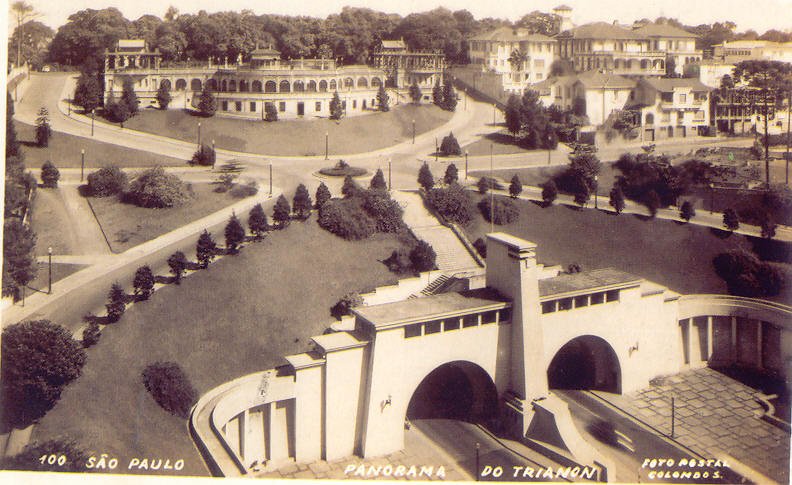
Parque Trianon was inaugurated in 1892, just a year after the opening of Avenida Paulista. French landscape architect Paul Villon envisioned the park as a green retreat for the city’s elite, blending native Atlantic Forest flora with imported species to create shaded, winding paths. The park’s design was later refined by English architect Barry Parker, further enhancing its cosmopolitan atmosphere. Its name, “Trianon,” references the grand Belvedere Trianon, a social and intellectual hub for São Paulo’s aristocracy in the early 20th century (Prefeitura de São Paulo).
In 1931, the park was renamed Parque Tenente Siqueira Campos to honor Antônio de Siqueira Campos, a revolutionary leader, reflecting the park’s shift from aristocratic associations to broader national significance.
Cultural and Social Importance
Throughout the 20th century, Parque Trianon served as a gathering space for São Paulo’s intellectuals and artists. The park has hosted significant historical events, including meetings during the 1932 Constitutional Revolution and Brazil’s first orchid exhibition in 1929 (Para Onde Ir). Today, Trianon remains a vibrant venue for art installations, performances, and community events, enhanced by its proximity to institutions like MASP.
Cultural and Ecological Significance
Atlantic Forest Remnant
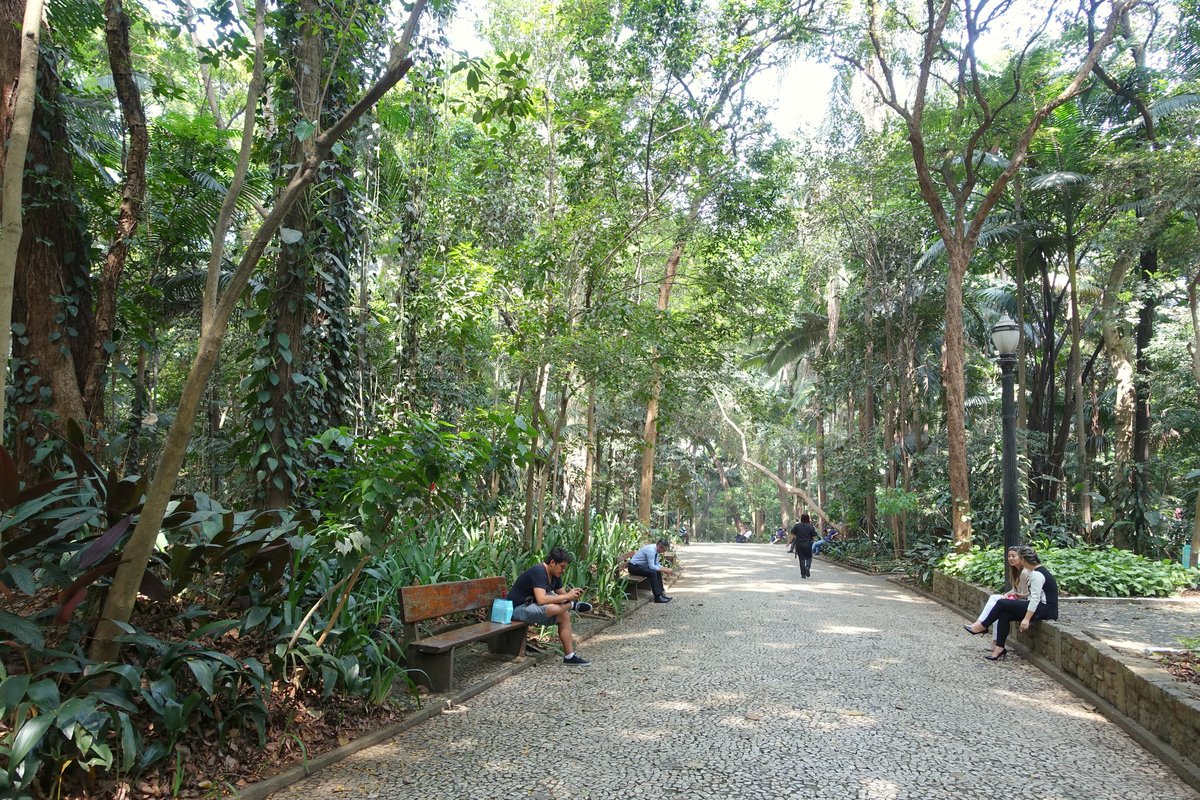
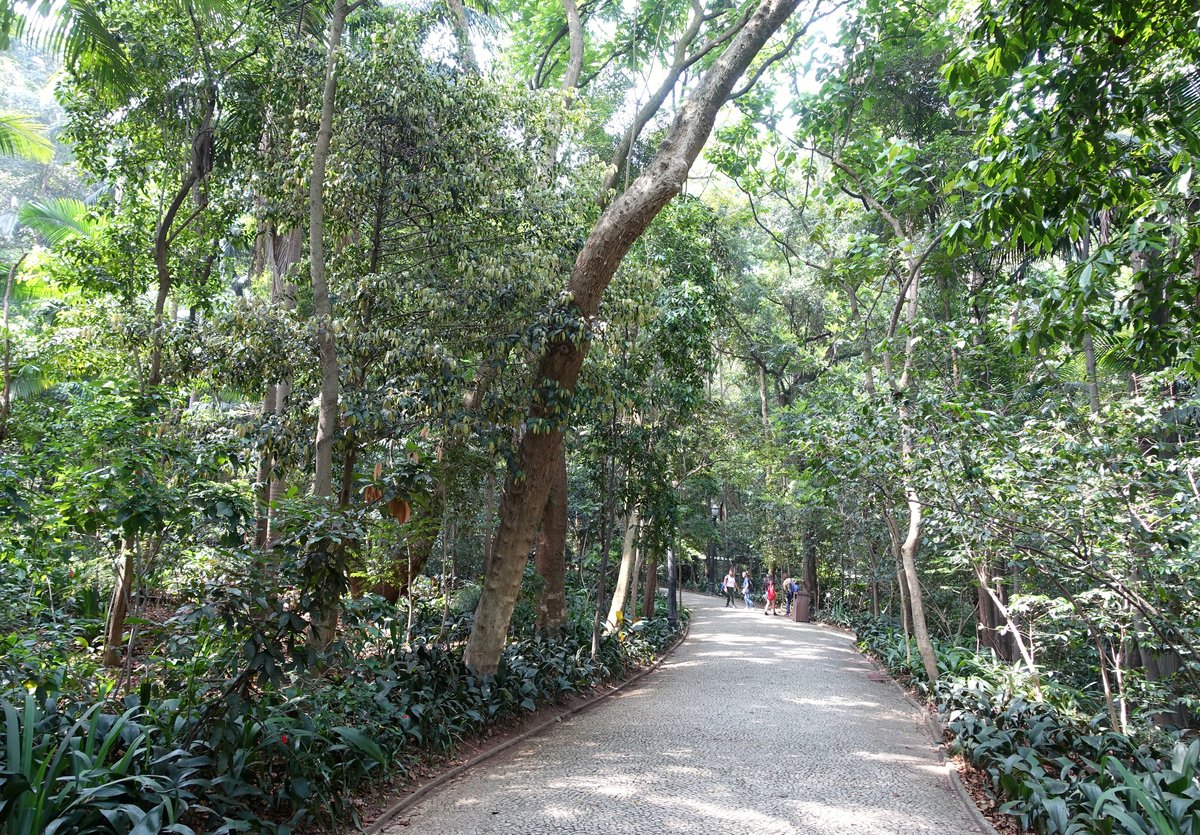
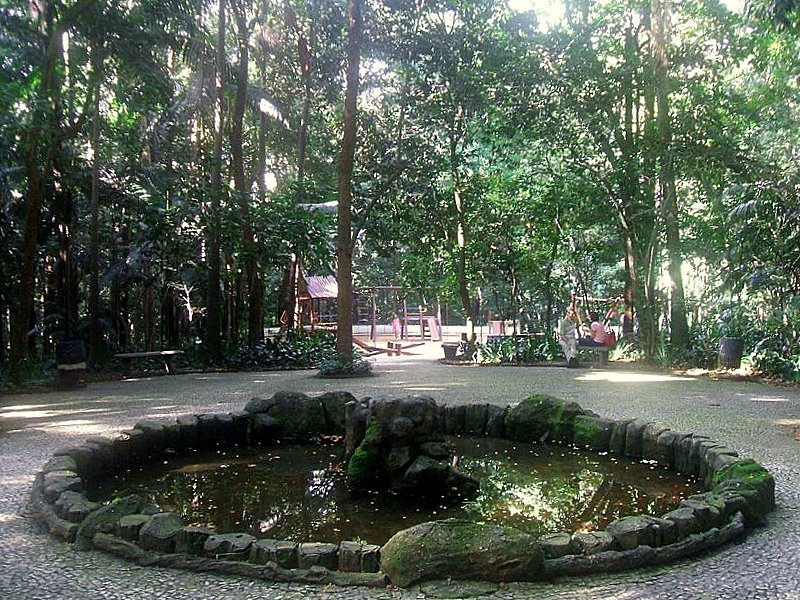
Trianon preserves approximately 48,600 square meters of secondary Atlantic Forest, home to over 135 plant species, including rare and endangered varieties such as cabreúva and palmito-jussara. The park’s dense canopy creates a cooler microclimate and provides habitat for at least 34 bird species, numerous butterflies, bats, and frogs (Prefeitura de São Paulo; São Paulo Tem de Tudo).
Artistic Highlights
The park features several significant sculptures and monuments:
- “Fauno” by Victor Brecheret: A central artistic landmark along the “Trilha do Fauno” (Faun Trail).
- “Aretusa” by Francisco Leopoldo Silva: A sculpture adding to the park’s artistic atmosphere.
- Monument to Anhanguera by Luiz Brizzolara: A piece illustrating the city’s complex colonial history.
Community and Well-being
Trianon is not only an ecological gem but also a space for recreation, relaxation, and mental well-being. Its shaded trails, playgrounds, fitness equipment, and accessible facilities make it a welcoming destination for all ages and abilities (Vivendo a Vida Pelo Mundo).
Visiting Hours, Tickets, and Accessibility
- Opening Hours: Daily from 6:00 AM to 6:00 PM.
- Entry Fee: Free admission for all visitors.
- Guided Tours: Offered occasionally during special events or by arrangement. Check the park’s official page or local listings for schedules.
- Location: Avenida Paulista, 149, São Paulo. Main entrance at Rua Peixoto Gomide, 949.
- Public Transport: Trianon-Masp Metro Station (Line 2 - Green) is directly adjacent. Multiple bus lines also serve Avenida Paulista.
- Parking: No on-site parking. Public transport, walking, or cycling is recommended.
- Accessibility: The park features ramps, accessible restrooms, and smooth pathways, though some areas may be uneven due to tree roots (UrTrips).
Facilities and Visitor Amenities
- Walking and Jogging Paths: Well-maintained, suitable for all fitness levels.
- Playgrounds: Family-friendly zones for children (Minube).
- Fitness Stations: Outdoor gym equipment for exercise (São Paulo Tem de Tudo).
- Restrooms and Water Fountains: Located conveniently throughout the park.
- Seating Areas: Benches and shaded spots ideal for rest or contemplation.
- Pet Policy: Pets are allowed on leashes; large or aggressive dogs require muzzles (Vivendo a Vida Pelo Mundo).
- Safety: Regular patrols and security presence. The park is considered safe during opening hours.
Activities and Experiences
Leisure and Recreation
- Strolls and Jogging: Popular for early morning or late afternoon exercise.
- Relaxation: Benches and grassy areas are perfect for reading, meditation, or picnics.
- Family Time: Playgrounds and open spaces cater to children and families.
Nature Observation
- Birdwatching: Spot species like the tuim (Blue-winged Parrotlet) and the sabiá-ferreiro.
- Butterflies and Urban Wildlife: Observe native butterflies, bats, and the occasional marmoset or frog.
- Photography: The “Fauno” sculpture, forested trails, and the contrast between nature and cityscape offer excellent photographic opportunities.
Art and Culture
- Sculpture Appreciation: Explore the park’s renowned artworks.
- Cultural Events: Occasional open-air concerts, art exhibitions, and wellness classes (e.g., tai chi, dance) are held in the park.
Conservation and Community Engagement
Trianon’s preservation is the result of active municipal protection and community advocacy. Ongoing efforts include:
- Native Species Restoration: Replanting indigenous trees and maintaining biodiversity (Para Onde Ir).
- Environmental Education: Guided tours, interpretive signage, and school programs promote conservation.
- Community Programs: The park’s management council includes local residents, fostering public involvement in park stewardship.
Nearby Attractions and Travel Tips
Top Nearby Attractions
- Museu de Arte de São Paulo (MASP): World-class art museum just across Avenida Paulista.
- Casa das Rosas: Cultural center and historic mansion.
- Itaú Cultural Institute: Dedicated to Brazilian art and culture.
- Avenida Paulista: Lined with shops, restaurants, and vibrant street life.
Travel and Safety Tips
- Best Time to Visit: Early mornings for birdwatching and tranquility; late afternoons for cooler weather.
- Stay Hydrated: Bring water, especially in warmer months.
- Respect the Environment: Remain on marked paths and avoid disturbing wildlife.
- Accessibility: Most areas are accessible, but watch for uneven surfaces.
Frequently Asked Questions (FAQ)
What are Parque Trianon’s visiting hours?
The park is open daily from 6:00 AM to 6:00 PM.
Is there an entry fee?
No, entry is free.
How do I reach Parque Trianon?
Take the Metro Line 2 (Green) to Trianon-Masp station; the park is directly adjacent to Avenida Paulista.
Are pets allowed?
Yes, pets must be leashed; large/aggressive dogs require muzzles.
Is the park accessible for wheelchairs and strollers?
Yes, with ramps and accessible restrooms, though some paths may be uneven.
Are guided tours available?
Occasionally, especially during special events—check the official website or local listings.
Visuals and Interactive Elements
-
Images to Include:
- Entrance to Parque Trianon with Avenida Paulista in the background (alt: "Parque Trianon entrance on Avenida Paulista")
- “Fauno” sculpture by Victor Brecheret (alt: "Fauno sculpture in Parque Trianon")
- Native Atlantic Forest trees and shaded trails (alt: "Shaded walking trails in Parque Trianon")
- Pedestrian overpass connecting park sections (alt: "Pedestrian overpass at Parque Trianon")
-
Interactive Features:
- Embedded map showing location and metro stations
- Link to a virtual tour or 360° photos (example virtual tour)
Discover More
Parque Trianon encapsulates the dynamic interplay between history, culture, and ecology at the heart of São Paulo. As a preserved fragment of the Atlantic Forest and a vibrant cultural hub, it offers a sanctuary for relaxation, recreation, and reflection amid the urban landscape. With free admission, rich biodiversity, and proximity to cultural landmarks, the park is a must-visit for locals and travelers alike.
For updates on visiting hours, guided tours, and cultural events, consult official sources. Download the Audiala app for personalized travel tips, virtual tours, and real-time event updates. Follow us on social media to explore more of São Paulo’s parks and hidden gems.
Experience the best of São Paulo’s heritage and natural beauty at Parque Trianon—a green jewel in the city’s bustling heart (Prefeitura de São Paulo; UrTrips; Para Onde Ir).
Listen to the full story in the app
The whole Parque Trianon,
told well.
Audio guides for 1,100+ cities across 96 countries. History, stories, and local insight — offline ready.
Verified, and shown.
Researched and written by the Audiala editorial team from historical records, architectural archives, and local expertise.
Parque Trianon: History, Visitor Information, and Must-See Attractions in São Paulo
Parque Trianon Visiting Hours, Tickets, and Guide to São Paulo’s Historic Urban Park
Parque Trianon Visiting Hours, Tickets, and Guide to São Paulo’s Historical Park
Parque Trianon Park São Paulo
1 Dia no Parque Trianon
Researched from Wikidata, Wikipedia & official sources · fact-checked · How we make our guides →