Introduction
The Mosteiro de São Bento, located in the heart of São Paulo, Brazil, stands as one of the city’s most important religious, cultural, and historical landmarks. Founded in 1598, just decades after the city itself, this Benedictine monastery serves as a living testament to São Paulo’s colonial origins and ongoing spiritual traditions. Visitors to the monastery experience a harmonious blend of history, architecture, art, music, and gastronomy, all while immersed in the monastic rhythms that have defined this site for over four centuries. Whether you are drawn by the famous Gregorian chant masses, the intricate neo-Romanesque architecture, or the renowned artisanal bakery, the Mosteiro de São Bento offers a multifaceted journey into São Paulo’s past and present.
This comprehensive guide covers everything you need to know about visiting the monastery—including detailed information on history, visiting hours, tickets, guided tours, accessibility, events, and practical travel advice. For further details, explore resources such as dicasdesaopaulo.com.br, Wikipedia, and placestovisitbrazil.com.
Photo Gallery
Explore Mosteiro De São Bento in Pictures
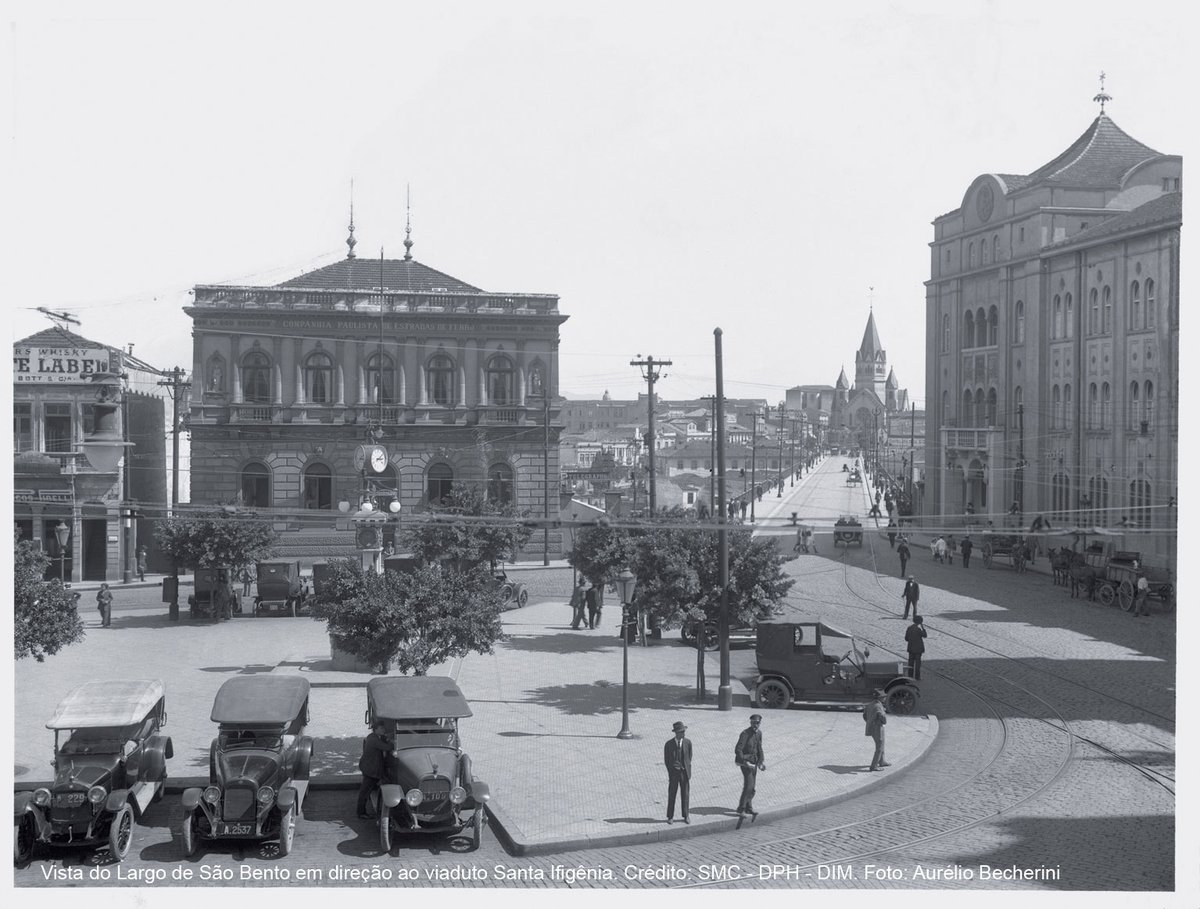
Largo de São Bento is a historic public square located in São Paulo, Brazil, known for its colonial-era buildings and cultural significance.
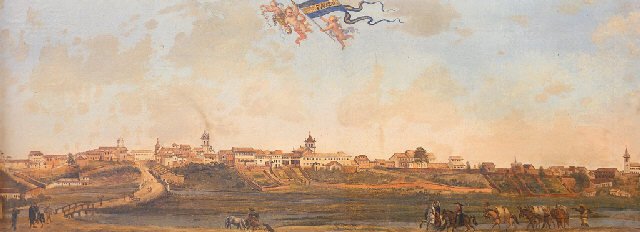
SEO-friendly panoramic image of São Paulo city showcasing its extensive urban skyline filled with high-rise buildings under a dynamic sky
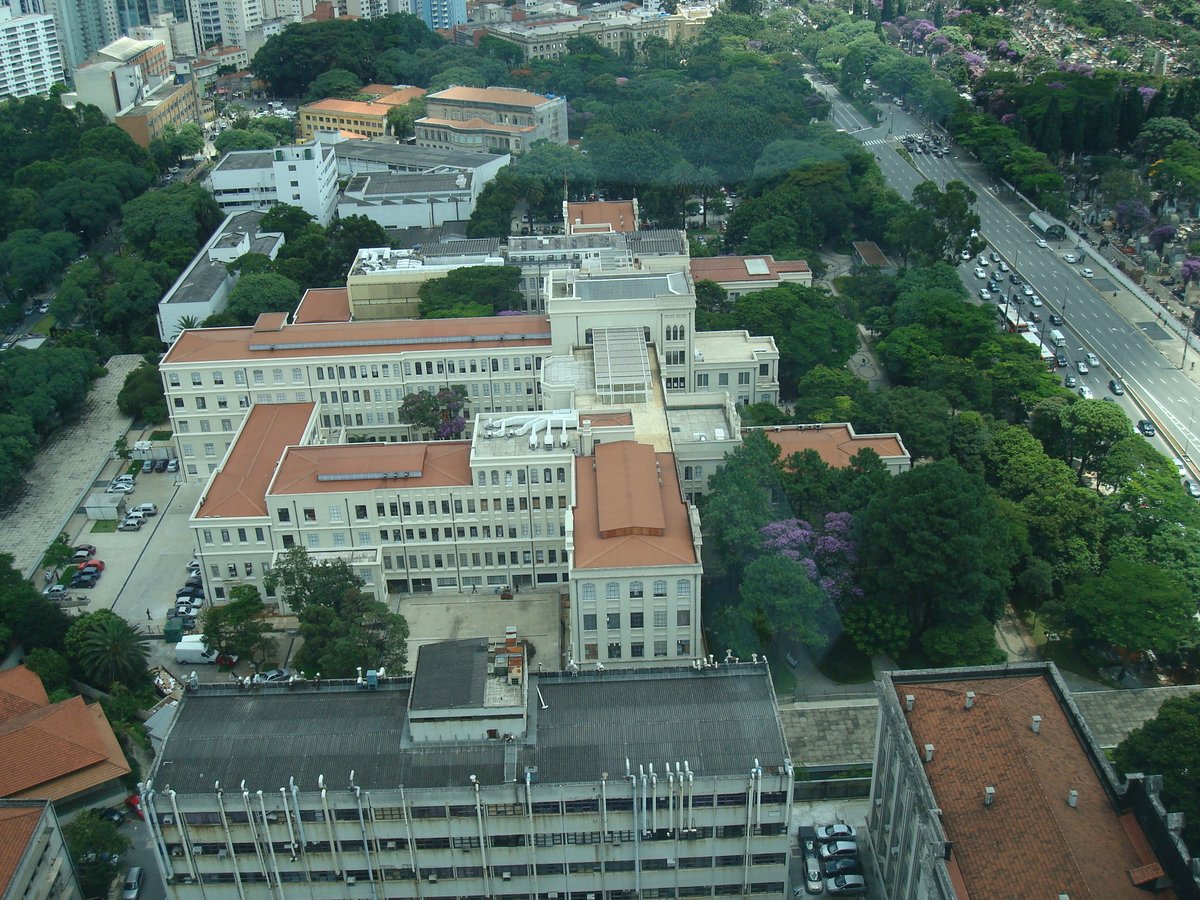
Panoramic image showcasing the central buildings of the Paulista Museum, part of Werner Haberkorn Collection, Museu Paulista da USP
Historic photograph of Rua Nova Anhangabaú, São Paulo, part of the Werner Haberkorn Collection at Museu Paulista, USP
Historic Viaduto Santa Ifigênia railway bridge in São Paulo, Brazil, part of the Museu Paulista collection at USP, photographed by Werner Haberkorn.
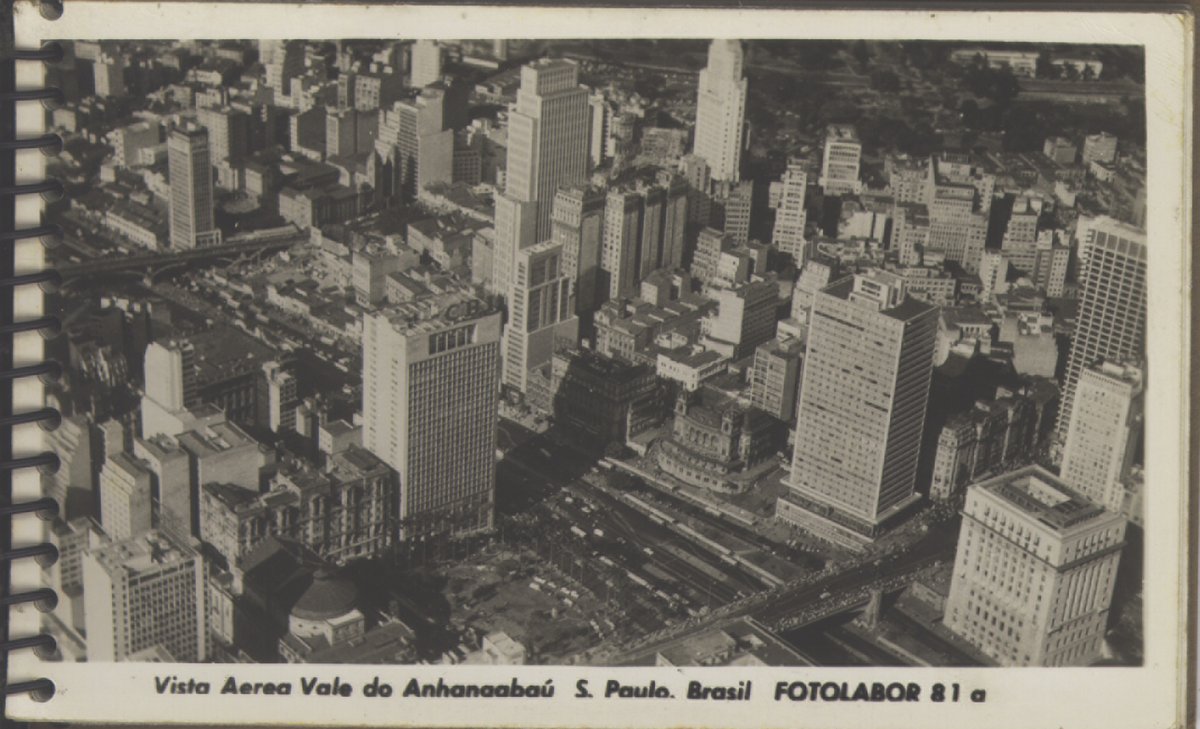
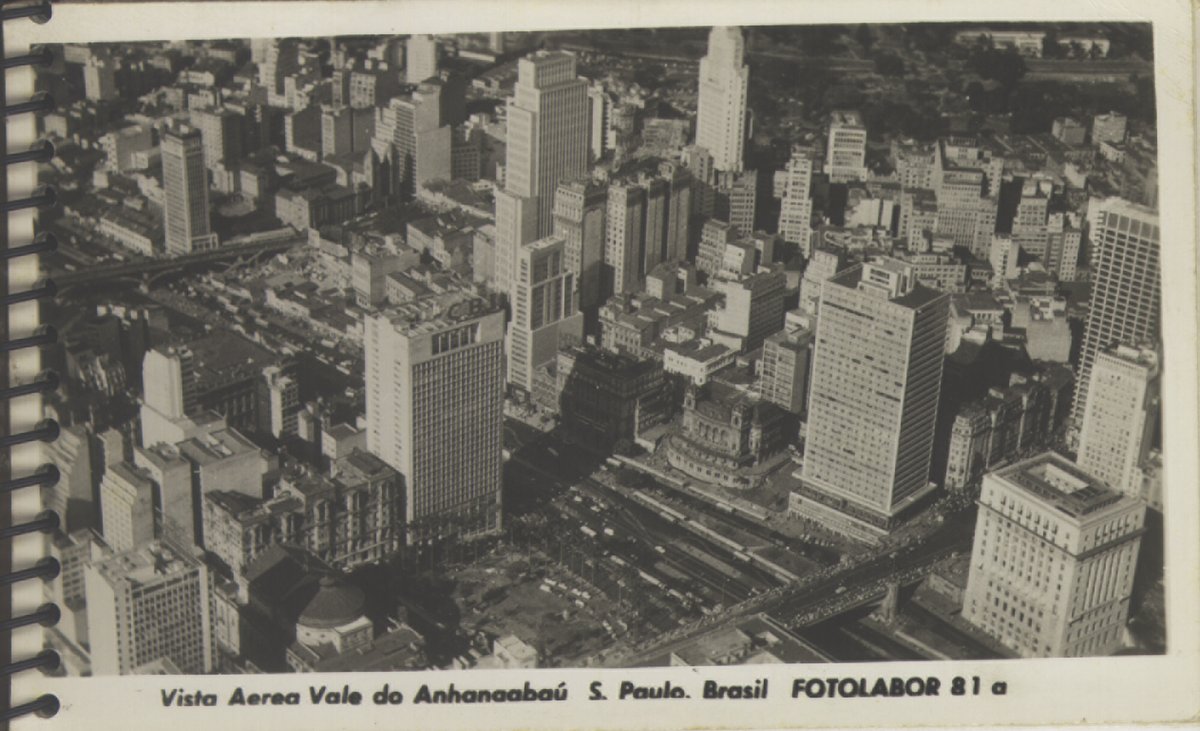
Aerial photograph of Vale do Anhangabaú, an urban valley in São Paulo, Brazil, part of the Werner Haberkorn Collection at Museu Paulista da USP
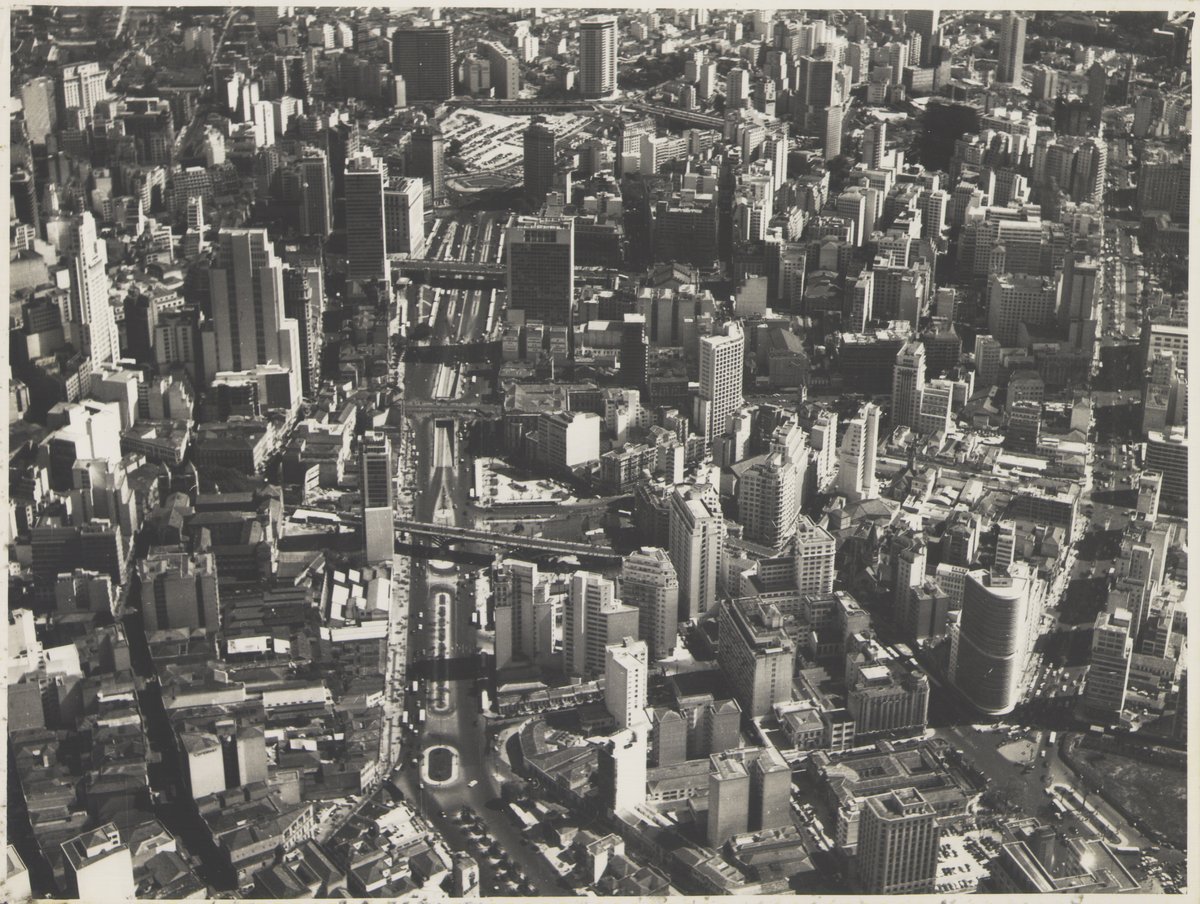
Aerial photograph of Avenida Nove de Julho in São Paulo, part of the Werner Haberkorn collection at Museu Paulista, USP
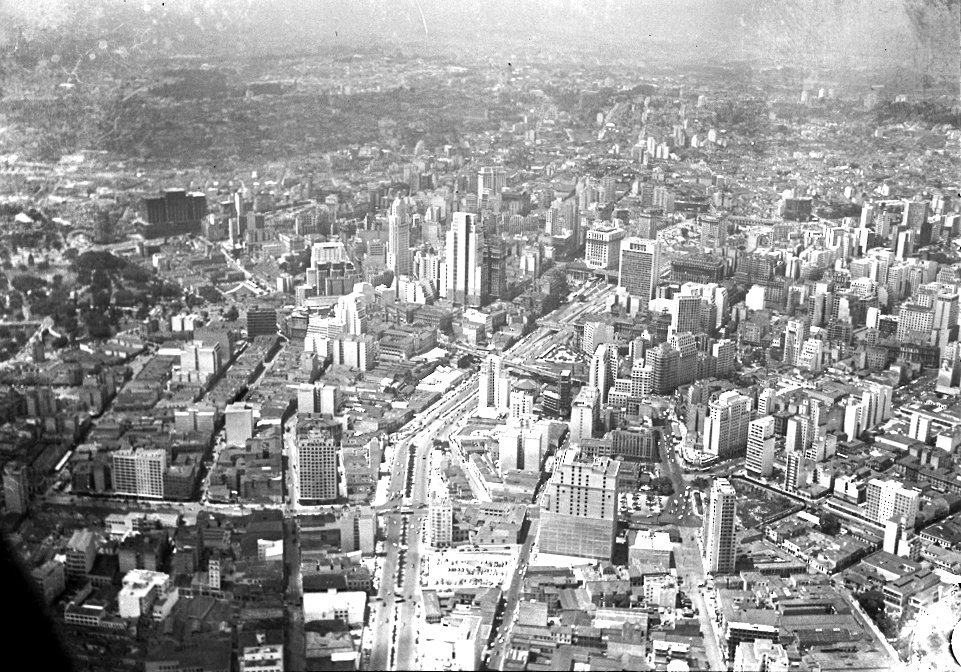
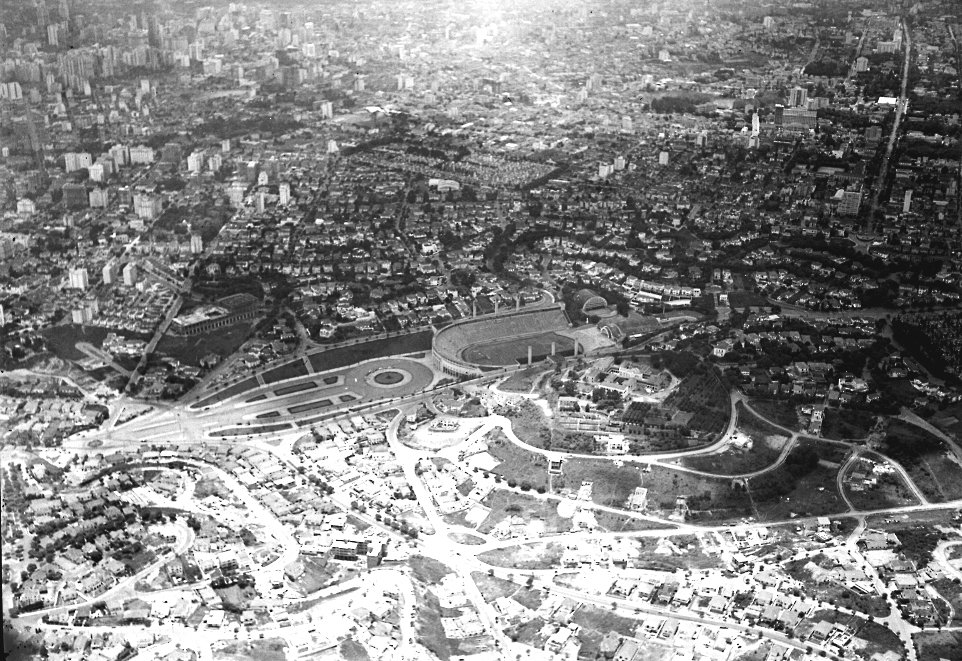
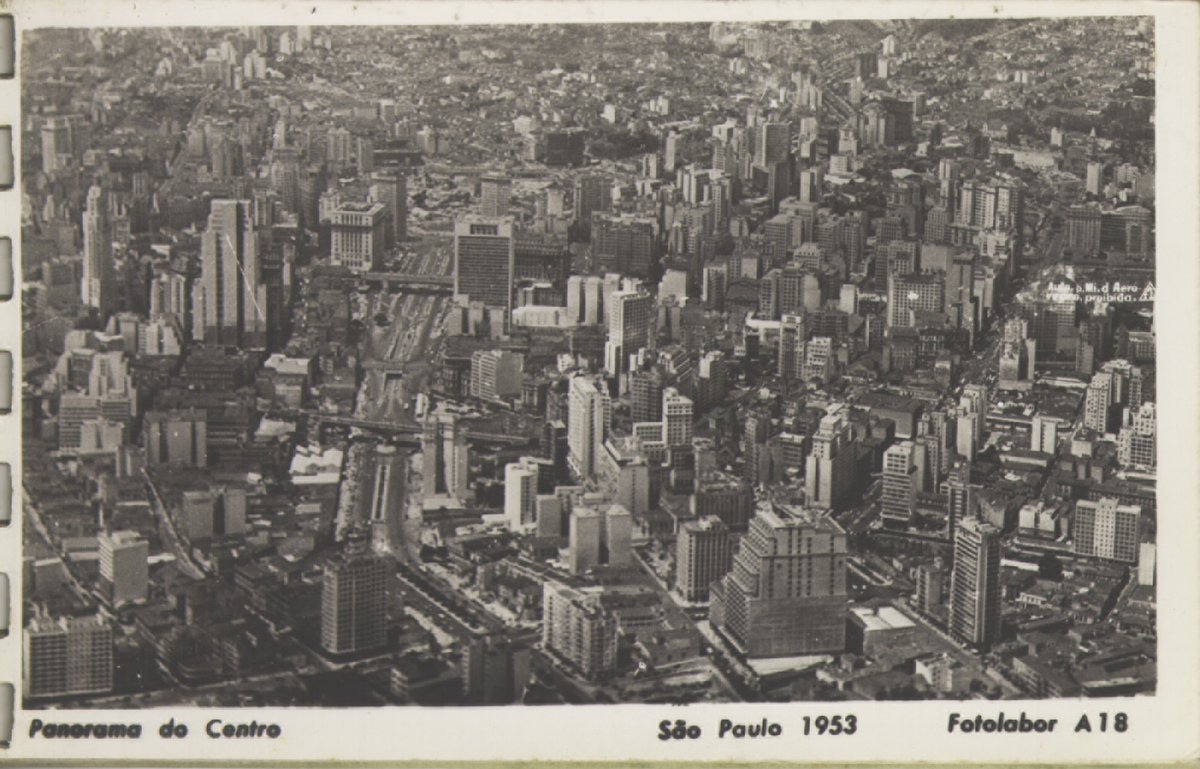
Aerial photograph showcasing the urban landscape of São Paulo, Brazil, part of the Werner Haberkorn collection at Museu Paulista, USP

Aerial photograph showing the urban landscape of São Paulo city with buildings and roads, part of the Werner Haberkorn collection at Museu Paulista, USP
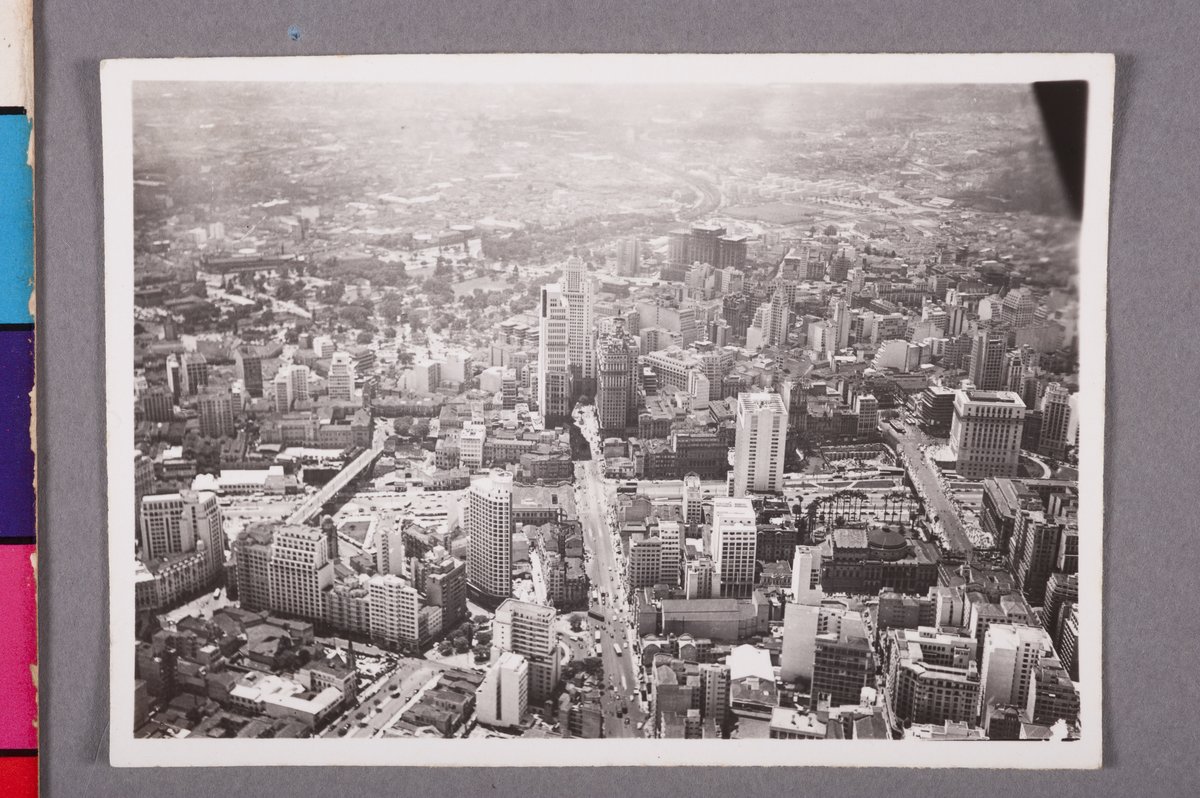
Aerial photograph showcasing the Paulist Center in São Paulo, Brazil, part of the Werner Haberkorn Collection at Museu Paulista of USP.
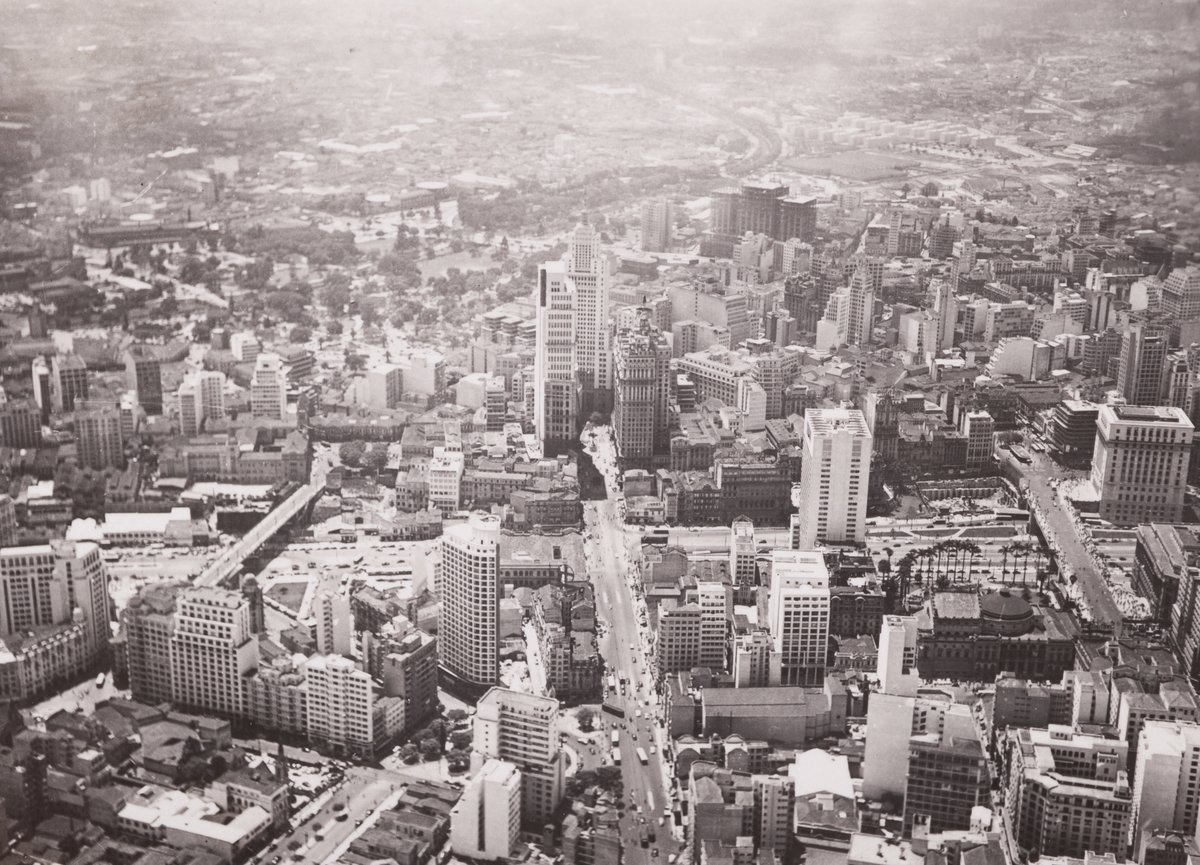
Aerial view photograph of São Paulo, Brazil, displaying the extensive urban cityscape with numerous buildings and streets, part of the Werner Haberkorn Collection at Museu Paulista of USP.
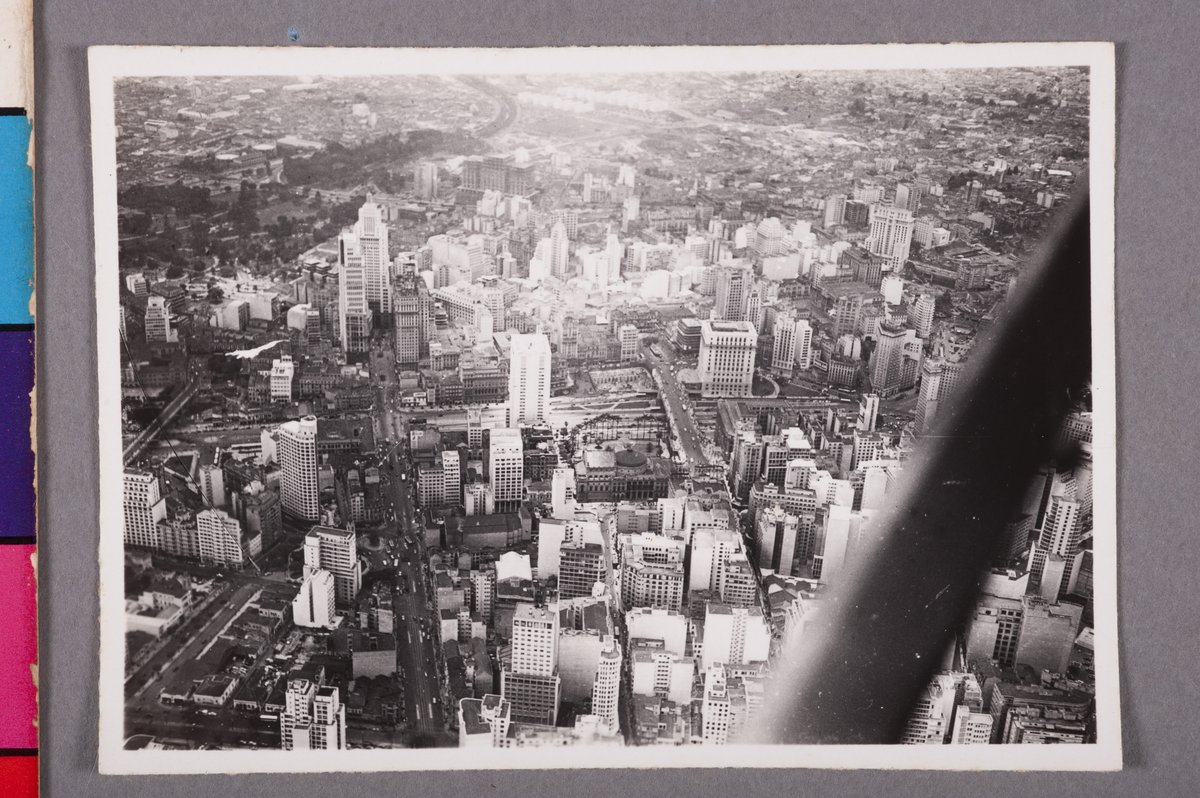
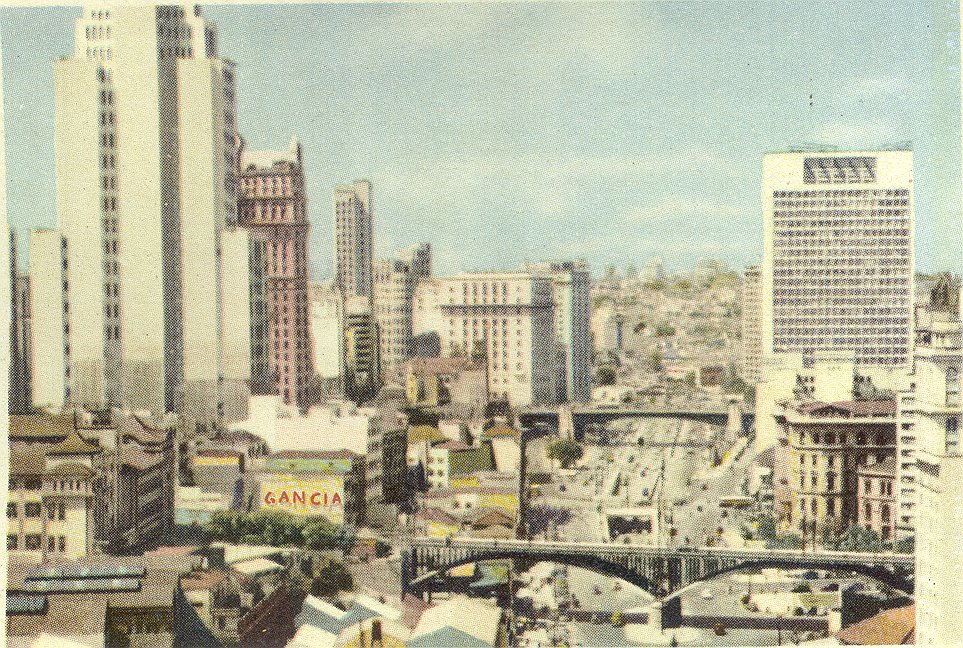
Aerial photograph showcasing the city center of São Paulo, Brazil, part of the Werner Haberkorn Collection at the Museu Paulista of USP.
Historical Foundations and Evolution
The Mosteiro de São Bento is among Brazil’s oldest and most influential religious institutions. Founded in 1598 through a land grant from Captain-Major Jorge Correia, the monastery was established by Friar Dom Mauro Teixeira, a disciple of the Jesuit Father Joseph of Anchieta. The first church, constructed on Teixeira’s own land between the Anhangabaú and Tamanduateí rivers, marked the beginning of the Benedictine order’s enduring influence in São Paulo (Wikipedia).
The monastery faced significant challenges, including a 19th-century government law threatening to dissolve religious novitiates. Revival efforts led by Abbot Dom Miguel Kruse in the early 20th century were instrumental in restoring the monastic community and modernizing its facilities. The current church, completed in 1922 and designed by German architect Richard Berndl, reflects both the city’s growth and the monastery’s adaptation to changing times.
Religious Significance and Monastic Life
The monastery remains a vibrant center of Benedictine spirituality, guided by the motto "ora et labora" (pray and work). Around 45 monks reside within, dedicating their lives to prayer, study, and manual labor. Daily liturgical life is structured around the Divine Office—celebrated with Gregorian chant—and public Masses in the Roman rite.
The basilica, dedicated to Our Lady of the Assumption, houses sacred relics and artwork, including 17th and 18th-century sculptures. The choir’s exceptional acoustics and the monks’ chanted prayers provide a deeply atmospheric spiritual experience for visitors (Wikipedia).
The monastery’s prominence was further highlighted in 2007 when it hosted Pope Benedict XVI during his visit to Brazil.
Architectural Features and Artistic Highlights
Exterior and Interior Design
The Mosteiro de São Bento is a striking example of neo-Romanesque and Beuronese architectural styles, completed in 1922. Its façade features robust neoclassical columns, baroque stonework, and a commanding presence over São Paulo’s historic center.
Inside, visitors encounter:
- Stained Glass Windows: Vivid biblical scenes and saints, infusing the nave with color.
- Carved Wooden Altars and Choir Stalls: Showcasing both local and European craftsmanship.
- Frescoes and Murals: Created by German monks from the Beuronese art school, notably Dom Adalbert Gresnicht.
- Grand Pipe Organ: Installed in 1954 and featuring over 6,000 pipes.
- Clock Tower: A German-made clock installed in 1921, accompanied by a carillon of six tuned bells (Wikipedia; placestovisitbrazil.com).
Monastic Complex
Beyond the church, the complex includes cloisters, gardens, a library, educational facilities, and a renowned bakery. The cloistered areas remain private, but guided tours occasionally provide access to select spaces.
Cultural Heritage and Educational Role
Education has been central to the monastery’s mission since 1903, when the Colégio de São Bento was founded. The school is known for its rigorous curriculum and emphasis on classical studies, philosophy, and humanities. A significant library of over 100,000 volumes—including rare incunabula—serves both academic and monastic communities (Wikipedia).
The monastery also engages the public through concerts, art exhibitions, and culinary events, reinforcing its role as a cultural hub in São Paulo.
Visiting Hours, Tickets, and Guided Tours
- Basilica and Church: Open daily, generally from 6:00 or 6:30 AM to 6:00 PM. Visiting hours may vary on holidays and during special events; check the official website for updates.
- Masses (with Gregorian Chant):
- Monday to Friday: 7:00 AM (Gregorian chant), 1:00 PM
- Saturday: 5:50 AM (Gregorian chant)
- Sunday: 8:00 AM, 10:00 AM (Gregorian chant)
- Vespers: Weekdays at 5:30 PM, Sundays at 5:00 PM
Admission: Free for general visits and Mass attendance; donations are appreciated.
Guided Tours: Available on select Sundays after the 10:00 AM Mass and during monthly brunch events. Advance booking is required for guided tours (saopaulosecreto.com).
Special Events: The monastery hosts concerts, exhibitions, and the popular monthly brunch, which includes unlimited monastery-made products and a guided tour (tickets sold in advance).
Accessibility and Transportation
- Location: Largo de São Bento, downtown São Paulo.
- Public Transport: The São Bento Metro station (Linha 1 – Azul) is directly across from the monastery entrance.
- Parking: Metered street parking available but limited; public transport is strongly recommended due to downtown congestion (Soul Turista).
- Accessibility: Main areas are wheelchair-accessible, though some historic sections may have steps or uneven flooring. Contact the monastery in advance if special assistance is needed.
Visitor Experience and Practical Tips
- Dress Code: Modest attire is required; avoid shorts, sleeveless tops, and hats inside the church.
- Silence and Etiquette: Maintain silence, especially during services. Set phones to silent.
- Photography: Prohibited during Mass and ceremonies; permitted in designated areas outside service times (Soul Turista).
- Bakery and Shop: Open during business hours, offering traditional breads, cakes, jams, and religious souvenirs. Queues can be long during weekends and brunch days.
- Safety: Visit during daylight hours and remain vigilant with personal belongings.
Special Experiences and Events
Gregorian Chant Mass
The monastery is famous for its Gregorian chant Masses, especially the Sunday 10:00 AM service. The combination of monastic chanting and the grand pipe organ creates a transcendent spiritual atmosphere (saopaulosecreto.com).
Monthly Brunch
Held on the last Sunday of each month, this paid event includes unlimited servings of monastery-baked products and a guided tour. Purchase tickets in advance via the official website.
Concerts and Cultural Events
The basilica hosts Candlelight Concerts and other special performances, often featuring classical and sacred music (feverup.com). The historic theater within the complex also presents lectures and events (mosteirodesaobentosp.com.br).
Frequently Asked Questions (FAQs)
Q: What are the Mosteiro de São Bento visiting hours?
A: Typically 6:00/6:30 AM–6:00 PM daily; check the official website for updates.
Q: Is there an entrance fee?
A: No, entry is free; donations are welcome.
Q: Are guided tours available?
A: Yes, on select Sundays and during special events; advance reservation required.
Q: Can I attend Mass and listen to Gregorian chant?
A: Yes, particularly at weekday 7:00 AM and Sunday 10:00 AM Masses.
Q: Is the monastery wheelchair accessible?
A: Main areas are accessible; contact in advance for special needs.
Q: Where can I park?
A: Limited metered parking nearby; public transport is recommended.
Visual Highlights

Alt text: Mosteiro de São Bento facing São Bento Square, with neoclassical columns and baroque details.

Alt text: The interior of the basilica, featuring stained glass, wooden altars, and sacred murals.
Explore More São Paulo Historical Sites
Expand your itinerary with these nearby attractions:
- São Paulo Cathedral (Catedral da Sé)
- Pátio do Colégio
- Pinacoteca do Estado
- Guide to São Paulo’s Best Local Bakeries
- São Paulo Historic Center Walking Tour
Listen to the full story in the app
Your Personal Curator, in Your Pocket.
Audio guides for 1,100+ cities across 96 countries. History, stories, and local insight — offline ready.
Audiala App
Available on iOS & Android
Join 50k+ Curators
Sources
-
verified
Mosteiro de São Bento (São Paulo), 2024, Wikipedia [https://en.wikipedia.org/wiki/Mosteiro_de_S%C3%A3o_Bento_(S%C3%A3o_Paulo)]
-
verified
Mosteiro de São Bento: Visiting Hours, Tickets, and Exploring São Paulo’s Historic Gem, 2024, dicasdesaopaulo.com.br [https://dicasdesaopaulo.com.br/mosteiro-sao-bento-ponto-turistico/]
-
verified
St
Benedict's Monastery (Mosteiro de São Bento) - São Paulo, 2024, placestovisitbrazil.com [https://placestovisitbrazil.com/st-benedicts-monastery/]
-
verified
Mosteiro de São Bento Visitor Information and Tips, 2024, Soul Turista [https://soulturista.com/mosteiro-de-sao-bento/]
-
verified
Mosteiro de São Bento Cultural Events and Tours, 2024, saopaulosecreto.com [https://saopaulosecreto.com/en/monastery-of-sao-bento/]
-
verified
Mosteiro de São Bento Concerts and Events, 2024, feverup.com [https://feverup.com/pt/sao-paulo/venue/mosteiro-de-sao-bento]
-
verified
São Paulo Audio Tour - Historic Sé, 2024, eventbrite.co.uk [https://www.eventbrite.co.uk/e/sao-paulo-audio-tour-a-journey-through-historic-se-tickets-1380809992859]
- verified
Last reviewed: