Plan and listen to Morumbi Chapel with Audiala.
Audio guide in your pocket, itinerary in your browser. Built for the way you actually visit.
Introduction
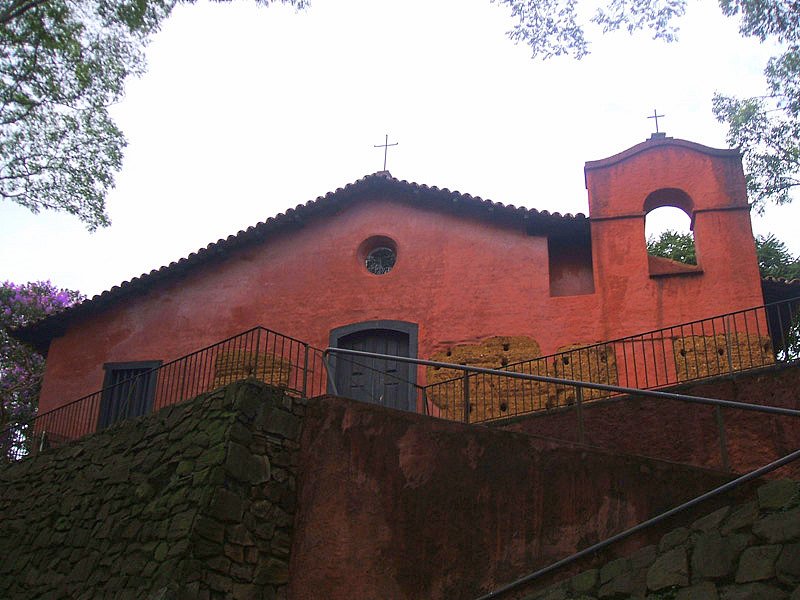
Situated in São Paulo’s affluent Morumbi district, the Morumbi Chapel (Capela do Morumbi) stands as a prominent symbol of Brazilian modernist architecture and cultural heritage. Originally commissioned by the Matarazzo family in the late 1940s and designed by Gregori Warchavchik, the chapel seamlessly blends minimalist aesthetics, spiritual tranquility, and innovative architectural principles. Over the decades, it has evolved from a private family sanctuary to a vibrant cultural venue, hosting contemporary art exhibitions, concerts, and community events. This guide explores Morumbi Chapel’s rich history, architectural highlights, visiting hours, ticketing information, accessibility, and nearby attractions—offering all you need to plan a rewarding visit to this São Paulo historical site. For deeper insights, see Travellers Worldwide and Time Out São Paulo.

Early History and Chapel Origins
The Morumbi district was once dominated by rural estates and farmland. Its transformation into a thriving urban neighborhood mirrored São Paulo’s rapid growth in the early 20th century. The Morumbi Chapel was constructed between the late 1940s and early 1950s by the Matarazzo family as a private place of worship. Perched on a hilltop, the chapel offered panoramic views and solitude, reflecting both the family’s influence and the district’s natural beauty.
Architectural Significance and Influences
Morumbi Chapel is a landmark of Brazilian modernism. Designed by Gregori Warchavchik—an architect pivotal in introducing modernist ideas to Brazil—the chapel features clean, geometric lines, a minimalist façade, and the innovative use of reinforced concrete. Its structure draws from the ideals of Oscar Niemeyer and Lúcio Costa, employing open interior spaces, large windows, and a seamless integration with the landscape. Warchavchik’s approach prioritized function, simplicity, and the interplay between architecture and natural light (Travellers Worldwide; AAJ Press).
Key Features and Artistic Elements
- Minimalist Design: The chapel’s façade avoids ornate religious iconography, opting instead for abstract forms and geometric clarity.
- Interior: The nave is open and tranquil, adorned with stained glass installations and contemporary Brazilian artworks. The altar is elegant and understated, often featuring modern religious art.
- Natural Materials: Use of wood and stone enhances the peaceful atmosphere.
- Integration with Gardens: Landscaped paths and gardens complement the architecture and invite contemplation.
Cultural and Social Role
Initially a private chapel, Morumbi Chapel later opened to the public, gradually becoming a hub for cultural activities. It now hosts art exhibitions, musical performances, and community events, contributing to São Paulo’s dynamic artistic landscape. Its acoustics and serene setting make it especially popular for site-specific installations and performances (Time Out São Paulo; AAJ Press).
Preservation and Modern-Day Use
Recognized as a protected heritage site, the Morumbi Chapel has benefited from restoration efforts aimed at preserving its original design and structural integrity. The city’s stewardship has ensured that the chapel remains a living part of São Paulo’s architectural and cultural evolution. Since the late 1970s, it has functioned as a venue for contemporary art, hosting over 100 exhibitions and installations by renowned and emerging artists (AAJ Press).
Visiting Hours, Tickets, and Accessibility
Morumbi Chapel Visiting Hours:
- Open: Tuesday to Sunday, 10:00 AM – 5:00 PM (last entry at 5:00 PM)
- Closed: Mondays and selected public holidays
- Note: Hours may shift during special events or exhibitions; always check the official website.
Tickets:
- Admission to the chapel is generally free, especially for art exhibitions and cultural events. Some special programs or tours may require a nominal ticket or donation.
- When visiting as part of the Maria Luisa and Oscar Americano Foundation, entry costs R$20 (adults), R$10 (students/seniors), and is free for children under 6. Discounts may apply on certain days (Trip.com).
Accessibility:
- The chapel has wheelchair-accessible entrances and pathways. Some historic areas may have steps; contact the venue for specific accommodations.
- Restrooms and basic amenities are available.
Visitor Experience and Practical Information
- Getting There:
Located at Avenida Morumbi, 5387, the chapel is accessible by car, taxi, rideshare, or public bus. The nearest metro station (São Paulo–Morumbi, Line 4-Yellow) is about 2.5 km away. - Facilities:
The Maria Luisa and Oscar Americano Foundation offers gardens, a café/tea room, and a gift shop. - Guided Tours:
Guided tours are available in Portuguese and, on request, in English or Spanish. These provide deeper insight into the chapel’s history and art. - Photography:
Permitted in most areas, though flash and tripods are restricted inside the chapel to protect its interiors. - Safety and Comfort:
Morumbi is considered safe, though standard precautions are advised. Dress modestly, especially during religious events, and wear comfortable shoes for exploring the grounds.
Notable Events and Milestones
- Since the 1990s, the chapel has hosted over 100 site-specific art installations and numerous community events.
- Special anniversary celebrations and public exhibitions mark significant milestones in the chapel’s history (AAJ Press).
Recommendations and Travel Tips
- Plan Your Visit: Check the current exhibition schedule and verify opening hours online before arrival.
- Combine Attractions: Explore nearby sites like the Lina Bo Bardi Glass House, Maria Luisa and Oscar Americano Foundation museum, and Palácio dos Bandeirantes.
- Best Times to Visit: Early morning and late afternoon offer optimal lighting for photography and viewing the interplay of shadows and textures.
- Accessibility: Contact the chapel in advance if you have specific needs.
Frequently Asked Questions (FAQ)
Q: What are the Morumbi Chapel visiting hours?
A: Tuesday to Sunday, 10:00 AM–5:00 PM; closed Mondays and holidays. Check ahead for event-related changes.
Q: Is there an entry fee?
A: General entry is free; some tours or events may require a ticket or donation.
Q: Are guided tours available?
A: Yes, in Portuguese and by request in English or Spanish.
Q: Is the chapel wheelchair accessible?
A: Yes, though some historic areas may have steps.
Q: Is photography allowed?
A: Permitted in most areas, but avoid flash and tripods inside the chapel.
Q: How do I get there?
A: By car, taxi, rideshare, or bus; the nearest metro station is São Paulo–Morumbi.
Visuals and Media Suggestions
For enhanced engagement, include high-resolution images of:
- The chapel’s exterior and architectural details (“Morumbi Chapel exterior view”)
- Stained glass and interior spaces (“Interior of Morumbi Chapel”)
- Gardens and site-specific art installations (“Contemporary art exhibition inside Morumbi Chapel”)
An interactive map showing the chapel’s Morumbi location and proximity to attractions is also recommended.
Nearby Attractions
- Maria Luisa and Oscar Americano Foundation: Art museum and English-style gardens.
- São Paulo Morumbi Stadium: Guided tours and sports events.
- Butantã Institute: Science museum and botanical gardens.
- Casa do Bandeirante: 18th-century house museum.
- Burle Marx Park: Designed gardens and walking trails.
- Shopping and Dining: Upscale malls and diverse restaurants in Morumbi.
- Major Museums: MASP, Pinacoteca, and others are accessible from Morumbi (São Paulo Secreto).
Listen to the full story in the app
The whole Morumbi Chapel,
told well.
Audio guides for 1,100+ cities across 96 countries. History, stories, and local insight — offline ready.
Verified, and shown.
Researched and written by the Audiala editorial team from historical records, architectural archives, and local expertise.
Researched from Wikidata, Wikipedia & official sources · fact-checked · How we make our guides →