Introduction
Largo da Memória, the oldest public square in São Paulo, is a living illustration of the city's colonial origins, urban transformation, and rich cultural legacy. Established in 1814 at the crossroads of vital trade routes, it has evolved from a logistical stopover for muleteers and traders into a vibrant urban landmark. At its heart stands the Piques Obelisk, São Paulo’s oldest monument, symbolizing the city's early modernization efforts and community spirit. Today, Largo da Memória is a protected heritage site, blending neoclassical and neocolonial architecture with modern urban functions. This guide explores its history, cultural significance, visitor information, and practical tips for experiencing this emblematic São Paulo landmark (Prefeitura de São Paulo, SPTuris, Folha de S.Paulo).
Photo Gallery
Explore Largo Da Memória in Pictures

Watercolor painting titled 'Cidade de São Paulo', circa 1826, by Charles Landseer depicting an early view of the city of São Paulo, Brazil.

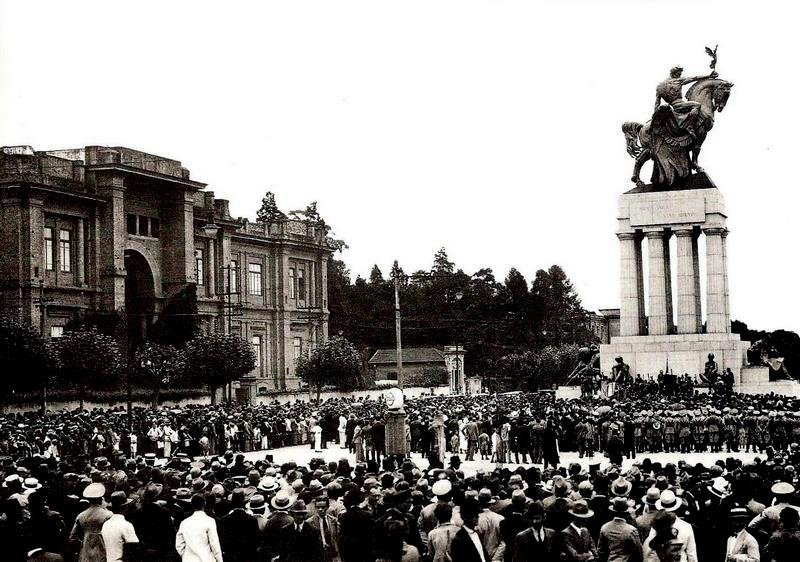
Black and white vintage photograph depicting Largo da Memória square in Rio de Janeiro, Brazil, in 1929, taken by an unknown photographer.

Panoramic view of Largo da Memória square located in Anhangabaú valley, a historic and popular urban space in São Paulo city, Brazil surrounded by diverse architecture.

A historic black and white photograph of Largo da Memória square from 1919, showcasing the urban landscape shortly after Mayor Washington Luis initiated the city's reform project, with the sketch published on October 5, 1919.

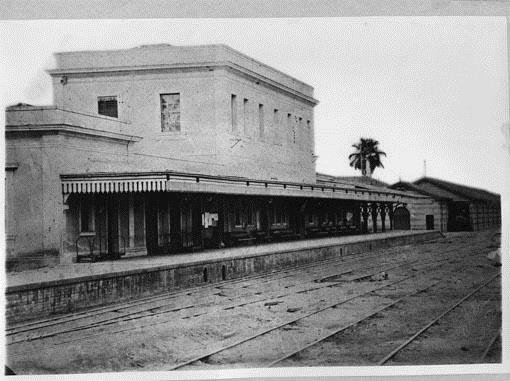
Black and white photograph of Paredão do Piques, Ladeiras da Memória, and Piques from 1862, depicting the area now known as Largo da Memória in São Paulo, Brazil.

Largo dos Piques in Rio de Janeiro captured by Augusto Militão de Azevedo circa 1862, showcasing a historic urban landscape.

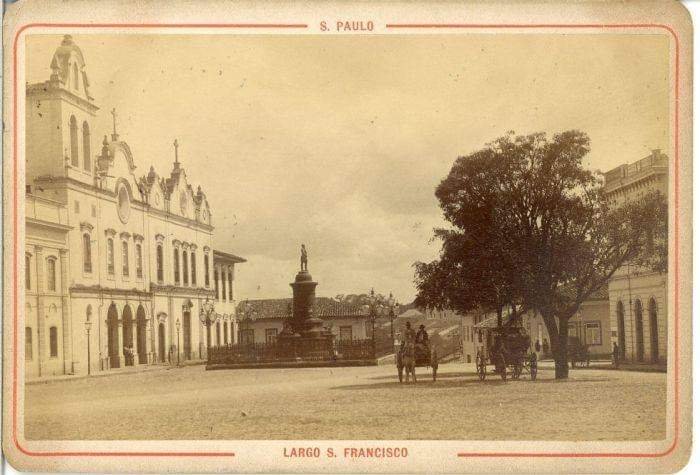
Historical view of Ladeira São Francisco towards Largo da Memória in São Paulo, Brazil, circa 1860, photographed by Militão Augusto de Azevedo.

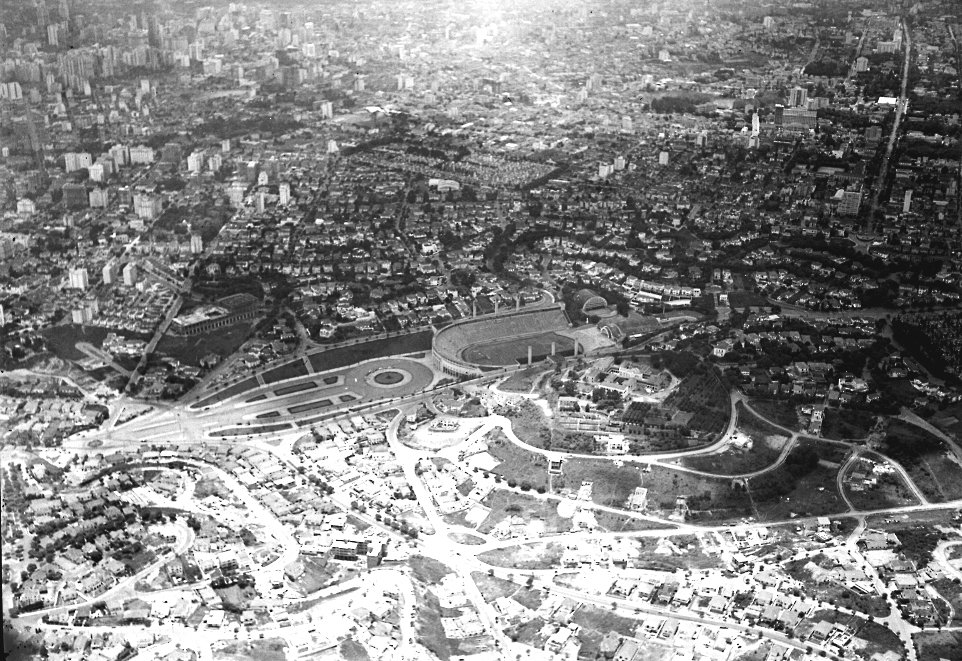
Aerial photograph showcasing the Anhangabaú Valley in São Paulo, part of the Werner Haberkorn Collection at Museu Paulista of USP

Aerial photograph of Anhangabaú Valley, São Paulo, part of the Werner Haberkorn collection at Museu Paulista, USP
Origins and Early Development
Largo da Memória, originally known as Largo do Piques, emerged in the early 19th century as São Paulo was transitioning from a colonial town to a growing city. Its strategic location at the intersection of Caminho do Mar, Estrada de Sorocaba, and Estrada de Campinas made it a key hub for travelers and traders. In 1814, the construction of a public fountain further established the square’s importance for those transporting goods between the interior and the coast, particularly the tropeiros (muleteers) who relied on this spot as a vital rest and watering point (Prefeitura de São Paulo).
The Piques Obelisk and Urban Transformation
The Piques Obelisk, inaugurated in 1814, remains the square’s defining feature and São Paulo’s oldest monument (SPTuris). Designed in the neoclassical style by engineer Daniel Pedro Müller, the obelisk commemorates improvements to the local water supply and the construction of the public fountain. Over time, the landscape of Morro do Piques was leveled, integrating the square into the growing city center and transforming its role from a utilitarian resting point to a symbol of São Paulo’s historical roots (Dossiê Largo da Memória).
Social and Cultural Significance
Throughout the 19th and early 20th centuries, Largo da Memória became a melting pot for merchants, travelers, residents, and the enslaved population. The Chafariz do Piques fountain, a crucial amenity before modern water infrastructure, served both people and animals (Instituto do Patrimônio Histórico e Artístico Nacional – IPHAN). The square was also a site of public gatherings, social movements, and, infamously, slave auctions. After abolition, it became a gathering place for São Paulo’s Black community and other marginalized groups, fostering resilience and cultural expression (Folha de S.Paulo).
Architectural Features and Preservation
The square’s architecture is a blend of neoclassical and neocolonial styles. The 1919 renovation introduced decorative elements such as azulejos (ceramic tiles) with historical motifs, a portico with Ionic columns, and semicircular stone benches. The monumental fig tree and original paving evoke the square’s layered past. Restoration efforts in the 1990s and 2000s, and its designation as a protected heritage site in 1975, have helped preserve its historical character (Condephaat, Dossiê Largo da Memória).
Visiting Hours, Accessibility, and Tours
- Hours: Open to the public 24 hours a day, year-round. Daytime visits (8:00 AM–6:00 PM) are recommended for safety and a fuller appreciation of its features.
- Tickets: No entrance fee or ticket is required.
- Tours: Guided tours are periodically offered by local organizations and the São Paulo City Hall’s heritage department. Information on schedules is available on the Prefeitura de São Paulo website.
- Accessibility: Recent improvements have made the square more accessible for visitors with reduced mobility, including ramps and paved pathways. Some surfaces remain uneven due to historic paving, so caution is advised.
How to Get There
- Metro: The nearest stations are Anhangabaú and São Bento, both within short walking distance.
- Bus: Multiple lines serve the area (SPTrans).
- Walking: The square is accessible on foot from major downtown sites like the Municipal Theatre and Praça da Sé (A Vida no Centro).
- Parking: Limited; public transit is recommended.
What to See and Do
- Obelisk and Fountain: Central to the square, offering photo opportunities and historical reflection.
- Ladeira da Memória: A sloping, cobbled street that echoes the city’s topography and history.
- Art and Urban Culture: The area features street art and occasionally hosts cultural events and festivals, especially those celebrating São Paulo’s Afro-Brazilian heritage.
- Nearby Landmarks: São Bento Monastery, Municipal Theatre, Galeria do Rock, Theatro Municipal, Praça da Sé, Pátio do Colégio, and the Anhangabaú Valley (Travel Passionate).
Safety and Practical Tips
- Best Times to Visit: Early morning or late afternoon for mild weather and good lighting.
- Personal Safety: Visit during daylight; keep an eye on personal belongings, and avoid displaying valuables.
- Facilities: No restrooms or visitor centers on-site; amenities available in nearby cafes and shopping centers.
- Mobility: Wear comfortable shoes due to uneven paving; the site is stroller-friendly but may be challenging for wheelchairs.
Special Events and Community Initiatives
Largo da Memória is a regular venue for cultural programming, including music performances, art exhibitions, and commemorative activities. Community organizations contribute to its maintenance and vibrancy through clean-up projects and public art (Largo da Memória Blog).
Frequently Asked Questions (FAQs)
Q: What are the visiting hours?
A: Open 24/7, but daylight hours are safest and most pleasant.
Q: Is there an entrance fee?
A: No, entry is free.
Q: Are guided tours available?
A: Yes, periodically; check local listings and official sites.
Q: Is the site accessible for people with disabilities?
A: Yes, with some limitations due to historic paving.
Q: How do I get there by public transport?
A: Closest metro stations: Anhangabaú and São Bento; served by multiple bus lines.
Q: What else can I see nearby?
A: São Bento Monastery, Municipal Theatre, Praça da Sé, Galeria do Rock, and more.
Sustainability and Preservation
Largo da Memória’s preservation relies on respect from visitors—avoid littering, graffiti, or damaging monuments. Support local businesses and cultural initiatives to help maintain this vital piece of São Paulo’s heritage. Restoration projects, such as the “Adote Uma Obra Artística” program, continue to enhance the site’s safety, accessibility, and educational value (Dossiê Largo da Memória, IPHAN).
Visuals and Media
- Obelisco do Piques at Largo da Memória
- Azulejos at Largo da Memória
- Map showing location of Largo da Memória
Key Takeaways & Recommendations
- Heritage Landmark: São Paulo’s oldest public square, rich in history and culture.
- Open Access: Free, 24-hour access, with best experience during daylight.
- Central Location: Easily reached by metro, bus, or on foot from downtown sites.
- Cultural Programming: Regular events, tours, and art exhibitions.
- Visitor Safety: Daytime visits recommended; use caution due to uneven surfaces.
- Community Engagement: Ongoing restoration and community-driven initiatives ensure the square remains a vibrant, inclusive space.
Listen to the full story in the app
Your Personal Curator, in Your Pocket.
Audio guides for 1,100+ cities across 96 countries. History, stories, and local insight — offline ready.
Audiala App
Available on iOS & Android
Join 50k+ Curators
Sources
-
verified
Prefeitura de São Paulo
Memorial - Patrimônio Histórico
-
verified
SPTuris
Largo da Memória
-
verified
Dossiê Largo da Memória
Prefeitura de São Paulo
-
verified
Instituto do Patrimônio Histórico e Artístico Nacional – IPHAN
Detalhes do Patrimônio
-
verified
Folha de S.Paulo
(2025). 1975: Construído em 1814, Largo da Memória em SP é tombado
-
verified
A Vida no Centro
Largo da Memória
-
verified
Travel Passionate
Two Days in São Paulo Itinerary
-
verified
SPTrans
Transporte Público em São Paulo
-
verified
Condephaat
Conselho de Defesa do Patrimônio Histórico, Arqueológico, Artístico e Turístico
- verified
Last reviewed: