Introduction
The Fundação Escola de Sociologia e Política de São Paulo (FESPSP) is a cornerstone of Brazilian academic and cultural life. Established on May 27, 1933, in the heart of São Paulo, FESPSP was Brazil’s first higher education institution specializing in the social sciences, emerging during a period of significant social and political transformation after the 1930 Revolution. Founded by São Paulo’s leading intellectuals and economic figures, FESPSP aimed to modernize public administration and catalyze social reforms by embracing globally inspired academic standards. Over the decades, the institution has become a unique landmark, seamlessly blending its historical roots with contemporary relevance in its architecturally distinct campus at Vila Buarque. Today, FESPSP invites visitors to explore its rich legacy through academic programs, public events, and cultural experiences, making it a must-see destination for scholars, tourists, and locals alike (fespsp.org.br/historia; portal.fespsp.org.br/a-fespsp/historia).
Historical Foundations and Evolution
Origins and Early Development (1933–1953)
FESPSP was established during a dynamic era in Brazil’s history, with its inception rooted in the Escola de Comércio Álvares Penteado. The institution quickly gained national recognition for championing rigorous academic and societal engagement, setting new benchmarks for social sciences education in Brazil (fespsp.org.br/historia; fespsp.org.br/quem-somos).
Relocation and Architectural Heritage
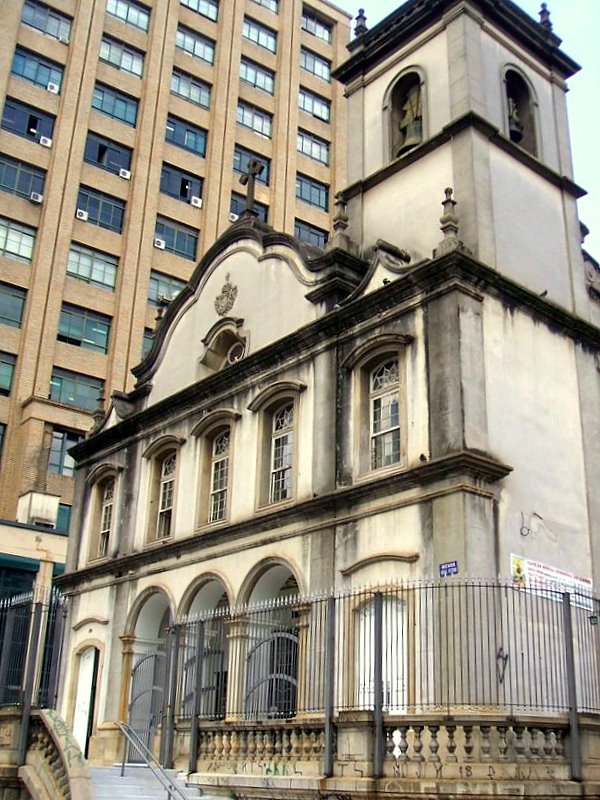
In 1954, FESPSP moved to its current home, a beautifully preserved early 20th-century mansion in Vila Buarque, now protected as a historical landmark. This classic structure stands alongside a modern ten-story building, housing classrooms, a library, and an auditorium, reflecting the institution’s tradition of merging heritage with innovation (fespsp.org.br/historia).
Academic Legacy and Innovations
FESPSP’s influence extends far beyond its physical campus. Its pioneering undergraduate and postgraduate programs in Sociology and Politics, Library and Information Science, and Administration have cultivated generations of leaders and thinkers (fespsp.org.br/graduacao). The institution’s postgraduate tradition includes international partnerships, such as MBA modules with University College London, underscoring its global engagement (fespsp.org.br/quem-somos). Alumni such as former President Fernando Henrique Cardoso highlight FESPSP’s enduring legacy.
Visitor Information: Plan Your Visit
Visiting Hours and Entry
- Hours: Monday to Friday, 9:00 AM – 6:00 PM
- Admission: Free; no reservation required for general visits
Guided Tours and Cultural Events
- Guided Tours: Available by appointment via FESPSP’s official website or phone; tours cover the historic mansion, campus facilities, and ongoing exhibitions.
- Events: The institution hosts public lectures, exhibitions, and community events year-round, providing insight into Brazil's social and political evolution (fespsp.org.br/quem-somos).
Accessibility and Facilities
- Accessibility: Wheelchair-accessible buildings and restrooms.
- Amenities: Onsite café and gift shop with publications and souvenirs.
Location and Transportation
- Address: Rua General Jardim, 522, Vila Buarque, São Paulo, CEP 01223-010
- Public Transit: Accessible via Metro Lines 3 and 4; Train Line 8; multiple bus routes (moovitapp.com).
- Parking: Limited; public transport recommended.
Nearby Attractions
FESPSP is close to major São Paulo sites, including the São Paulo Cathedral, MASP (Museu de Arte de São Paulo), and Largo São Francisco, making it a convenient stop for cultural explorers.
Visitor Highlights: What to See and Do
- Historic Mansion: Admire early 20th-century architecture and learn about urban history.
- Modern Facilities: Explore the library, auditorium, and contemporary learning spaces.
- Cultural Program: Attend exhibitions, lectures, and community events reflecting Brazil’s social and political discourse.
- Photography: Capture the contrast between heritage and modernity on campus.
Frequently Asked Questions (FAQ)
Q: Is there an entrance fee?
A: No, admission is free.
Q: What are the opening hours?
A: Monday to Friday, 9:00 AM – 6:00 PM.
Q: Can I book a guided tour?
A: Yes, by appointment via the official website.
Q: Are facilities accessible?
A: Yes, including wheelchair access and adapted restrooms.
Q: Is photography allowed?
A: Yes, for personal use in public areas.
Q: Are there onsite amenities?
A: Yes, a café and a gift shop.
Academic Programs
Undergraduate and Graduate Studies
- Sociology and Politics: A flagship program since 1946, preparing students for public service and research (Wikiwand).
- Library and Information Science (FaBCI): A national reference since 1940, integrating traditional and digital information management.
- Administration: Focusing on management in public and private sectors.
Postgraduate Tradition
- Specialization Courses: Public Policy, Social Research, Information Management.
- International Modules: Including partnerships with University College London.
- Student Life: The Centro Acadêmico Florestan Fernandes (CAFFESP) fosters academic and cultural engagement.
Public Events and Community Engagement
FESPSP plays a vital role in São Paulo’s intellectual and cultural landscape:
- Public Lectures and Seminars: Addressing contemporary debates in democracy, social justice, and public policy.
- Cultural Events: Rotating art exhibitions and film screenings.
- Social Outreach: Partnerships with NGOs and public agencies for community development and social inclusion.
Discover More
Discover FESPSP’s unique blend of historical heritage, academic excellence, and cultural vibrancy. Whether you’re a student, researcher, or cultural enthusiast, FESPSP offers a meaningful window into São Paulo’s social and intellectual life.
For up-to-date information on events, guided tours, and academic opportunities, visit the official FESPSP website, or download the Audiala app for notifications and virtual guides. Follow FESPSP on social media for real-time updates.
Listen to the full story in the app
Your Personal Curator, in Your Pocket.
Audio guides for 1,100+ cities across 96 countries. History, stories, and local insight — offline ready.
Audiala App
Available on iOS & Android
Join 50k+ Curators
Sources
- verified
- verified
- verified
Last reviewed: