Plan and listen to Consolação Cemetery with Audiala.
Audio guide in your pocket, itinerary in your browser. Built for the way you actually visit.
Introduction
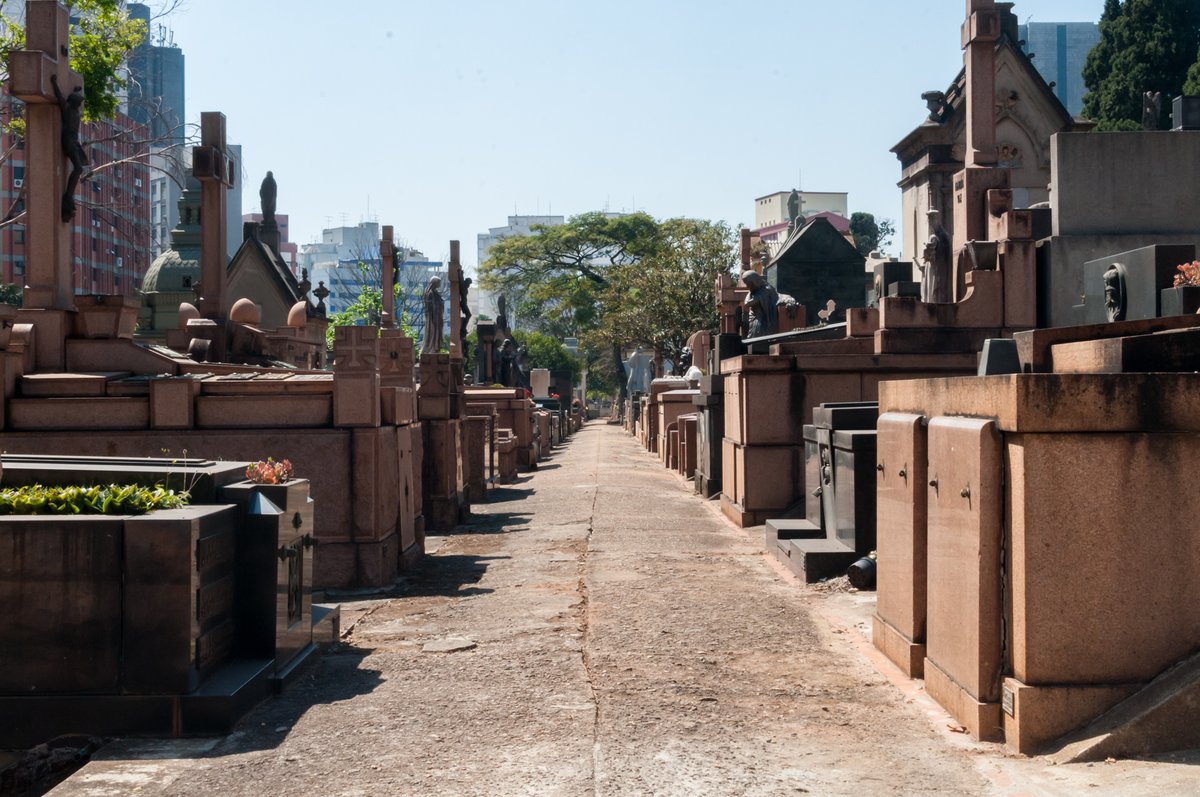
Consolação Cemetery (Cemitério da Consolação) stands as São Paulo’s oldest operating necropolis and one of Brazil’s foremost cultural and historical landmarks. Established in 1858 as a response to public health concerns, the cemetery transitioned burials away from overcrowded churchyards, marking a pivotal moment in the city’s urban development (Wikipedia - Cemitério da Consolação). Over time, it became a final resting place for São Paulo’s elite, a showcase of funerary art, and an open-air museum reflecting the city’s social, artistic, and architectural evolution.
This guide provides detailed, up-to-date information on visiting Consolação Cemetery, including hours, ticketing, accessibility, key highlights, and practical tips, ensuring a respectful and enriching experience for all visitors.


Historical Background and Urban Significance
Origins and Context
Consolação Cemetery was officially inaugurated on August 15, 1858, in response to mounting urban and public health challenges, including a severe smallpox epidemic. Prior to its establishment, São Paulo’s deceased were interred in churchyards, a practice that became unsustainable as the city’s population grew. The new cemetery, initially named Cemitério Municipal, was located on the city’s outskirts to reduce the risk of disease transmission (Wikipedia - Cemitério da Consolação).
Expansion and Social Evolution
As São Paulo prospered during the coffee boom and subsequent industrialization, the cemetery’s location became enveloped by affluent neighborhoods. It expanded significantly in the late 19th century, and with the opening of additional cemeteries, Consolação became synonymous with prestige and social distinction. Wealthy families commissioned elaborate mausoleums, transforming the site into an open-air exhibition of art and architecture (Wikipedia - Cemitério da Consolação).
Urban Integration
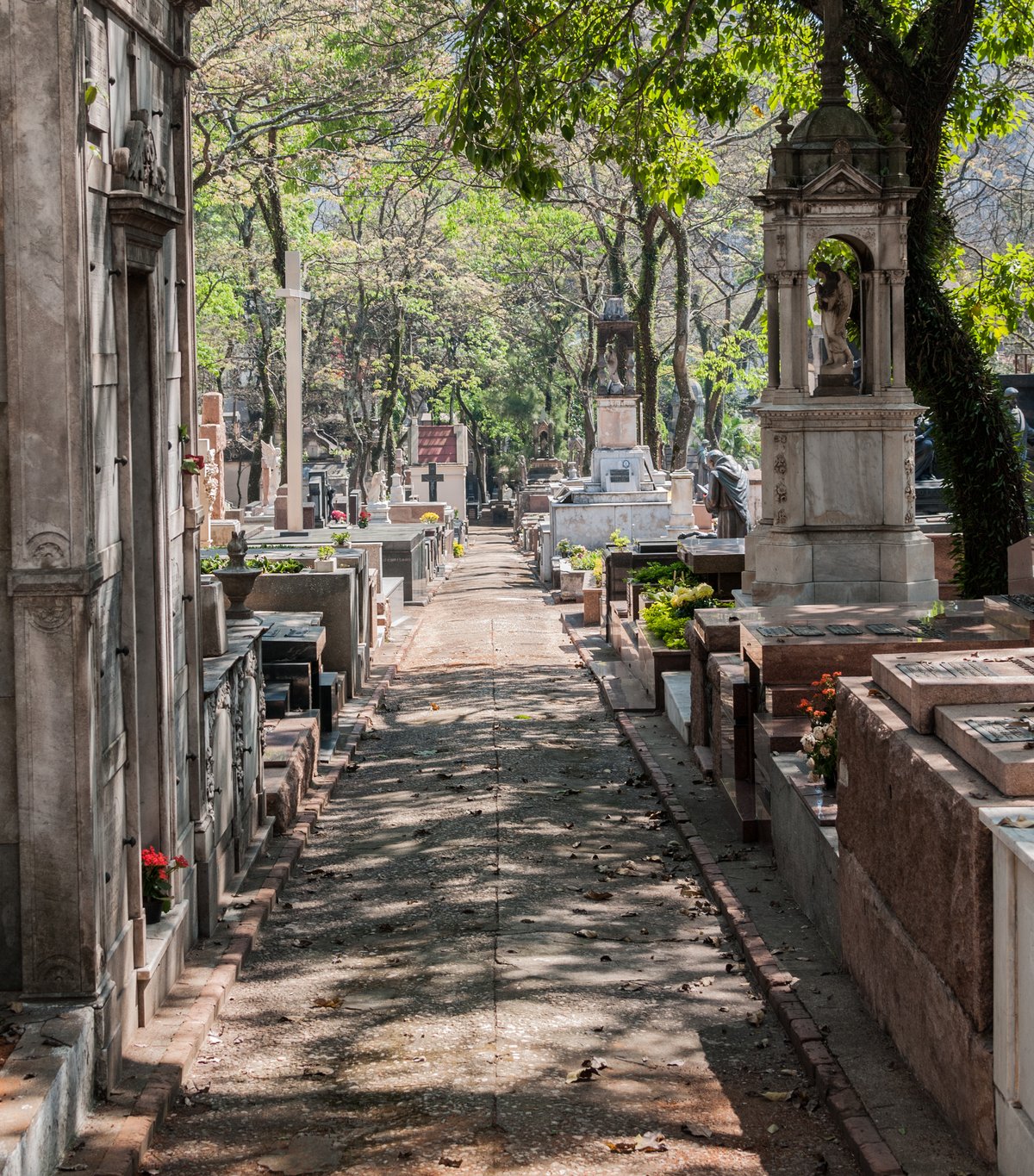
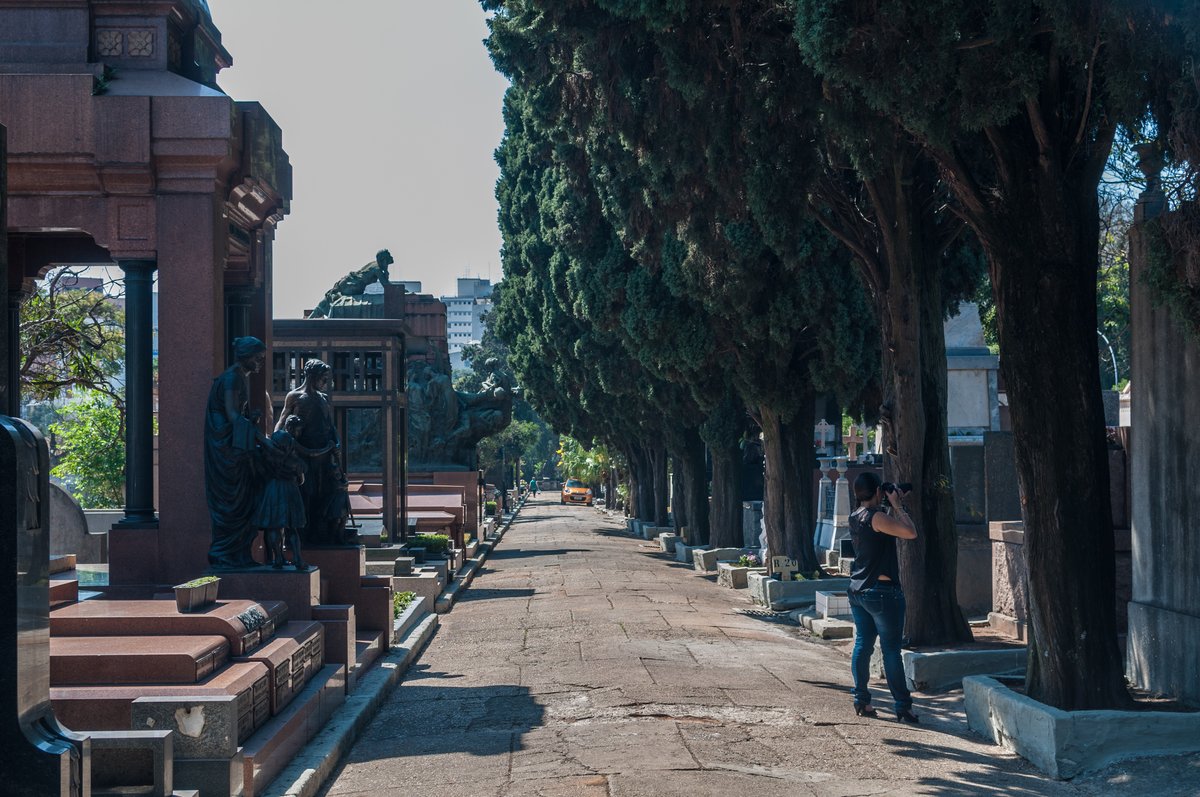
Now centrally located, Consolação Cemetery is bordered by major roads and integrated into the city’s vibrant landscape, surrounded by residential, commercial, and cultural institutions (Consolação district). Its design follows the garden cemetery movement, featuring tree-lined avenues and green spaces that double as both a sanctuary for reflection and a cultural destination.
Artistic and Cultural Heritage
Funerary Art and Monumental Architecture
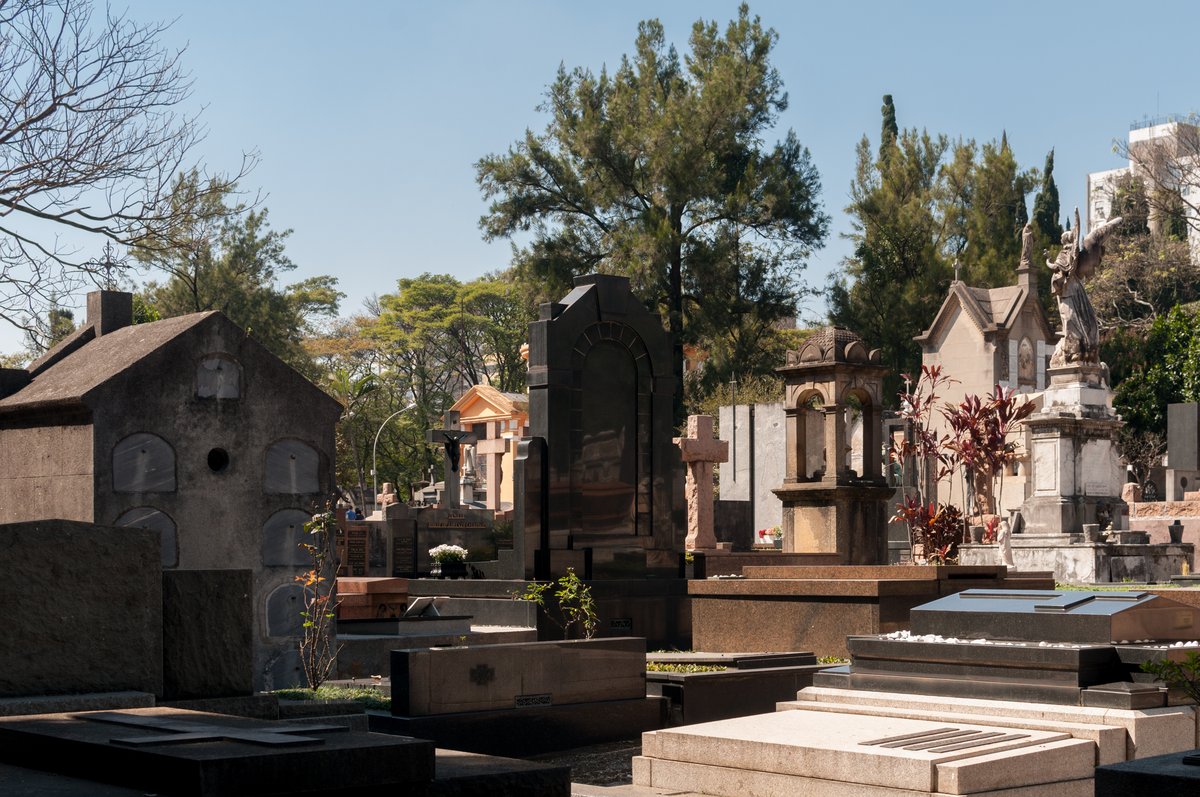
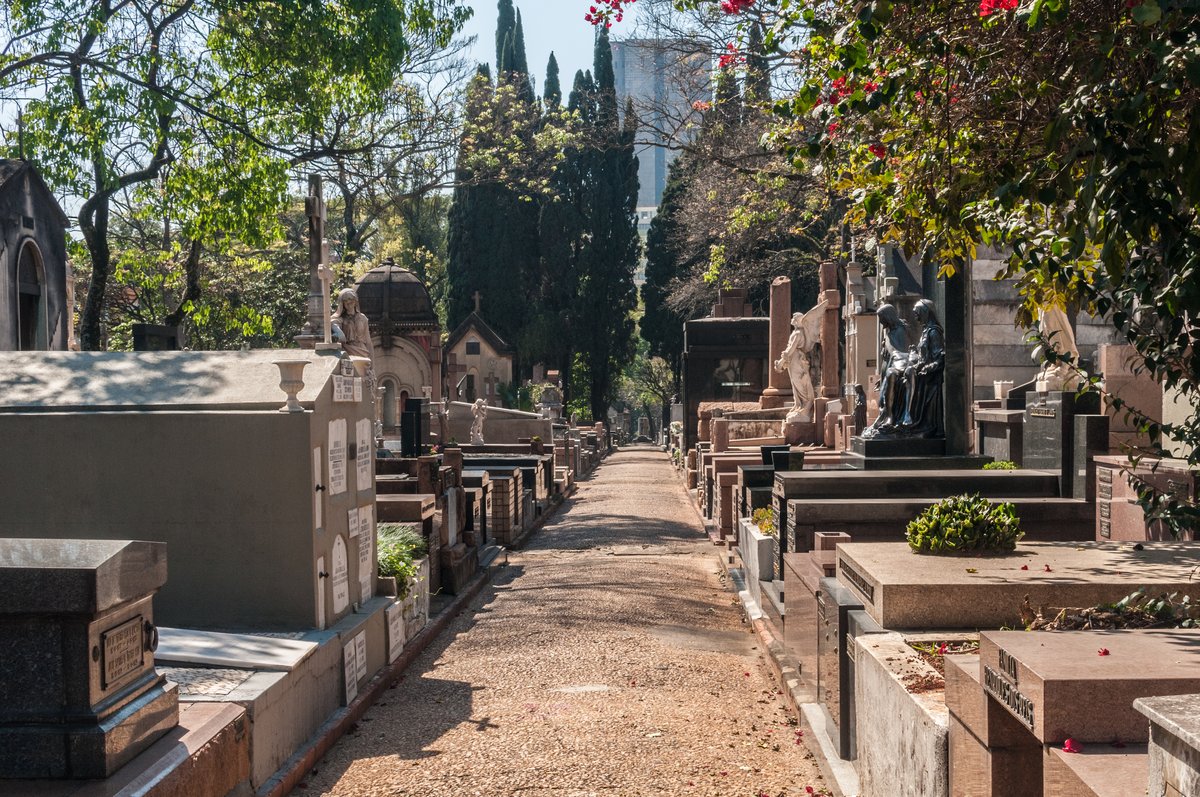
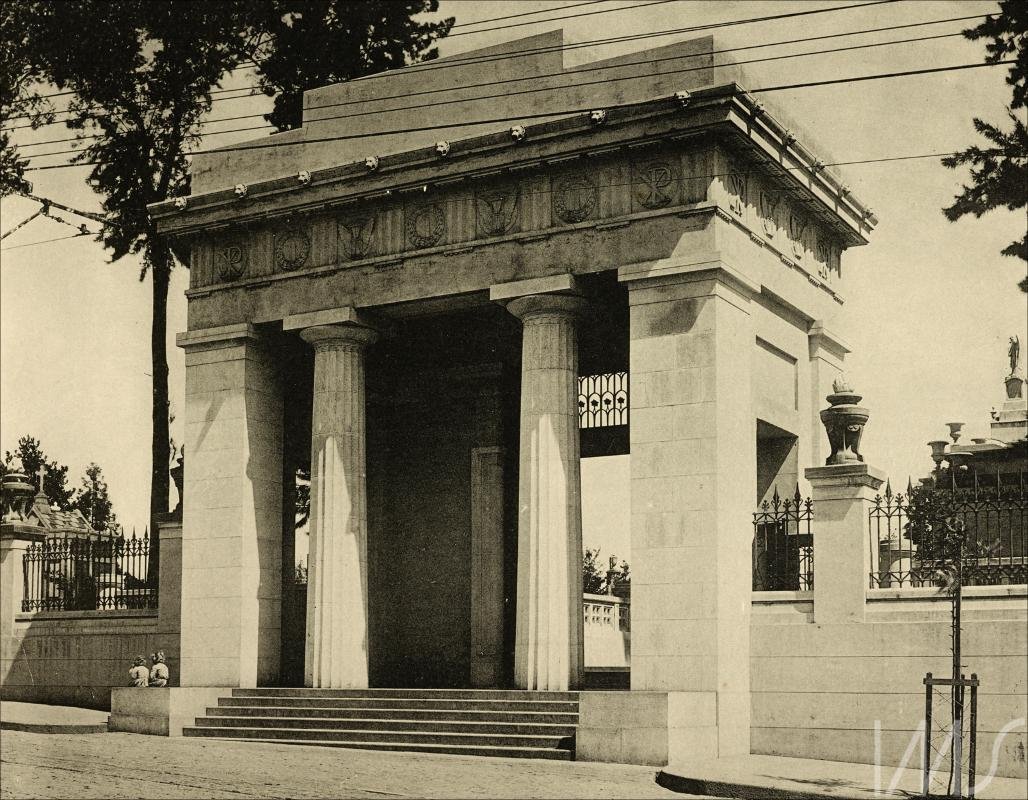
The cemetery is home to over 300 works by renowned artists and sculptors. Styles range from neoclassical and gothic to art nouveau and modernist, reflecting the changing tastes and aspirations of São Paulo’s elite (Viciada em Ímãs e Memórias). The monumental entrance, designed by Ramos de Azevedo in 1902, and the Doric-style chapel set the tone for the rich artistic landscape within.
Notable Artists
- Victor Brecheret: Modernist pioneer, creator of "O Sepultamento" (The Burial), a granite Pietà for Olívia Guedes Penteado’s tomb.
- Luigi Brizzolara: Italian sculptor responsible for the bronze works in the Matarazzo family mausoleum.
- Antelo Del Debbio, Materno Giribaldi, Galileo Emendabili, Bruno Giorgi, Rafael Galvez: Contributed significant sculptures and reliefs, infusing the cemetery with allegories of hope, charity, resurrection, and transcendence (Viciada em Ímãs e Memórias).
Symbolism and Iconography
Motifs such as angels, allegorical virtues, and Christian and mythological symbols are prevalent throughout the cemetery. Imported materials—including Carrara marble and European bronze—highlight the international connections of São Paulo’s upper class (Viciada em Ímãs e Memórias).
Visiting Information: Hours, Tickets, and Tours
- Location: Rua da Consolação, 1660, Consolação, São Paulo
- Opening Hours: Tuesday to Sunday, 7:00 AM to 5:00 PM (closed Mondays; hours may vary on holidays)
- Entry Fee: Free for all visitors (Atlas Obscura)
- Guided Tours: Available through initiatives like “Arte Tumular” on select days—advanced booking is recommended.
- Self-Guided Visits: Maps are available at the entrance. Many tombs feature QR codes for additional information.
- Photography: Permitted for personal and artistic purposes; remain discreet during services or in the presence of families.
Accessibility and Getting There
- Public Transit: The cemetery is easily accessible via the Consolação (Line 2–Green) and Higienópolis-Mackenzie (Line 4–Yellow) metro stations, as well as numerous bus lines.
- Parking: Limited street parking nearby; public transportation is recommended.
- Accessibility: Main paths are paved and generally suitable for wheelchairs. Some older areas have uneven terrain; assistance can be requested at the administration office.
Visitor Guidelines and Safety Tips
- Respectful Conduct: Maintain silence, avoid disruptive behavior, and stay on designated paths.
- Security: The area is generally safe during daylight hours. Remain vigilant with belongings, especially near public transport hubs (World Nomads).
- Facilities: Restrooms are available near the main entrance; no food vendors inside, but cafés and restaurants are nearby.
Notable Tombs and Monuments
- Matarazzo Family Mausoleum: The largest mausoleum in Latin America, with marble and bronze sculptures by Luigi Brizzolara. Symbolizes São Paulo’s industrial legacy (Cidade e Cultura).
- Tarsila do Amaral: Modernist painter and national cultural icon, whose modest tomb attracts art enthusiasts (LNGinNorthernBC).
- Mário de Andrade: Influential writer and organizer of the 1922 Modern Art Week (Cidade e Cultura).
- Olívia Guedes Penteado: Art patron; her tomb features Victor Brecheret’s sculpture, “O Sepultamento” (Solitary Wanderer).
- Marquesa de Santos (Domitila de Castro): Social figure and land donor for the cemetery (Prefeitura de São Paulo).
- Monteiro Lobato: Renowned children’s author and folklorist.
- Presidential Tombs: Includes Dr. Manuel Ferraz de Campos Sales, Washington Luís, and José da Costa Carvalho (Solitary Wanderer).
- Paulo Vanzolini and Paulo Goulart: Composer/zoologist and actor, respectively (Cidade e Cultura).
- Eduardo da Silva Prado: Features a broken column, symbolizing an untimely death (Solitary Wanderer).
- Maria Judite de Barros (“Loira do Banheiro”): Subject of local folklore (LNGinNorthernBC).
Preservation, Community Engagement, and Educational Value
Recognizing its architectural and cultural value, Consolação Cemetery has been protected by municipal and federal heritage agencies since the 1980s (MW17 Conference Paper). Community groups such as the Movimento em Defesa do Cemitério da Consolação (MDCC) advocate for ongoing preservation and public engagement.
Educational initiatives, including digital mapping and guided tours, provide historical context and foster appreciation for the cemetery’s artistic and memorial legacies.
Nearby Attractions
Enhance your visit by exploring nearby São Paulo highlights:
- Avenida Paulista: Cultural and commercial hub with museums, cafés, and theaters.
- São Paulo Museum of Art (MASP): Premier collection of Brazilian and international art.
- Praça Roosevelt, Biblioteca Monteiro Lobato, and local eateries: Easily accessible via public transit (Guia da Semana).
Frequently Asked Questions (FAQ)
Q: What are the visiting hours?
A: Tuesday to Sunday, 7:00 AM to 5:00 PM; closed Mondays and some holidays.
Q: Is there an entry fee?
A: No, entry is free.
Q: Are guided tours available?
A: Yes, on select days; advance booking is advised.
Q: Is the cemetery wheelchair accessible?
A: Main paths are paved and generally accessible; assistance is available upon request.
Q: Can I take photographs?
A: Photography is allowed, but please be discreet and respectful.
Q: How do I get there by public transport?
A: Use nearby metro stations (Consolação, Higienópolis-Mackenzie) or bus lines.
Q: Are there special events?
A: Cultural events and guided tours are occasionally offered; check local listings or the São Paulo tourism office.
Listen to the full story in the app
The whole Consolação Cemetery,
told well.
Audio guides for 1,100+ cities across 96 countries. History, stories, and local insight — offline ready.
Verified, and shown.
Researched and written by the Audiala editorial team from historical records, architectural archives, and local expertise.
Researched from Wikidata, Wikipedia & official sources · fact-checked · How we make our guides →