Introduction
The Cinemateca Brasileira in São Paulo is the largest and most significant film archive in Latin America, dedicated to the preservation, restoration, and celebration of Brazil’s rich cinematic heritage. With a vast collection, a striking architectural setting, and dynamic programming, it stands as a must-visit destination for cinephiles, researchers, and cultural tourists. This comprehensive guide details everything you need to know—from visiting hours and ticket information to historical context, cultural significance, and practical visitor tips.
1. Historical Background and Evolution
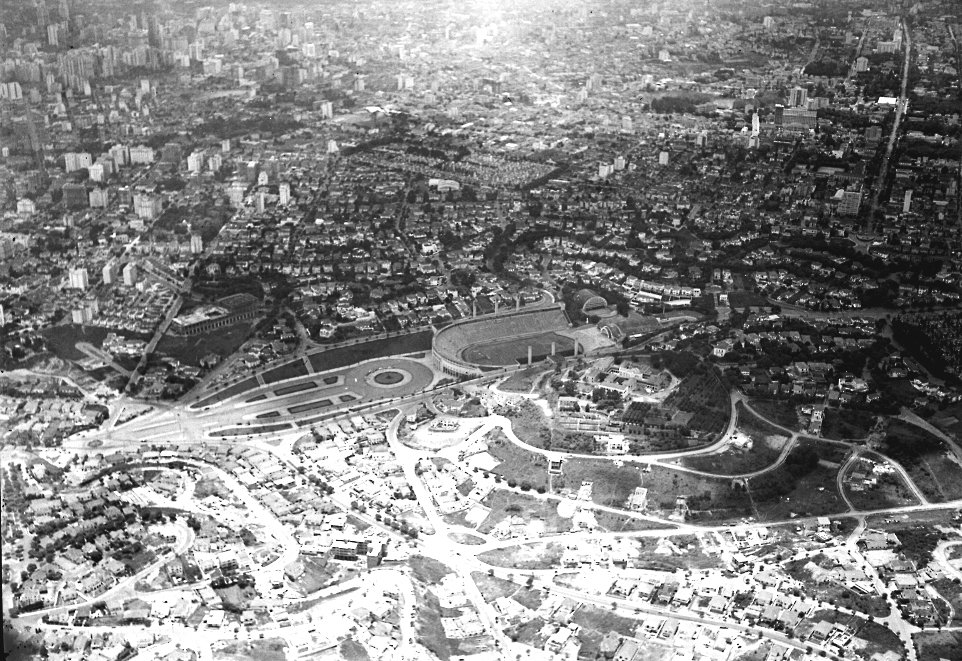
Founded in the aftermath of World War II, the Cinemateca Brasileira was established in 1949 as the Filmoteca do Museu de Arte Moderna de São Paulo. The visionary Paulo Emílio Salles Gomes, inspired by his experiences at the Cinémathèque Française, played a pivotal role in its development. In 1956, the institution gained autonomy as the Cinemateca Brasileira, with a mission to preserve Brazil’s audiovisual memory and promote film as a vital part of national culture (Cinemateca Brasileira Official Website; Wikipedia).
Despite facing significant challenges—including fires, floods, and periods of political and financial instability—the Cinemateca has endured thanks to strong community advocacy and international support. Notable incidents include fires in 1957, 1969, 1982, 2016, and a major event in July 2021, as well as a quickly contained incident in February 2025 (Petapixel; UOL.com.br). Since 2022, the Sociedade Amigos da Cinemateca (SAC) has overseen its revitalization, supported by increased public and private investment (Agência Brasil).
2. Architectural Heritage and Setting
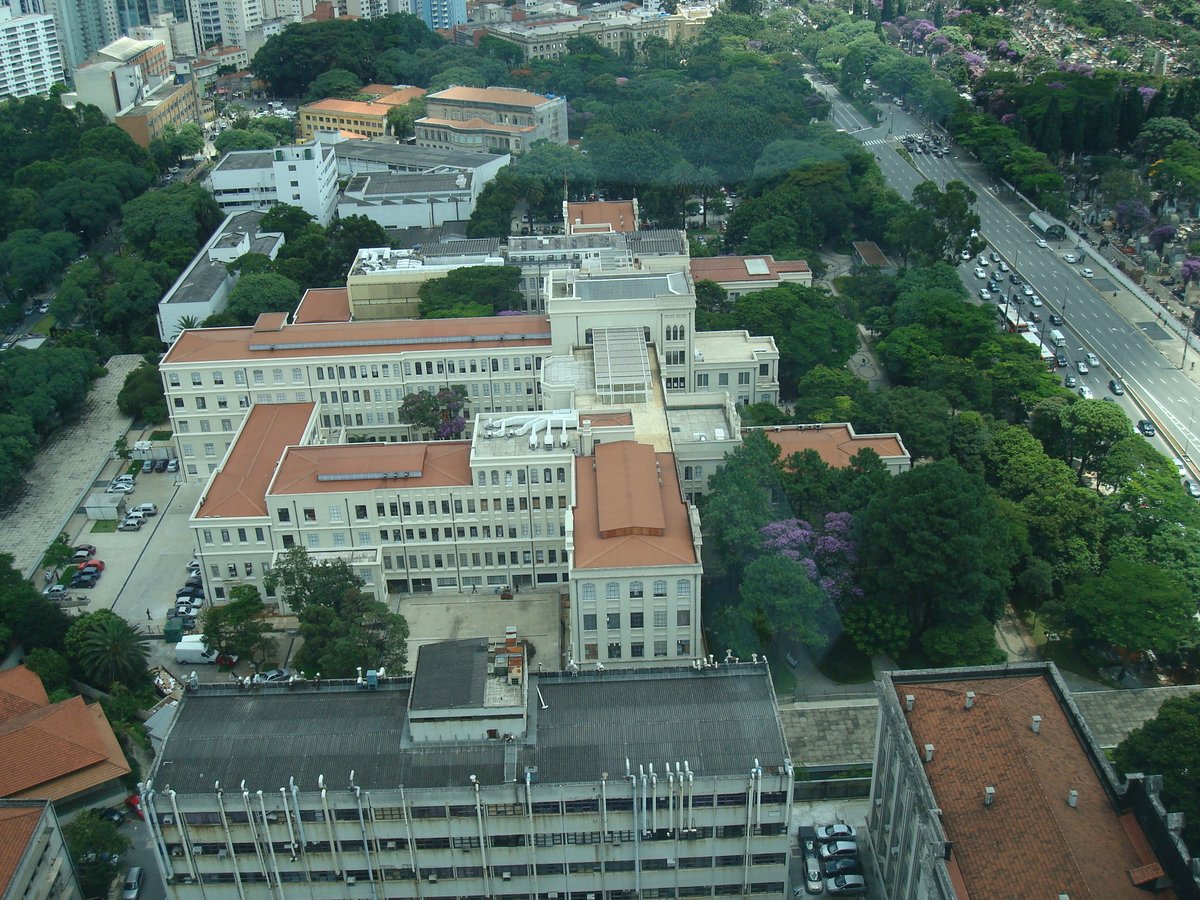
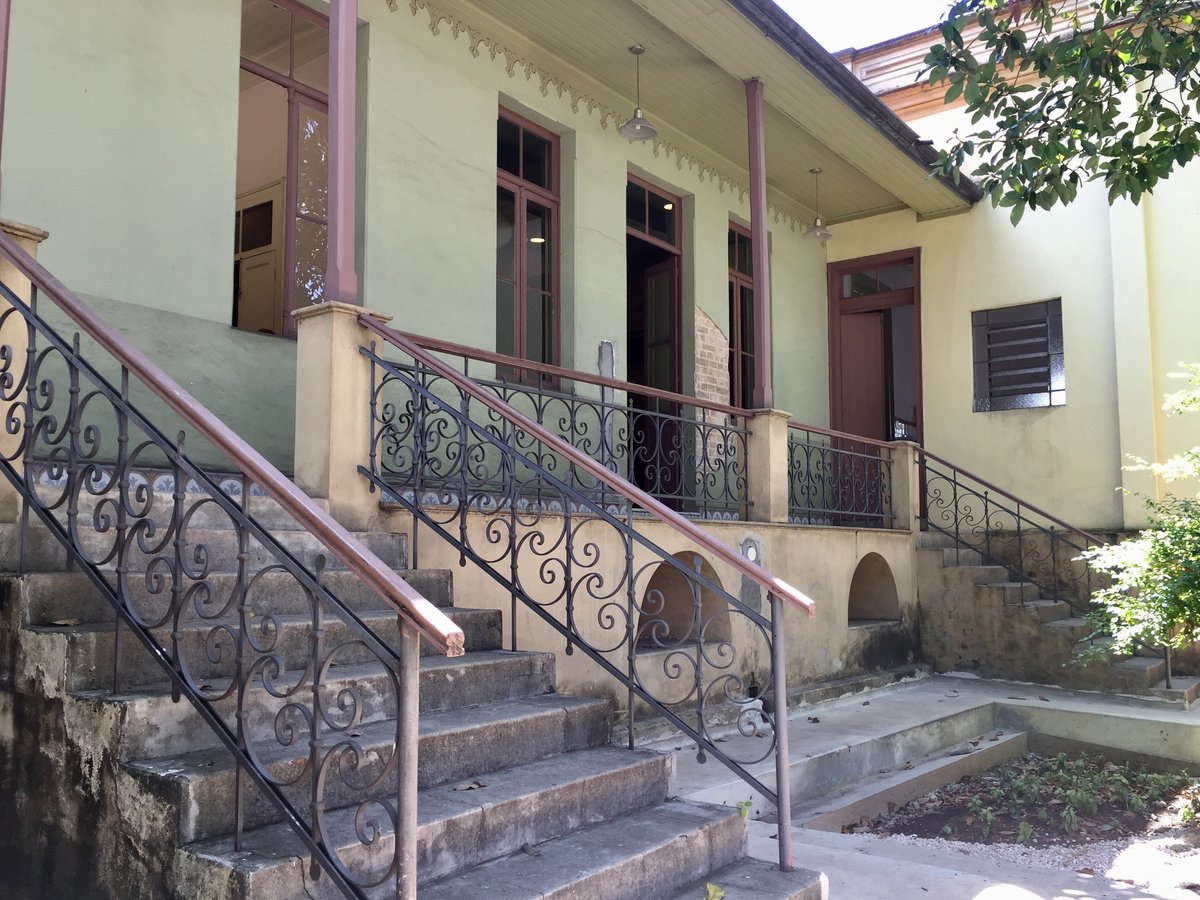
The Cinemateca is housed in the beautifully restored former municipal slaughterhouse, located at Largo Senador Raul Cardoso, 207, in the Vila Clementino district (saopaulosecreto.com). Designed in 1887 by Alberto Kuhlmann, the red-brick building is a protected heritage site, blending 19th-century architecture with modern restoration facilities. The open gardens and public spaces offer a tranquil environment, making the Cinemateca a unique landmark that fuses São Paulo’s urban and cultural history (Condephaat; Enciclopédia Itaú Cultural).
3. Collections and Preservation
The Cinemateca Brasileira safeguards one of the world’s largest and most comprehensive film archives:
- 250,000+ film reels and over 1 million documents, including photographs, scripts, posters, and books.
- Holdings span from Brazil’s first silent films (1897) to contemporary cinema, including rare newsreels, telenovelas from TV Tupi, and works from major studios like Vera Cruz and Atlântida.
- Specialized storage includes climate-controlled and nitrate vaults for the conservation of fragile items.
- The restoration laboratory, a FIAF-recognized center, is a regional benchmark for film conservation, digitization, and restoration (Enciclopédia Itaú Cultural).
Recent initiatives focus on digitizing rare works, such as the 2025 project for Amácio Mazzaropi’s films, ensuring access for future generations (Terra.com.br).
4. Programming and Public Engagement
The Cinemateca is a vibrant center for film culture:
- Screening Rooms: Two main theaters—Sala Oscarito and Sala Grande Otelo—feature state-of-the-art projection for both classic and digital formats (Enciclopédia Itaú Cultural).
- Events: Regular retrospectives (e.g., Mazzaropi 2025), festivals, and thematic showcases often include debates, lectures, and guest filmmaker appearances (Agência Brasil).
- Educational Programs: Free screenings for schools, workshops, and cinema history courses.
- Exhibitions: The Espaço de Exposições Paulo Emílio Salles Gomes hosts rotating exhibits on film history, technology, and Brazilian cinema icons.
- Digital Access: The Banco de Conteúdos Culturais (BCC) platform provides online access to select digitized materials (Refúgios no Interior).
5. Visiting Hours, Tickets, and Facilities
Address: Largo Senador Raul Cardoso, 207 – Vila Clementino, São Paulo
Public Spaces and Gardens: Daily, 8:00–18:00
Screenings: Hours vary; check the official website for up-to-date schedules.
Tickets:
- Most screenings and exhibitions are free.
- For special events, tickets are distributed one hour before each session on a first-come, first-served basis (Terra.com.br).
- Early arrival is highly recommended for popular programs.
Facilities:
- Two main screening rooms, exhibition spaces, a library, and research center.
- Café, restrooms, and comfortable waiting areas.
- Limited nearby parking; public transport or rideshare is advised.
6. Accessibility and Visitor Support
- Wheelchair accessible: Ramps, elevators, and accessible restrooms.
- Sign language interpretation (Libras) during select events and debates (abcine.org.br).
- Staff assistance is available for visitors with mobility needs.
- COVID-19 protocols: Check the official site for the latest health guidelines.
7. Practical Tips for Visitors
- Always check the official Cinemateca website or social media for current programming and schedule changes.
- Photography is allowed in gardens and designated areas, but may be restricted in archives and screening rooms.
- The surrounding Vila Clementino area is rich in cultural and leisure options—consider combining your visit with museums such as MAC or Parque do Ibirapuera (saopaulosecreto.com).
8. Frequently Asked Questions (FAQs)
Q: What are the Cinemateca Brasileira visiting hours?
A: Public spaces and gardens: daily, 8:00–18:00. Screening times vary; see the official website.
Q: Are tickets required?
A: Most events are free; tickets for special screenings are distributed one hour before each session.
Q: Is the Cinemateca accessible for people with disabilities?
A: Yes, the entire facility is wheelchair accessible and offers support for visitors with disabilities.
Q: Can I take photographs?
A: Yes, in designated public spaces; restrictions apply in archives and theaters.
Q: Is there parking?
A: Limited parking is available nearby; public transport is recommended.
Q: Does the Cinemateca offer digital or virtual tours?
A: Yes, portions of the collection are available for streaming and virtual exploration via the Banco de Conteúdos Culturais (BCC).
9. Nearby Attractions
- Museu de Arte Contemporânea (MAC)
- Parque do Ibirapuera
- São Paulo Aquarium
- Local cafés and bookstores in Vila Clementino
10. Recent Developments
Recent years have seen record investment in restoration, fire prevention, and digitization, including a R$5 million grant from Netflix and robust programming such as retrospectives, accessibility initiatives, and expanded digital outreach (Film Quarterly).
11. Summary and Final Tips
The Cinemateca Brasileira is a cornerstone of Brazilian culture and a living archive of the nation’s cinematic journey. Its resilient history, unparalleled collections, and ongoing innovation make it a vital stop for anyone interested in Brazilian cinema or São Paulo’s cultural scene. Plan your visit by reviewing current hours and events online, arrive early for special screenings, and explore neighboring attractions for a full cultural experience.
Stay up-to-date by following the Cinemateca on social media and consider downloading the Audiala app for curated cultural content and event updates.
Listen to the full story in the app
Your Personal Curator, in Your Pocket.
Audio guides for 1,100+ cities across 96 countries. History, stories, and local insight — offline ready.
Audiala App
Available on iOS & Android
Join 50k+ Curators
Sources
- verified
- verified
- verified
- verified
- verified
- verified
- verified
- verified
- verified
- verified
- verified
- verified
- verified
Last reviewed: