Introduction
Centro Cultural São Paulo (CCSP) is a landmark of cultural democratization, artistic innovation, and architectural excellence in the heart of São Paulo, Brazil. Since its opening in 1982, CCSP has become one of the city's premier hubs for arts and culture, offering a remarkable range of collections, libraries, theaters, exhibition spaces, and multidisciplinary programming. Its mission is to foster inclusivity, community engagement, and access to the arts for all, making it a must-visit for art lovers, history buffs, students, families, and curious travelers. Strategically situated at Rua Vergueiro, 1000, with direct metro access, CCSP is both a beacon of São Paulo’s cosmopolitan identity and an accessible space for all.
This comprehensive guide details everything you need to know for your visit, including visiting hours, tickets, accessibility, historical and architectural highlights, programming, travel tips, and nearby attractions. Read on to discover why CCSP stands at the heart of São Paulo’s cultural life (Wikipedia, Google Arts & Culture, São Paulo Secreto).
- Introduction
- Historical Background
- Architectural Significance
- Collections and Facilities
- Cultural Programming
- Visitor Information
- Nearby Attractions
- Frequently Asked Questions
- Conclusion and Call to Action
- References
1. Historical Background
Origins and Vision
CCSP’s inception emerged from São Paulo’s 1970s vision to establish itself as a major cultural metropolis. The original project, conceived during a period of urban expansion, was intended to be a vast complex combining office towers, commercial spaces, and a significant public library (Wikipedia). However, the vision evolved, with architects Eurico Prado Lopes and Luiz Benedito de Castro Telles ultimately tasked to create a cultural center and library that would serve as an open, inclusive space for the city.
Construction and Development
Construction began in 1978, and, despite budget delays and political changes, the first stage was completed in 1982, coinciding with the last day of Mayor Reynaldo de Barros’ administration (Wikipedia). Inspired by the Centre Pompidou in Paris, CCSP broke new ground by integrating exhibition spaces, theaters, and public gardens, revolutionizing the concept of a cultural institution in Brazil (My Art Guides).
CCSP’s Role in São Paulo’s Culture
From its opening, CCSP has played a vital role in democratizing access to culture, housing the Pinacoteca Municipal, the Oneyda Alvarenga Record Collection, and multiple libraries and exhibition spaces. Its mission has always centered on inclusivity, reflecting São Paulo’s multicultural character (ArchDaily).
2. Architectural Significance
Design and Urban Integration
CCSP is an icon of Brazilian modernism and post-modernism, with a design that emphasizes open, horizontal spaces, abundant natural light, and fluid movement. The building’s location between Rua Vergueiro and Avenida 23 de Maio makes it both a city destination and a pedestrian thoroughfare (ArchDaily). The architecture encourages interaction and community, blending seamlessly into São Paulo’s urban fabric.
Green Spaces
Unique among urban institutions, CCSP integrates extensive green areas, including a preserved central courtyard garden and spacious rooftop gardens. These spaces provide tranquil retreats and panoramic city views, while enhancing sustainability and community engagement (ArchDaily).
Interior Diversity
Inside, CCSP features open-plan galleries, theaters, libraries, and communal areas. The modular design allows flexible use, accommodating exhibitions, performances, study spaces, and gatherings (My Art Guides).
Accessibility
From its multiple entrances and direct metro integration to ramps, elevators, tactile flooring, and adapted restrooms, CCSP is fully accessible, fulfilling its mission to welcome all visitors (WhichMuseum).
3. Collections and Facilities
Main Collections
- Coleção de Arte da Cidade: A leading municipal art collection featuring Brazilian modern and contemporary works by artists such as Alfredo Volpi, Tarsila do Amaral, and Tomie Ohtake, as well as emerging talents. Exhibited through thematic rotations exploring urban identity and social change (Google Arts & Culture).
- Arquivo Multimeios: Multimedia archives with photographs, posters, audio/video records documenting the city’s cultural evolution (Google Arts & Culture).
- Discoteca Oneyda Alvarenga: One of Brazil’s oldest public sound libraries, with over 30,000 music items and a focus on Brazilian musicology (Google Arts & Culture).
- Memória CCSP: Archives chronicling CCSP’s own history through photographs, press, and records.
Libraries
- Sérgio Milliet Library: A major public library with over 120,000 volumes.
- Louis Braille Library: Dedicated to visually impaired readers.
- Children’s and Youth Libraries: Specialized spaces for young visitors.
Performance and Exhibition Spaces
- Theaters: Including Sala Adoniran Barbosa, hosting concerts and performances.
- Cinemas: Screening Brazilian and international films.
- Exhibition Halls: Flexible galleries for rotating and permanent exhibitions.
Amenities
- Café and snack bar with vegetarian/vegan options.
- Bookstore, free Wi-Fi, co-working and study areas.
- Accessible restrooms, lockers, baby-changing facilities.
- Rooftop gardens and terraces for relaxation and events.
4. Cultural Programming
Visual Arts
CCSP runs one of Brazil’s longest-standing exhibition programs, supporting contemporary art, photography, design, and installations by established and emerging artists.
Music, Theater, and Cinema
Theaters and music halls feature classical, jazz, hip-hop, and electronic music, alongside dance, theater, and experimental performances. The cinema offers curated film series and festivals, with debates and Q&A sessions (Top Pensando em Viajar).
Educational and Community Programs
Workshops, lectures, and courses on arts, writing, music production, and digital literacy are available for all ages and backgrounds, with outreach to schools and marginalized communities.
Festivals and Digital Events
CCSP is a major venue for São Paulo’s cultural festivals, such as Virada Cultural and Festival Sesc Culturas Negras, and provides online programming including virtual tours and live streams (Google Arts & Culture).
5. Visitor Information
Visiting Hours
- General Hours: Tuesday to Sunday, 10:00 AM – 8:00 PM.
- Closed: Mondays and public holidays.
- Note: Some facilities may open earlier (from 9:00 AM) or close later for events. Always check the official website for current schedules.
Tickets and Admission
- Most exhibitions and activities are free.
- Some performances or workshops require advance tickets, available online or at the box office.
- Early booking is recommended for popular events.
Getting There
- Address: Rua Vergueiro, 1000 – Paraíso, São Paulo, SP, Brazil
- Metro: Direct access via Vergueiro station (Blue Line).
- Bus: Multiple lines serve the area.
- Parking: Limited paid parking nearby; public transport is recommended (São Paulo Metro System).
Accessibility Features
- Ramps, elevators, tactile flooring, adapted restrooms.
- Services for visually and hearing-impaired visitors.
- Multilingual signage; select exhibitions feature Braille and audio descriptions.
Amenities and Food
- On-site café and snack bar.
- Free Wi-Fi, co-working spaces, study areas.
- Rooftop gardens and green areas for relaxation.
- Lockers, accessible restrooms, baby-changing facilities.
Practical Tips
- Arrive early for popular events.
- Check the program online for updated schedules.
- Families welcome: Children’s programming and spaces available.
- Non-flash photography is permitted in most areas.
- Staff provide helpful guidance; some speak English.
6. Nearby Attractions
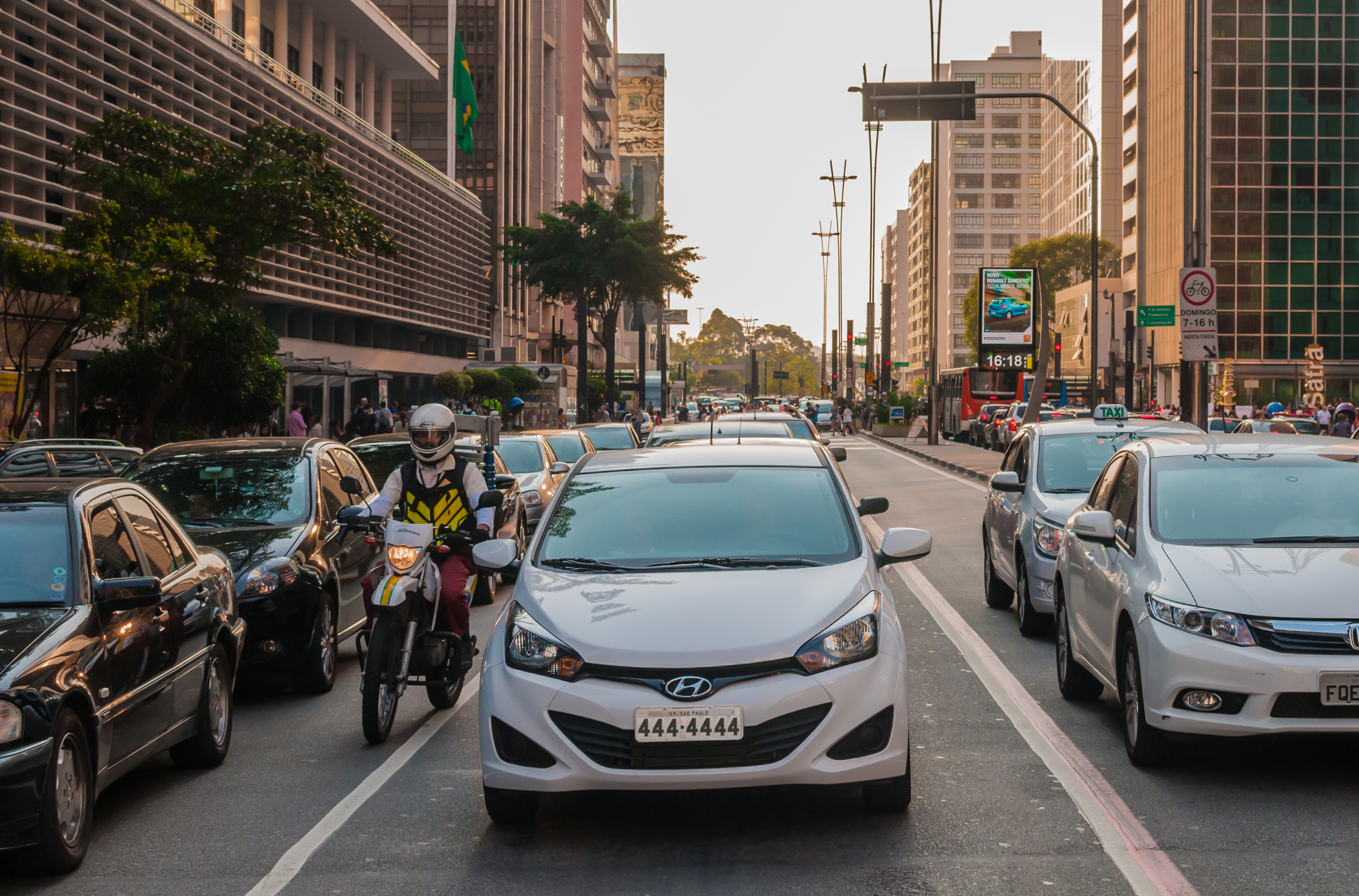
- Avenida Paulista: Cultural artery with museums and galleries.
- Ibirapuera Park: Landmark for modernist architecture and outdoor activities.
- São Paulo Museum of Art (MASP): Internationally acclaimed art museum.
- Liberdade Neighborhood: Japanese cultural district with food and shops.
- Sesc Paulista, Japan House, Pinacoteca: Additional cultural highlights (Lonely Planet).
7. Frequently Asked Questions (FAQ)
Q: What are the opening hours of CCSP?
A: Tuesday to Sunday, 10:00 AM – 8:00 PM. Check the official website for updates.
Q: Is there an admission fee?
A: Most exhibitions and activities are free; some events require affordable tickets.
Q: How do I get to CCSP?
A: By metro (Vergueiro station, Blue Line) or bus. Parking is limited.
Q: Is CCSP accessible?
A: Yes, the center is fully accessible to visitors with disabilities.
Q: Are guided tours available?
A: Yes, guided and virtual tours are offered; check the website for availability.
Q: Is CCSP family-friendly?
A: Absolutely, with programming and spaces for children and families.
Discover More
Centro Cultural São Paulo stands out as a beacon of inclusivity, creativity, and community engagement. Its innovative architecture, extensive collections, and vibrant programming offer something for everyone—whether you’re an art lover, music enthusiast, student, or family. The center’s free or affordable access, direct metro connectivity, and welcoming facilities ensure a memorable experience for all visitors.
Plan your visit today:
- Check the latest hours and events on the CCSP Official Website
- Explore virtual tours and collections on Google Arts & Culture
- Follow CCSP and Audiala on social media for updates and insider tips
- Download the Audiala app for interactive guides and cultural itineraries
Immerse yourself in São Paulo’s creative pulse at the Centro Cultural São Paulo!
Listen to the full story in the app
Your Personal Curator, in Your Pocket.
Audio guides for 1,100+ cities across 96 countries. History, stories, and local insight — offline ready.
Audiala App
Available on iOS & Android
Join 50k+ Curators
Sources
- verified
- verified
- verified
- verified
- verified
- verified
Last reviewed: