Introduction
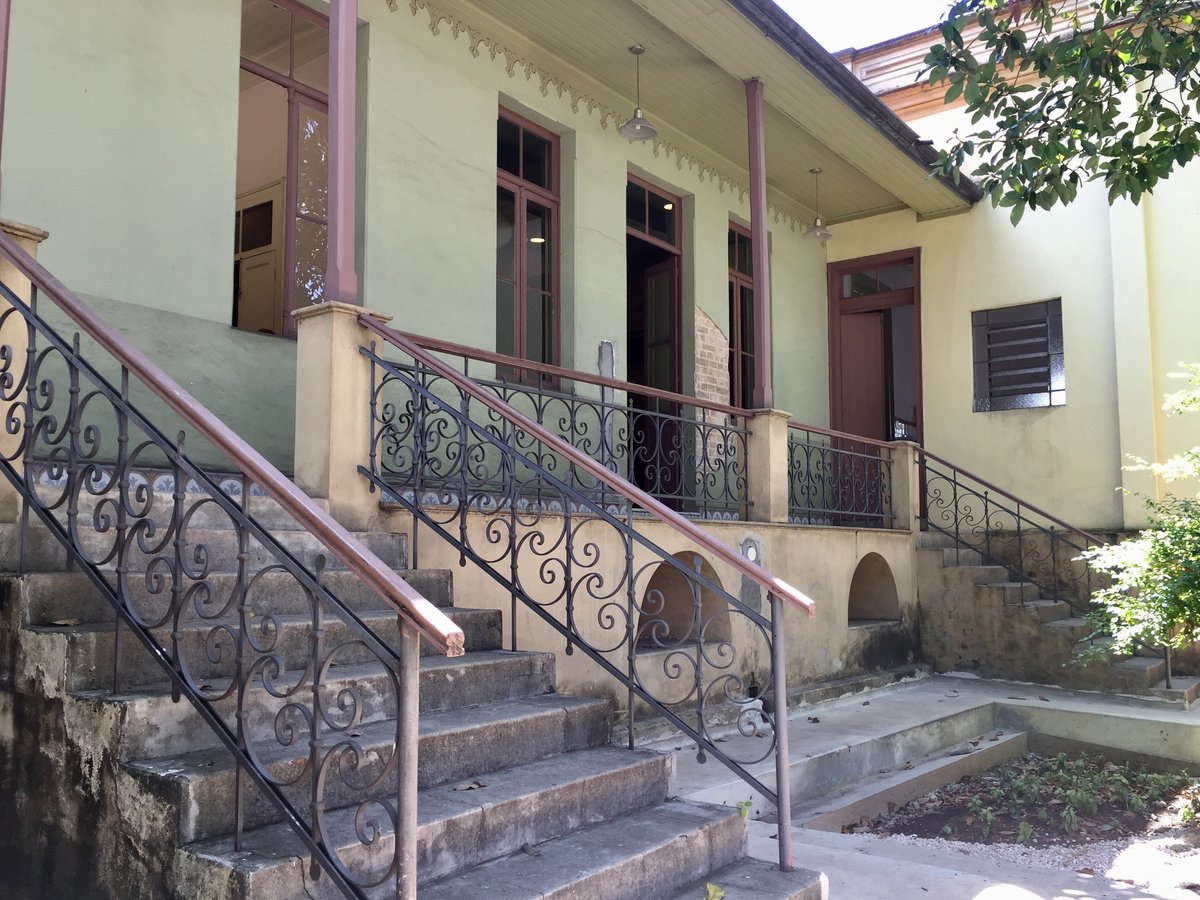
The Centro Cultural e de Estudos Superiores Aúthos Pagano (CCESAP), nestled in São Paulo’s tranquil Alto da Lapa neighborhood, stands as a beacon of Brazil's intellectual, architectural, and cultural legacy. Housed in the former residence of Aúthos Pagano—a renowned mathematician, philosopher, and educator—the center offers a unique blend of mid-20th-century modernist architecture and dynamic cultural programming. More than a preserved historic home, CCESAP fosters interdisciplinary exchange through exhibitions, lectures, workshops, and community events, all while maintaining a steadfast commitment to accessibility and public education (Centro Cultural Aúthos Pagano).
Whether you're an architecture enthusiast, student, researcher, or cultural explorer, CCESAP provides unparalleled insight into São Paulo’s intellectual landscape and the enduring influence of one of its pivotal figures. This guide details its history, architectural features, visitor information, programming, and practical travel tips to help you plan a rewarding visit.
Photo Gallery
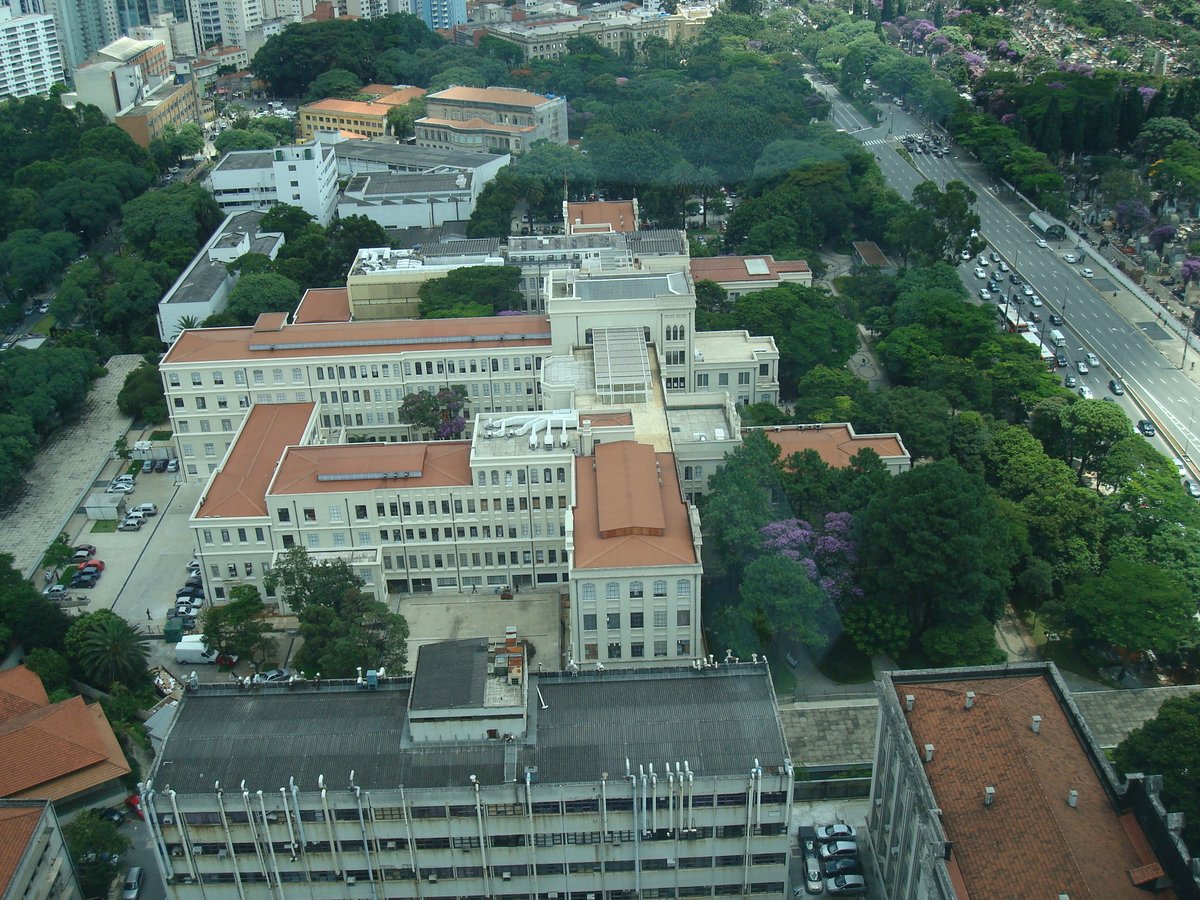
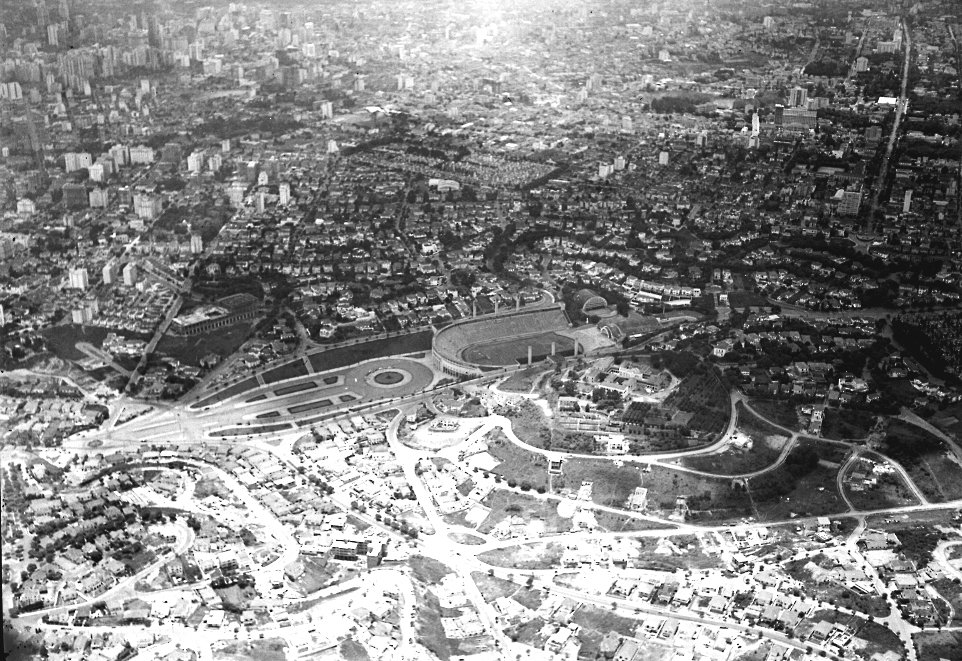
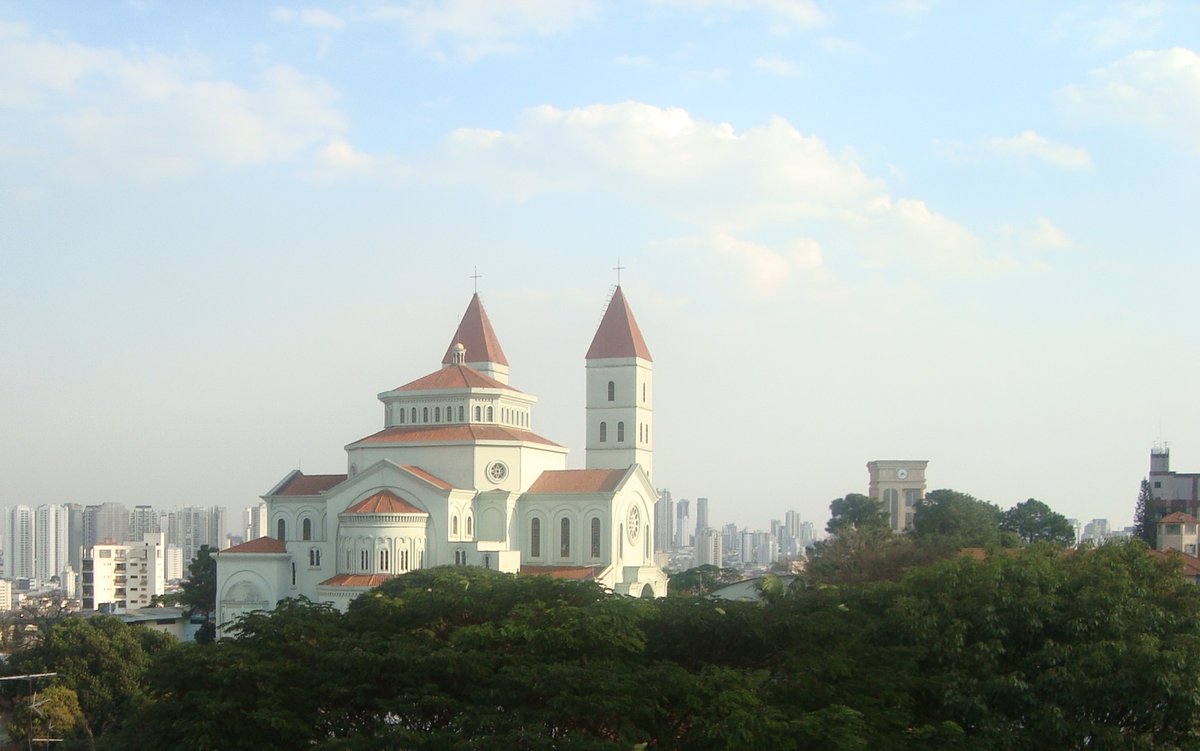
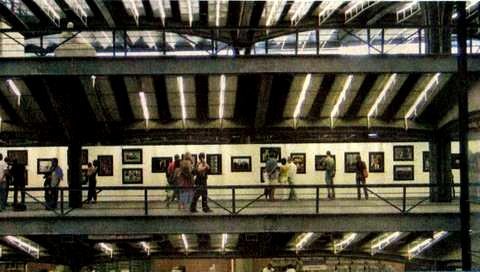
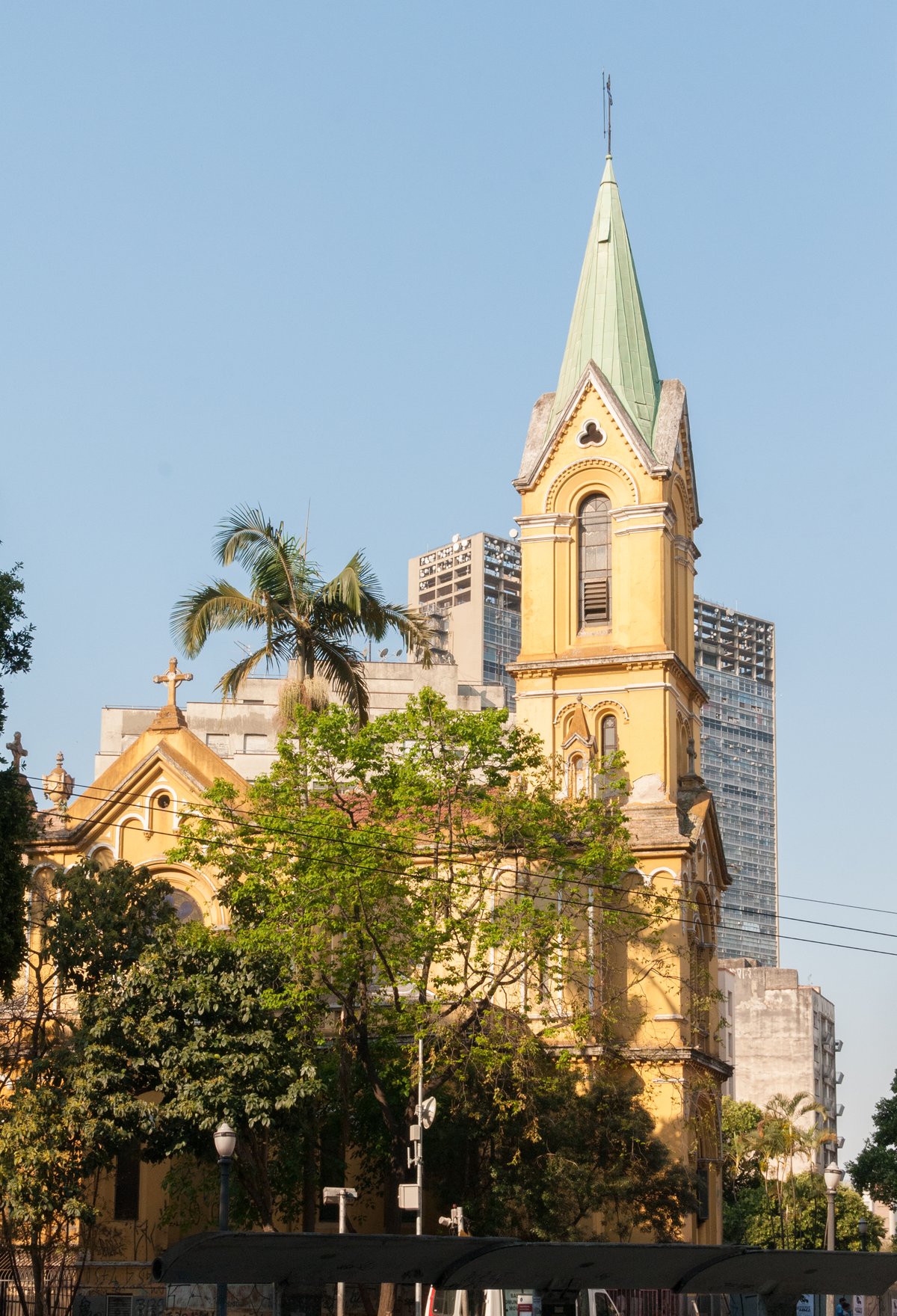
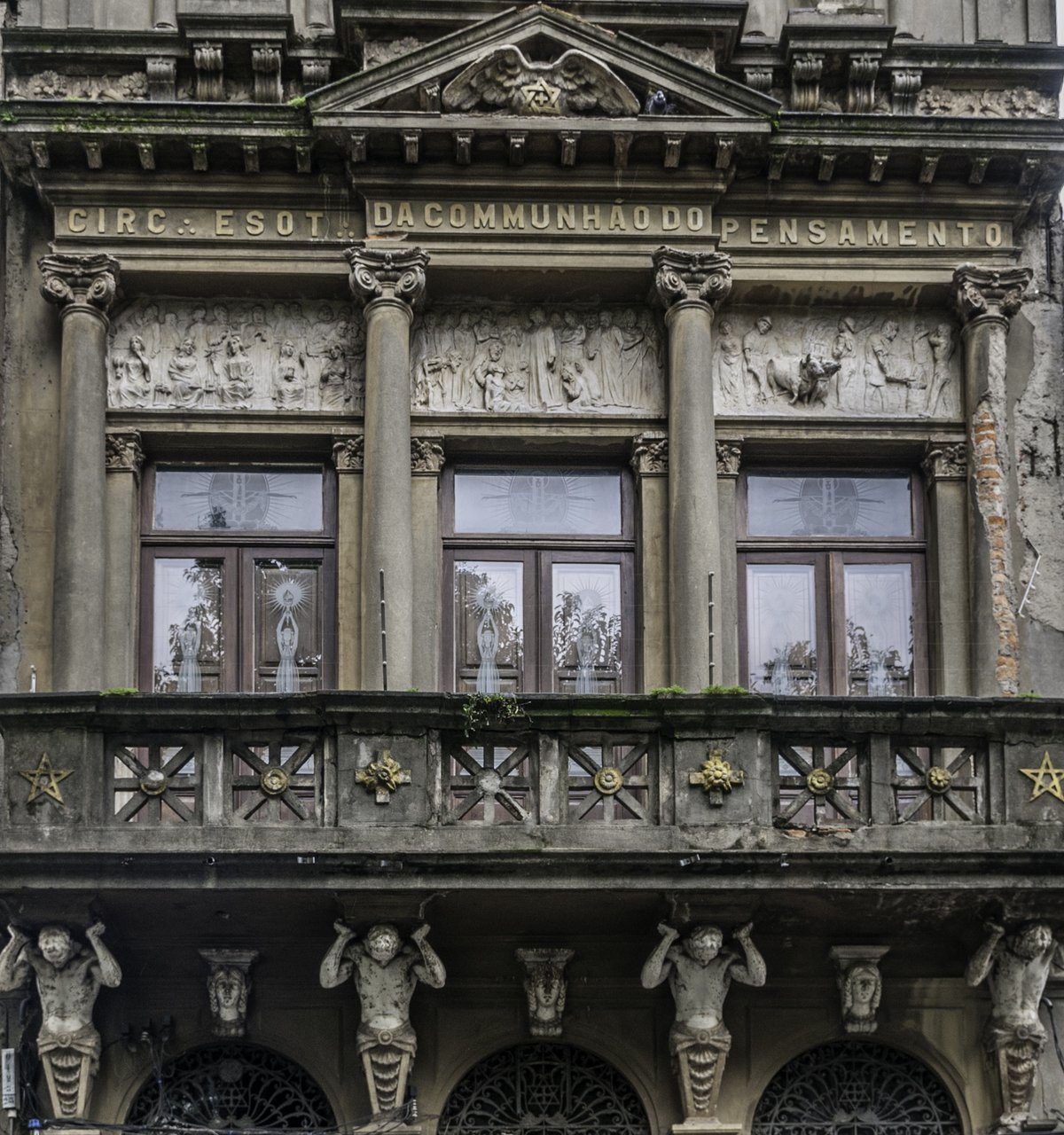
Explore Centro Cultural E De Estudos Superiores Aúthos Pagano in Pictures
Aúthos Pagano: The Legacy
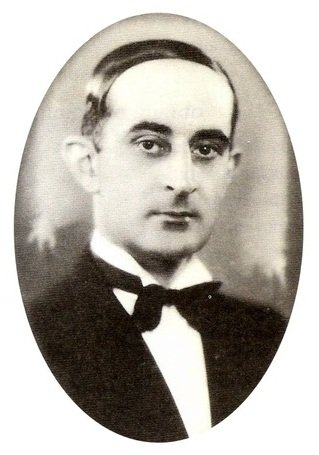
Aúthos Pagano (1907–1976) played a transformative role in advancing mathematics education and advocating for public libraries as engines of social change. His residence, shared with Maria Helena Pagano, was a gathering place for São Paulo’s intellectuals and artists. After his death, the property was preserved and adapted into a public cultural center by the São Paulo state government, ensuring Pagano’s vision for accessible education and cultural engagement lives on (Centro Cultural Aúthos Pagano).
Transformation into a Cultural Center
The state’s Secretaria da Cultura, Economia e Indústria Criativas oversaw the residence’s restoration, collaborating with the Biblioteca de São Paulo. Today, CCESAP not only safeguards Pagano’s archives and personal library, but also serves as a vital node in São Paulo’s cultural network, collaborating with institutions such as Biblioteca Parque Villa-Lobos and the SisEB (Centro Cultural Aúthos Pagano).
Architectural Significance
The center exemplifies mid-century Brazilian modernist architecture, characterized by:
- Clean Lines and Open Plans: Spacious interiors embrace natural light, promoting a sense of openness and connection with the outdoors.
- Material Harmony: Local stone and wood blend seamlessly with lush gardens, a hallmark of the era.
- Adaptive Reuse: Original elements—façade, hardwood floors, fixtures—have been meticulously restored. Modern updates ensure accessibility and safety without compromising historical character.
- Gardens: Landscaped outdoor spaces host concerts, installations, and informal gatherings, enhancing the visitor experience.
- Interior Spaces: Former living spaces have been transformed into exhibition galleries, lecture halls, and reading rooms, all fostering interaction and learning.
Accessibility improvements, including ramps and clear signage, ensure the center welcomes all visitors.
Visitor Information
Location and Directions
- Address: Rua Tomé de Souza, 997, Alto da Lapa, São Paulo, SP, Brazil
- Access: Convenient by public transportation (bus lines, proximity to Vila Madalena and Lapa stations), car, or ride-sharing services.
Visiting Hours
- General Hours: Open Tuesday to Friday on days with scheduled cultural programming, typically 10:00 AM – 6:00 PM.
- Closed: Saturdays, Sundays, public holidays, Carnival Tuesday, and December 24, 25, and 31.
- Appointments: Visits (including guided tours and library access) require prior appointment via [email protected].
Tickets and Admission
- Admission: Free for all exhibitions, workshops, and events. Some special programs may require advance registration.
Accessibility
- Facilities: Ramps, accessible restrooms, and staff assistance on request. The building is adapted for barrier-free access.
Guided Tours
- Availability: By appointment, especially for the house museum and archives. Tours offer in-depth perspectives on the center’s history and architecture.
Cultural and Educational Significance
The Aúthos Pagano Collection
- Personal Library: Over 10,000 volumes in mathematics, philosophy, literature, and science, many annotated by Pagano himself.
- Manuscripts and Papers: Unpublished writings and correspondence shed light on Pagano’s academic and public life.
- Artifacts: Original furnishings, teaching materials, and personal effects recreate the intellectual ambiance of Pagano’s home.
Role in São Paulo’s Cultural Landscape
CCESAP is a hub for interdisciplinary exchange, hosting public lectures, debates, and educational initiatives that attract students, researchers, artists, and community members. Its mission—democratization of knowledge and cultural inclusion—manifests through partnerships and accessible, diverse programming (Centro Cultural Aúthos Pagano).
Programming and Activities
Regular and Thematic Programs
- Theater and Dramaturgy Workshops: Free workshops for youth and adults, both in-person and online.
- Community Choir: The Aúthos Pagano Choir unites participants across generations.
- Biodanza: Weekly sessions promoting wellness and social connection.
- Poetry and Literature: Events such as “Conversa com Verso” and literary debates inspired by Pagano’s library.
- Lectures and Debates: Covering philosophy, science, history, and Brazilian culture, including courses like “History of MPB.”
- Permanent and Temporary Exhibitions: Original furniture, artifacts, and art reflecting the center’s heritage.
Special Events
- Anniversary Celebrations: Annual events in May, including concerts and exhibitions.
- Book Launches, Art Shows, and Philosophical Cafés: Frequent opportunities for community engagement and intellectual exchange.
Facilities and Visitor Experience
- Auditorium: Intimate space for up to 60 attendees.
- Library: Accessible by appointment, supporting academic research and public curiosity.
- Outdoor Areas: Gardens and terraces for events and relaxation.
- Guided Tours: Explore the modernist residence and its history.
Travel Tips and Nearby Attractions
- Nearby Sites: Biblioteca de São Paulo, Biblioteca Parque Villa-Lobos, and Museu da Casa Brasileira.
- Dining: Numerous cafes and restaurants in Alto da Lapa.
- Transport: Plan ahead for parking; use ride-sharing for convenience.
- Family-Friendly: Many activities are suitable for all ages.
FAQs
Q: What are the visiting hours?
A: Tuesday to Friday on days with scheduled programming, typically 10:00 AM – 6:00 PM. Closed on weekends and holidays.
Q: Is admission free?
A: Yes, all activities and visits are free; guided tours and library visits require prior appointment.
Q: How do I book a guided tour or library visit?
A: Email [email protected] to schedule.
Q: Is the center accessible for people with disabilities?
A: Yes, barrier-free access and inclusive programming are provided.
Q: Are there cultural sites nearby?
A: Yes, including Biblioteca de São Paulo and Biblioteca Parque Villa-Lobos.
Summary and Recommendations
The Centro Cultural e de Estudos Superiores Aúthos Pagano is a cornerstone of São Paulo’s cultural and intellectual life, offering a rare combination of architectural heritage, preserved personal archives, and dynamic public programming. Free admission, thoughtful accessibility, and a welcoming atmosphere make it an essential stop for anyone interested in Brazil’s history, culture, and educational legacy. Plan your visit in advance, subscribe to CCESAP’s newsletter, and explore their digital resources to stay updated on programming and events.
For the latest information, visit the official website, or contact the center at [email protected].
Listen to the full story in the app
Your Personal Curator, in Your Pocket.
Audio guides for 1,100+ cities across 96 countries. History, stories, and local insight — offline ready.
Audiala App
Available on iOS & Android
Join 50k+ Curators
Sources
- verified
- verified
- verified
- verified
- verified
Last reviewed: