
Colonial Foundations and Early Construction
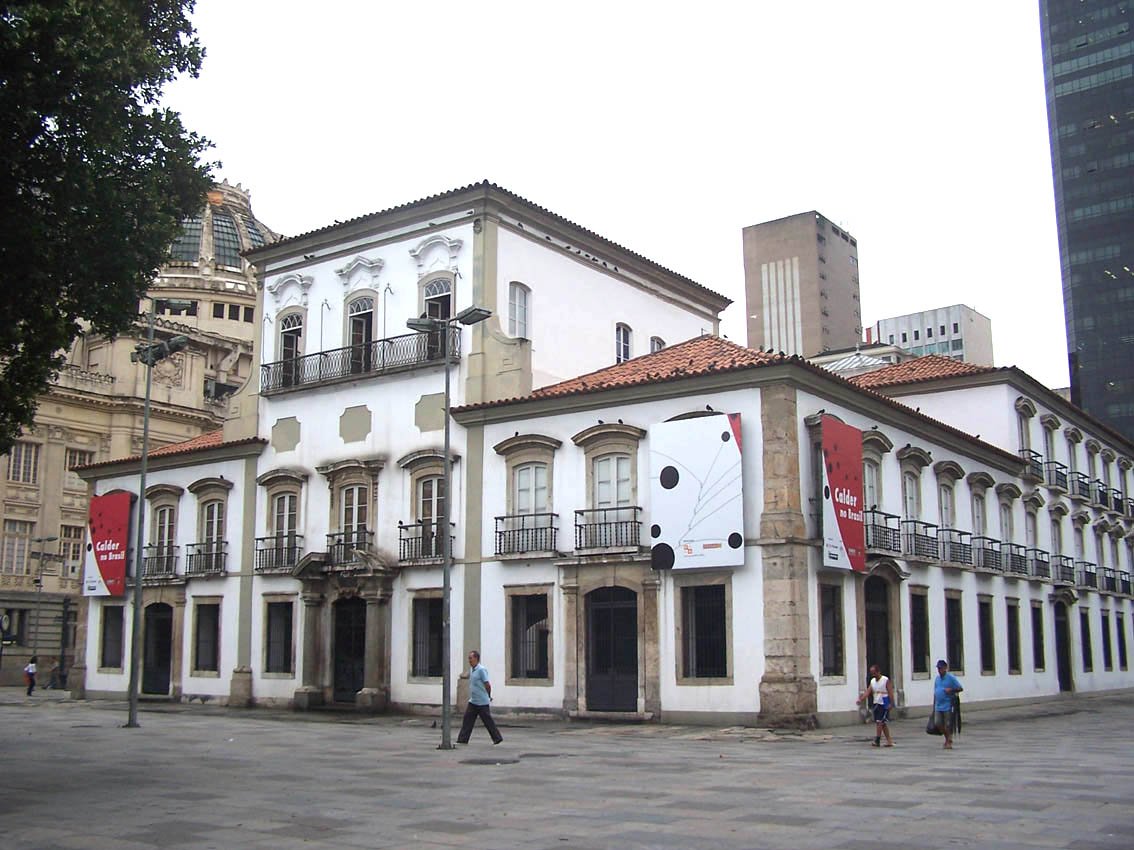
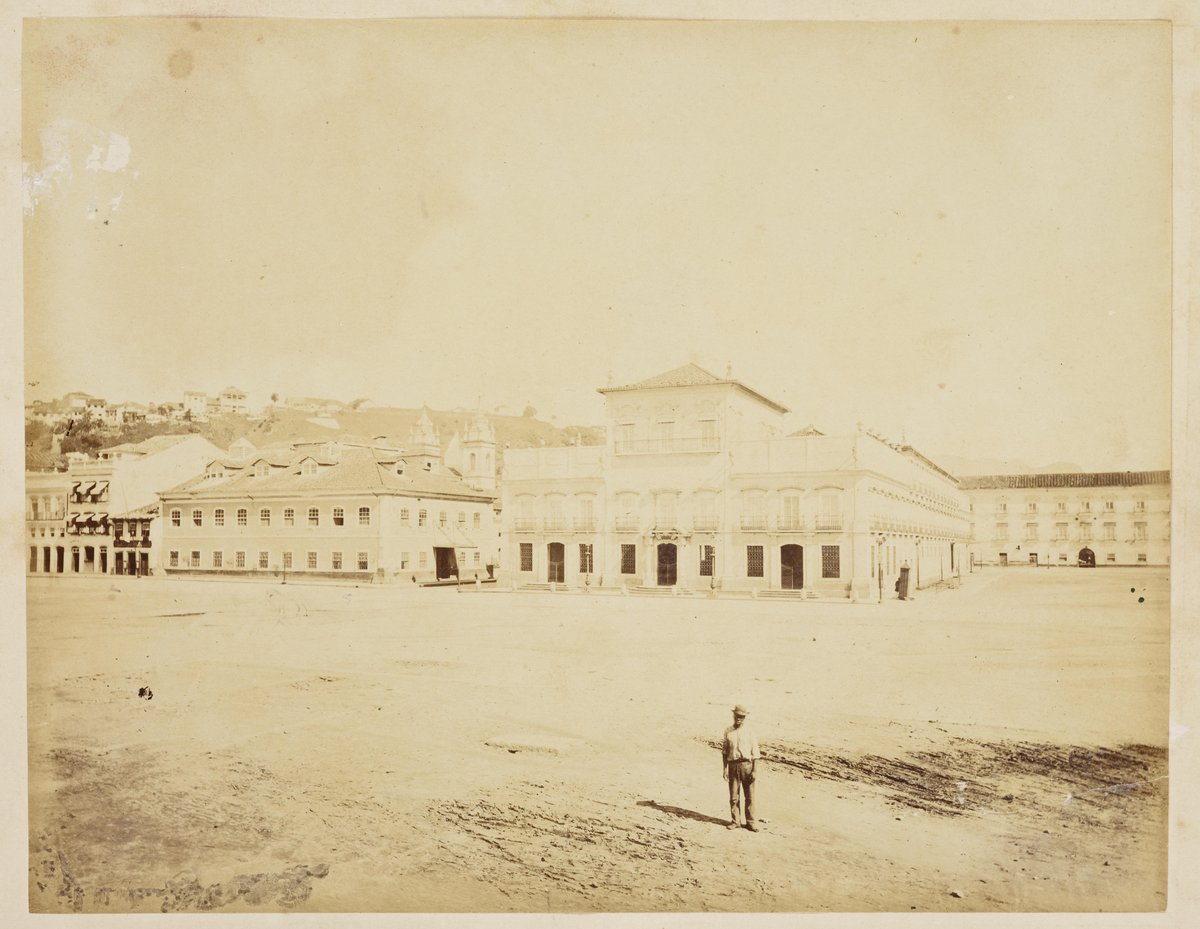
The origins of the Paço Imperial trace back to the early 18th century, reflecting Rio’s ascent as a pivotal colonial hub. Commissioned by Governor Gomes Freire de Andrade and designed by José Fernandes Pinto Alpoim, the palace drew inspiration from Lisbon’s Paço da Ribeira (Diário do Porto; Itaú Cultural). Its completion in 1743 gave the city a landmark government residence that would become central to Brazil’s administrative life.
Transition to Vice-Regal and Royal Residence
When Rio de Janeiro became the colonial capital in 1763, the building was elevated to the Paço dos Vice-Reis (Rio Memórias). The most significant transformation occurred in 1808 with the arrival of the Portuguese royal family, fleeing the Napoleonic invasions. The palace was repurposed into the Paço Real (Royal Palace), becoming the seat of Prince Regent Dom João VI and the center of the Portuguese Empire in the Americas (Diário do Rio).
Imperial Era and National Milestones
With Brazil’s independence in 1822, the palace became the Paço Imperial, serving as the administrative hub for Emperors Dom Pedro I and Dom Pedro II (Diário do Porto). The building witnessed defining events in Brazilian history:
- Dia do Fico (1822) Dom Pedro I’s public declaration to remain in Brazil, a critical moment leading up to independence (Rio Memórias).
- Imperial Coronations Hosted the coronations of both Dom Pedro I and Dom Pedro II.
- Lei Áurea (1888) Princess Isabel signed the law abolishing slavery in the palace, marking a monumental societal change (Diário do Rio).
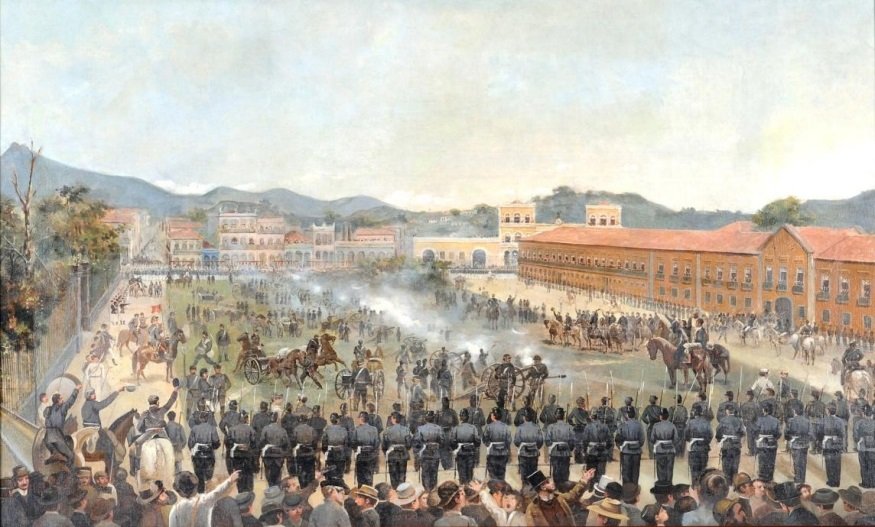
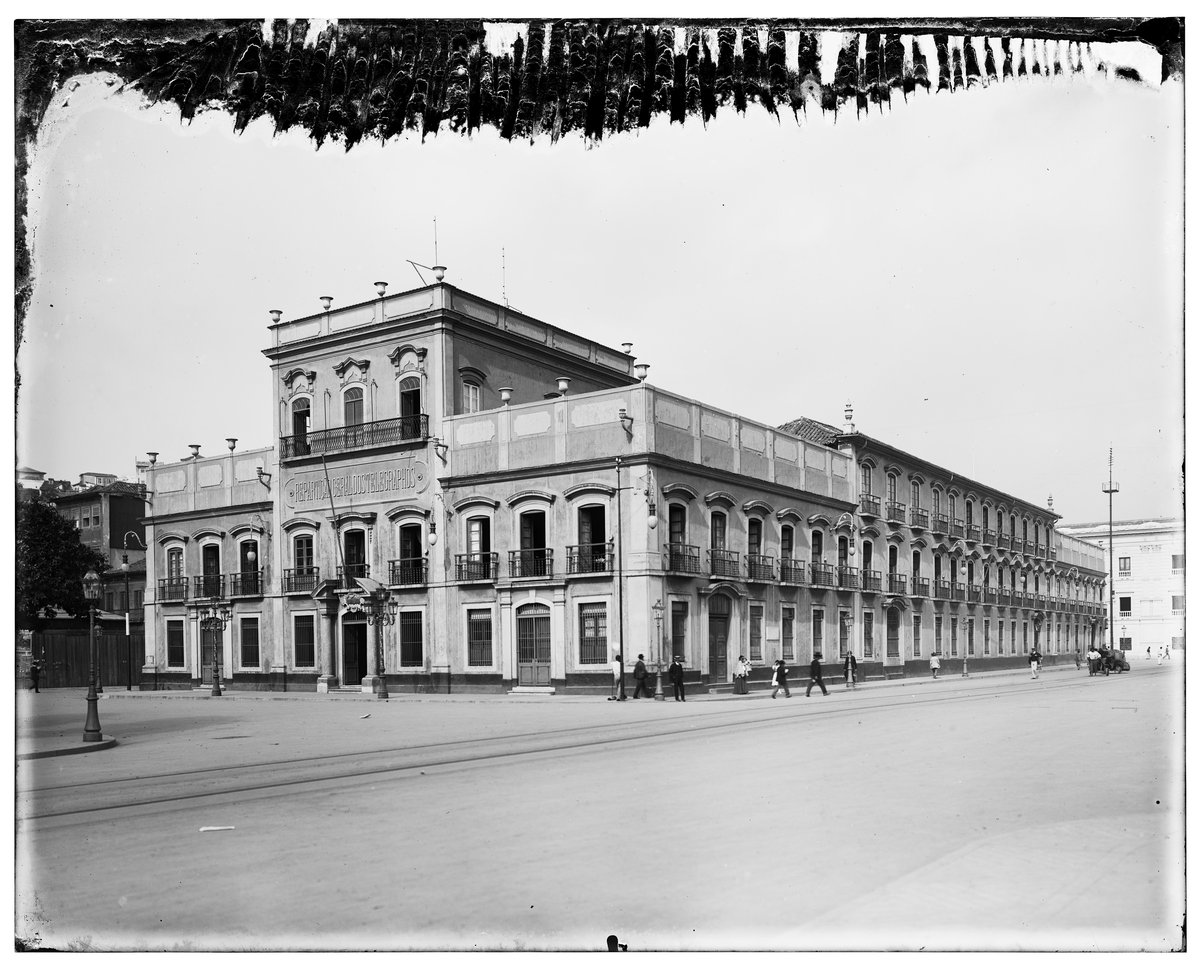
Following the proclamation of the Republic in 1889, the palace transitioned to civic roles, notably serving as the Central Post and Telegraph Office (Itaú Cultural).
Architecture and Restoration
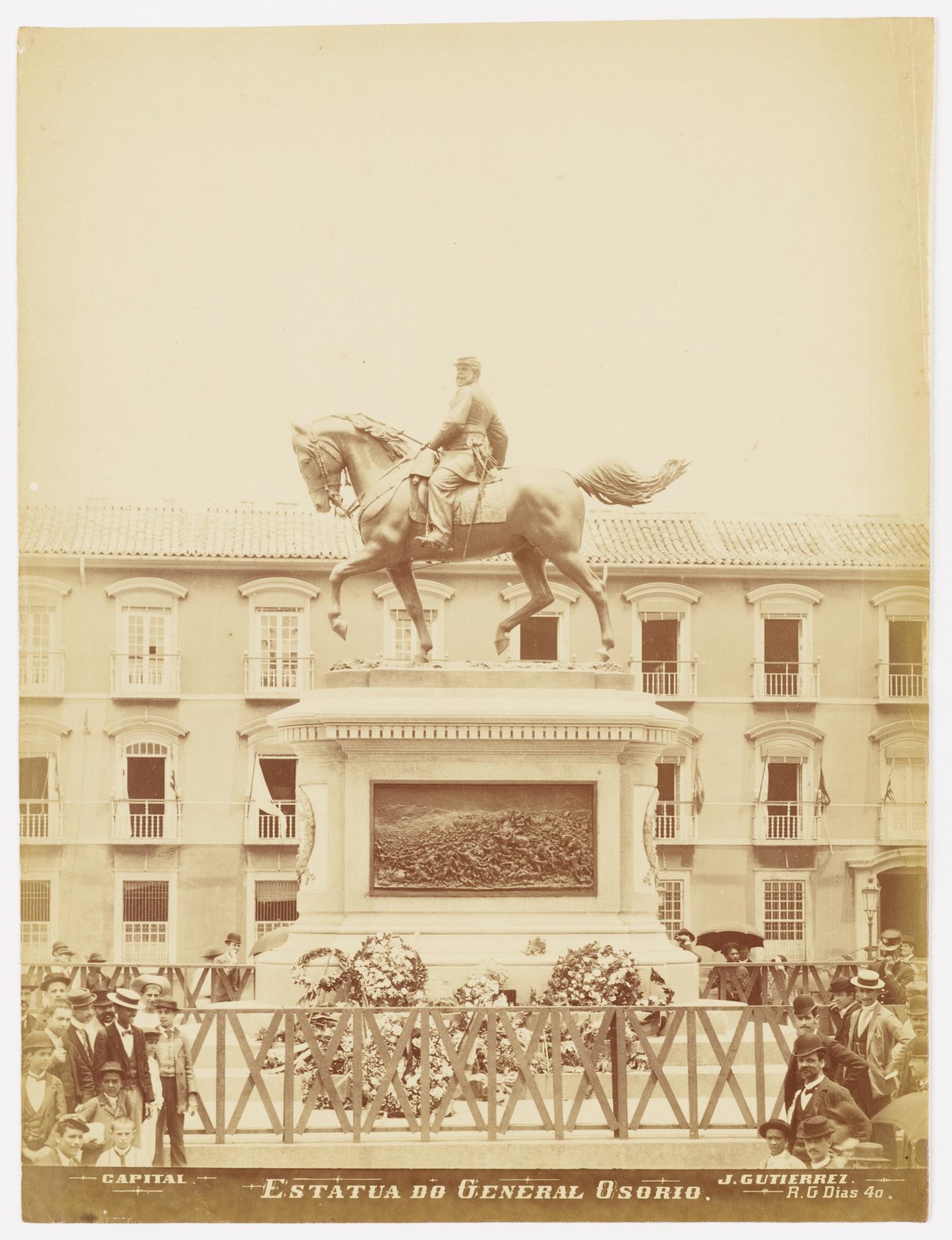
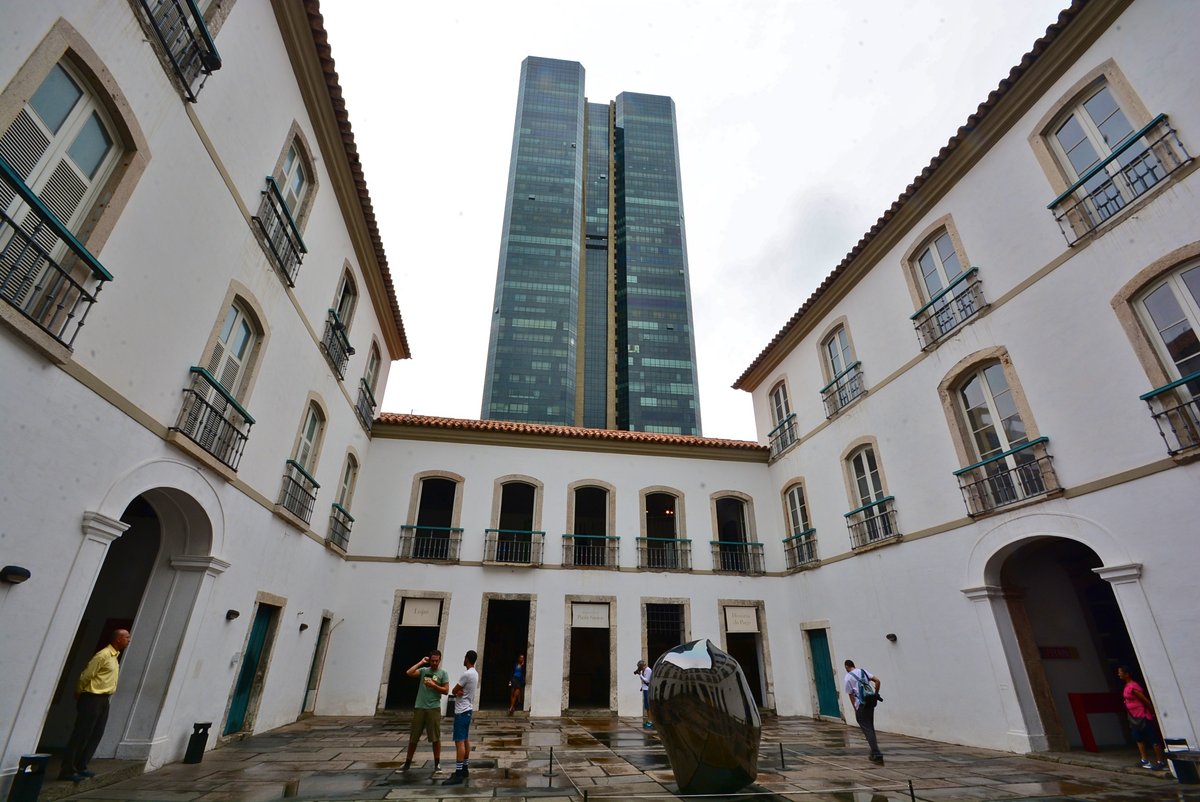
The Paço Imperial is an outstanding example of 18th-century colonial and neoclassical architecture. Its four symmetrical façades, central courtyard, and covered walkways (passadiços) reflect both the European influence and the adaptation to Brazilian urban life (Itaú Cultural).
Royal-era modifications introduced ceremonial spaces, a balcony for public addresses, and neoclassical embellishments. Declared a national heritage site in 1938, the building underwent a meticulous restoration in the 1980s, led by architect Glauco Campello, to recover its early 19th-century grandeur and reinforce its cultural significance (Rio Memórias).
Visiting Information
Hours, Tickets, and Accessibility
- Opening Hours Tuesday to Sunday, 12:00 PM – 6:00 PM. Closed Mondays and certain public holidays (Imaginario de Janeiro; Riotur).
- Admission Free. Some special exhibitions or events may require tickets—check the official website for updates.
- Accessibility The ground floor is wheelchair accessible with ramps and elevators. Some upper-floor areas may have limited access due to the historic structure. Assistance is available upon request.
Getting There and Travel Tips
- Location Praça XV de Novembro, 48, Centro, Rio de Janeiro (WhichMuseum).
- By Metro Carioca Station (Lines 1 and 2) is a 10-minute walk.
- By Bus Multiple lines serve Praça XV.
- By Taxi/Rideshare Easily accessible throughout Rio.
- Travel Tips
- Visit during weekdays or early afternoons for fewer crowds.
- Bring a translation app, as most signage is in Portuguese.
- Keep valuables secure and remain attentive in the downtown area (Reddit).
- Photography is permitted in most areas (flash/tripods may be restricted).
Exhibitions, Events, and Amenities
Exhibitions and Cultural Programming
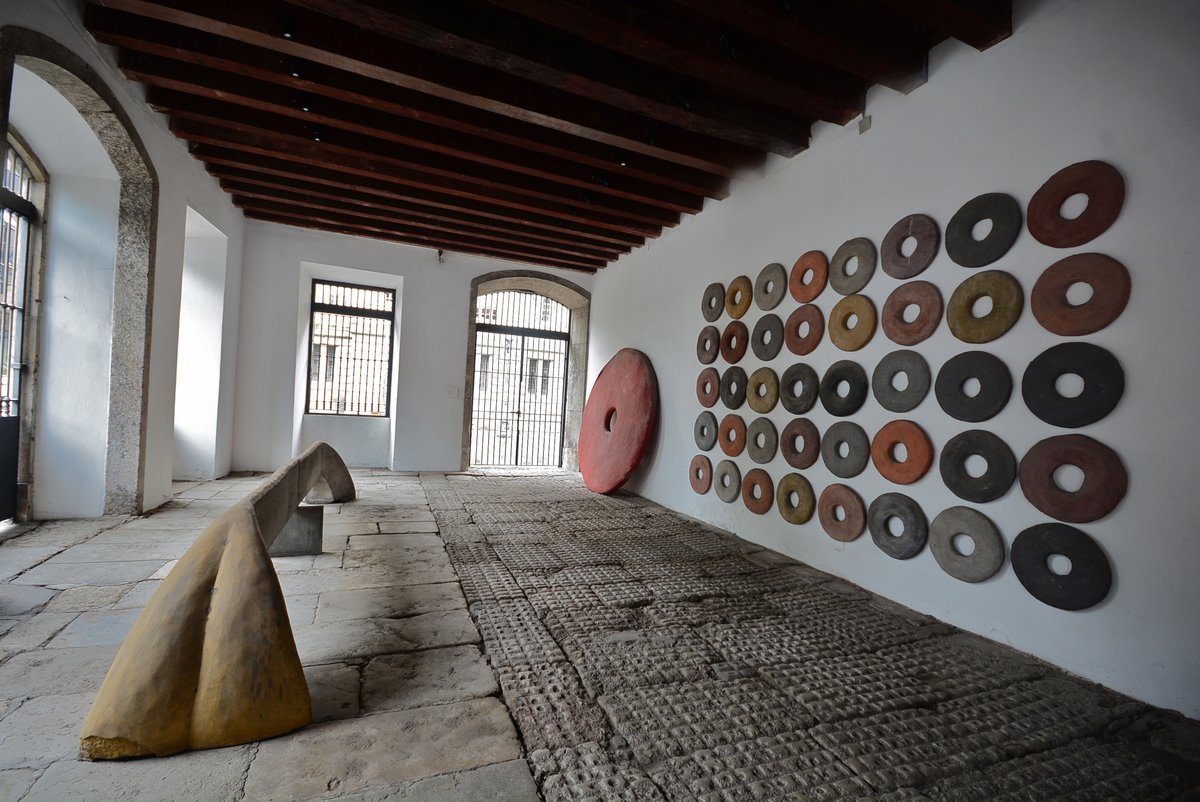
Paço Imperial is renowned for its temporary art exhibitions spanning painting, photography, sculpture, cinema, and music (WhichMuseum). While it does not maintain a permanent collection, the rotating exhibitions by prominent Brazilian and international artists receive consistent praise (Itaú Cultural).
Special Events and Guided Tours
The palace hosts concerts, lectures, workshops, and international cultural exchanges, such as the “Iluminações Poéticas: Arte do Reino Saudita” exhibition (Diário do Rio). Guided tours are available in Portuguese, with some English-language tours by arrangement (S2Rio; Free Walker Tours). Advance booking is recommended for non-Portuguese speakers.
Amenities
- Dining Bistrô do Paço offers light meals and drinks (Wanderlog), while the Harlequin Café combines a coffee shop with a book and music store (Imaginario de Janeiro).
- Shops Bookstore and music shop with Brazilian art, history books, and local music (WhichMuseum).
- Library Paulo Santos Library specializes in art and architecture, with rare books from the 16th–18th centuries (Wikipedia).
- Restrooms, Seating, and Wi-Fi Available on-site; Wi-Fi is limited.
Nearby Attractions
The central location of Paço Imperial makes it an excellent starting point for exploring nearby Rio de Janeiro historical sites:
- Convento do Carmo Adjacent, with rich colonial history.
- Museu Histórico Nacional Extensive exhibitions on Brazilian history.
- Royal Portuguese Reading Room Renowned for its stunning architecture and collection.
- Museum of Tomorrow A modern science museum at Pier Mauá.
- Praça XV and Arco de Teles Vibrant square and historic archway (WhichMuseum).
Frequently Asked Questions (FAQ)
Q: What are the Paço Imperial visiting hours?
A: Tuesday to Sunday, 12:00 PM to 6:00 PM. Closed Mondays and public holidays.
Q: Is there an admission fee?
A: No—admission is free. Some special exhibitions may require tickets.
Q: Are guided tours available?
A: Yes, primarily in Portuguese; English tours available by arrangement.
Q: Is the building accessible for people with disabilities?
A: The main entrance and ground floor are accessible; some upper areas may be limited.
Q: Can I take photos inside?
A: Photography is allowed in most areas, but flash and tripods may be restricted.
Q: What else can I visit nearby?
A: Convento do Carmo, Museu Histórico Nacional, Royal Portuguese Reading Room, Museum of Tomorrow, Praça XV, and Arco de Teles.
Discover More
Plan your visit to the Paço Imperial and immerse yourself in Brazil’s history and culture. Download the Audiala app for guided tours, exhibition updates, and travel tips. Follow us on social media for daily inspiration about Rio de Janeiro’s historical sites.