Plan and listen to Fort Of Saint Antony Além‐Do‐Carmo with Audiala.
Audio guide in your pocket, itinerary in your browser. Built for the way you actually visit.
Introduction
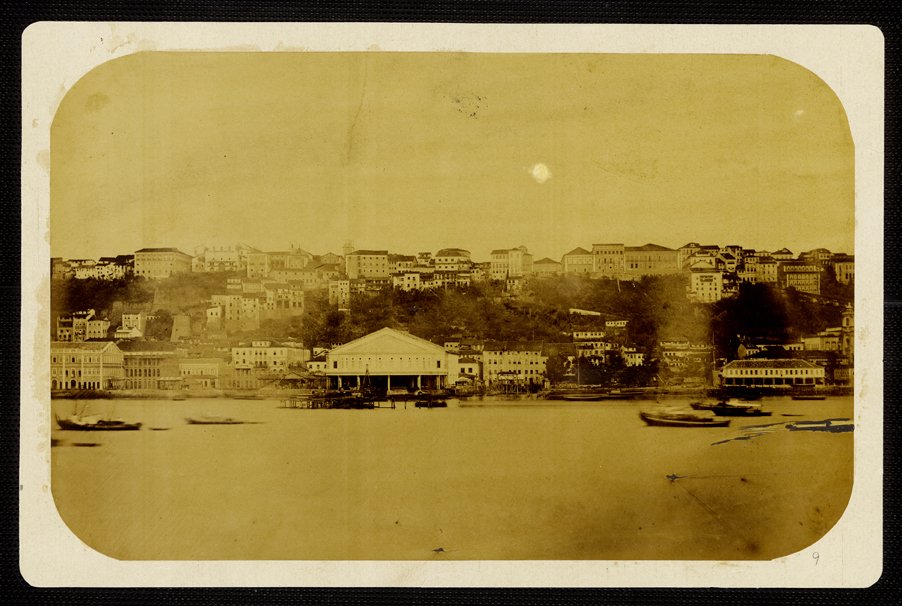
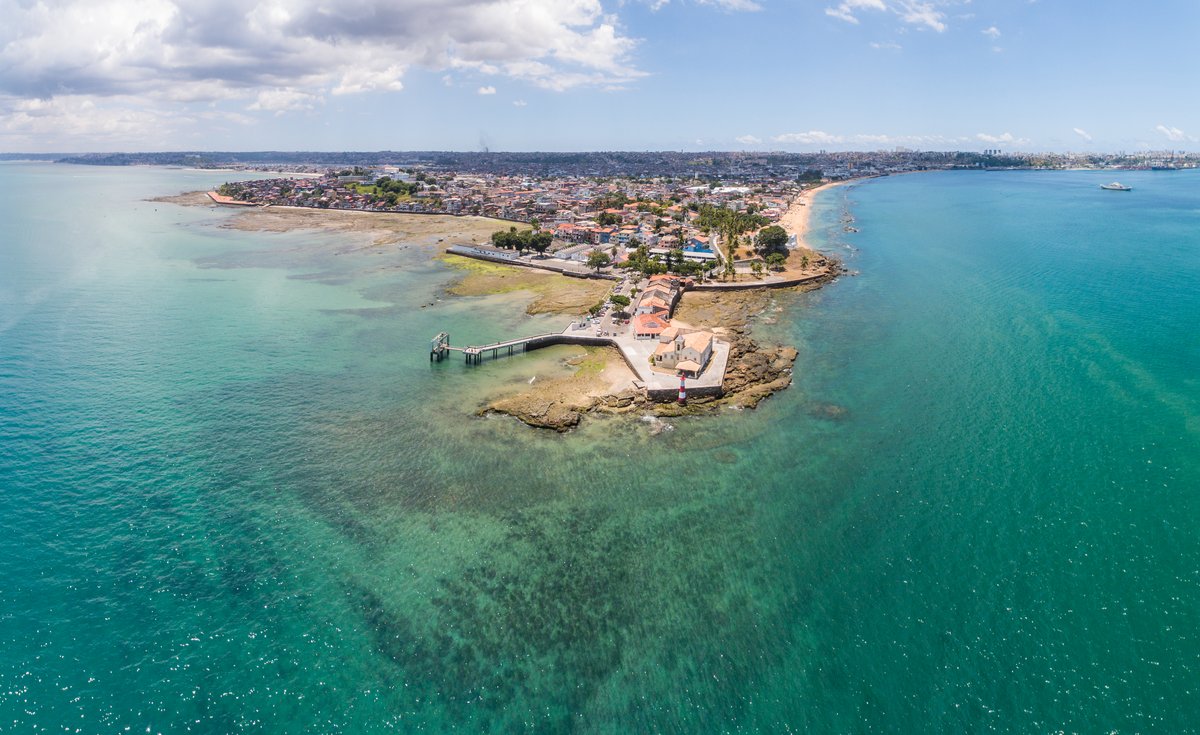
The Fort of Saint Antony Além‐Do‐Carmo (Forte de Santo Antônio Além do Carmo) is a remarkable landmark that encapsulates the layered history of Salvador, Bahia. Set atop the vibrant Santo Antônio Além do Carmo neighborhood, the fort offers visitors an immersive journey through Brazil’s colonial defense strategies, Afro-Brazilian heritage, and ongoing cultural traditions. This comprehensive guide details the fort’s historical significance, visitor information, accessibility, and the unique atmosphere of the surrounding neighborhood, ensuring a rewarding experience for all who visit.
For further historical context, visit sanctuaria.art, bahia.ws, and Wikipedia.

1. The Fort of Saint Antony Além‐Do‐Carmo: History and Heritage
Origins and Strategic Importance
The fort traces its roots to a chapel built in 1594 by Cristóvão de Aguiar Daltro, just outside Salvador’s original city walls (sanctuaria.art). Its transformation into a fortified bastion was prompted by Dutch invasions in the 17th century, notably in 1624 and 1638. The site soon became an integral component of Salvador’s defensive network, safeguarding the northern approaches to the city and the Bay of All Saints (bahia.ws; Colonial Voyage).
Architectural Evolution
Under the direction of Diogo Luís de Oliveira, Count of Miranda, the fort evolved from makeshift defenses to robust stone and mortar structures. Its design reflects Portuguese colonial military architecture, featuring thick walls, bastions, and strategic vantage points. The fort’s complex also includes a church that has transitioned through various architectural styles, from Franciscan to neoclassical (Wikipedia).
Civic and Religious Significance
Beyond its military function, the fort was the nucleus of a thriving parish from 1648 onward. It hosted significant sermons, including Padre Antônio Vieira’s 1638 "À beira das trincheiras," which commemorated the defenders’ resilience (sanctuaria.art). Over time, it also served as a prison and later as a cultural venue, cementing its role in the community’s evolving identity.
Afro-Brazilian and Social Memory
The fort and its neighborhood have deep ties to Afro-Brazilian history. The area was home to descendants of Africans, some of whom participated in pivotal events like the 1835 Malê Revolt. The fort’s use as a prison during this period connects it to broader narratives of resistance and resilience (Lugares de Memória). The nearby unfinished Capela dos Quinze Mistérios further underscores the Afro-Brazilian cultural presence.
Preservation and Modern Role
Today, the fort is protected by IPHAN and forms part of Salvador’s UNESCO World Heritage-listed Historic Centre (Google Arts & Culture). Restoration and preservation efforts have ensured its continued role as a site of education, reflection, and cultural celebration.
2. Visitor Information: Hours, Tickets, and Accessibility
Visiting Hours
- Fort of Saint Antony Além‐Do‐Carmo: Open Tuesday to Sunday, 9:00 AM to 5:00 PM. Closed on Mondays and certain public holidays.
- Church of Santo Antônio Além do Carmo: Open daily, 8:00 AM to 6:00 PM.
- Casa Boqueirão (Cultural Center): Tuesday to Sunday, 10:00 AM to 6:00 PM.
It is always best to verify current hours on the official tourism portal.
Tickets and Admission
- Fort Admission: Free for all visitors; no tickets required.
- Guided Tours: Available through local operators or cultural organizations, sometimes for a fee.
- Special Events: Check ahead for cultural festivals or exhibitions, which are periodically hosted at the fort.
Accessibility
The fort’s historic architecture includes stairs and uneven surfaces. Some efforts have been made to accommodate visitors with mobility challenges, but certain areas may remain difficult to access. Contact the site in advance for specific needs.
3. Exploring the Fort and Neighborhood
What to Expect During Your Visit
- Architectural Features: Explore original bastions, thick stone walls, and the historic chapel. The fort’s elevated position offers sweeping panoramic views of the Bay of All Saints and Salvador’s colorful cityscape (Wikimedia Commons).
- Atmosphere: The fort is less crowded than major tourist spots, providing a tranquil space for reflection. The adjacent Largo de Santo Antônio Além do Carmo square is lively with street vendors, musicians, and local residents.
- Photographic Spots: The battlements, church façade, and surrounding colonial streets are excellent for photography, particularly at sunset.
Guided Tours and Cultural Programming
- Guided Tours: Gain deeper insights into the fort’s history, architecture, and social impact with a guided tour.
- Events: The fort and church host religious festivals, concerts, and cultural exhibitions that celebrate Salvador’s diverse heritage (Arquidiocese de Salvador).
Neighborhood Highlights
- Santo Antônio Além do Carmo: Renowned for its colonial houses, cobblestone streets, artisan shops, and vibrant cultural life (brazilcityguides.com).
- Pelourinho: The UNESCO-listed historic center, within walking distance, is home to museums, baroque churches, and cafes.
- Casa de Angola: A nearby cultural center celebrating Afro-Brazilian heritage.
Dining and Nightlife
Santo Antônio Além do Carmo offers a range of dining options:
- Padoca do Carmo: For breakfast and light meals.
- Poró Restaurante & Bar: Lunch, dinner, and drinks.
- Bar Ulisses & Bar do Pascoal: Known for local petiscos and sunset views.
- Oliveiras: Features live music on select nights (Salvador da Bahia Experiences).
4. Practical Tips for Visitors
- Safety: The area is safe by day and early evening; standard urban precautions apply. Avoid walking alone late at night.
- Getting There: Short walk from Pelourinho; also accessible by taxi or ride-share apps.
- Clothing: Wear comfortable shoes for cobblestone streets; bring a rain jacket during the wet season (March–August) (Weather2Travel).
- Accessibility: Some areas may be inaccessible for wheelchair users due to historic street layouts.
- Photography: Early mornings and late afternoons offer the best lighting.
5. Frequently Asked Questions (FAQs)
Q: What are the visiting hours for the Fort of Saint Antony Além‐Do‐Carmo?
A: Tuesday to Sunday, 9:00 AM to 5:00 PM; closed Mondays.
Q: Is there an admission fee to enter the fort?
A: No, entry is free, but guided tours may charge a fee.
Q: Is the fort accessible for visitors with disabilities?
A: Some accessibility features exist, but historic architecture limits full access.
Q: Are guided tours or events available?
A: Yes, both are offered. Check with local tourist offices for the latest schedules.
Q: What attractions are nearby?
A: Pelourinho, Casa de Angola, and various museums, galleries, and cafes.
Listen to the full story in the app
The whole Fort Of Saint Antony Além‐Do‐Carmo,
told well.
Listen to sourced travel stories with local history and practical context — ready offline.
Verified, and shown.
Researched and written by the Audiala editorial team from historical records, architectural archives, and local expertise.
Built from cited sources · see the method · How we make our guides →