Plan and listen to Saint Anne with Audiala.
Audio guide in your pocket, itinerary in your browser. Built for the way you actually visit.
Introduction
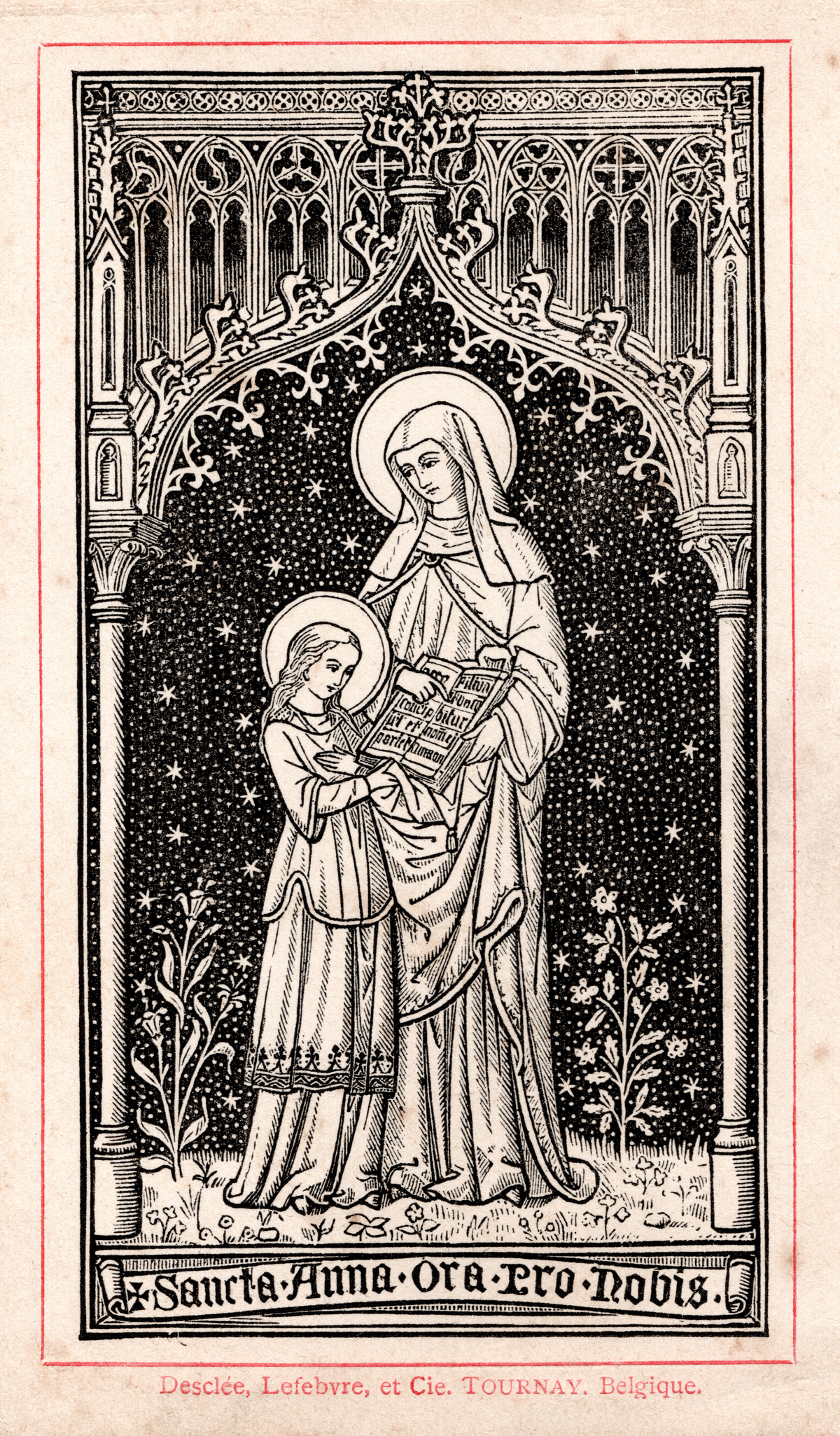
Igreja de Sant’Ana (Saint Anne Church), located in the historic core of Rio de Janeiro, is a living testament to the city’s colonial past, religious heritage, and cultural diversity. Dedicated to Saint Anne—the mother of the Virgin Mary and grandmother of Jesus—this church stands as one of Rio’s oldest religious sites, dating back to 1735. Its architectural evolution, spiritual significance, and cultural impact have made it a focal point for pilgrims, historians, and tourists alike (Diário do Rio; Rio Cidade Maravilhosa). This guide provides a thorough overview of its origins, architectural features, devotional practices, visitor information, and cultural context, ensuring you enjoy a meaningful and well-informed visit.
Historical Foundations and Colonial Context
The devotion to Saint Anne in Rio de Janeiro is deeply rooted in the city’s colonial origins. The first church dedicated to Saint Anne emerged from a modest hermitage in 1735, near what became Campo de Santana. This area, then peripheral to the colonial city, quickly developed into a hub for religious and civic gatherings, shaping the early urban landscape. Portuguese settlers introduced the devotion to Saint Anne, reflecting the centrality of Catholicism in colonial Brazil (Diário do Rio; Canção Nova).
The church’s establishment paralleled Rio de Janeiro’s growth as a major port and later as the colonial capital, with Campo de Santana serving as a central public space for markets, festivals, and pivotal social events.
Architectural Development and Urban Transformation
Originally a simple structure, Igreja de Sant’Ana expanded in scope and grandeur as the city grew. In 1814, Dom João VI officially established the parish, and a larger church was built to accommodate the flourishing congregation. The site underwent significant reconstruction over the decades, culminating in the 1939 redesign by architect Ângelo Murgel. The current church features a neoclassical façade inspired by Roman basilicas, a spacious nave with Corinthian columns, and a prominent altar beneath a circular apse. This architectural journey mirrors Rio’s historical transitions and artistic aspirations (Diário do Rio; Simply Kalaa).
Religious Importance and Devotional Life
Sant’Ana is venerated as Rio’s co-patroness, with her devotion predating the formal canonization of her cult. In 1926, the church became Brazil’s first sanctuary of perpetual adoration, with continuous worship of the Blessed Sacrament—a tradition that attracts pilgrims from across the country. Notably, the church houses one of the world’s largest monstrances and holds a significant collection of sacred relics (Canção Nova).
The annual Feast of Saint Anne, celebrated on July 26th, is a highlight of the liturgical calendar, featuring novenas, processions, music, and communal meals that draw large crowds and foster community spirit (Riotur).
Cultural and Social Role
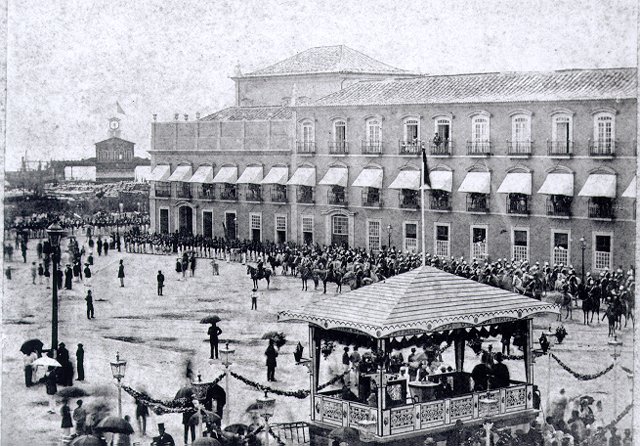
Beyond its religious functions, Igreja de Sant’Ana has been a pivotal cultural and civic institution. Campo de Santana, adjacent to the church, has hosted major historical events, from abolitionist rallies to public celebrations. Its proximity to landmarks like the Terreirão do Samba and the Passarela do Samba situates the church at the heart of Rio’s vibrant festival culture. Even as traditional religious observance has evolved, the church endures as a touchstone of Rio’s historical memory and community life (Diário do Rio).
Syncretism and Afro-Brazilian Traditions
A unique aspect of Saint Anne’s veneration in Rio is its intersection with Afro-Brazilian religious traditions. The church’s location fostered a blending of Catholic and African-derived practices, with Saint Anne often identified with the orixá Nanã Buruquê in Candomblé and Umbanda. This syncretism is visible in rituals, iconography, and community celebrations, reflecting Rio’s multicultural heritage (Diário do Rio; Veronika’s Adventure).
Visitor Information: Hours, Tickets & Accessibility
- Opening Hours: Igreja de Sant’Ana is open daily, typically from 6:00 AM to 6:00 PM (Rio Cidade Maravilhosa).
- Admission: Free of charge; no tickets required.
- Accessibility: Wheelchair-accessible ramps and assistance are available. Contact the parish for specific needs.
- Guided Tours: Occasionally offered by local organizations and can be arranged in advance.
- Best Time to Visit: Weekday mornings for a peaceful experience; July 26th for feast celebrations.
Nearby Attractions and Itinerary Suggestions
Located in Rio’s downtown, Igreja de Sant’Ana is near several key attractions:
- Central do Brasil Railway Station
- Passarela do Samba (Samba Parade Avenue)
- Terreirão do Samba
- Campo de Santana Park
- Convent and Church of Santo Antônio (riotur.rio)
- São Bento Monastery (gpsmycity.com)
- Candelária Church
- Municipal Theater (rioculturalsecrets.com)
Suggested itinerary: Begin with a visit to Igreja de Sant’Ana, explore Campo de Santana, and continue to other historic churches and downtown museums.
Architectural and Artistic Heritage
Colonial and Baroque Influences
Igreja de Sant’Ana’s architecture reflects colonial Baroque origins, with ornate façades, twin bell towers, and richly detailed stonework. The interior features gilded altarpieces, polychrome wood carvings, and illusionist ceiling paintings, exemplifying 18th-century Brazilian craftsmanship (Simply Kalaa).
Neoclassical Redesign
The 1939 redesign introduced neoclassical elements, including Corinthian columns and a basilica-inspired layout, harmonizing European and local artistry.
Artistic Highlights
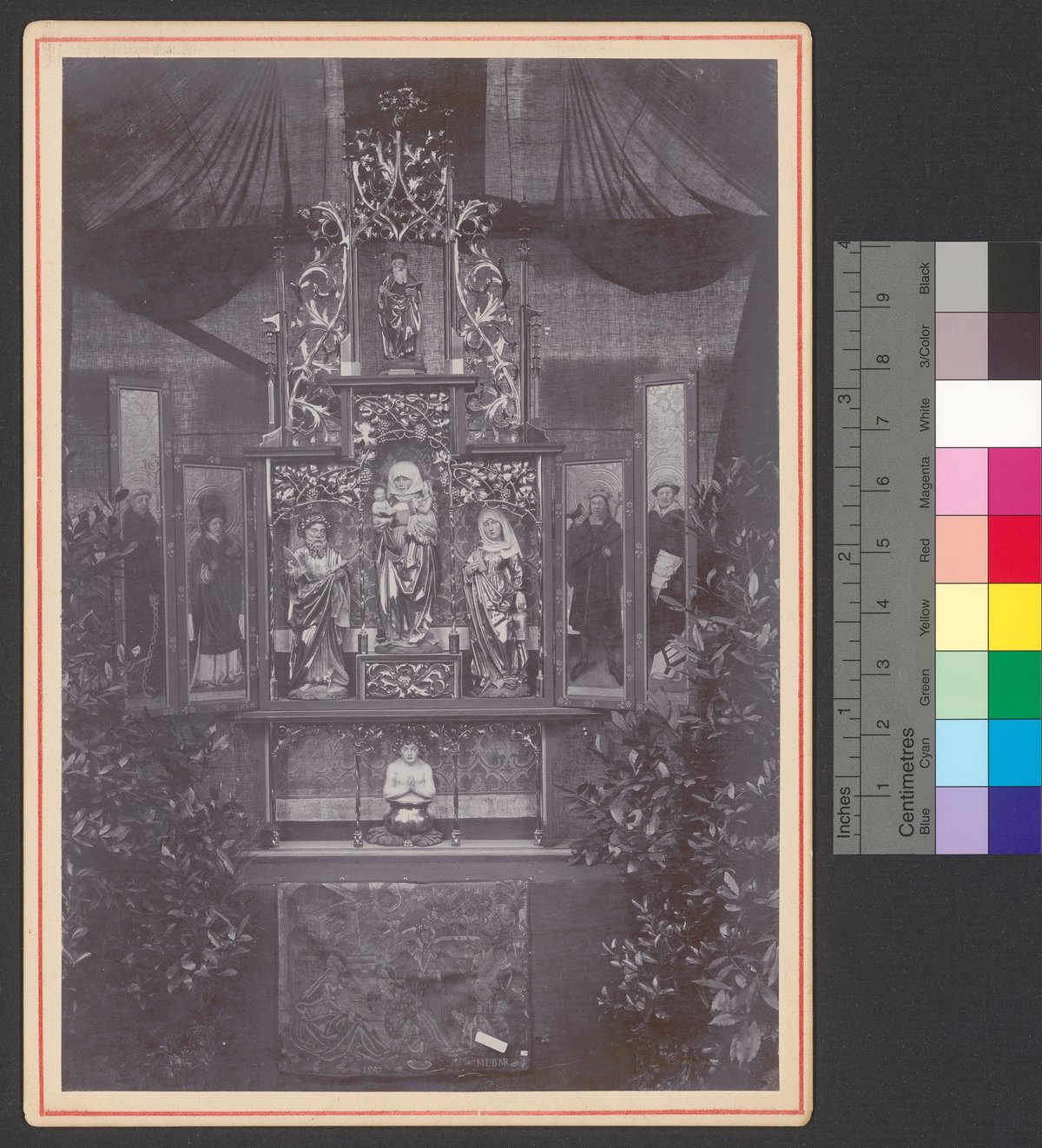
- Altarpieces and Sacred Art: Gilded altars, statues of Saint Anne and the Virgin Mary, and murals depicting biblical scenes.
- Woodcarving and Gilding: Choir stalls, chancel screens, and processional statues crafted from Brazilian hardwoods.
- Stained Glass and Mosaics: Windows illustrating Saint Anne’s life and religious motifs (Sanctuaire Sainte-Anne-de-Beaupré).
Works by renowned artists such as Mestre Valentim and Aleijadinho are featured, contributing to the church’s status as a cultural landmark (travelstudio.com.br).
Practical Tips and Visitor Etiquette
- Dress Code: Modest attire required—cover shoulders and knees; remove hats inside.
- Photography: Permitted without flash; be discreet during services.
- Language: Portuguese is predominant; some guides may speak English or Spanish.
- Weather: Visit during the dry season (April-May, October-November) for the best experience (touropia.com).
- Donations: Appreciated to support preservation efforts.
Guided Tours and Events
Guided tours, available through local agencies or parish volunteers, provide deeper insight into the church’s history, art, and role in Rio’s faith community (gpsmycity.com). Special events, especially during the Feast of Saint Anne, offer a vibrant cultural experience with processions, traditional music, and food.
Safety and Accessibility
Downtown Rio is generally safe during the day, especially in tourist areas. Remain vigilant, avoid displaying valuables, and consider group visits or guided tours for added security (voyagedmagazine.com). Accessibility improvements include ramps and handrails, but some areas may remain challenging due to the church’s historic structure.
Frequently Asked Questions (FAQ)
Q: What are the visiting hours of Igreja de Sant’Ana?
A: Open daily, typically from 6:00 AM to 6:00 PM.
Q: Is there an entrance fee?
A: No; admission is free, but donations are welcome.
Q: Are guided tours available?
A: Yes, through local operators or parish volunteers.
Q: Is the church accessible for people with disabilities?
A: Ramps and assistance are available; contact the parish for details.
Q: When is the best time to visit?
A: Weekday mornings for tranquility; July 26th for the feast day festivities.
Listen to the full story in the app
The whole Saint Anne,
told well.
Audio guides for 1,100+ cities across 96 countries. History, stories, and local insight — offline ready.

Verified, and shown.
Researched and written by the Audiala editorial team from historical records, architectural archives, and local expertise.
Researched from Wikidata, Wikipedia & official sources · fact-checked · How we make our guides →