Plan and listen to Ruins Park Museum with Audiala.
Audio guide in your pocket, itinerary in your browser. Built for the way you actually visit.
Introduction
Located in the heart of Rio de Janeiro’s iconic Santa Teresa neighborhood, Parque das Ruínas (Ruins Park Museum) offers a unique convergence of history, art, and panoramic city views. This cultural landmark, set within the evocative remains of a 1920s mansion once owned by arts patron Laurinda Santos Lobo, now serves as a vibrant public space where Rio’s Belle Époque heritage meets contemporary creativity. Through thoughtful restoration and dynamic cultural programming, Parque das Ruínas has become a must-visit site for both locals and visitors, offering free entry, accessible facilities, and a calendar full of exhibitions, performances, and community events (Why Not Brasil, G1 Globo, RioTur).
Historical Background
Parque das Ruínas is steeped in the cultural and artistic history of Rio de Janeiro. The site’s neocolonial mansion was constructed in the 1920s and quickly became a hub for Rio’s intellectual and artistic elite during the Belle Époque. Laurinda Santos Lobo, the original owner, hosted gatherings that featured artists, musicians, and writers, including the legendary composer Heitor Villa-Lobos (Why Not Brasil).
After Laurinda's death in 1946, the mansion fell into disrepair, its grandeur slowly overtaken by nature and time. By the late 20th century, only its brick skeleton and structural fragments remained—a haunting reminder of its former vibrancy. Recognizing its historical significance, local authorities and preservationists initiated a restoration project in the 1990s, aiming to revive the ruins as a living cultural center.
Restoration and Architectural Highlights
Approach to Restoration
The restoration of Parque das Ruínas, completed in 1996, was guided by a philosophy of blending preservation with modern design. The original brickwork and neocolonial features were retained and stabilized, while innovative steel and glass elements were introduced. These additions are clearly distinguishable yet harmonious, providing a transparent dialogue between the mansion’s past and its new role as a public space (G1 Globo).
Architectural Features
- Preserved Ruins: The mansion’s walls and terraces, supported and reinforced, offer a tangible connection to the site’s history.
- Modern Walkways and Viewpoints: Metal walkways and glass railings provide safe access and create stunning vantage points without obscuring the original structure.
- Panoramic Rooftop Terrace: The mirante (viewpoint) atop the ruins offers 360-degree views of Guanabara Bay, Sugarloaf Mountain, the city center, and the Arcos da Lapa (Why Not Brasil).
The architectural intervention is frequently referenced as a model for adaptive reuse, balancing historical preservation with new public uses.
Cultural Significance and Community Engagement
A Living Cultural Center
Since reopening as a public space, Parque das Ruínas has become an integral part of Rio’s cultural scene. The complex features:
- Galleries: Spaces for rotating exhibitions of contemporary art.
- Auditorium: A 100-seat venue for lectures, performances, and screenings.
- Stage: An 88-square-meter platform for concerts, theater, and dance.
- Café-Terrace: Offering refreshments with a scenic overlook.
The park’s open-air amphitheater, panoramic terraces, and gardens frequently host concerts, festivals, workshops, and community events. Programming spans visual arts, music, literature, dance, and multimedia, often with free or low-cost admission (RioTur).
Community Partnerships and Inclusion
Parque das Ruínas collaborates with local schools, artists, and social organizations to foster cultural participation and social inclusion. Educational workshops, art classes for youth, and collaborative events with neighborhood associations are regular features, ensuring the site remains relevant and accessible to all segments of the community.
The museum also actively amplifies underrepresented voices, hosting exhibitions and performances by Afro-Brazilian, Indigenous, and LGBTQ+ artists, thus reflecting Rio’s diversity and fostering social dialogue.
Visiting Information
Location
- Address: Rua Murtinho Nobre, 169, Santa Teresa, Rio de Janeiro (imaginariodejaneiro.com)
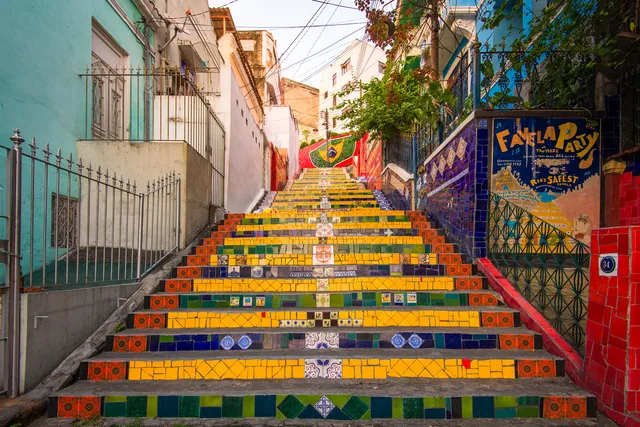
- Nearby Attractions: Chácara do Céu Museum, Selarón Steps, Arcos da Lapa, Largo do Guimarães.
Hours and Tickets
- General Opening Hours: Tuesday to Sunday, 10:00 AM to 6:00 PM. Closed Mondays and public holidays. Hours may extend during special events (G1 Globo).
- Admission: Free general entry. Some special exhibitions or performances may require tickets, which can be purchased onsite or via the official RioTur platform.
Accessibility
- Wheelchair Access: Ramps and accessible restrooms are available, though some upper terraces require stairs.
- Public Transport: Reachable by bus from downtown or the historic Santa Teresa tram (bondinho). The nearest metro station is Glória (Lines 1 & 2), followed by a short walk or taxi ride.
Facilities, Amenities, and Travel Tips
- Café: Offers breakfast, light meals, and drinks with a view.
- Restrooms: Available onsite, though may be busy at peak times.
- Wi-Fi: May be available at the café; connectivity can vary.
- Photography: Encouraged throughout the park—especially from the panoramic terrace.
- Language: Portuguese is the primary language; some staff and signage offer basic English/Spanish support.
Best Time to Visit: Weekday mornings or late afternoons for fewer crowds and optimal lighting. Sunsets from the terrace are particularly popular.
Planning: Allow 1–2 hours to explore the park, exhibitions, café, and vistas.
Combine Attractions: Visit the adjacent Chácara do Céu Museum or explore Santa Teresa’s art studios and local cafés.
Events and Programming
Parque das Ruínas boasts a vibrant calendar of events, including:
- Rotating art and photography exhibitions.
- Live music, dance, and theater performances.
- Annual festivals, such as Arte de Portas Abertas and Carnival celebrations.
- Educational activities and workshops for all ages.
Event schedules are regularly updated on the official Facebook page.
Safety and Practical Advice
General Safety
Santa Teresa is considered safe during the day, but visitors should remain vigilant, especially in quieter areas or after dark. Use registered taxis or ride-share services for travel after evening events.
- Keep valuables secure and avoid displaying expensive items.
- Stay alert and follow local guidance.
- Wear comfortable, sturdy shoes for navigating uneven surfaces.
- Supervise children, especially near open terraces and stairways.
Health and Emergencies
- Nearest hospital: Hospital Municipal Souza Aguiar (10–15 minutes away by car).
- Emergency numbers: Police (190), Ambulance (192), Fire (193).
- Museum staff can assist with emergencies.
Weather
Rio’s climate is tropical—light clothing, sunscreen, and hydration are essential. Bring an umbrella or raincoat during summer (December–March).
Frequently Asked Questions (FAQ)
Q: What are the Parque das Ruínas visiting hours?
A: Tuesday to Sunday, 10:00 AM to 6:00 PM; closed Mondays.
Q: Is there an entrance fee?
A: General admission is free. Some special events or exhibitions may require paid tickets.
Q: How can I get there by public transport?
A: Take the Santa Teresa tram or bus from downtown. The nearest metro is Glória.
Q: Is the park accessible for visitors with mobility challenges?
A: Most areas are accessible via ramps; some terraces require stairs.
Q: Can I take photos?
A: Yes—photography is encouraged, especially from the panoramic terrace.
Q: Are guided tours available?
A: Occasionally, especially during special events. Check the Facebook page for updates.
Q: What are some nearby attractions?
A: Chácara do Céu Museum, Selarón Steps, Lapa Arches, and Santa Teresa’s art studios.
Listen to the full story in the app
The whole Ruins Park Museum,
told well.
Audio guides for 1,100+ cities across 96 countries. History, stories, and local insight — offline ready.

Verified, and shown.
Researched and written by the Audiala editorial team from historical records, architectural archives, and local expertise.
Researched from Wikidata, Wikipedia & official sources · fact-checked · How we make our guides →