Plan and listen to Marco Anéis Olimpicos with Audiala.
Audio guide in your pocket, itinerary in your browser. Built for the way you actually visit.
Introduction
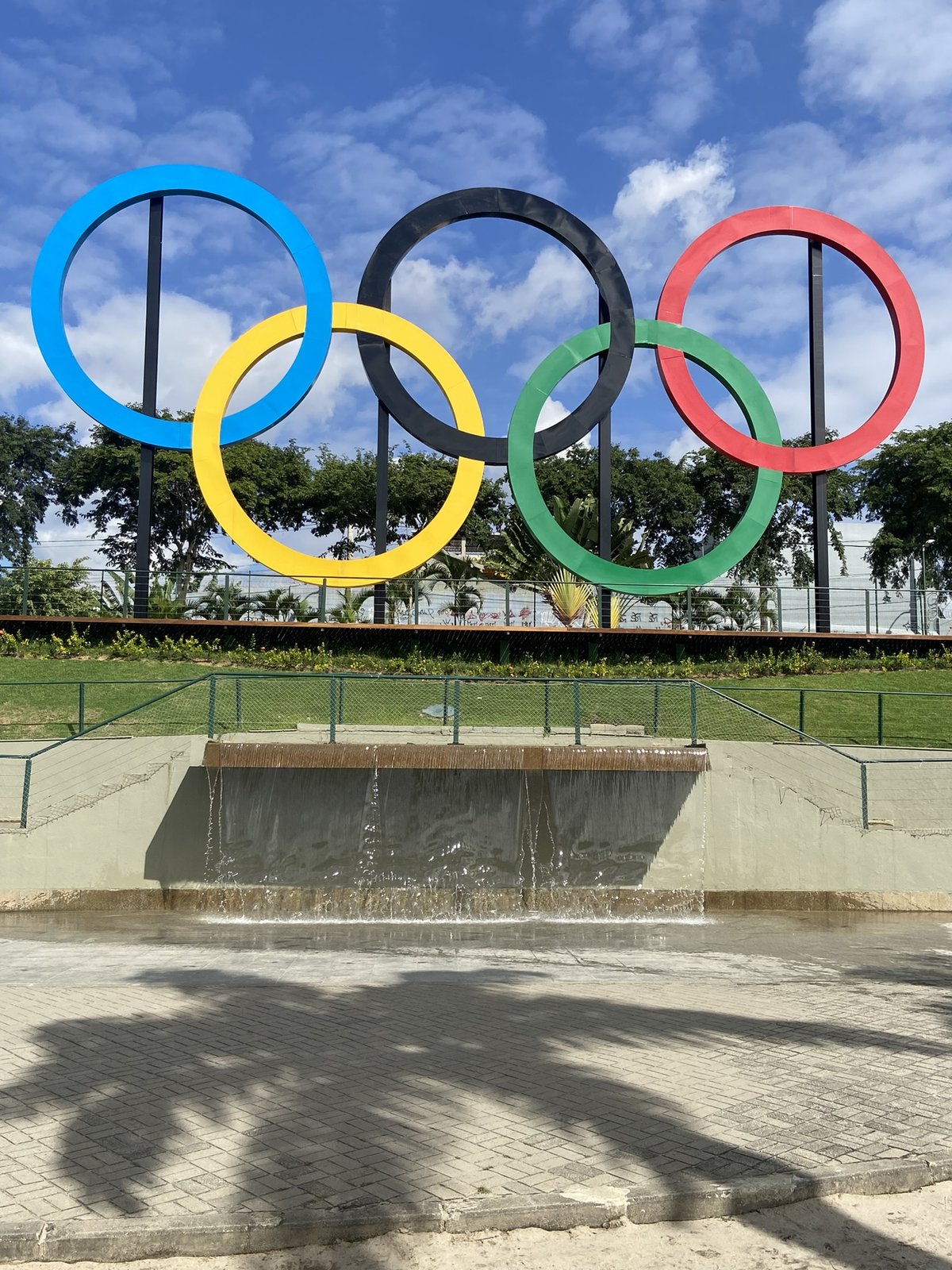
The Marco Anéis Olímpicos (Olympic Rings Monument) stands as one of the most celebrated symbols of Rio de Janeiro’s legacy as host of the 2016 Summer Olympic Games—the first Olympic Games ever held in South America. Whether you’re a sports fan, history enthusiast, or a visitor eager to explore Rio de Janeiro’s historical sites, the monument provides a meaningful connection to the city’s transformation, urban revitalization, and Olympic heritage. This guide delivers everything you need to know: visiting hours, ticketing, accessibility, history, travel tips, and must-see nearby attractions.
The Marco Anéis Olímpicos is an enduring emblem celebrating Rio’s Olympic legacy and Brazil’s place on the global stage. Conceived by Pierre de Coubertin in the early 20th century, the five interlocked rings represent the unity of five continents and the Olympic movement’s universality, transcending cultural and national boundaries (Significados.com.br; Wikipedia).
Installed in two iconic locations—Barra Olympic Park in Barra da Tijuca and Praça Mauá in Porto Maravilha—the monument is a focal point for visitors, athletes, and locals alike. It symbolizes not only Olympic ideals but also Rio’s ambitious urban regeneration, integration of world-class sporting venues, and expansion of cultural landmarks such as the Museum of Tomorrow (ArchDaily).

Origins and Symbolism of the Olympic Rings
The Olympic rings were designed in 1913 by Pierre de Coubertin, founder of the modern Olympic Games. The colors—blue, yellow, black, green, and red on a white background—were selected because at least one appears in every national flag, emphasizing unity and inclusivity. Contrary to common belief, each ring does not represent a specific continent; together, they symbolize all nations united in friendly competition (Wikipedia; Significados.com.br).
Locations: Barra Olympic Park & Porto Maravilha
Barra Olympic Park (Parque Olímpico da Barra)
- Address: Avenida Embaixador Abelardo Bueno, Barra da Tijuca, Rio de Janeiro.
- Highlights: The main Marco Anéis Olímpicos monument is located at the entrance of the Olympic Park, developed on the site of the former Jacarepaguá race circuit. The park includes venues such as the Rio Olympic Arena and Maria Lenk Aquatic Center (Wikipedia).
Porto Maravilha / Praça Mauá
- Address: Praça Mauá, Porto Maravilha district, near the Museum of Tomorrow.
- Highlights: The Olympic Rings here serve as a centerpiece in the revitalized port district, surrounded by cultural attractions, pedestrian boulevards, and vibrant street art (PlanetWare).
Visiting Hours and Ticket Information
Barra Olympic Park
- Visiting Hours: 8:00 AM – 6:00 PM, daily.
- Ticket Information: Access to the Olympic Rings Monument and the park’s public areas is free of charge. Special events inside venues may require tickets (Wikipedia).
Praça Mauá / Porto Maravilha
- Monument Access: Open 24 hours, year-round.
- Ticket Information: No ticket required to visit the monument itself. Tickets are needed for adjacent attractions, such as the Museum of Tomorrow (open Tuesday–Sunday, 10:00 AM–5:00 PM; R$30 for adults) (Museum of Tomorrow Official Site).
Accessibility and Facilities
- Both locations are wheelchair accessible, with paved walkways and ramps.
- Public transport is available: use BRT Transolímpica to Barra Olympic Park or metro/VLT light rail to Porto Maravilha (stations: Uruguaiana, Carioca, or Parada dos Museus).
- Restrooms, food kiosks, and Wi-Fi are available nearby, especially in Porto Maravilha.
- Guided tours are offered by local operators and often include the Olympic Rings along with other historic and cultural sites (Imaginario de Janeiro).
Cultural, Social, and Urban Impact
The Olympic Rings Monument goes beyond its visual appeal:
- National Pride: Marks Brazil’s historic achievement as the first South American Olympic host (Brasilescola).
- Urban Regeneration: Symbolizes Rio’s transformation via infrastructure, ecological, and cultural projects (ArchDaily).
- Tourism: Helped boost international visits by over 6% in 2016 and continues to attract global travelers (Economics Illinois).
- Civic Events: Hosts school groups, photo ops, and community gatherings, and serves as a backdrop for celebrations and festivals (Al Jazeera).
- Urban Challenges: While Porto Maravilha is a success story for revitalization, the Olympic Park’s integration with its surroundings remains a work in progress (Built Heritage).
Nearby Attractions
- Museum of Tomorrow: Science and sustainability museum next to the Porto Maravilha monument (Museum of Tomorrow Official Site).
- Rio Art Museum (MAR): Opposite Praça Mauá, features Brazilian art and history.
- Olympic Boulevard: Pedestrian walkway with murals and public art, including the renowned “Etnias” by Eduardo Kobra.
- AquaRio: South America’s largest aquarium, a 20-minute walk from Praça Mauá.
- Beaches: Barra da Tijuca, Copacabana, and Ipanema are easily accessible and popular with visitors.
Travel Tips and Safety
- Best Times: Early morning or late afternoon for softer light and thinner crowds.
- Dress: Comfortable shoes, sunscreen, and casual attire are recommended.
- Language: Portuguese is the official language; English is spoken at major attractions (TravellersWorldwide).
- Safety: Remain alert in crowded areas and after dark. Use taxis or rideshares for travel at night (TravelCami).
- Sustainability: Use public transport and support local businesses to help the community and reduce your carbon footprint.
- Etiquette: Do not climb on the rings; tipping is appreciated but not required.
Frequently Asked Questions (FAQ)
Q: What are the visiting hours for the Marco Anéis Olímpicos?
A: Barra Olympic Park: 8:00 AM–6:00 PM. Praça Mauá: open 24/7.
Q: Is there an entrance fee?
A: No, both monuments are free to visit.
Q: Are guided tours available?
A: Yes, through many local operators; tours often include Olympic Park, Porto Maravilha, and other city highlights.
Q: How do I get there?
A: Olympic Park—BRT Transolímpica; Porto Maravilha—metro (Uruguaiana, Carioca) or VLT light rail (Parada dos Museus).
Q: Is the monument accessible for wheelchairs?
A: Yes, both locations are fully accessible.
Listen to the full story in the app
The whole Marco Anéis Olimpicos,
told well.
Audio guides for 1,100+ cities across 96 countries. History, stories, and local insight — offline ready.
Verified, and shown.
Researched and written by the Audiala editorial team from historical records, architectural archives, and local expertise.
Researched from Wikidata, Wikipedia & official sources · fact-checked · How we make our guides →