Plan and listen to Largo do Bodegão with Audiala.
Audio guide in your pocket, itinerary in your browser. Built for the way you actually visit.
Introduction
Largo do Bodegão, set in Rio de Janeiro’s Santa Cruz neighborhood in Zona Oeste, is a vibrant square where history, culture, and community spirit converge. Often overlooked by mainstream tourists, it offers a fascinating lens into Rio’s working-class heritage, colonial and neo-colonial architecture, religious syncretism, and innovative public health efforts. This in-depth guide covers Largo do Bodegão’s history, cultural highlights, visiting hours, transportation, accessibility, and recommendations for an immersive visit (Rio Cultural Secrets, Sympla Event Description, Wikipedia, PlanetWare, Riotur Editorial).
Historical Context and Evolution
From Jesuit Estate to Urban Community
Largo do Bodegão originated as part of a Jesuit estate in the 16th–17th centuries. Over time, it evolved from royal farmland to a bustling hub for agriculture and industry, especially after the establishment of the Matadouro Público Industrial (Public Industrial Slaughterhouse) in the 19th century (Sympla Event Description). This attracted workers and merchants, transforming Santa Cruz into a lively, working-class enclave.
The Palacete Princesa Isabel, a landmark near the square, once served as the slaughterhouse’s administrative center and now operates as a cultural venue preserving the district’s heritage (Sympla Event Description). The square, named for its many "bodegas" (taverns and shops), quickly became a focal point for commerce, social gatherings, and local traditions.
Public Health Landmark: Centro de Controle de Zoonoses Paulo Dacorso Filho
Established in 1988, the Centro de Controle de Zoonoses Paulo Dacorso Filho (CCZ) is a pioneering institution in public health, named after veterinary leader Dr. Paulo Dacorso Filho (Wikipedia). Initially focused on rabies prevention, the CCZ now addresses a broad range of zoonotic diseases, including leptospirosis and leishmaniasis, and is instrumental in community health education (Prefeitura do Rio). Its presence at Largo do Bodegão underscores the area’s role as a model for public health outreach in Rio de Janeiro.
Religious and Cultural Significance
Capela São Jorge and Festa de São Jorge
At the heart of Largo do Bodegão is the Capela São Jorge, a chapel revered by devotees and visitors alike (Horários Missa). Each April 23rd, the square becomes the epicenter of the Festa de São Jorge, one of Rio’s most colorful religious festivals. The celebration blends Catholic processions, music, and dance with Afro-Brazilian elements, particularly Candomblé and Umbanda, which honor São Jorge as Ogum (Rioeduca Ideias).
Festival Highlights:
- Masses and Religious Processions: Special masses at Capela São Jorge, followed by processions through Santa Cruz.
- Cultural Activities: Music, samba, dance, and communal meals.
- Community Gatherings: The festival is a showcase of resilience, faith, and neighborhood unity.
Syncretism and Social Inclusion
Largo do Bodegão is a microcosm of Brazil’s religious syncretism, where Catholic and Afro-Brazilian traditions coexist (Riotur Editorial). This inclusive spirit fosters social bonds and celebrates the diversity of Rio’s spiritual landscape.
Artistic and Festive Expressions
The square is also a hub for cultural expression:
- Cavalgada de São Jorge: Horseback processions honoring São Jorge, blending urban and rural customs (Rio Decoração Tour).
- Street Markets and Gastronomy: Weekly markets and festival food stalls offer pastel, caldo de cana, and other local delicacies.
- Live Music: Regular performances of samba, pagode, and other genres showcase Rio’s musical heritage (Rio Decoração Tour).
Community and Identity
Largo do Bodegão is a hub of neighborhood identity, hosting cultural walks, oral history projects, and educational initiatives (Sympla Event Description). The Capela São Jorge, in particular, is known for its welcoming atmosphere and role in fostering community solidarity (Horários Missa).
Architectural and Environmental Highlights
Largo do Bodegão features a remarkable collection of colonial and neo-colonial houses with ornate facades, pastel hues, and decorative ironwork (ArchDaily). The square’s proximity to the Corcovado railway station links it to the Christ the Redeemer statue and Tijuca National Park, making it a strategic base for exploring Rio’s natural and architectural icons (PlanetWare).
Lush Atlantic Forest vegetation lines the square, providing a tranquil, green setting and opportunities for birdwatching and relaxation (World Tourism).
Visiting Hours and Admission
- Largo do Bodegão: Open public space; accessible 24/7. Daytime and early evening visits are recommended for safety and atmosphere.
- Capela São Jorge: Generally open 8:00 AM–6:00 PM; check for special schedules during festivals (Horários Missa).
- Centro de Controle de Zoonoses Paulo Dacorso Filho: Monday–Friday, 8:00 AM–5:00 PM (Wikipedia).
- Admission: Free for all main attractions; some special events or guided tours may require advance booking (Sympla Event Description).
Getting There and Accessibility
Public Transport:
- Bus: Santa Cruz is served by multiple bus lines from Rio’s city center.
- Train: Short walk from Santa Cruz train station.
- Car/Uber: Rideshare apps are safe and convenient, especially outside metro hours (ChewsToExplore).
Accessibility: The square and major attractions offer basic accessibility features, but some uneven surfaces are present. Contact local tourism offices for specific needs.
Nearby Attractions and Activities
- Palacete Princesa Isabel: Cultural center with exhibitions and guided tours (Sympla Event Description).
- Corcovado Railway and Christ the Redeemer: Scenic train through Tijuca Forest to one of Rio’s most iconic sites (PlanetWare).
- Tijuca National Park: Trails, waterfalls, and panoramic viewpoints (World Tourism).
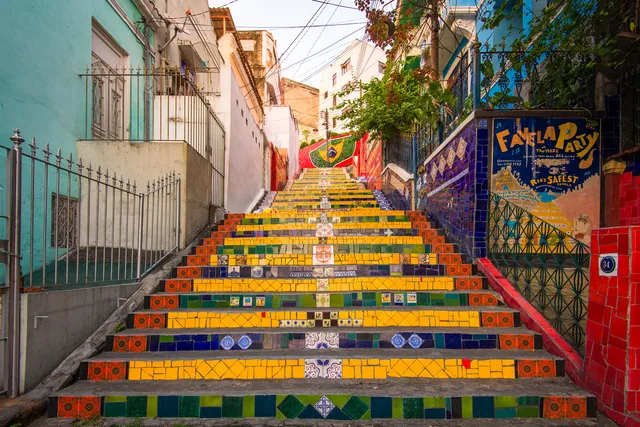
- Other Rio Landmarks: São Bento Monastery, Selarón Steps, and the Museum of Tomorrow.
Visitor Experience: Tips and Practical Essentials
Safety, Language, and Money
- Safety: Daytime and event visits are safe; avoid displaying valuables and be cautious at night (ChewsToExplore).
- Language: Portuguese is the main language; basic phrases or a translation app are helpful (Annie Anywhere).
- Payments: Credit cards are widely accepted, but cash is useful for street vendors. Always pay in BRL (ChewsToExplore).
Food and Drink
Enjoy local favorites such as pastel, pão de queijo, and caipirinhas. Many eateries operate on a “por quilo” system, ideal for sampling (Annie Anywhere).
Events and Nightlife
Samba and pagode are frequent, especially on weekends and public holidays. Guided cultural walks and local festivals provide deeper insights (All Events in Rio).
Packing and Connectivity
Bring light, breathable clothing, sunscreen, a reusable water bottle, and comfortable shoes. Wi-Fi is available in nearby cafes; a local SIM card is useful for navigation.
Frequently Asked Questions
Q: What are the visiting hours?
A: The square is open 24/7. Capela São Jorge usually 8:00 AM–6:00 PM; CCZ on weekdays, 8:00 AM–5:00 PM.
Q: Is there an entrance fee?
A: No, all main attractions are free.
Q: Are guided tours available?
A: Yes, local groups offer guided cultural walks; check with tourism offices or event portals.
Q: How do I reach Largo do Bodegão?
A: By bus, train, car, or Uber. Metro and buses are safest during the day (Annie Anywhere).
Q: Is the area safe?
A: Generally safe during the day and at events; take standard precautions at night.
Listen to the full story in the app
The whole Largo do Bodegão,
told well.
Audio guides for 1,100+ cities across 96 countries. History, stories, and local insight — offline ready.

Verified, and shown.
Researched and written by the Audiala editorial team from historical records, architectural archives, and local expertise.
Researched from Wikidata, Wikipedia & official sources · fact-checked · How we make our guides →