Plan and listen to João Paulo Ii with Audiala.
Audio guide in your pocket, itinerary in your browser. Built for the way you actually visit.
Introduction: João Paulo II’s Legacy in Rio de Janeiro
Pope John Paul II—João Paulo II in Brazil—remains a monumental figure in the religious and cultural fabric of Rio de Janeiro. His papacy (1978–2005) was marked by global outreach, advocacy for social justice, and a special connection to Brazil, the world’s largest Catholic nation. His visits—particularly in 1980 and 1997—brought millions together for historic moments of unity, faith, and compassion, leaving behind a network of memorials and pilgrimage sites for visitors to explore (Wikipedia; Biblioteca Católica).
Among the most iconic moments was his 1980 journey, highlighted by a heartfelt visit to the Vidigal favela and a Mass at Maracanã Stadium. His 1997 return for the World Meeting of Families further cemented Rio’s status as a global Catholic pilgrimage destination (Vatican.va; Memória Globo). Today, travelers can visit an array of significant sites—from the Monumento a João Paulo II in Aterro do Flamengo to the Cathedral of Rio de Janeiro, Capela João Paulo II, and the world-renowned Christ the Redeemer statue (ACI Digital; Tourist Secrets; Official Website).
This guide provides historical context, essential visitor information, and practical travel tips for experiencing João Paulo II’s legacy in Rio de Janeiro—whether your aim is spiritual reflection, cultural exploration, or historical insight.

Pope John Paul II and Brazil: Deepening Faith and Inclusion
Pope John Paul II, born Karol Józef Wojtyła, led the Catholic Church with a focus on global outreach, interfaith dialogue, and social justice (Wikipedia). Brazil’s significance in his papacy was reflected in three apostolic visits (1980, 1991, and 1997), each emphasizing themes of family, youth, and inclusion.
The 1980 Visit: A Spiritual Watershed
June–July 1980 marked the first papal visit to Brazil. The Pope toured 13 cities, including Rio de Janeiro, reaching both affluent and marginalized communities. His stop at Vidigal favela symbolized solidarity with the poor, while his Mass at Maracanã Stadium addressed justice and dignity (Vatican.va; Memória Globo; EWTN).
The 1997 Visit: World Meeting of Families in Rio
Returning in October 1997, João Paulo II presided over the II World Meeting of Families at Maracanã Stadium and Aterro do Flamengo. The event, broadcast worldwide, reinforced Rio’s role as a center of Catholic pilgrimage (Vatican.va).
Key Pilgrimage Sites: Visiting Hours, Tickets, and Accessibility
Basilica of Aparecida
- Location: Aparecida, São Paulo State
- Hours: Daily, 7:00 AM–7:00 PM
- Tickets: Free; guided tours available
- Accessibility: Fully accessible
- Significance: Brazil’s premier Marian shrine, visited by John Paul II (Wikipedia)
Maracanã Stadium
- Location: Rio de Janeiro
- Hours: Tues–Sun, 9:00 AM–5:00 PM (guided tours)
- Tickets: BRL 30–50; discounts for children/seniors
- Accessibility: Yes
- Note: Mass venue for papal visits; check for commemorative events
Cathedral of Rio de Janeiro
- Location: Downtown
- Hours: Daily, 8:00 AM–6:00 PM
- Tickets: Free
- Accessibility: Wheelchair accessible
- Note: Hosts memorials to João Paulo II
Vidigal Favela
- Visiting: No set hours; guided tours recommended for safety and context
- Significance: Site of Pope’s iconic outreach to the marginalized
Nearby Attractions & Practical Travel Tips
- Christ the Redeemer: Open daily 8:00 AM–7:00 PM. Tickets required (Official Website).
- Tijuca National Park: Hiking and panoramic city views.
- Travel Tip: Opt for official guided tours for context and safety at pilgrimage sites.
Guided Tours, Special Events & Photographic Spots
Specialized "John Paul II pilgrimage tours" are available, covering Maracanã Stadium, Vidigal, Cathedral, and Corcovado. Major commemorative events occur around July 1 and October 4. Top photo locations include Maracanã, Corcovado summit, and the Basilica of Aparecida.
Lasting Impact and Legacy
Papal visits amplified social justice, family values, and youth engagement in Brazil, catalyzing activism and renewed faith. The sites tied to João Paulo II’s presence remain spiritual and cultural landmarks.
Visiting João Paulo II Memorials in Rio de Janeiro: Practical Guide
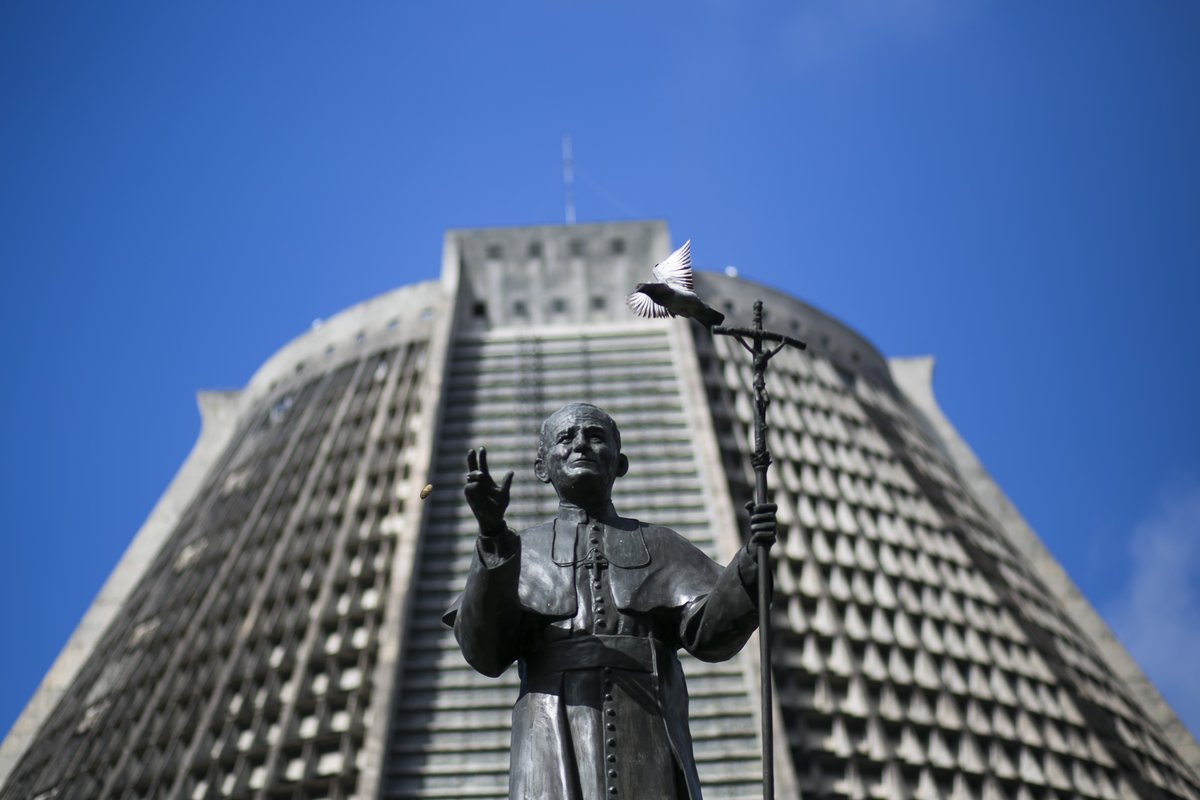
Monumento a João Paulo II (Aterro do Flamengo)
- Location: Flamengo Park, Guanabara Bay
- Design: Bronze statue, granite pedestal
- Hours: Daily, 6:00 AM–8:00 PM
- Tickets: Free
- Accessibility: Yes (Google Maps)
- Tip: Visit early or late for best conditions; enjoy gardens and waterfront views (Travel Guide to Brazil)
Capela João Paulo II (John Paul II Chapel)
- Location: Santuário de Nossa Senhora da Penha grounds
- Hours: Mon–Sat 8:00 AM–6:00 PM; Sun 8:00 AM–12:00 PM
- Tickets: Free
- Accessibility: Yes
- Tip: Modest attire suggested; consult calendar for special Masses (ACI Digital)
Maracanã Stadium – Papal Mass Site
- Commemoration: Plaques and displays recall papal events
- Tours: Daily; tickets ~R$40 (Tourist Secrets)
Quinta da Boa Vista
- Significance: Papal address to youth/families
- Hours: Daily, 5:00 AM–6:00 PM; free entry
- Nearby: National Museum (Free Walker Tours)
Paróquia São João Paulo II
- Location: Western Rio
- Community: Masses, catechism, social initiatives inspired by the Pope
World Youth Day 2013 Memorials
- Locations: Copacabana Beach (final mass), marked pilgrimage routes
- Tip: Annual youth gatherings and tours retrace papal pathways
Artistic Tributes & Relics
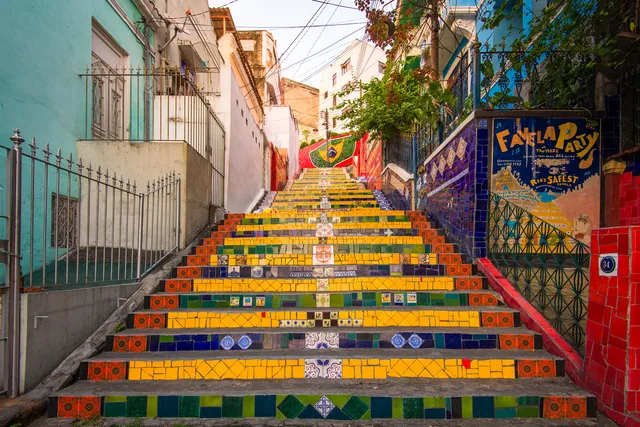
- Murals & mosaics: Santa Teresa, Lapa, Selarón Steps (Mariela Around the World)
- Relics: Metropolitan Cathedral, Santuário Cristo Redentor
Christ the Redeemer: History, Visitor Information & Papal Connection
Significance & Papal Visits
Christ the Redeemer, atop Corcovado Mountain, is a symbol of peace and global faith. Pope John Paul II referenced the statue during his 1997 visit, highlighting its spiritual significance (Vatican Audience).
Visiting Hours & Tickets
- Hours: Daily, 8:00 AM–7:00 PM (last entry at 6:00 PM)
- Tickets: Adults ~BRL 65 (includes train/van); discounts for children, seniors, and people with disabilities
- Purchase: Recommended online, especially during peak periods (Official Website)
Accessibility & Transport
- Transport: Corcovado Rack Railway (20-min scenic ride) or official vans from city points
- Accessibility: Elevators and ramps for wheelchair users
Nearby Attractions
- Flamengo Park: Site of 1997 papal Mass (LA Times)
- Tijuca National Park: Urban rainforest
- Santa Teresa: Artistic, historic neighborhood
Practical Visitor Tips
- Safety: Use official tours and transport; be vigilant in public areas
- Language: Portuguese is primary; English/Spanish info available at major sites
- Best Time to Visit: Early morning or late afternoon for fewer crowds
- Dress Code: Modest attire at religious sites
Frequently Asked Questions
Q: What are the visiting hours for João Paulo II memorials?
A: Most sites are open daily during daylight hours; Basilica of Aparecida is open 7:00 AM–7:00 PM.
Q: Are tickets required?
A: Entry to churches and most memorials is free; guided tours and stadium visits require tickets.
Q: Are these sites accessible?
A: Major sites are wheelchair accessible; some older locations may have limited facilities.
Q: Are guided tours available?
A: Yes, for pilgrimage sites and major attractions.
Q: When are special events?
A: July and October feature commemorations of papal visits.
Plan Your Visit: Enhance Your Experience
- Download the Audiala app for up-to-date maps, ticket info, and event calendars.
- Explore virtual tours and galleries on official websites (Official Virtual Tour).
- Engage with community events, particularly during visit anniversaries.
- Capture memories at top photographic locations.
Discover More
Visiting Rio’s João Paulo II sites offers profound insight into the city’s faith, social history, and enduring legacy of compassion and unity. Plan your itinerary around key memorials, take advantage of guided tours, and experience the transformative impact of “The Pilgrim Pope” on Brazil’s spiritual landscape.
For real-time updates, exclusive travel guides, and special offers, download the Audiala app and follow us across social media. Embrace the opportunity to connect with Rio’s vibrant religious and cultural traditions.
Listen to the full story in the app
The whole João Paulo Ii,
told well.
Audio guides for 1,100+ cities across 96 countries. History, stories, and local insight — offline ready.
Verified, and shown.
Researched and written by the Audiala editorial team from historical records, architectural archives, and local expertise.
Researched from Wikidata, Wikipedia & official sources · fact-checked · How we make our guides →