Plan and listen to Imperial Palace Of Santa Cruz with Audiala.
Audio guide in your pocket, itinerary in your browser. Built for the way you actually visit.
Introduction
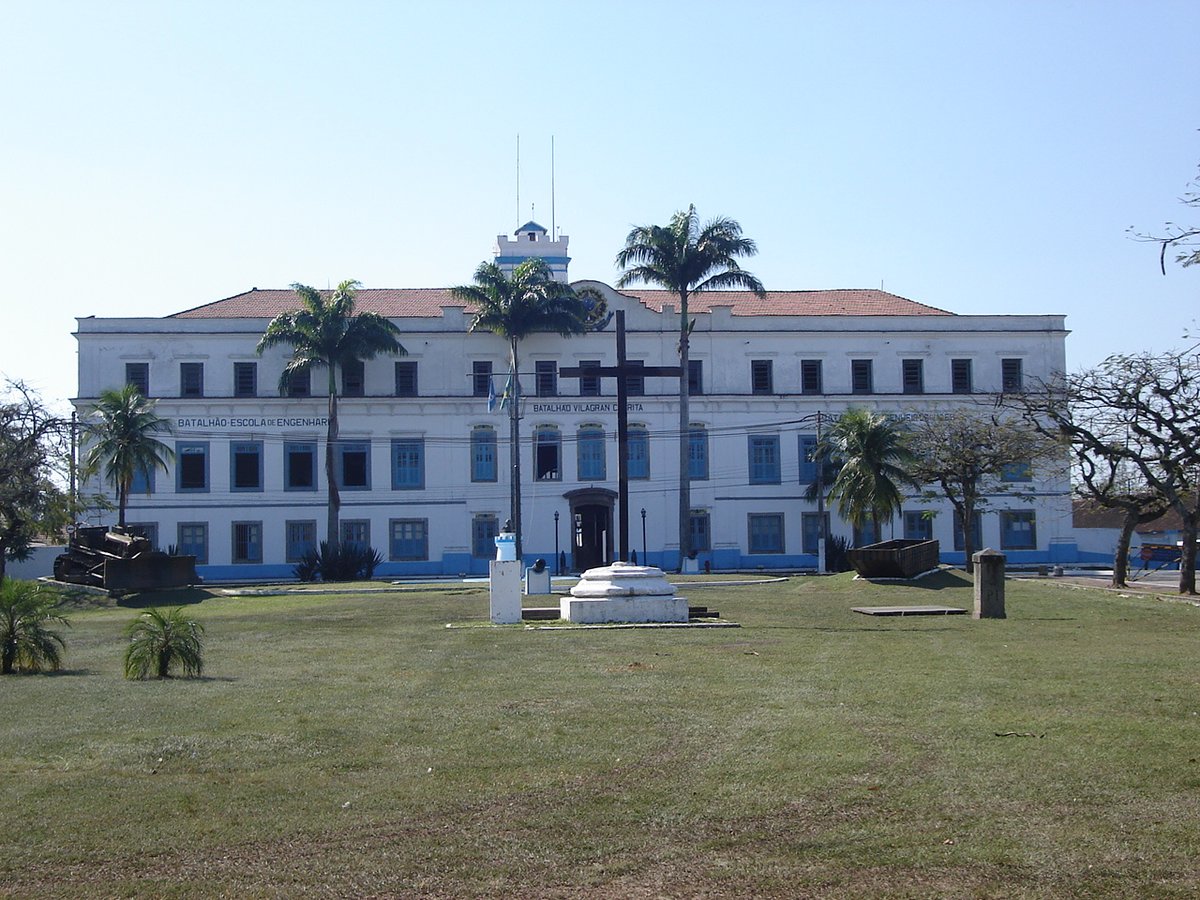
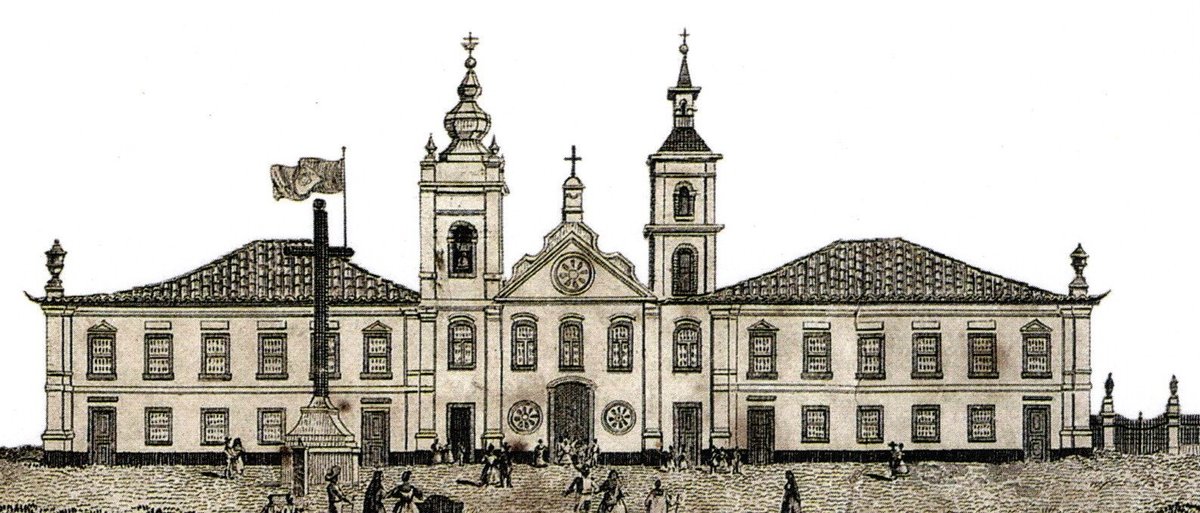
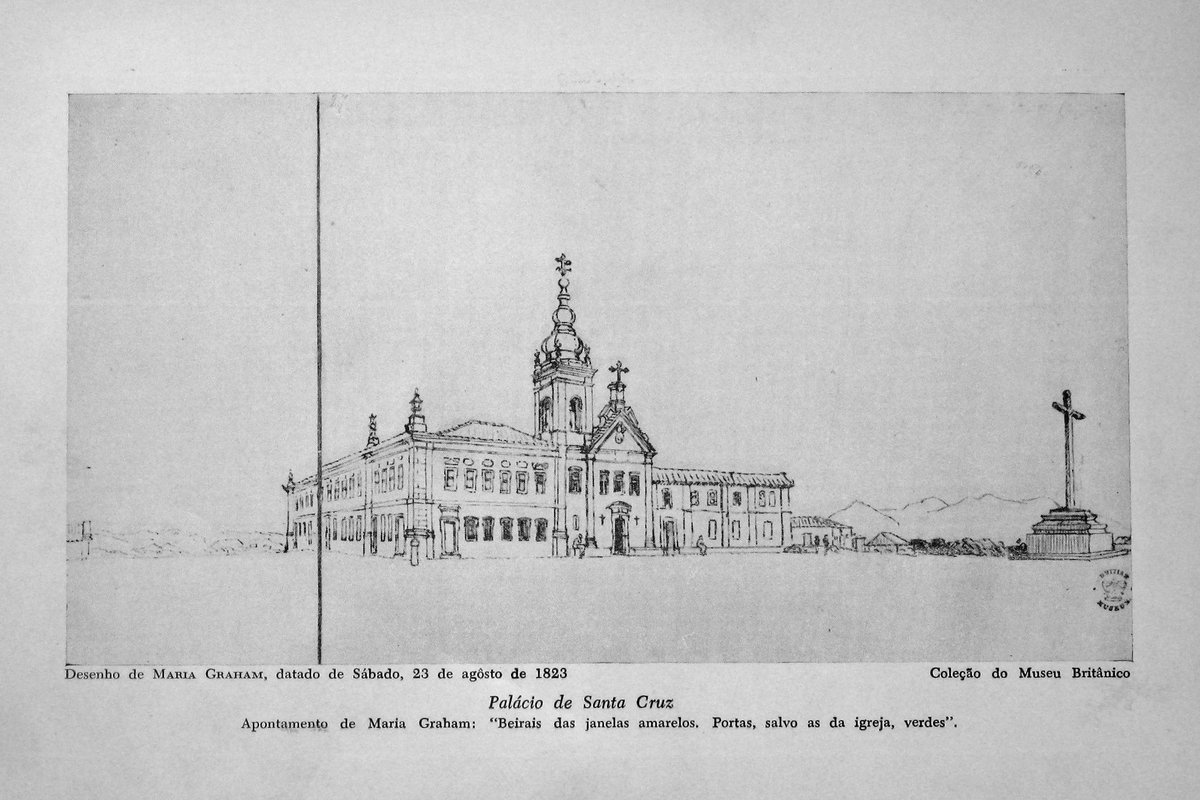
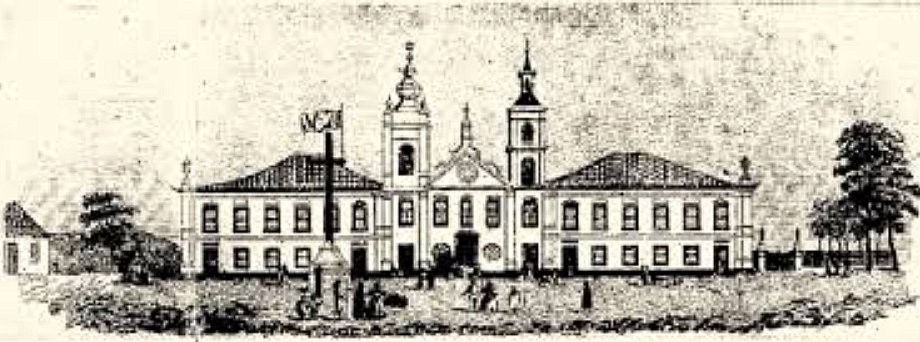
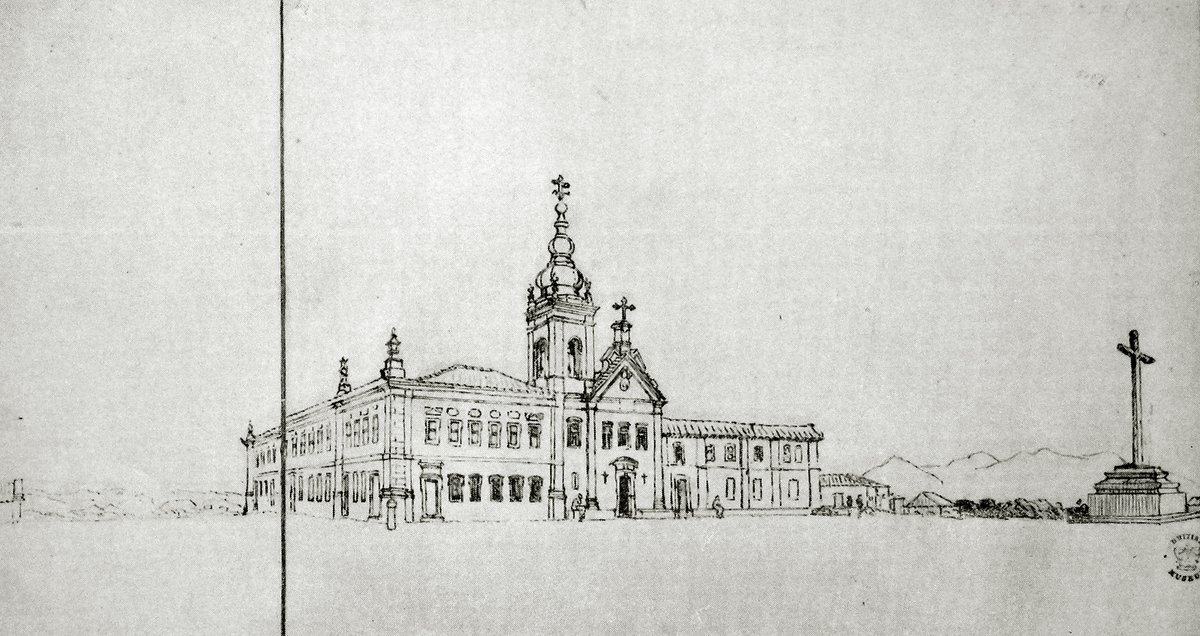
The Imperial Palace of Santa Cruz (Palácio Imperial de Santa Cruz) stands as a remarkable testament to Brazil’s journey from colonial territory to sovereign empire. Located in the historic Santa Cruz district of Rio de Janeiro, the palace is deeply woven into the nation’s agricultural, political, and cultural narratives. Once a Jesuit farm, later a royal and imperial residence, and now a functioning military academy, the estate preserves the architectural grandeur and layered history of Brazil’s past. Its formal gardens, neoclassical facades, and ceremonial interiors offer visitors an immersive experience into the country’s imperial legacy.
This guide provides detailed information about the palace’s history, cultural significance, architectural highlights, visiting hours, ticketing, accessibility, travel tips, nearby attractions, and practical recommendations to enrich your visit. Whether you are a history enthusiast, architectural admirer, or cultural traveler, the Imperial Palace of Santa Cruz delivers an engaging journey through Brazil’s heritage. For additional planning resources, refer to the National Historical and Artistic Heritage Institute (IPHAN), the Rio de Janeiro Tourism Board, and in-depth perspectives from Rio Cultural Secrets.

Colonial Foundations
The estate began as the Fazenda de Santa Cruz, a Jesuit farm founded in the 17th century. The Jesuits introduced innovative agricultural practices and established Brazil’s first instrumental and choral music conservatory, where enslaved musicians performed. After the expulsion of the Jesuits in 1759, the Portuguese Crown acquired the property, transforming it into a viceroyal residence. Notable improvements included the 1752 bridge-dam on the Guandu River, which remains a preserved heritage structure.
Royal and Imperial Era
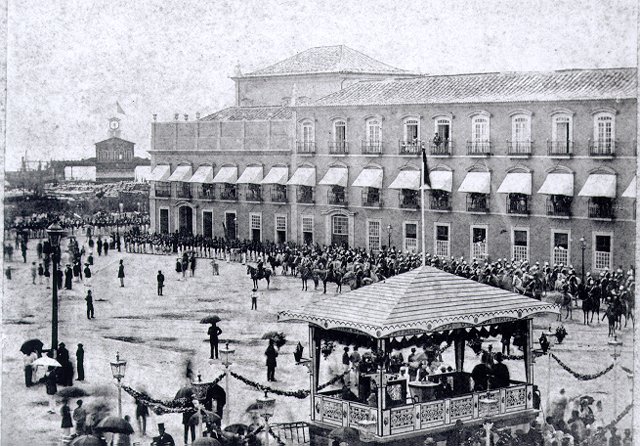
With the arrival of the Portuguese royal family in 1808, led by Prince Regent João VI, the estate evolved into a royal retreat. The former convent was adapted into the Royal Palace of Santa Cruz, where members of the imperial family, including Emperor Pedro I and Dom Miguel, resided and celebrated significant events. The palace later hosted Emperor Pedro II and Princess Isabel, playing a pivotal role in imperial life and Brazil’s independence movement.
Political and Social Milestones
The palace was central to Brazil’s independence, serving as the meeting place for Dom Pedro and José Bonifácio in 1822. It witnessed major imperial events, such as balls and the signing of the Golden Law by Princess Isabel, which abolished slavery in Brazil. These milestones underscore its importance in shaping the nation’s political and social history.
Economic and Cultural Innovations
Santa Cruz was a pioneer in agricultural and technological advancements. In 1818, it became Brazil’s first tea cultivation site with expertise from Chinese workers. The estate also hosted South America’s first telephone line, linking it to the Palace of São Cristóvão. The Santa Cruz train station (inaugurated in 1878) and the suburb’s first electrified slaughterhouse (1881) further highlight the estate’s economic and technological significance.
Decline and Conservation
Following the proclamation of the Republic in 1889, the palace’s political relevance declined. However, its architectural and historical significance led to its preservation as a protected heritage site under IPHAN. Today, ongoing conservation efforts ensure that the estate’s structures and legacy are maintained for future generations (Agência Brasil).
Visitor Information
Location and How to Get There
- Address: Praça Dom João VI, s/n, Santa Cruz, Rio de Janeiro, CEP 23520-900
- Public Transport: Take the SuperVia suburban train to Santa Cruz station (a short walk from the palace), or use municipal buses or taxis.
- By Car: Parking is available in the vicinity, but not within the palace grounds. The palace is approximately 50 km from Rio’s city center; plan for 60–90 minutes travel time depending on traffic.
Visiting Hours
- General Hours: Tuesday to Sunday, 9:00 AM – 5:00 PM
- Closed: Mondays and public holidays
- Guided Tours: Saturdays and Sundays, at 10:00 AM and 2:00 PM (subject to change during special events or restoration)
- Note: Always confirm current hours on the official site or through the Rio de Janeiro tourism portal before your visit.
Tickets and Admission
- Standard Admission: Free on most public days and during special cultural events
- Guided Tours: May require advance booking; group visits and school tours can be arranged
- Special Exhibitions: Some temporary events may charge a modest fee
- Identification: Bring a valid photo ID for registration
Accessibility
- Wheelchair Access: Main entrances and gardens are accessible; some interior areas may have steps or narrow corridors due to the estate’s historic design
- Facilities: Accessible restrooms available; contact administration for specific needs
Guided Tours and Special Events
- Languages: Portuguese; English tours available with prior arrangement
- Duration: 60–90 minutes
- Group Size: Typically limited to 30–40 participants
- Special Events: Concerts, exhibitions, and educational programs are held seasonally—check the official calendar for updates
Photography and Highlights
- Allowed: Gardens, exteriors, ceremonial spaces (no flash/tripods inside)
- Best Spots: Central courtyard, formal gardens, restored interiors
- Restrictions: Respect signage regarding restricted areas
Facilities and Amenities
- Restrooms: Modern facilities on site
- Café/Kiosk: Light snacks and beverages during tour hours
- Gift Shop: Books, souvenirs, and local crafts
- Rest Areas: Benches and shaded spots in the gardens
Rules and Safety
- No smoking inside the palace or gardens
- No food or drink inside buildings
- Children under 12 must be accompanied by an adult
- Do not touch artifacts or cross barriers
- Only certified assistance animals allowed
Security staff and CCTV ensure visitor safety. Bags may be subject to inspection.
Nearby Attractions
- Santa Cruz Botanical Garden: A tranquil spot near the palace
- Santa Cruz Fortress: Another significant heritage structure
- Pedra Branca State Park: For nature enthusiasts
- Imperial Museum of Petrópolis: A short drive away, expanding your imperial Brazil experience
- Local Museums: Explore colonial and imperial history further in the Santa Cruz district
Frequently Asked Questions (FAQ)
Q: What are the Imperial Palace of Santa Cruz visiting hours?
A: Tuesday to Sunday, 9:00 AM – 5:00 PM; closed on Mondays and holidays.
Q: Do I need tickets or advance booking?
A: General admission is free. Guided tours and group visits may require advance booking, especially during peak times or special events.
Q: Is the palace accessible for visitors with disabilities?
A: The main gardens and some interior areas are accessible. Contact administration for specific needs.
Q: Are guided tours available in English?
A: Yes, with advance notice.
Q: Can I take photos inside?
A: Photography is permitted outdoors and in designated areas. No flash or tripods indoors.
Q: How do I get there from downtown Rio?
A: Take the SuperVia suburban train to Santa Cruz, or use municipal buses or taxis.
Practical Tips for Visitors
- Arrive early to enjoy the gardens before your tour.
- Wear comfortable shoes and bring sun protection.
- Bring water, especially during warmer months.
- Check the weather and dress appropriately.
- Carry some cash for small purchases; most facilities accept cards but local shops may not.
- Follow rules and respect staff instructions for a smooth visit.
Listen to the full story in the app
The whole Imperial Palace Of Santa Cruz,
told well.
Audio guides for 1,100+ cities across 96 countries. History, stories, and local insight — offline ready.
Verified, and shown.
Researched and written by the Audiala editorial team from historical records, architectural archives, and local expertise.
Researched from Wikidata, Wikipedia & official sources · fact-checked · How we make our guides →