Plan and listen to Igreja De Nossa Senhora Da Glória Do Outeiro with Audiala.
Audio guide in your pocket, itinerary in your browser. Built for the way you actually visit.
Introduction
Perched atop the Outeiro da Glória hill, the Igreja de Nossa Senhora da Glória do Outeiro is not only a striking example of colonial Brazilian architecture but also a living monument to Rio de Janeiro's religious and cultural heritage. Revered for its rare elliptical floorplan, ornate Baroque-Rococo artistry, and deep associations with the Portuguese royal and Brazilian imperial families, this church offers an immersive journey through centuries of art, history, and devotion. Today, it welcomes visitors with panoramic bay views, free admission, and a profound sense of the city’s spiritual and historical roots (riocidademaravilhosa.com.br, riotur.rio, lonelyplanet.com).

History and Founding
The origins of the Igreja de Nossa Senhora da Glória do Outeiro reach back to 1608, when a devotee named Ayres placed a small image of the Virgin Mary in a grotto atop the Outeiro hill. This spontaneous act of faith, occurring just decades after Rio’s founding, soon inspired the construction of a hermitage by Portuguese settler Antonio de Caminha. Over the next century, the site’s spiritual importance grew, reflecting the city’s burgeoning devotion to Our Lady of Glory (riocidademaravilhosa.com.br).
The church’s definitive construction began in 1714 under engineer Tenente-Coronel José Cardoso de Ramalho and was completed in 1739, coinciding with the establishment of the Brotherhood of Our Lady of Glory. Its completion marked a new era for both the site and Rio’s religious landscape, with the church quickly becoming a focal point for both worship and social gatherings.
Architectural and Artistic Features
Design and Structure
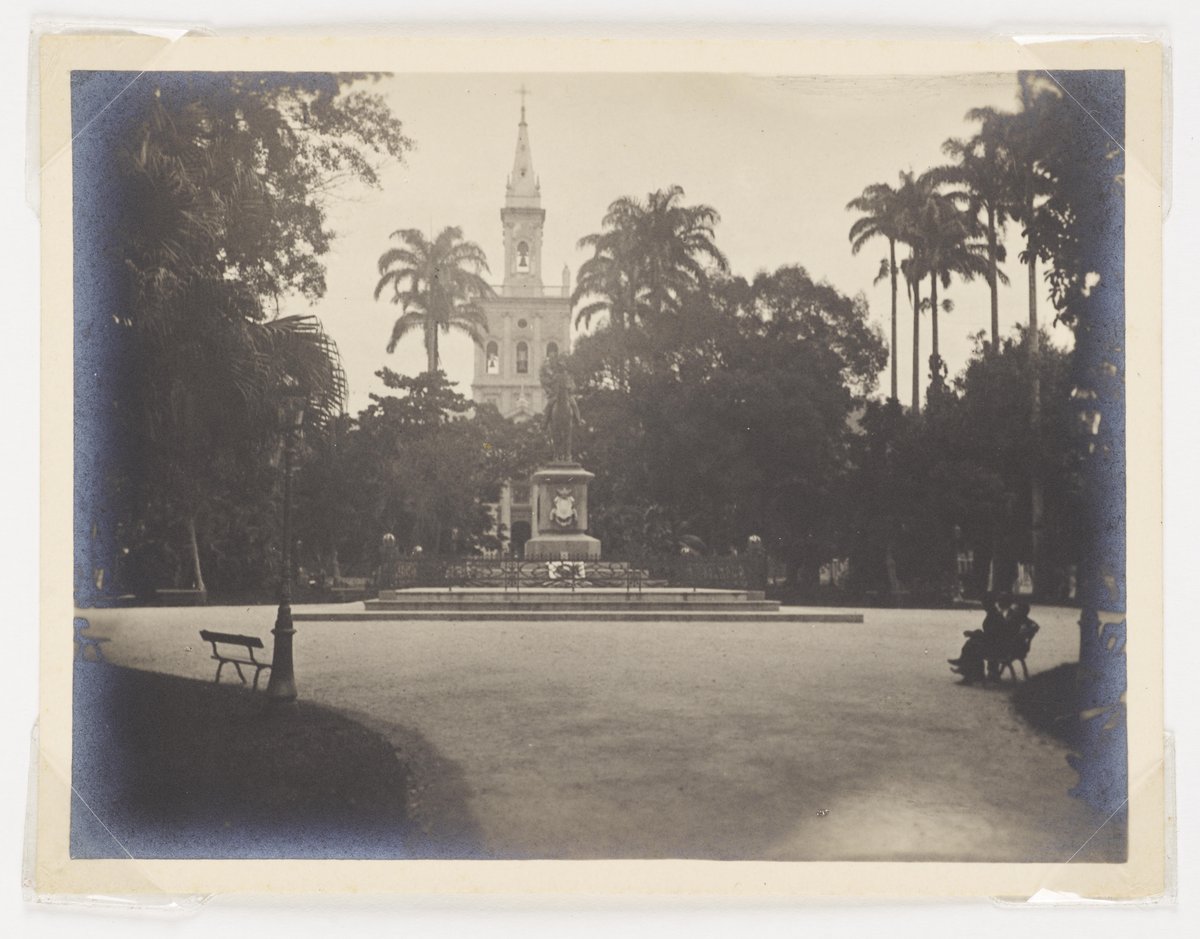
Igreja de Nossa Senhora da Glória do Outeiro stands out for its unique elliptical, double-octagon floorplan—a rarity in Brazilian colonial architecture. Designed by military engineer José Cardoso de Ramalho, the structure blends Portuguese and Italian Baroque influences, utilizing finely crafted local stone masonry and imported Lisbon limestone for key elements (Pedra Chave, Tour by Transit). The building’s prominent facade features a harmonious blend of Baroque ornamentation and Neoclassical restraint, crowned by a dome-topped bell tower.
Interior and Decoration
The church’s interior is a showcase of 18th-century Brazilian artistry. Highlights include:
- Altars and Woodcarvings: The main altar, attributed to Mestre Valentim, and the side altars exhibit a transition from Rococo exuberance to Neoclassical elegance.
- Azulejos: The nave, chancel, and sacristy are lined with blue-and-white Portuguese ceramic tiles (azulejos), considered among Brazil’s finest. Their biblical and Marian iconography remains a topic of scholarly debate (Lonely Planet).
- Ceiling and Statuary: The sacristy ceiling features religious paintings, and the church houses significant statues, including a revered image of Our Lady of Glory.
Setting
The church’s hilltop terrace (adro) provides sweeping views of Guanabara Bay and the surrounding city, further enhancing its historical and visual significance (Contempo).
Royal and Imperial Connections
The Igreja de Nossa Senhora da Glória do Outeiro is intimately linked with Brazil’s monarchy. In 1808, King João VI of Portugal selected it as his preferred place of worship after relocating the royal court to Rio. The Bragança family’s devotion led to a tradition of consecrating newborn royals at the church—a custom that continues today. In 1849, Emperor Pedro II granted the brotherhood the “Imperial” title, a distinction that survived the end of the monarchy (riocidademaravilhosa.com.br).
Social and Cultural Impact
The church has long served as a gathering place for Rio’s elite, hosting baptisms, weddings, festivals, and royal ceremonies. Its central role in the city’s religious and social fabric is reflected in the ongoing popularity of the annual Festa de Nossa Senhora da Glória each August 15th, a vibrant event featuring processions, music, and the ceremonial changing of the Virgin’s vestments (contempo.substack.com).
Visiting Information
Hours and Tickets
- Opening Hours: Tuesday–Sunday, 9:00 AM–5:00 PM. Closed Mondays and some public holidays.
- Tickets: Admission is free; donations are encouraged to support maintenance (riotur.rio).
Accessibility
Due to its historic hilltop location and cobblestone paths, accessibility is limited. Assistance is available at the entrance upon request.
Guided Tours
Guided tours are offered on weekends at 10:00 AM and 2:00 PM. Advance booking through the official tourism website is recommended.
Getting There
- By Metro: Glória station at the base of the hill; a 10–15 minute uphill walk via Ladeira da Glória.
- By Bus/Taxi: Several lines serve the area; taxi or ride-share recommended for those with mobility challenges.
Best Time to Visit
Mornings and late afternoons offer cooler temperatures, softer light, and fewer crowds—ideal for photography and quiet exploration.
Nearby Attractions
- Aterro do Flamengo Park: Landscaped gardens and cultural centers nearby.
- Santa Teresa Neighborhood: Bohemian quarter with art studios and cafés.
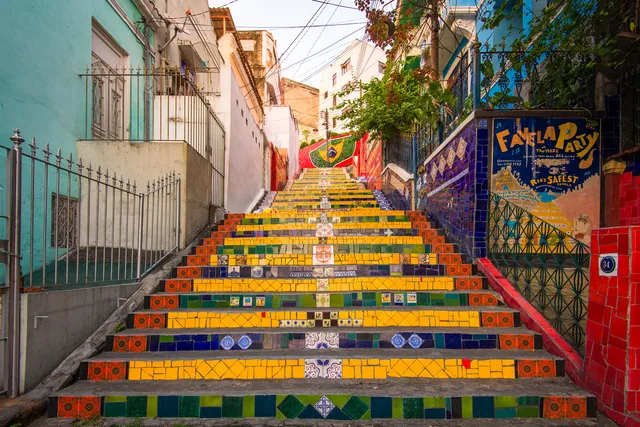
- Escadaria Selarón: Iconic mosaic steps within walking distance.
- Museum of Modern Art (MAM Rio): Contemporary exhibitions and events.
Preservation and Recognition
Designated a national monument in 1937 and protected by IPHAN, the church undergoes continual preservation to safeguard its woodwork, tilework, and stone features for future generations (riotur.rio).
Frequently Asked Questions (FAQ)
Q: What are the visiting hours?
A: Tuesday to Sunday, 9:00 AM–5:00 PM; closed Mondays.
Q: Is there an entrance fee?
A: No; admission is free. Donations are appreciated.
Q: Are guided tours available?
A: Yes, on weekends at 10:00 AM and 2:00 PM; book in advance.
Q: Is the church accessible?
A: Accessibility is limited due to steps and incline; assistance is available.
Q: Can I take photos inside?
A: Personal photography is generally allowed; avoid flash and tripods during services.
Q: What are the annual highlights?
A: The Festa de Nossa Senhora da Glória on August 15th features processions and special ceremonies.
Listen to the full story in the app
The whole Igreja De Nossa Senhora Da Glória Do Outeiro,
told well.
Audio guides for 1,100+ cities across 96 countries. History, stories, and local insight — offline ready.
Verified, and shown.
Researched and written by the Audiala editorial team from historical records, architectural archives, and local expertise.
Researched from Wikidata, Wikipedia & official sources · fact-checked · How we make our guides →