Plan and listen to Fort Copacabana with Audiala.
Audio guide in your pocket, itinerary in your browser. Built for the way you actually visit.
Introduction: History and Cultural Significance
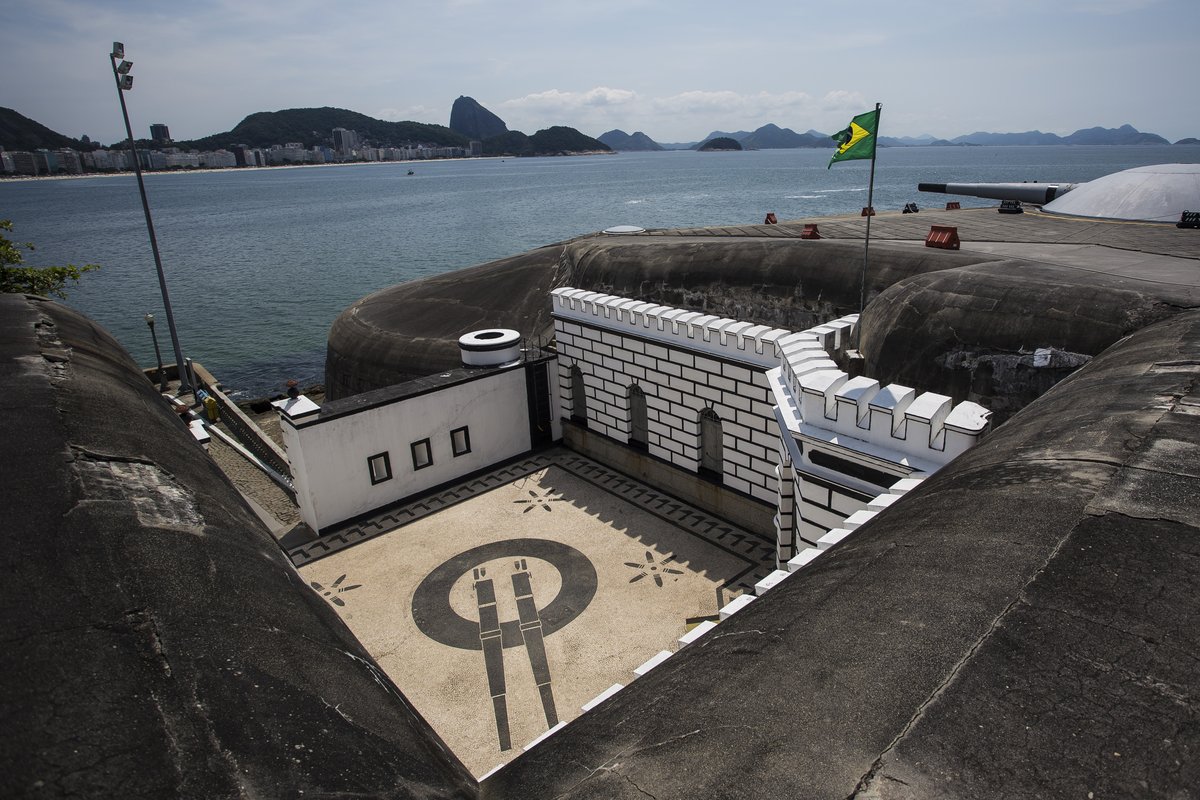
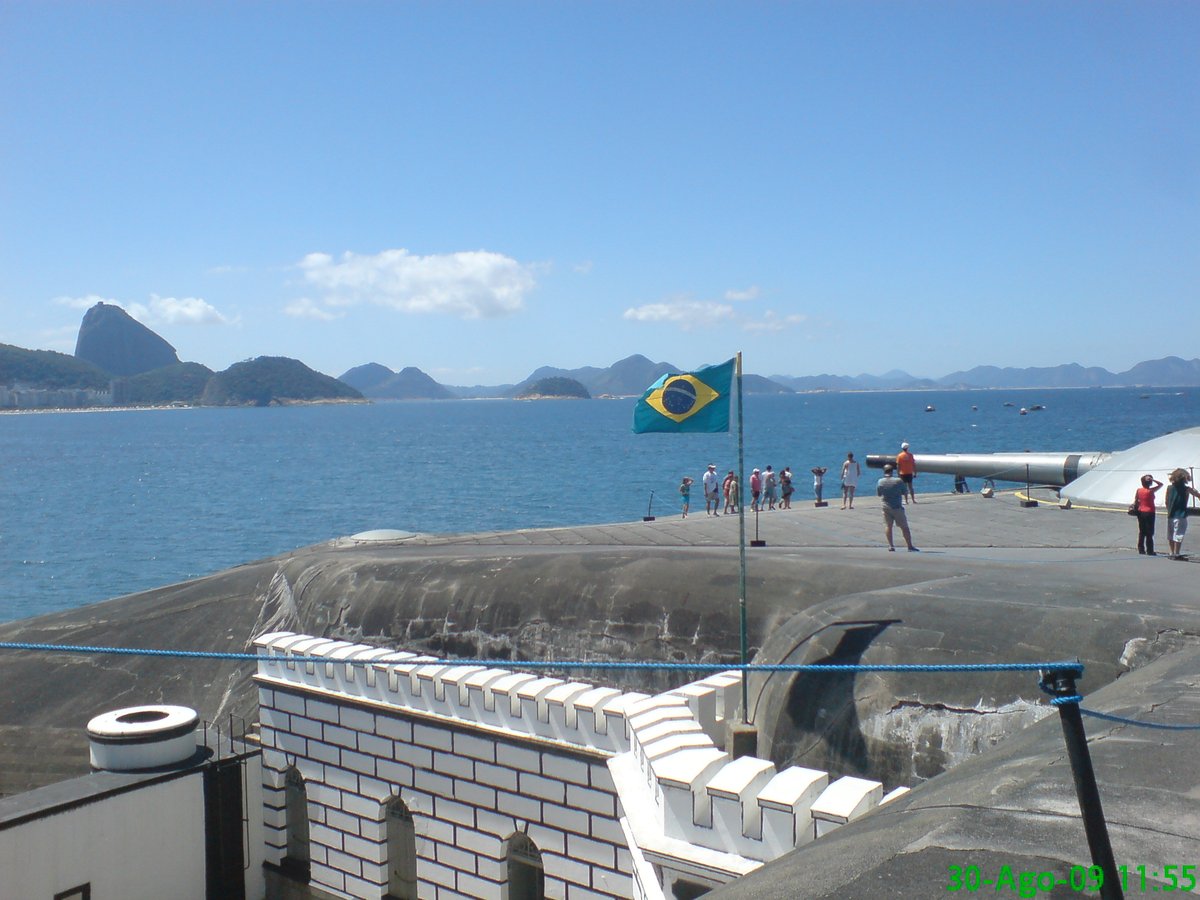
Fort Copacabana (Forte de Copacabana) is a captivating symbol of Rio de Janeiro’s military heritage, offering a unique blend of history, culture, and spectacular coastal views. Located at the southern tip of the iconic Copacabana Beach, this early 20th-century fortress was built to defend the entrance to Guanabara Bay and represents Brazil’s period of military modernization. Its imposing 12-meter-thick walls and state-of-the-art Krupp artillery underline its strategic significance at the time of its inauguration in 1914.
Beyond its military function, Fort Copacabana is deeply interwoven with Brazil’s political history, most notably through the 1922 Copacabana Fort Revolt—a pivotal event that became a symbol of resistance and reform. Today, the fort has transitioned into a vibrant cultural landmark and museum, preserving army history while offering exhibitions, panoramic views, and amenities such as the renowned Confeitaria Colombo café. Whether you’re a history enthusiast or a casual visitor, Fort Copacabana stands as one of Rio’s most treasured historical sites (riotur.rio, brazilparadise.com.br, facts.net, guide.en-vols.com).

Early History and Strategic Importance
The site of Fort Copacabana was originally home to a small church, the Church of Our Lady of Copacabana, which gave the neighborhood its name. Recognizing the strategic significance of this promontory, the Brazilian government began construction of the fort in 1908 as part of a comprehensive modernization of the country's coastal defenses. The fort was inaugurated in 1914 by President Marshal Hermes da Fonseca and, at the time, was considered the most advanced military fortification in Latin America, boasting thick concrete walls and two massive 305mm Krupp cannons capable of firing over 20 kilometers (brazilparadise.com.br, theblogofdimi.com).
Architectural Features and Military Technology
The fortress encompasses approximately 114,000 m² and features dome-shaped turrets, reinforced concrete structures, and heavy artillery. Its main armaments included two 305mm Krupp cannons and smaller-caliber guns for close-range defense (tourbytransit.com). Its strategic position allowed commanding views over Copacabana Beach and the approaches to Guanabara Bay, which was crucial for defending Rio, then the capital of Brazil (riotur.rio).
The 1922 Copacabana Fort Revolt
A defining moment in the fort’s history occurred on July 5, 1922, when a group of 18 officers and soldiers led by Lieutenants Siqueira Campos and Eduardo Gomes launched the Copacabana Fort Revolt. This failed rebellion, part of the larger Tenentismo reform movement, ended with most rebels killed or captured after a famous march along Avenida Atlântica. Although unsuccessful, the event became a lasting symbol of resistance and inspired later movements, including the Revolution of 1930 (facts.net).
Later Military Role and Transition to Museum
After 1922, Fort Copacabana continued as a vital component of Rio’s defenses through World War II. Its last artillery use was in 1955 during a political crisis, after which its military importance declined. By 1987, the fort was decommissioned and converted into the Army Historical Museum, preserving its original features and opening its heritage to the public (riotur.rio).
Visiting Fort Copacabana: Hours, Tickets, and Accessibility
Location: Praça Coronel Eugênio Franco, 1, Posto 6, Copacabana, Rio de Janeiro, CEP 22070-020.
Opening Hours:
- Tuesday–Sunday: 10:00 AM to 5:00 PM (closed Mondays and public holidays)
- Some exhibitions and the café may remain open until 8:00 PM (O Rio de Janeiro)
Tickets:
- Adults: R$10
- Students, seniors: R$5
- Children under 10, military personnel, and visitors over 80: Free
- Free entry on Tuesdays
- Cash only at the ticket office
(Nomadic Niko, O Rio de Janeiro)
Accessibility:
- Wheelchair-accessible ramps, adapted restrooms, and elevator to museum halls
- Wheelchairs are available for loan upon request
- Some historic surfaces may be uneven
Getting There:
- Metro: Cantagalo and General Osório stations
- Bus: Lines 121, 126, 127, 484, 455
- Walking: End of Copacabana boardwalk
- No on-site parking; use nearby public parking or street parking
Visitor Experience and Facilities
What to See:
- Original military structures: Barracks, chapel, armory, and command posts
- Army Historical Museum: Permanent and temporary exhibits on military history
- Krupp Cannons: Explore the massive artillery and reinforced ramparts
- Panoramic terraces: Unmatched views of Copacabana Beach and Sugarloaf Mountain
Dining:
- Confeitaria Colombo – Café do Forte: Legendary café with a Belle Époque vibe, offering meals, pastries, and coffee with ocean views
- Hours: Tuesday–Sunday, 10:00 AM–8:00 PM
- Reservations accepted on weekdays for groups; weekends are first-come, first-served
Amenities:
- Clean restrooms, shaded seating, gift shop
Cultural and Social Significance
Fort Copacabana is not just a historical monument—it’s a living part of the Copacabana neighborhood, separating it from Ipanema and serving as a gathering spot for locals and tourists alike (Imaginario de Janeiro, Live the World). The fort plays a key role in Rio’s cultural life, hosting exhibitions, theater performances, and important events such as the 2016 Olympics marathon and triathlon.
The site embodies the Carioca lifestyle—open, creative, and diverse—offering a peaceful retreat within the city’s vibrant rhythms and a unique vantage point for appreciating Rio’s UNESCO-listed Urban Cultural Landscape (Turista FullTime, Rio de Janeiro by Cariocas).
Educational and Community Impact
The Army Historical Museum provides engaging exhibits and guided tours, making military history accessible to all, while the fort’s open spaces and cafés foster social inclusion and serve as venues for citywide cultural events (Wikipedia).
Recommended Photo Spots
- Krupp cannons with the Atlantic Ocean as a backdrop
- Panoramic terraces for views of Copacabana Beach, Sugarloaf Mountain, and Arpoador
- Early mornings and late afternoons offer the best lighting
Nearby Attractions
- Arpoador: Famous for surfing and sunset views
- Copacabana and Ipanema beaches: Vibrant promenades and local culture
- Parque Garota de Ipanema: Family-friendly park with playgrounds and scenic lookouts
- Local restaurants: Sample Brazilian cuisine at nearby establishments
Practical Tips
- Bring cash for ticket purchases (cards not accepted)
- Wear comfortable shoes and sun protection
- Use public transport or walk due to limited parking
- Arrive early on weekends or holidays to avoid crowds
- Basic Portuguese is helpful; English spoken by some staff
- Photography is permitted outdoors, but not inside museum halls
Frequently Asked Questions (FAQ)
Q: What are Fort Copacabana’s visiting hours?
A: Tuesday to Sunday, 10:00 AM–5:00 PM (closed Mondays and holidays)
Q: How much do tickets cost?
A: R$10 for adults; R$5 for students and seniors; free for children under 10, military personnel, and visitors over 80; free on Tuesdays
Q: Is the fort wheelchair accessible?
A: Yes, with ramps, elevators, and adapted restrooms, though some areas may be uneven
Q: Can I take photos?
A: Photography is allowed outdoors and on terraces, but not inside the museum halls
Q: Are guided tours available?
A: Yes, tours can be booked onsite or through authorized providers
Q: Is there parking?
A: No on-site parking; limited public parking nearby
Key Dates and Figures
- 1908: Construction begins
- 1914: Official inauguration
- 1922: Copacabana Fort Revolt
- 1955: Last artillery shots fired
- 1987: Fort becomes the Army Historical Museum
Plan Your Visit and Further Engagement
Fort Copacabana is more than a military monument; it’s a dynamic space where history, culture, and community converge. Its well-preserved architecture, insightful exhibits, and breathtaking views promise a memorable experience for every visitor. Be sure to check current visiting hours and ticket information, explore nearby attractions, and enjoy a coffee at the iconic café.
For ongoing updates and travel tips, download the Audiala app and visit official tourism websites. Stay connected with Rio’s vibrant heritage by following us on social media and exploring our related articles on Rio’s cultural landmarks.
Tickets & tours.
These are guided options from our partners — same price as booking direct.
Prices are indicative — final pricing and availability are confirmed at checkout. Audiala may earn a commission from bookings made through these links.
Listen to the full story in the app
The whole Fort Copacabana,
told well.
Audio guides for 1,100+ cities across 96 countries. History, stories, and local insight — offline ready.
Verified, and shown.
Researched and written by the Audiala editorial team from historical records, architectural archives, and local expertise.
Researched from Wikidata, Wikipedia & official sources · fact-checked · How we make our guides →