Origins and Foundation
The Cathedral Basilica of Our Lady of the Snows is one of the oldest religious monuments in northeastern Brazil. Established soon after João Pessoa’s founding in 1585—then called Filipeia de Nossa Senhora das Neves—the cathedral was dedicated to Our Lady of the Snows, reflecting a deep Marian devotion rooted in the miracle of the 4th-century Roman snowfall (Our Lady of the Snows - Virgo Sacrata). Over centuries, the basilica has served as a spiritual, social, and historical anchor for the city.
Architectural Evolution
From its humble beginnings as a mud and rammed earth chapel, the cathedral underwent several reconstructions, culminating in the 19th century with an eclectic blend of colonial, Baroque, and neoclassical elements. The façade is marked by stuccoed masonry, twin bell towers, and a grand pediment, while the interior features gilded altars, stained glass windows, and intricate woodwork. Restoration campaigns, especially those leading to its elevation as a basilica in 1997, have preserved its architectural integrity and artistic treasures (Bahia.ws; EAA Architecture).
Religious and Cultural Significance
As the mother church of the Archdiocese of Paraíba, the cathedral hosts major religious ceremonies, including ordinations, weddings, and the annual Festa de Nossa Senhora das Neves on August 5th, which unites thousands of locals and pilgrims in vibrant celebration. The basilica also plays a role in preserving historical documents and religious artworks, making it a living repository of regional faith and tradition (Trek Zone; Archdiocese of Paraíba).
2. Visitor Information
Visiting Hours
- Monday to Saturday 7:00 AM – 6:00 PM
- Sunday 7:00 AM – 7:00 PM
- Note: Hours may vary during special liturgical events or holidays; always check the official website or local tourism offices for current information.
Admission and Tickets
- Entrance Free for all visitors.
- Donations Encouraged to support preservation and community programs.
Guided Tours
- Availability Guided tours can be arranged through the cathedral’s visitor center or local tourism agencies.
- Content Tours cover architectural highlights, historical background, and religious significance.
- Languages Primarily in Portuguese; inquire ahead for English-speaking guides or use translation apps for a richer experience.
Accessibility
- Mobility Ramps and accessible entrances accommodate wheelchair users.
- Facilities Designated seating and accessible restrooms are available; some historic areas may have limited access due to the building’s age.
3. Architectural Highlights
The cathedral’s architecture embodies the evolution of Brazilian ecclesiastical design:
- Façade Symmetrical, with neoclassical pediment and twin bell towers.
- Nave Traditional Latin cross plan, high ceilings, and robust columns.
- Main Altar Gilded woodwork featuring an image of Our Lady of the Snows.
- Side Chapels Dedicated to various saints, each with distinct artistic details.
- Stained Glass Vivid depictions of Marian and biblical stories.
- Ceiling and Frescoes Intricate stucco, gold accents, and painted scenes from the Virgin Mary’s life.
- Historic Organ Used during special liturgical celebrations and concerts.
(Wikipedia; EAA Architecture; GCatholic)
4. Religious Services and Events
- Daily Masses Morning and evening services, with special liturgies on Sundays and holy days.
- Festa de Nossa Senhora das Neves August 5th, featuring processions, special Masses, and cultural festivities.
- Other Events Holy Week, Christmas, sacred music concerts, and art exhibitions.
Visitors are welcome to participate in services; modest dress and respectful behavior are expected.
5. Community and Cultural Impact
Apart from religious functions, the cathedral is a hub for cultural events and social outreach:
- Charitable Initiatives Food drives, educational programs, support for marginalized groups.
- Cultural Events Sacred music concerts, art exhibitions, community fairs in the adjacent square.
- Educational Role School visits and guided tours foster appreciation for João Pessoa’s historical and artistic heritage.
6. Nearby Attractions
The cathedral’s central location makes it an excellent starting point for exploring João Pessoa’s historic quarter:
- Centro Cultural São Francisco Baroque church and museum complex.
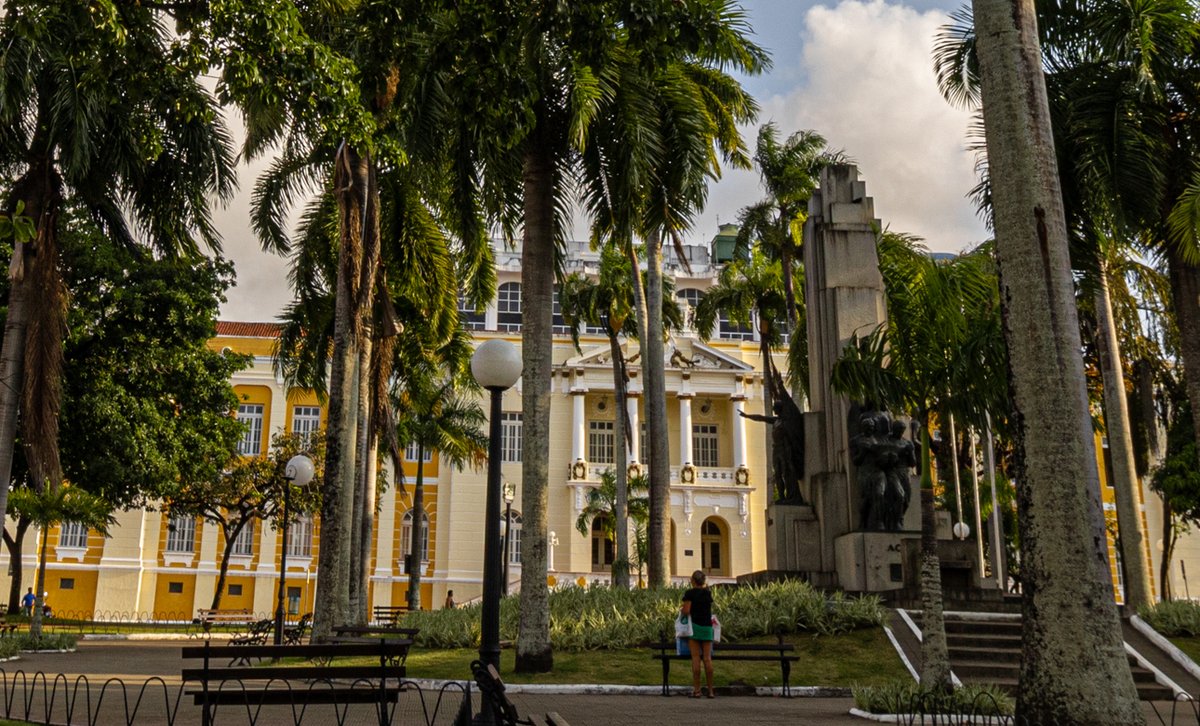
- Praça João Pessoa Main square with colonial architecture.
- Church of Nossa Senhora do Carmo & Monastery of São Bento Other significant religious sites.
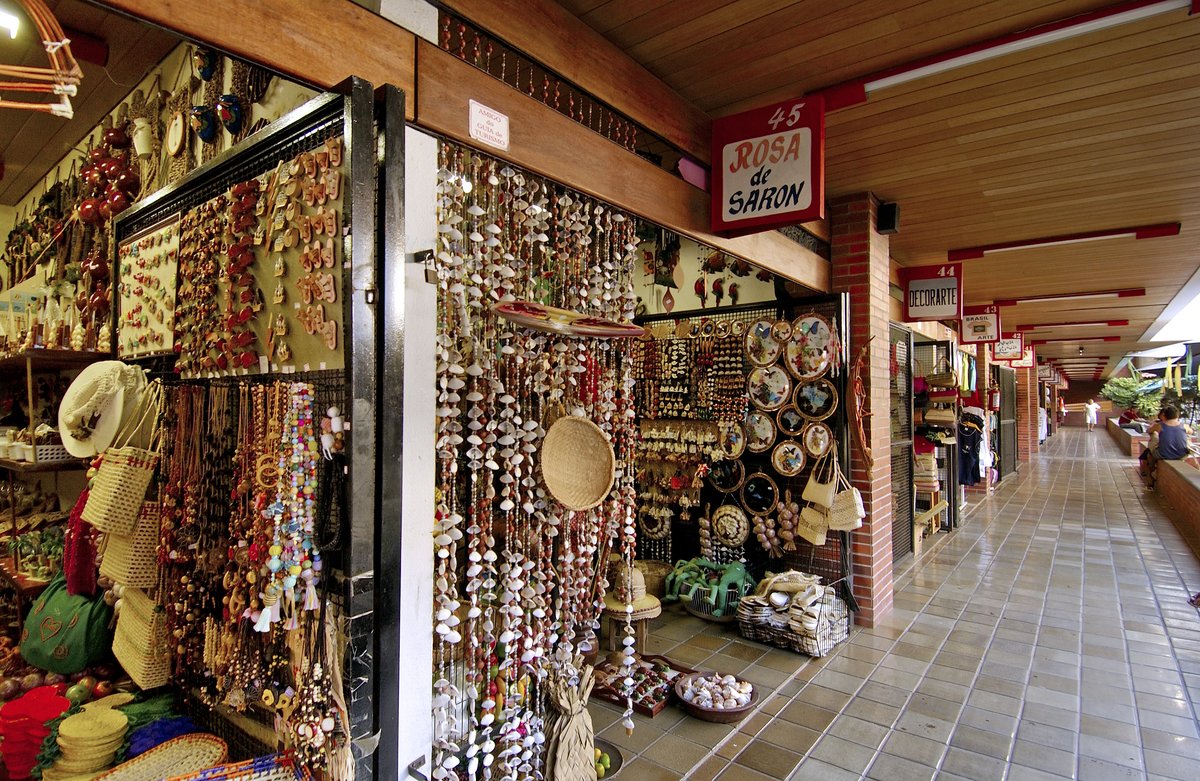
- MAP - Craft Market Paraibano Local crafts, souvenirs, and delicacies.
- Cafés and Restaurants Abundant in the surrounding area.
7. Frequently Asked Questions (FAQ)
Q: What are the cathedral’s visiting hours?
A: Generally, Monday to Saturday from 7:00 AM to 6:00 PM; Sunday from 7:00 AM to 7:00 PM. Special schedules may apply during major religious events.
Q: Is there an entrance fee?
A: No, the cathedral is free to enter; donations are appreciated.
Q: Are guided tours available?
A: Yes, contact the cathedral or local tourism offices to arrange a tour.
Q: Is the cathedral accessible to people with disabilities?
A: Ramps and accessible facilities are available; some historic areas have limited access.
Q: Can I take photos inside?
A: Photography is allowed, but please be discreet and avoid flash during services.
Q: Are there nearby attractions?
A: Yes, including the Centro Cultural São Francisco, artisan markets, and other historic churches.