Origins and Construction
Teatro São José emerged as a result of the philanthropic initiative led by local workers and Father Guilherme Wassen, aiming to provide leisure and cultural opportunities for Fortaleza's less privileged residents. With funding raised through community events and performances, the theater was inaugurated in 1915, its name paying homage to the São José Spinning and Weaving Company (Prefeitura de Fortaleza).
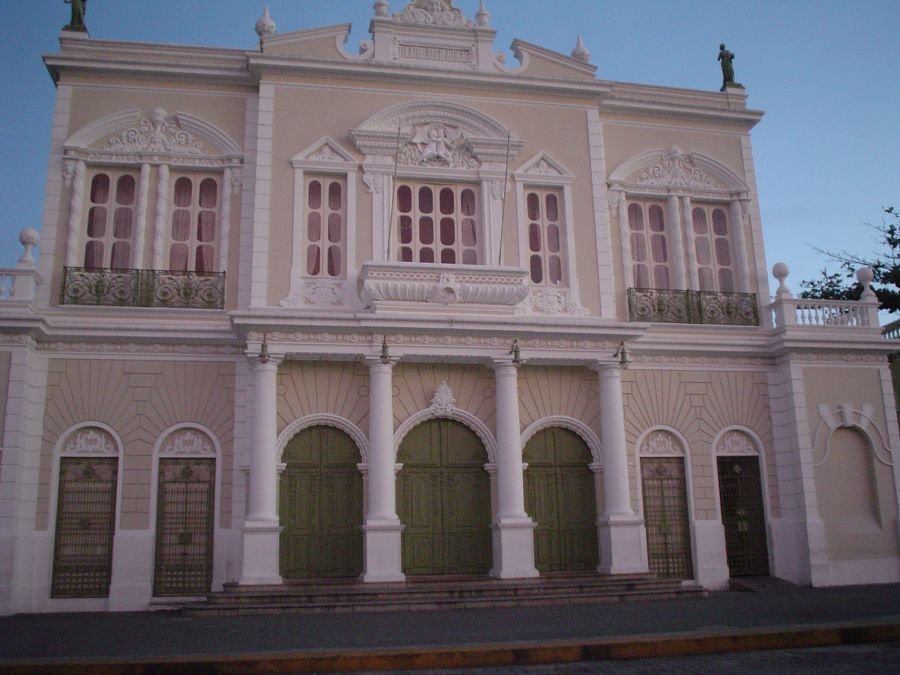
The building is a prime example of eclectic architecture, blending neoclassical and art nouveau elements. It features an ornate façade with arched windows and a prominent pediment. Inside, the horseshoe-shaped auditorium—originally seating about 400—was designed for inclusivity, welcoming both workers and the city’s elite.
Role in Fortaleza’s Cultural Evolution
From its earliest years, Teatro São José served as a cultural crossroads. It introduced European dramatic works and operettas to local audiences, while also providing a stage for emerging Brazilian playwrights and musicians. The theater adapted to changing tastes over the decades, incorporating cinema screenings, music shows, and avant-garde performances. It has hosted renowned national artists and international troupes, solidifying its reputation as a cornerstone of Ceará’s performing arts scene (Secult Ceará).
Preservation and Restoration
By the late 20th century, the theater faced challenges from urban expansion and structural deterioration. Recognized for its historical value, it was declared a protected heritage site in 1988. The most significant restoration occurred between 2016 and 2018, strengthening the structure, restoring decorative elements, modernizing technical systems, and improving accessibility. The project, with investments exceeding R$6 million, culminated in a grand reopening in 2018 (G1 Globo).
Visitor Information: Hours, Tickets, and Accessibility
- Hours Tuesday to Sunday, 2:00 PM to 9:00 PM (may vary for special events; confirm on the official website).
- Tickets Prices typically range from R$10–R$40, with discounts for students, seniors, and local residents. Purchase at the box office or online (Secult Ceará).
- Accessibility Ramps, accessible restrooms, and designated seating are available.
- Guided Tours Offered on weekends and public holidays; check schedule in advance.
Facilities and Amenities
After the 2018 restoration, Teatro São José now covers 1,446 m², with a seating capacity for 346 visitors in comfortable, retractable wooden chairs upholstered in burgundy. Modern amenities include:
- Cafeteria For snacks and refreshments.
- Multi-use Rooms For workshops and rehearsals.
- External Patio Open-air space for socializing.
- Modern Stage & Technical Equipment Updated lighting, sound, and stage floor.
- Accessible Restrooms, Cloakroom, and Ticket Office For visitor convenience.
(Mauc/UFC)
Programming and Events
Teatro São José offers a diverse program, including:
- Theatrical performances
- Dance festivals (e.g., Bienal Internacional de Dança do Ceará)
- Music festivals (e.g., Festival da Música de Fortaleza)
- Workshops and seminars
- Community and educational events
Programming is regularly updated on the official website.
Cultural and Historical Context
The theater was born from grassroots efforts to make arts accessible to all. Its eclectic architecture is now part of a designated heritage district, and preservation efforts have ensured its survival as a symbol of community pride and social inclusion (Wikipedia).
Museu do Maracatu
Housed within the theater, the Museu do Maracatu celebrates Afro-Brazilian tradition through costumes, instruments, and artifacts. Visitors can participate in guided tours, workshops, and demonstrations, especially during Carnival (Wikipedia).
Travel Tips and Nearby Attractions
- Getting There Centrally located at Rua Rufino de Alencar, 299, in Praça Cristo Redentor. Easily accessible by public transport, taxi, or ride-share.
- Nearby Sites Mercado Central (local crafts/foods), Catedral Metropolitana, Avenida Beira Mar (waterfront promenade), Dragão do Mar Center of Art and Culture, and Ceará Museum (BrazilExplained).
- Dining On-site cafeteria and many nearby options for regional cuisine.
- Safety Fortaleza is a large urban center—stay vigilant, use taxis at night, and avoid displaying valuables (BrazilExplained).
- Language Most staff speak Portuguese; using a translation app is helpful.
- Clothing No strict dress code; smart-casual recommended.
Community Engagement and Social Impact
Teatro São José is deeply involved in community initiatives, collaborating with schools, senior centers, and local organizations to promote cultural education and inclusion. It fosters opportunities for emerging artists and serves as a hub for social movements and civic celebrations (Fortaleza em Fotos).
Frequently Asked Questions (FAQ)
Q: What are the visiting hours?
A: Tuesday to Sunday, 2:00 PM to 9:00 PM (confirm on the official website).
Q: How do I buy tickets?
A: At the theater box office or online through the Secult Ceará website.
Q: Is the theater accessible?
A: Yes, with ramps, accessible restrooms, and designated seating.
Q: Are guided tours available?
A: On weekends and holidays; check the schedule in advance.
Q: What attractions are nearby?
A: Dragão do Mar Center, Ceará Museum, Mercado Central, Avenida Beira Mar, and Catedral Metropolitana.
Discover More
Teatro São José is a beacon of Fortaleza’s cultural and historical identity. Its blend of architectural elegance, artistic programming, and social commitment offers visitors a unique and enriching experience. Whether enjoying a performance, exploring the Museu do Maracatu, or appreciating its heritage, the theater is a gateway to Fortaleza’s creative soul.
Plan your visit by checking Secult Ceará’s website for the latest schedules and ticketing details. Download the Audiala app for updates on performances and cultural events, and follow Teatro São José’s social media channels to stay connected to Fortaleza’s dynamic arts scene.