

History and Foundation
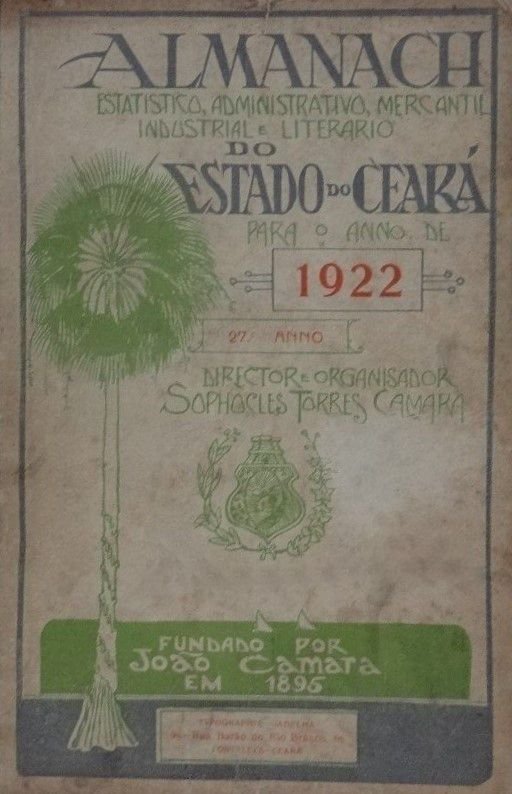
The Instituto do Ceará, officially Instituto do Ceará – Histórico, Geográfico e Antropológico, is among the oldest academic societies in Brazil. Established in 1887 by leading intellectuals and public figures, its mission was to document and analyze the diverse and evolving history, geography, and anthropology of Ceará. Over the decades, it has become a key institution in shaping the historical narrative of the state and the broader Northeast (Wikipedia: Instituto do Ceará).
Throughout the 20th century, the institute chronicled Ceará’s transformation from a predominantly rural province into a modern, urban region. It curated and safeguarded rare manuscripts, maps, photographs, and personal papers documenting events such as indigenous struggles, the abolition of slavery, and the region’s political movements (History of Ceará).
The Institute’s Role in Regional Identity
The Instituto do Ceará plays a crucial role in the collective memory and identity of Ceará. Its collections highlight formative events, including the abolition of slavery in 1884—the first Brazilian province to do so—cangaço banditry, messianic movements, and the contributions of indigenous and African-descendant communities. Its research and exhibitions foster a deeper understanding of Ceará’s multicultural heritage (History of Ceará).
Architectural and Cultural Heritage
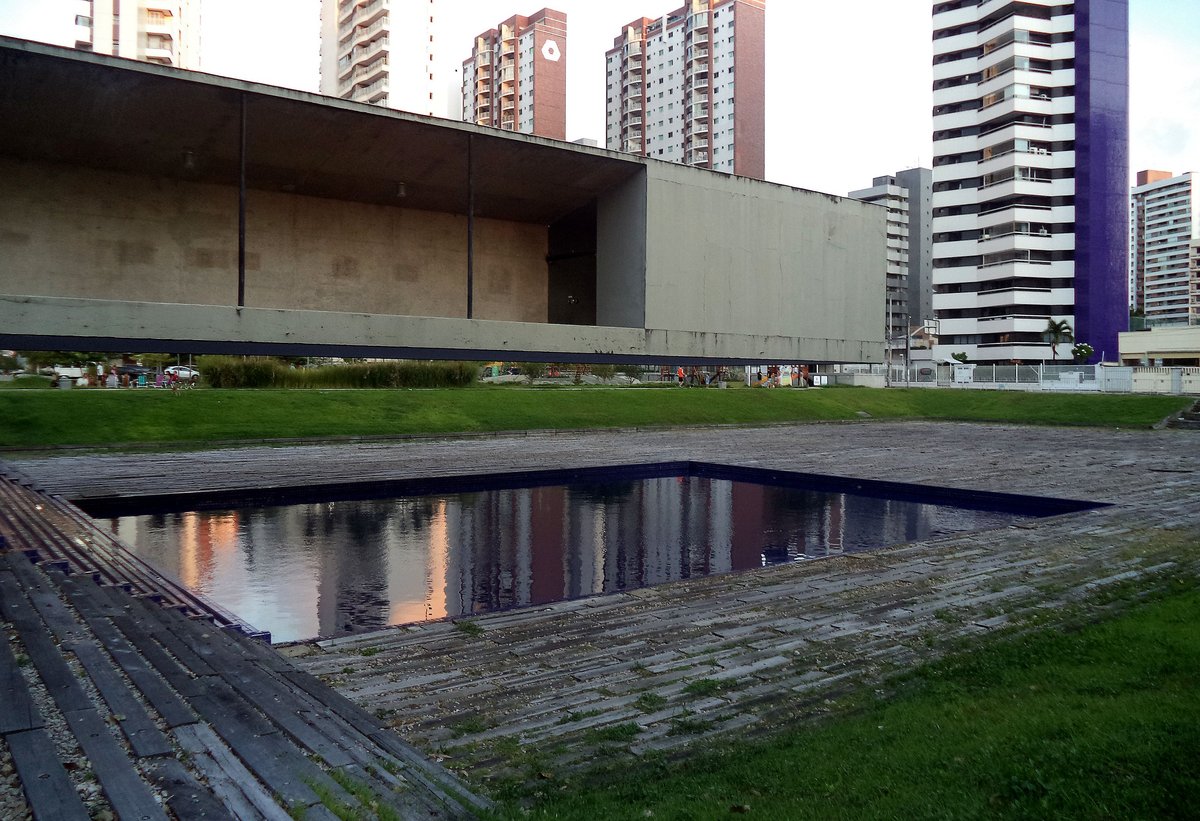
Situated in a striking neoclassical building in Fortaleza’s city center, the institute offers an authentic atmosphere for exploring Ceará’s past. Its proximity to other historical sites, such as the Museu do Ceará and the Central Market, makes it an essential stop for those exploring the city’s cultural landscape (Instituto do Ceará Official Website; Facts.net: Fortaleza).
Visiting the Instituto do Ceará: Hours, Tickets, and Accessibility
Visiting Hours
- Monday to Friday 8:00 AM to 5:00 PM
- Closed on weekends and public holidays
For special exhibitions and up-to-date schedules, always refer to the official website.
Tickets and Admission
- Admission Generally free
- Special Exhibitions/Tours May require a nominal fee or advance registration
Contact the institute or check their website for details regarding tickets and group visits.
Location and Accessibility
- Address Rua Barão do Rio Branco, 1594, Centro, Fortaleza, CE, 60025-061
- Access Easily reached by public transport, taxi, or ride-hailing apps. Limited street parking is available; use public or app-based transport during peak hours (Travel Passionate).
- Accessibility The historic building has some limitations for those with mobility impairments. There are steps at the main entrance and partial adaptation for wheelchairs. Visitors needing assistance should contact the institute in advance.
Contributions to Education and Research
The Instituto do Ceará supports historians, geographers, and anthropologists with its specialized library and archives. Its publications—spanning monographs, journals, and conference proceedings—are foundational texts for researchers studying the region (Academia.edu).
The institute also fosters academic collaboration and public engagement through lectures, school programs, and community events.
Guided Tours, Events, and Educational Programs
- Guided Tours Available for individuals and groups, often led by staff or historians. Advance booking is recommended, especially for non-Portuguese speakers.
- Events Hosts cultural festivals, book launches, and temporary exhibitions.
- Workshops Offers educational activities for students and teachers, promoting historical awareness and critical thinking.
Check the official website or social media for the latest schedule.
Exhibitions and Collections
- Permanent Exhibits Manuscripts, historical maps, photographs, and artifacts from the colonial era to the present.
- Temporary Exhibits Themed displays (e.g., indigenous cultures, abolition of slavery, urban development).
- Library Over 30,000 volumes, including rare books and personal archives.
Nearby Historical Sites in Fortaleza
Enhance your cultural itinerary by visiting these nearby attractions:
- Metropolitan Cathedral of Fortaleza Neo-Gothic landmark (Travel Passionate)
- Museu do Ceará Complementary exhibits on state history
- Central Market Local crafts and souvenirs
- Theatro José de Alencar Historic theater with unique architecture
- Praia de Iracema Beachfront area with dining and nightlife
Visitor Tips and Frequently Asked Questions
Tips for a Great Visit
- Best Time Weekday mornings for a quieter experience
- Dress Code Modest and comfortable attire; some rooms may not be air-conditioned
- Language Most exhibits are in Portuguese; translation apps or bilingual guides are helpful
- Photography Allowed in public areas without flash; always ask staff before photographing exhibits
- Safety The area is safe during the day, but standard urban precautions apply
Frequently Asked Questions (FAQ)
Q: What are the Instituto do Ceará visiting hours?
A: Monday to Friday, 8:00 AM–5:00 PM. Closed weekends and holidays.
Q: Is there an entrance fee?
A: General admission is free; some special exhibitions or tours may require a small fee.
Q: Are guided tours available in English?
A: Primarily offered in Portuguese, but English- or Spanish-speaking guides may be arranged with advance notice.
Q: Is the building accessible?
A: There are accessibility limitations; contact the institute ahead for assistance.
Q: Can I take photographs?
A: Generally allowed in public areas, but always confirm with staff.