Plan and listen to Fortress Of Santo Antônio De Ratones with Audiala.
Audio guide in your pocket, itinerary in your browser. Built for the way you actually visit.
Introduction
Perched on Ratones Grande Island in the northern bay of Florianópolis, the Fortress of Santo Antônio de Ratones is a landmark of Portuguese colonial military architecture and a living testament to Brazil’s rich historical legacy. Built starting in 1740 under military engineer José da Silva Paes, this 18th-century fortress played a pivotal role in defending Santa Catarina Island and the southern Brazilian coast from foreign naval threats, particularly from Spain. As part of a strategic defensive triangle with the Fortresses of Santa Cruz de Anhatomirim and São José da Ponta Grossa, it safeguarded the Bay of Santa Catarina—a vital maritime gateway (Fortalezas.org; fortalezas.ufsc.br).
Today, the fortress stands as a remarkably preserved example of colonial military engineering. Managed by IPHAN and the Federal University of Santa Catarina (UFSC), it offers visitors the chance to explore its robust granite walls, bastions, chapel, powder magazine, and water cistern, all set against a backdrop of panoramic bay views and lush Atlantic Forest. Accessible only by boat, the fortress invites history enthusiasts, architecture buffs, and cultural travelers to experience Brazil’s colonial past through guided tours, ongoing restoration, and vibrant community engagement (IPHAN; visitefloripa).
This guide offers detailed information on visiting hours, ticketing, transportation, accessibility, nearby attractions, conservation efforts, and insider tips, ensuring an enriching and seamless visit to one of Florianópolis’s most iconic sites.
- Introduction
- Historical Background and Architectural Features
- Visitor Information: Hours, Tickets, and Accessibility
- Restoration, Conservation, and Research
- Cultural and Historical Significance
- Visitor Experience: Architectural Highlights and Photographic Spots
- Practical Visitor Information
- Environmental and Ecological Value
- Sustainable Tourism and Community Impact
- Frequently Asked Questions (FAQ)
- Visual Media and Interactive Resources
- Conclusion and Call to Action
- References



1. Historical Background and Architectural Features
Colonial Context and Strategic Importance
The fortress was conceived as part of a network of fortifications built by the Portuguese in the 18th century to defend Santa Catarina Island and the southern Brazilian coast from rival European powers, notably Spain (Fortalezas.org). Its strategic position on Ratones Grande Island, along with the São José da Ponta Grossa and Santa Cruz de Anhatomirim Fortresses, formed a crossfire zone to control access to the island.
Construction Timeline and Historical Evolution
Construction began in 1740, with the main defenses operational by 1744. The site leveraged the island’s natural slopes and mangroves for added protection. While it never saw major combat, the fortress was a symbol of Portuguese sovereignty. After Brazil’s independence in 1822, it was gradually decommissioned and later restored in the late 20th century (IPHAN).
Architectural Features and Layout
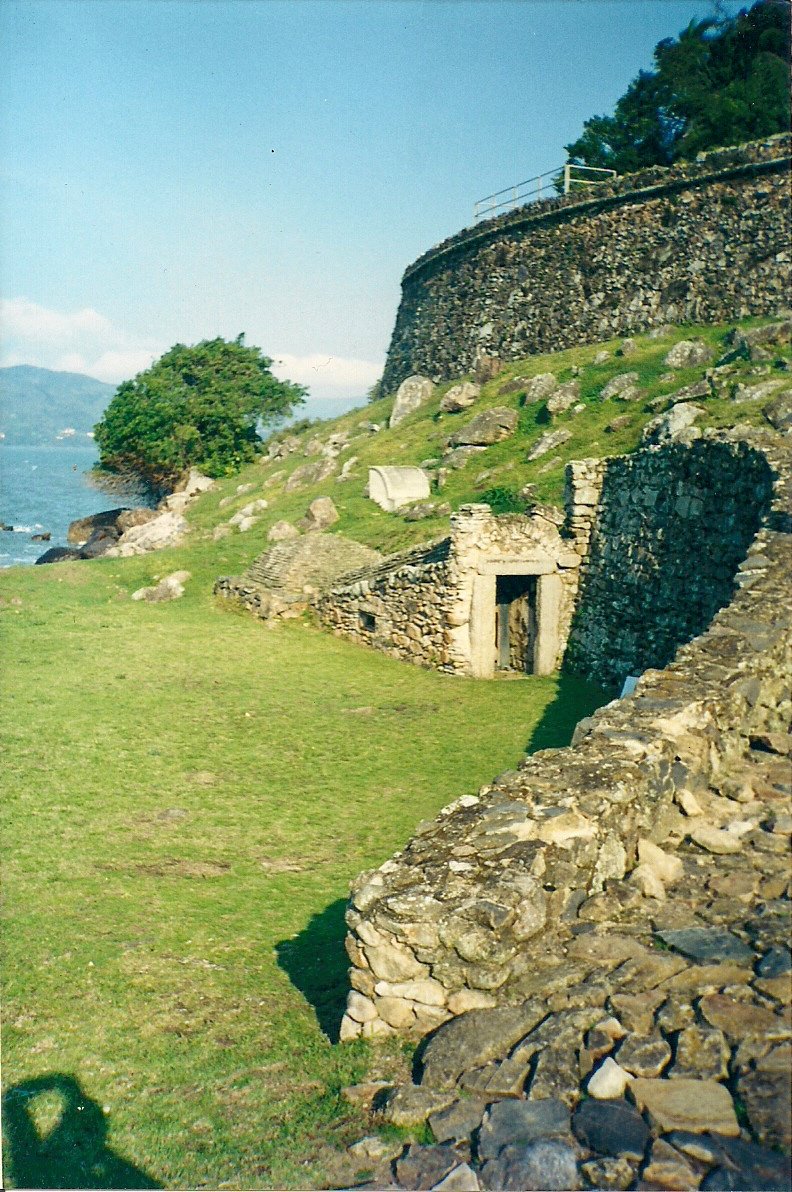
- Plan and Design: The fortress has an irregular polygonal layout, adapted to the island’s terrain and embodying Vauban-style fortification principles. Granite masonry walls, 1.5–2 meters thick, are topped with parapets and embrasures for artillery placement.
- Key Structures: Notable elements include the Main Gate (with the Portuguese royal coat of arms), barracks for up to 100 soldiers, a Baroque-style chapel, a vaulted powder magazine, and a cistern system for rainwater collection (Fortalezas.org).
- Materials: Local granite and lime mortar provide structural strength, with native hardwoods and restored clay tile roofs reflecting colonial techniques.
2. Visitor Information: Hours, Tickets, and Accessibility
Visiting Hours and Tickets
- Hours: Open Tuesday through Sunday, 9:00 AM to 5:00 PM. Closed Mondays and public holidays.
- Admission: Entrance is generally free, but guided tours may require a small fee. Tickets for tours can be purchased on-site or online via IPHAN.
- Boat Transfer: Access is exclusively by boat, with departures from Florianópolis marina, Canasvieiras, Sambaqui, and Trapiche de Ratones. Advance booking is recommended, especially in peak season (visitefloripa; tourb.com.br).
Accessibility
The fortress terrain includes uneven stone paths and steps. While some improvements have been made, wheelchair access remains limited. Contact the site in advance for accessibility support.
Guided Tours and Events
Guided tours (primarily in Portuguese, sometimes in English or Spanish) offer in-depth historical and architectural insights. The fortress also hosts cultural events, exhibitions, reenactments, and educational programs year-round.
Travel Tips
- Wear sturdy shoes for uneven surfaces.
- Bring sun protection and water.
- Check weather conditions, as boat access may be affected by rough seas.
- Plan weekday visits for fewer crowds.
Nearby Attractions
Complement your visit with trips to the Fortresses of Santa Cruz de Anhatomirim and São José da Ponta Grossa, or explore Florianópolis’s historic center and local artisan markets.
3. Restoration, Conservation, and Research
Major restoration projects led by IPHAN and UFSC since the 1980s have preserved the fortress’s integrity and improved public access (IPHAN). Archaeological research continues to reveal details of daily garrison life and construction phases, informing ongoing conservation.
4. Cultural and Historical Significance
The fortress is more than a military monument—it is a symbol of colonial resistance and adaptation, reflecting the cultural traditions and religious heritage of the Portuguese era (ipatrimônio; Carol Pereira Blog). Legends of hidden treasures and ghostly apparitions add to its allure, and today it serves as a venue for cultural events and educational initiatives.
5. Visitor Experience: Architectural Highlights and Photographic Spots
Explore the ramparts, bastions, chapel, powder magazine, and cistern. Don’t miss the panoramic views from the central tower, which provide excellent photo opportunities of Baía Norte and the surrounding islands. Informational panels and guides enhance your understanding of the site (Fortalezas.org).
6. Practical Visitor Information
How to Get There
- By Boat: Departures from Florianópolis marina, Canasvieiras, Sambaqui, or Trapiche de Ratones. Check schedules and book in advance (tourb.com.br).
- By Car & Boat: Drive to Trapiche de Ratones, then take a short boat ride to the island.
On-Site Experience
- Guided and Self-Guided Tours: Choose a guided tour for deeper insight, or explore independently using multilingual informational panels.
- Museum: View displays of weaponry, uniforms, and historical documents.
- Dining: The on-site restaurant serves regional seafood dishes, with indoor/outdoor seating and bay views.
- Amenities: Restrooms are available, but amenities are limited—come prepared.
Best Time to Visit
The dry season (April–September) offers better weather and calmer seas. Weekdays are typically less crowded.
Safety and Regulations
- Supervise children due to uneven terrain.
- Respect preservation guidelines—do not climb unauthorized areas.
- Dispose of litter properly to protect the environment.
7. Environmental and Ecological Value
The fortress is set within the Atlantic Forest, home to diverse native flora and fauna. Conservation efforts ensure that both the cultural and natural heritage of Ratones Grande Island are preserved. An ecological trail (check status before your visit) introduces visitors to the island’s biodiversity (fortalezas.ufsc.br).
8. Sustainable Tourism and Community Impact
Tourism at the fortress is managed in partnership with local communities, supporting jobs and sustainable economic development (Cambirela). Visitor numbers are controlled to protect sensitive habitats, and educational programming fosters environmental awareness (floripa-trips).
9. Frequently Asked Questions (FAQ)
Q: What are the visiting hours of the Fortress of Santo Antônio de Ratones?
A: Tuesday–Sunday, 9:00 AM–5:00 PM; closed Mondays and public holidays.
Q: How do I buy tickets?
A: Tickets for guided tours can be purchased on-site or through official boat operators.
Q: Is the fortress accessible for people with disabilities?
A: Accessibility is limited due to historic terrain; contact the site for assistance.
Q: Are guided tours available in English?
A: Tours are mainly in Portuguese, with some English or Spanish tours available upon request.
Q: How do I get there?
A: Access is exclusively by boat from Florianópolis marina or nearby piers. Advance booking is advised.
Q: Is there a restaurant at the fortress?
A: Yes, offering fresh regional seafood and local specialties.
Q: Can I take photos?
A: Yes, photography is encouraged except during certain exhibitions.
Discover More
The Fortress of Santo Antônio de Ratones stands as a remarkable blend of historical intrigue, architectural beauty, and environmental value. Its continuing restoration and active cultural programming make it a vibrant part of Florianópolis’s heritage. Plan your visit by confirming hours, booking your boat transfer, and considering a guided tour for the richest experience. For updates, event schedules, and detailed guides, visit the official tourism websites and stay connected via the Audiala app and our social media channels.
Download the Audiala app for audio-guided tours and insider tips, and follow us for the latest news on cultural events, travel updates, and special programs at the fortress and other Florianópolis historical sites.
Listen to the full story in the app
The whole Fortress Of Santo Antônio De Ratones,
told well.
Audio guides for 1,100+ cities across 96 countries. History, stories, and local insight — offline ready.
Verified, and shown.
Researched and written by the Audiala editorial team from historical records, architectural archives, and local expertise.
Researched from Wikidata, Wikipedia & official sources · fact-checked · How we make our guides →