Plan and listen to Fortress Of Santa Cruz De Anhatomirim with Audiala.
Audio guide in your pocket, itinerary in your browser. Built for the way you actually visit.
Introduction
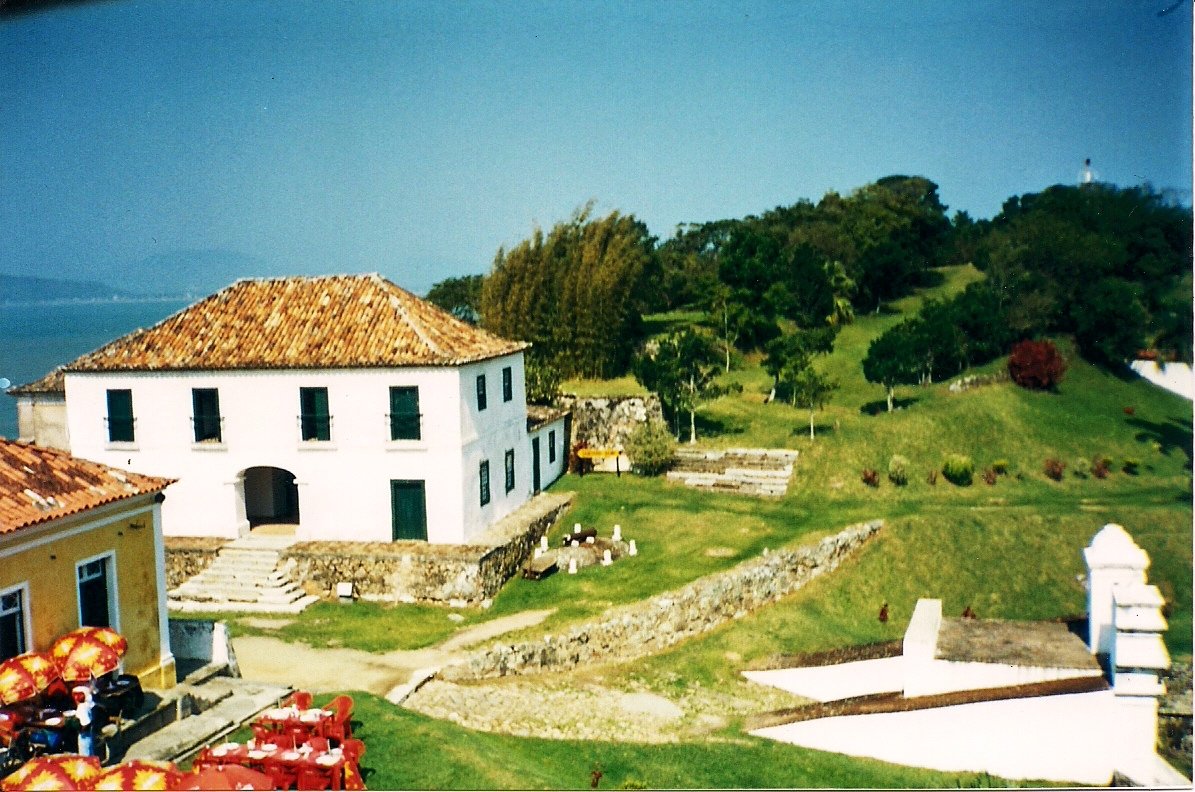
The Fortress of Santa Cruz de Anhatomirim is one of the most iconic historical sites near Florianópolis, Brazil. Located on Anhatomirim Island at the entrance to the North Bay of Santa Catarina, this 18th-century fortress offers a unique window into Brazil’s colonial and military history. Built beginning in 1739 under the direction of Portuguese military engineer José da Silva Paes, the fortress played a crucial role in defending Portuguese interests against Spanish incursions and in safeguarding maritime routes (fortalezas.ufsc.br; castlepedia.org).
Today, the site is a well-preserved cultural and educational destination managed by the Federal University of Santa Catarina (UFSC), welcoming approximately 200,000 visitors annually. It forms a strategic part of the historic defensive triangle together with the fortresses of São José da Ponta Grossa and Santo Antônio de Ratones, serving as a testament to Brazil’s colonial heritage (fortalezas.ufsc.br; visitefloripa.com.br).
This comprehensive guide details the fortress's history, architectural features, cultural importance, visiting hours, ticketing, how to get there, accessibility, nearby attractions, and practical travel tips.


Origins and Construction
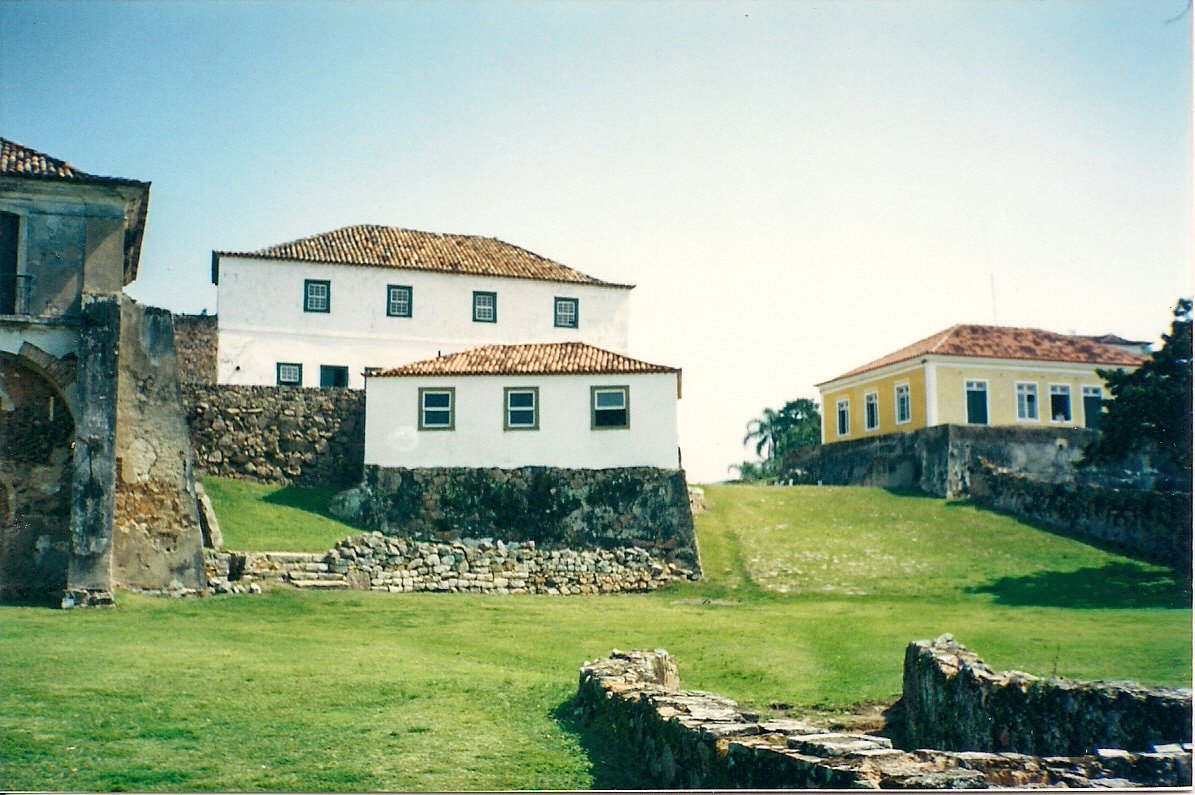
Constructed beginning in 1739, the Fortress of Santa Cruz de Anhatomirim was a strategic initiative by the Portuguese Crown to protect the southern colonial territories from Spanish threats. José da Silva Paes, a prominent Portuguese engineer and the first governor of Santa Catarina, designed the site as the largest and most significant of nearly 30 fortifications in the region (fortalezas.ufsc.br).
Architectural Features
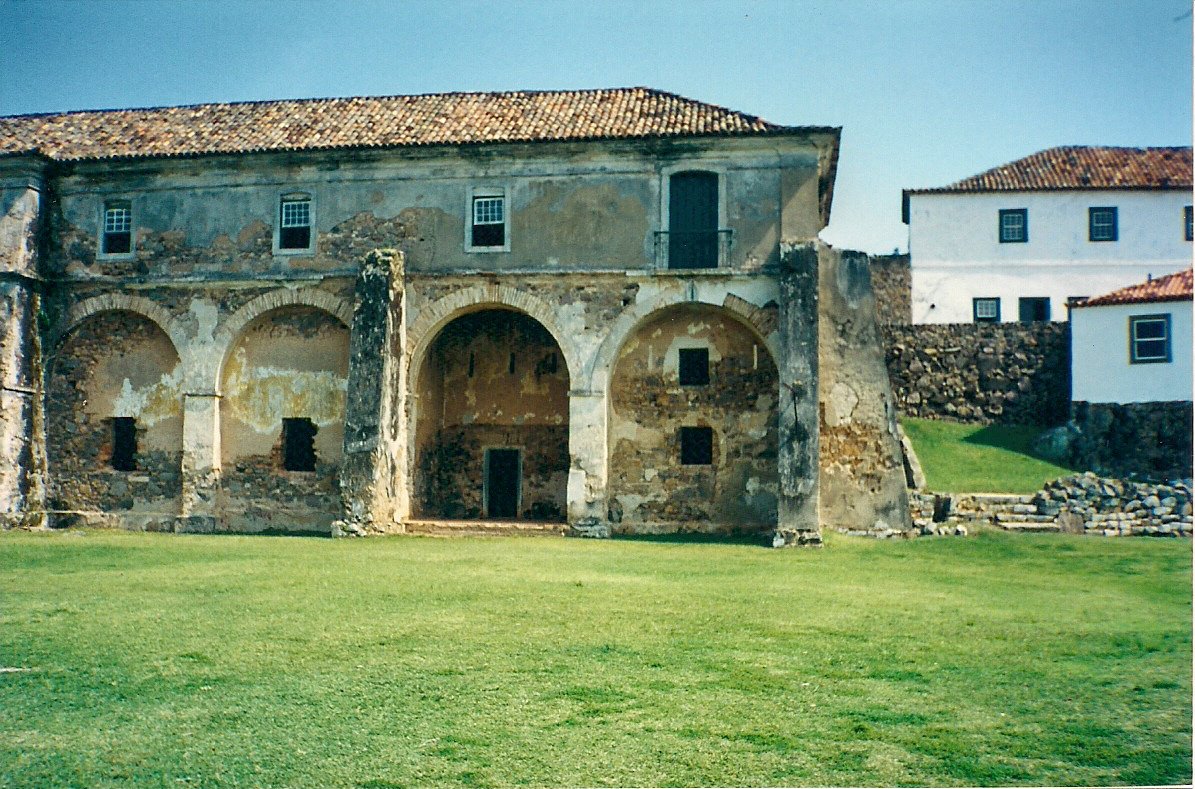
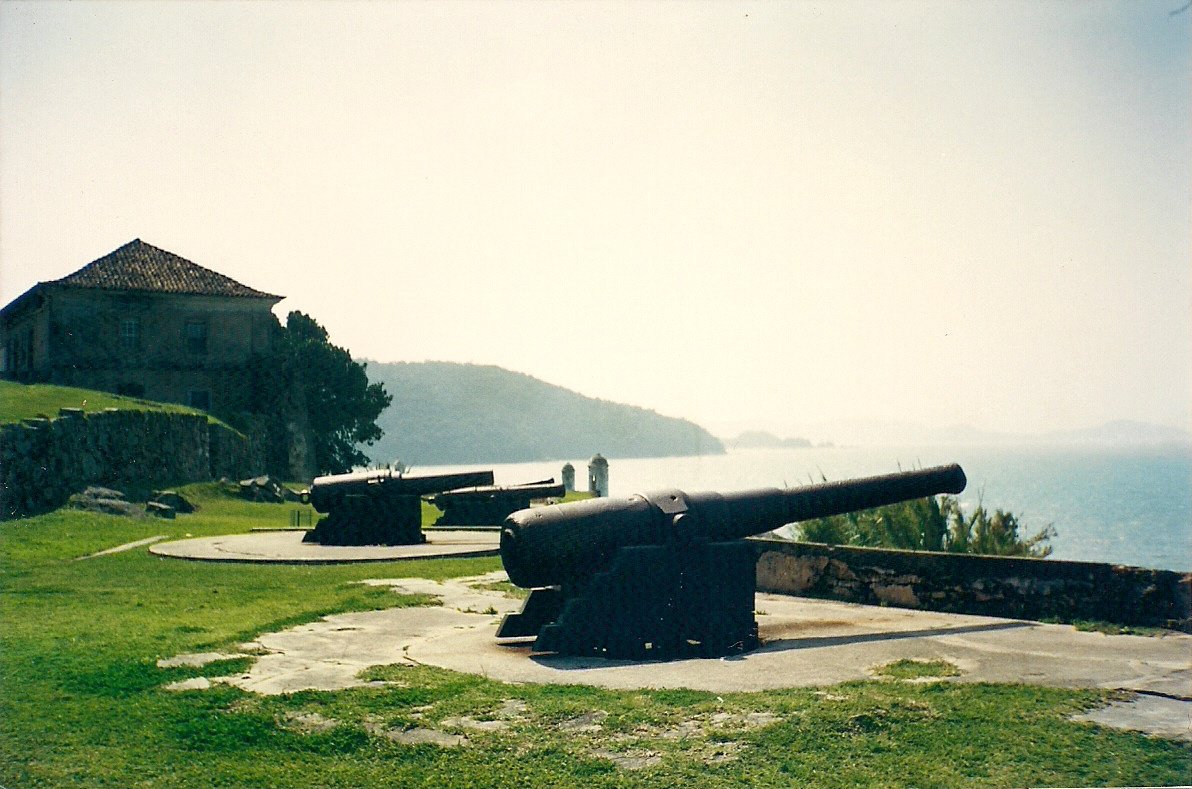
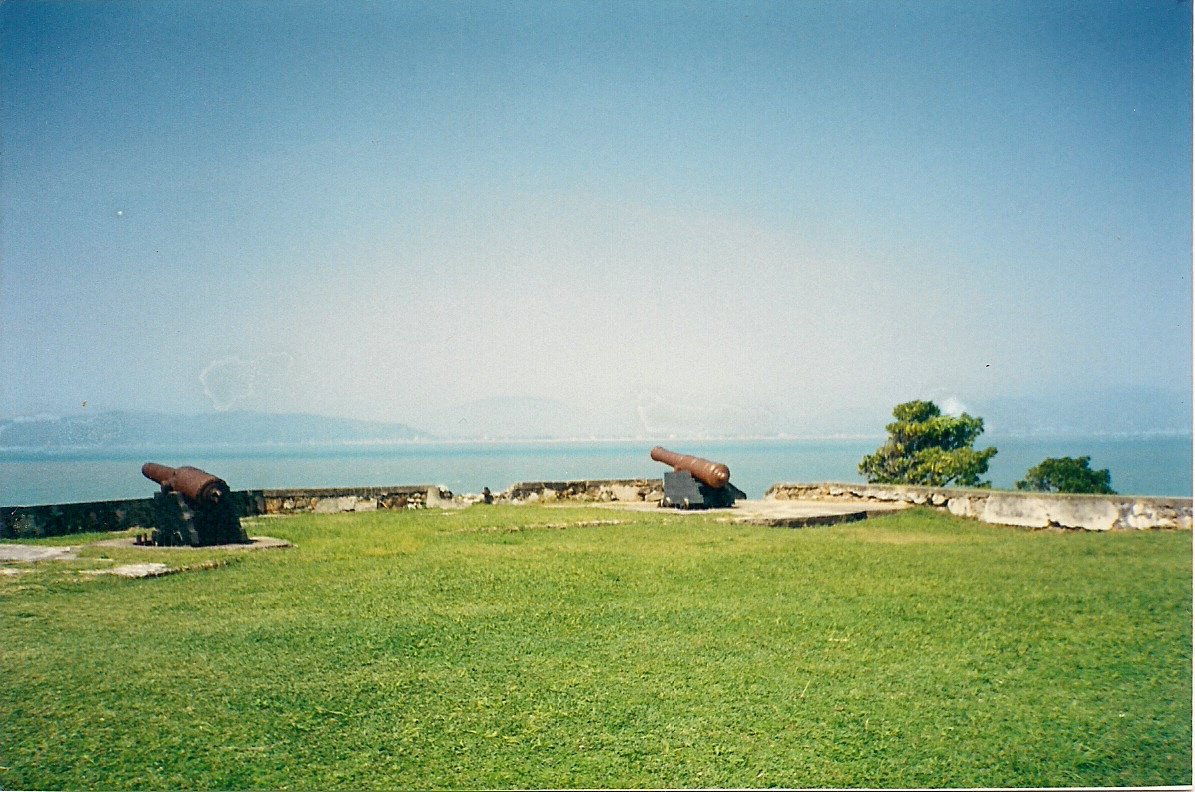
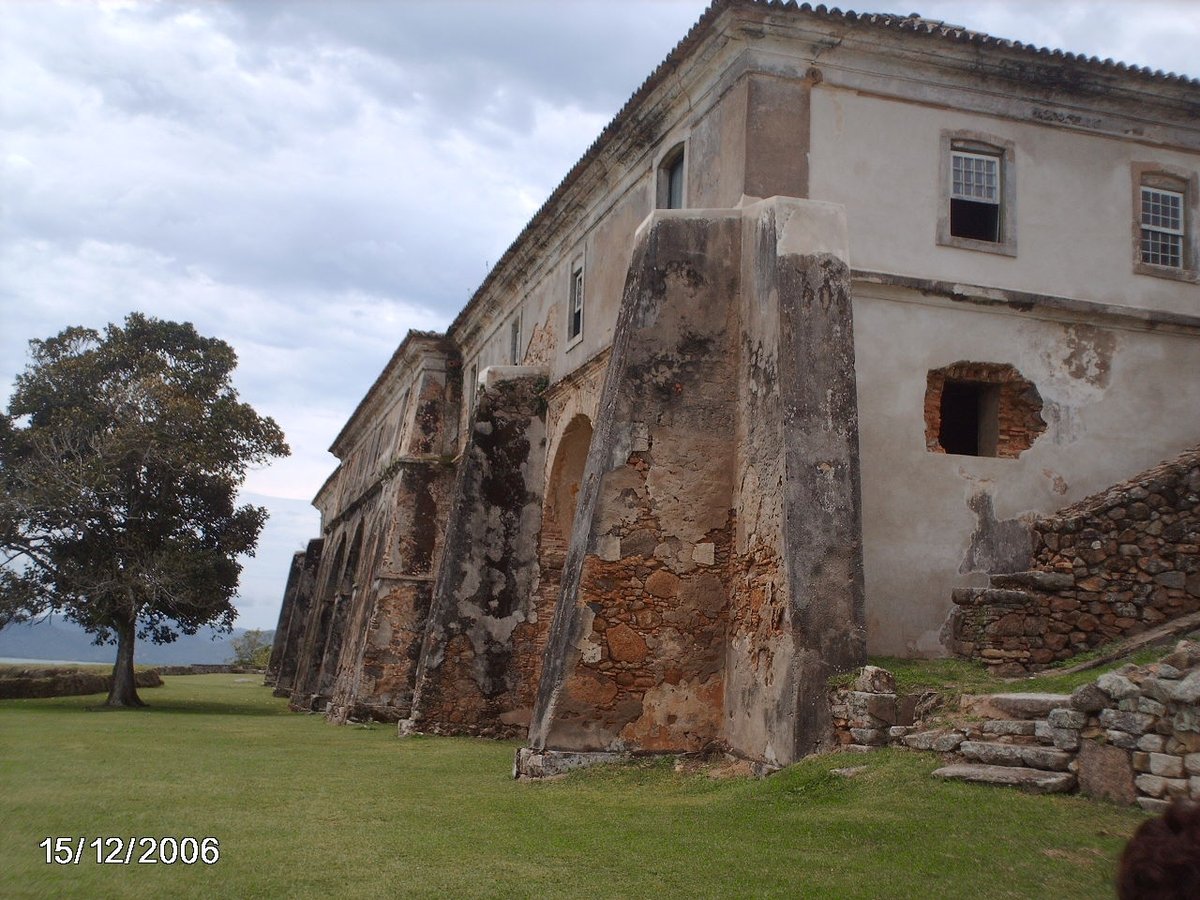
The fortress reflects a blend of Renaissance, colonial, and European military architectural styles, adapted to the local landscape. It features star-shaped bastions, thick stone curtain walls, artillery batteries, barracks, and subterranean storage areas. The design harmonizes with the island’s natural topography, providing panoramic views of Baía Norte and reinforcing its defensive function (whc.unesco.org; fortalezas.ufsc.br).
Key elements include:
- Curtain Walls and Bastions: Engineered to withstand artillery.
- Barracks: Built from local stone, with functional interiors.
- Artillery Emplacements: Strategically placed to cover all bay approaches.
- Storage and Dungeons: Vaulted subterranean spaces.
Cultural and Historical Significance
As the main stronghold in the North Bay Defensive Triangle, Anhatomirim Fortress was instrumental in deterring enemy incursions and protecting maritime access to southern Brazil. Over the centuries, it also served as a prison and administrative center before transitioning into a heritage site (whc.unesco.org).
Today, the fortress is recognized as a symbol of colonial resilience and is included in Brazil’s tentative UNESCO World Heritage list (whc.unesco.org). Restoration efforts led by UFSC ensure the site’s preservation as a cultural, educational, and tourist destination.
Visiting the Fortress: Hours, Tickets, and Access
Visiting Hours
- Standard Operating Hours: Tuesday through Sunday, from 9:00 AM to 5:00 PM.
- Closed: Mondays and certain holidays for maintenance (fortalezas.ufsc.br; visitefloripa.com.br).
Tickets
- Entry Fee: Generally R$16–R$20 per adult, with discounted rates for students, seniors, and children. Free entry for children under 6.
- Purchase: Tickets can be bought on-site or online through the official UFSC Fortalezas website or authorized tour operators. Payment is typically in cash at the site (Visite Floripa).
- Combined Tickets: Some boat tours include fortress entry in their package.
Access
- By Boat Only: The fortress is accessible exclusively by boat, with regular departures from Florianópolis, Canasvieiras, Sambaqui, and Governador Celso Ramos (Guia Floripa; Escuna Martin).
- Boat Tours: Organized tours often include stops at other nearby fortresses and dolphin watching in Baía dos Golfinhos. Duration ranges from 5 to 6 hours, including travel and guided visits (Destino Florianópolis).
- Tour Cost: Boat tours generally cost R$45–R$200 per person, depending on the operator and itinerary.
Accessibility
- The fortress features uneven terrain, stairs, and cobblestone paths, which may challenge visitors with mobility issues. It is advisable for those requiring assistance to check with tour operators in advance.
On-Site Experience
Guided Tours
- Languages: Most tours are in Portuguese, but some operators offer English or Spanish upon request.
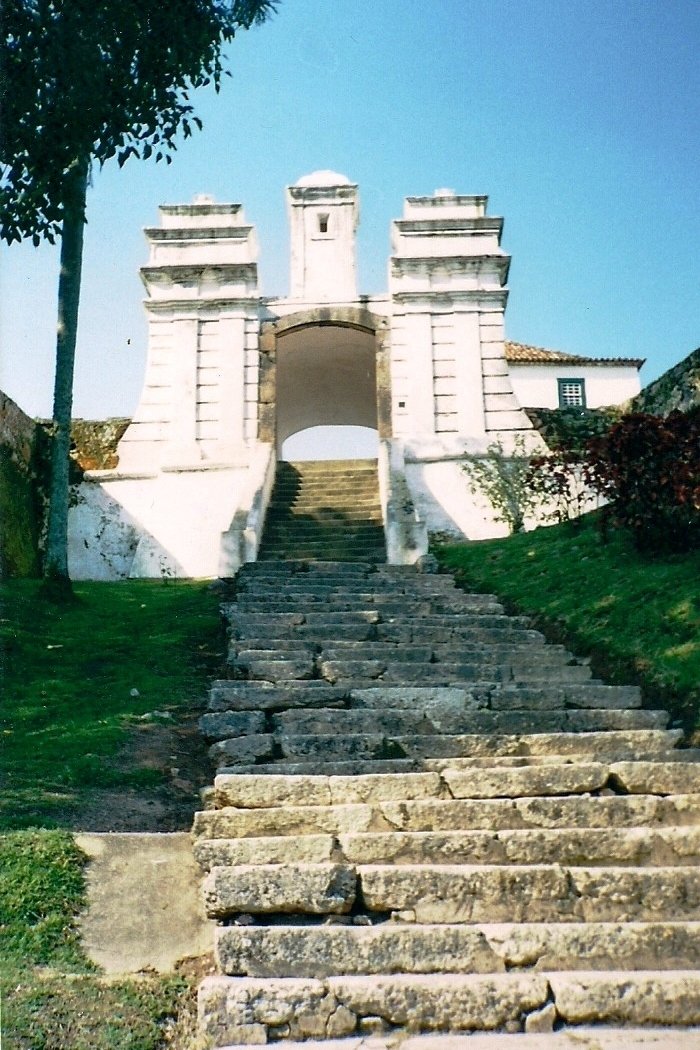
- Content: Tours cover the fortress’s history, architecture, and cultural relevance, with stops at the main gate, barracks, artillery batteries, and historic exhibits (castlepedia.org).
What to See
- Renaissance-inspired defense architecture
- Panoramic views of the Atlantic coast
- Historical exhibitions on military life, the fortress’s role in regional conflicts, and its use as a sanatorium and prison
- Lush island vegetation and opportunities to spot dolphins
Facilities
- Restrooms are available on-site.
- Some tours include lunch stops at nearby beaches; otherwise, bring snacks and water.
Practical Visitor Tips
- Bring: Cash for entrance, sun protection, comfortable shoes, water, and snacks.
- Best Visiting Time: June offers mild, sunny weather and fewer crowds (Brazil City Guides).
- Booking: Reserve boat tours in advance, especially on weekends or holidays.
- Respect the Site: Follow conservation guidelines, avoid disturbing wildlife, and do not remove artifacts.
- Photography: Early morning and late afternoon offer the best light for photos.
Nearby Attractions
- Other Fortresses: Visit São José da Ponta Grossa and Santo Antônio de Ratones to experience the full defensive system (Destino Florianópolis).
- Nature and Wildlife: Many boat tours include dolphin watching in Baía dos Golfinhos.
- Local Culture: Explore artisan markets and regional restaurants on the mainland.
Educational and Cultural Programs
Anhatomirim Fortress hosts educational programs and museum exhibits that explore Brazil’s colonial past, military strategy, and the sociopolitical context of the 18th and 19th centuries. School groups, university researchers, and history enthusiasts benefit from interactive tours, reenactments, and artifact displays (fortalezas.ufsc.br; visitefloripa.com.br).
Community Engagement and Local Economy
The fortress is a cornerstone of the local tourism industry, providing jobs and opportunities for guides, boat operators, and artisans. Community involvement is encouraged through volunteer programs and partnerships with local schools and universities, reinforcing the importance of cultural preservation and environmental stewardship (visitefloripa.com.br).
Frequently Asked Questions (FAQ)
Q: What are the fortress’s visiting hours?
A: Tuesday to Sunday, 9:00 AM to 5:00 PM; closed on Mondays.
Q: How much is the entrance fee?
A: R$16–R$20 per adult; discounts for students, seniors, and children; free for children under 6.
Q: How do I get there?
A: Access is exclusively by boat from Florianópolis, Canasvieiras, Sambaqui, or Governador Celso Ramos.
Q: Are guided tours available in English?
A: Some tour operators offer English or Spanish guides; check availability in advance.
Q: Is the site accessible for people with disabilities?
A: Accessibility is limited due to uneven historic terrain; inquire in advance for assistance.
Q: What should I bring?
A: Cash, sun protection, comfortable shoes, water, snacks, and a camera.
Discover More
The Fortress of Santa Cruz de Anhatomirim is a premier destination for those interested in Brazil’s colonial history, military architecture, and natural beauty. With well-preserved structures, engaging tours, and stunning coastal scenery, it is a must-visit site in the Florianópolis region. Plan your visit by checking up-to-date information on tickets, tours, and accessibility, and enhance your experience by exploring nearby historical sites and natural attractions.
For more travel tips, cultural content, and historical guides, download the Audiala app, explore related articles, and follow us on social media. Your journey into Brazil’s rich heritage starts here.
Listen to the full story in the app
The whole Fortress Of Santa Cruz De Anhatomirim,
told well.
Audio guides for 1,100+ cities across 96 countries. History, stories, and local insight — offline ready.
Verified, and shown.
Researched and written by the Audiala editorial team from historical records, architectural archives, and local expertise.
Researched from Wikidata, Wikipedia & official sources · fact-checked · How we make our guides →