Colonial Origins and Cultural Significance
Casarão e Engenho dos Andrades dates back to the 18th and 19th centuries, when Azorean immigrants settled in Florianópolis. The manor house (Casarão) and flour mill (Engenho) complex exemplify the adaptation of Portuguese settlers to the local environment—especially in their mastery of manioc (cassava) cultivation and flour production. This agricultural know-how, inherited and innovated by the Azoreans, became the foundation of local subsistence and commerce (iHeartBrazil, floripa.com).
Architectural Features
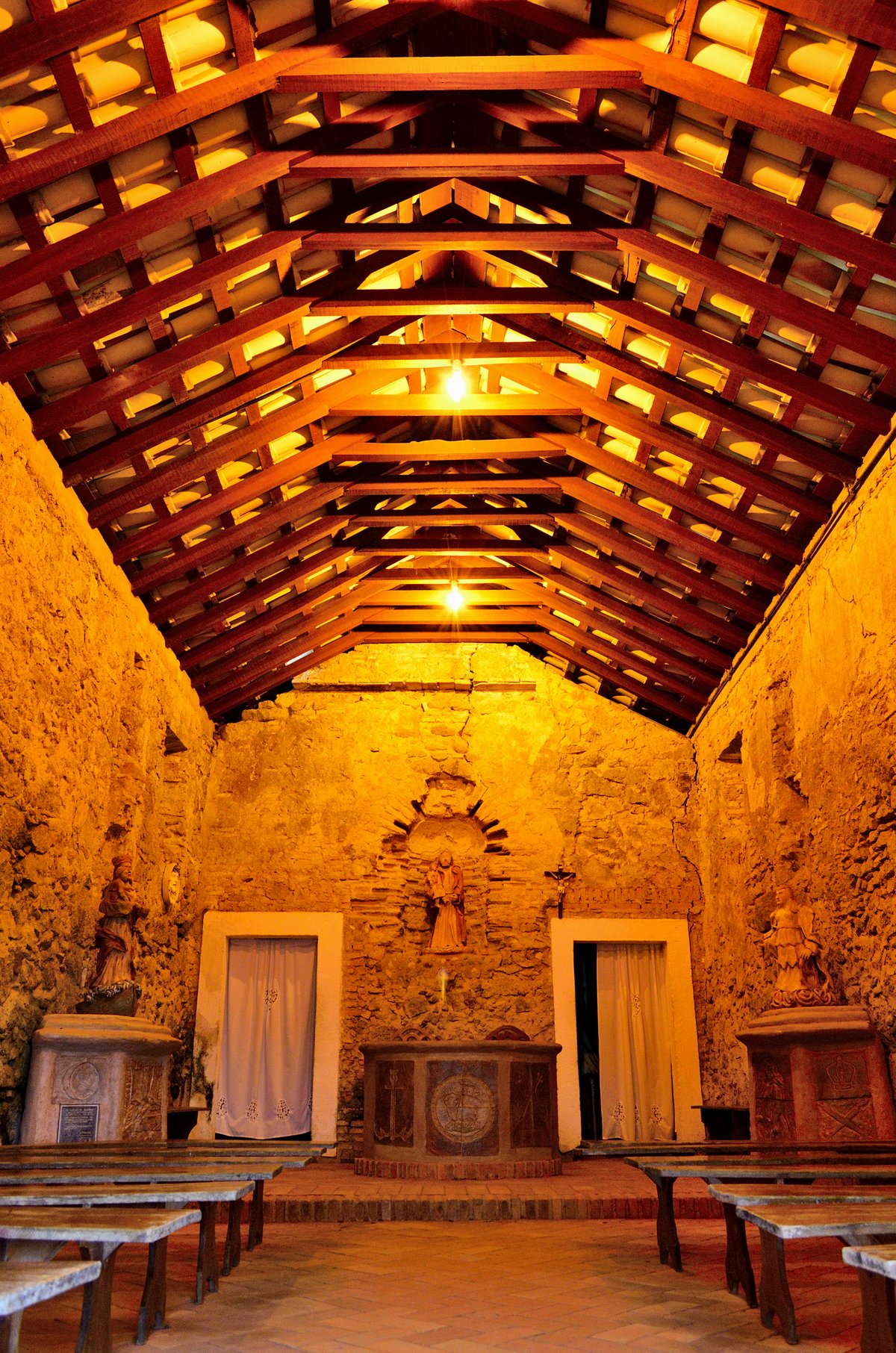
The Casarão displays classic Azorean colonial architecture: thick masonry walls, wooden verandas, and tiled roofs. The engenho, attached to the main house, preserves its original milling machinery—one of the few remaining operational “engenhos de cangalha” powered by animal traction. Restoration efforts have maintained the authenticity of both structures, using local materials such as granite and native woods while respecting the historical layout and aesthetic (ipatrimonio.org).
Heritage Designation
The site was declared a municipal and state heritage site in 2002, and its flour-making tradition was listed as Intangible Cultural Heritage of Santa Catarina in 2024. These recognitions highlight the engenho’s importance as a living repository of regional identity, memory, and craftsmanship (floripa.com).
Visiting Hours, Tickets, and Accessibility
Opening Hours
- Tuesday to Sunday 9:00 AM – 5:00 PM
- Closed Mondays and public holidays
- Special Events Hours may vary during festivals and community events. Check the official tourism portal before your visit.
Tickets
- Adults BRL 15–20
- Discounts Students, seniors (BRL 8–10), children under 12 (free)
- How to Book Advance booking is strongly recommended, especially for guided tours and festival dates. Reservations can be made by phone, WhatsApp, or through the official website.
Accessibility
- The site is wheelchair accessible, with ramps and adapted restrooms.
- Some historic areas may have uneven floors; staff are available to assist visitors with mobility needs.
- Accessible parking is available nearby.
Cultural and Educational Programming
Guided Tours and Interpretation
Guided tours are offered in Portuguese and, upon request, in English or Spanish. These tours provide insights into:
- The history and architecture of the Casarão and Engenho
- Traditional manioc flour and sugarcane processing
- The lives of local families and laborers
Interactive demonstrations of flour milling and woodcarving are highlights, as are regular exhibitions by local artists.
Festivals and Events
The annual Farinhada do Divino festival is a cultural highlight, featuring live music, traditional cuisine, and artisanal crafts. The site also participates in the broader Festa do Divino Espírito Santo—a vibrant community event with processions, gastronomy, and storytelling (floripa.com).
Educational Outreach
The Casarão serves as a living classroom, hosting school groups, academic research, and interdisciplinary workshops that connect history, architecture, environmental studies, and gastronomy. These initiatives foster community engagement, social inclusion, and the transmission of cultural knowledge (Academia.edu).
Sustainable Tourism and Preservation
Preservation Efforts
Ongoing restoration is essential to combat the effects of the coastal climate on the site’s original materials. Conservation strategies are developed collaboratively with local heritage professionals, government authorities, and the community to ensure authenticity and longevity (ipatrimonio.org).
Sustainable Practices
- Visitor limits during peak times and festivals
- Promotion of off-peak and educational visits
- Support for local artisans through on-site markets and workshops
- Environmental stewardship in collaboration with local organizations (floripa.com)
Visitor Experience and Practical Tips
Location and Arrival
- Address Santo Antônio de Lisboa, Florianópolis, Santa Catarina
- Access Easily reached by car, taxi, or public transportation from downtown Florianópolis (approx. 15 km).
- Parking Available near the site, but may be limited during popular events.
Site Layout
- The main house and mill are surrounded by gardens and shaded areas ideal for relaxation and photography.
- Interpretive signage is available in Portuguese, with some English translations.
Facilities
- Restrooms (including adapted facilities)
- Gift shop with local crafts and products
- Outdoor picnic spaces
Tips for Visitors
- Best Time to Visit Mornings or late afternoons for cooler temperatures; during festivals for a vibrant atmosphere
- Dress Comfortable shoes for uneven floors and cobblestone streets
- Language Most tours and signage are in Portuguese; translation apps or arranging a bilingual guide are helpful for international visitors
- Photography Permitted outdoors and during events; ask for permission inside the Casarão or during demonstrations
- Nearby Attractions Explore Santo Antônio de Lisboa’s colonial streets, artisan markets, seafood restaurants, and the Igreja de Nossa Senhora das Necessidades (ndmais.com.br)
FAQs
Q: What are the visiting hours?
A: Tuesday to Sunday, 9:00 AM to 5:00 PM; closed Mondays and public holidays.
Q: How much are tickets?
A: Adults BRL 15–20; discounts for students, seniors, and children.
Q: Are guided tours available?
A: Yes, in Portuguese and by prior arrangement in English or Spanish.
Q: Is the site accessible?
A: The site offers wheelchair accessibility and adapted restrooms.
Q: When is the best time to visit?
A: During cultural festivals for the fullest experience, or weekday mornings for a quieter atmosphere.