Place
Dourados
Brazil Verified Apr 2026
In Dourados, Brazil, the air carries unexpected layers—the sharp, green scent of soy fields on the wind, the earthy smoke from a roadside churrasco, and the faint, rhythmic chant of a Kaiowá ceremony drifting from the nearby reservation. This isn't a city of postcard-perfect plazas, but a living, breathing confluence where Guarani, Japanese, Paraguayan, and gaúcho cultures have collided to forge a uniquely Brazilian frontier identity. You come here not for monuments, but to feel the tectonic shifts of a continent at a single crossroads.
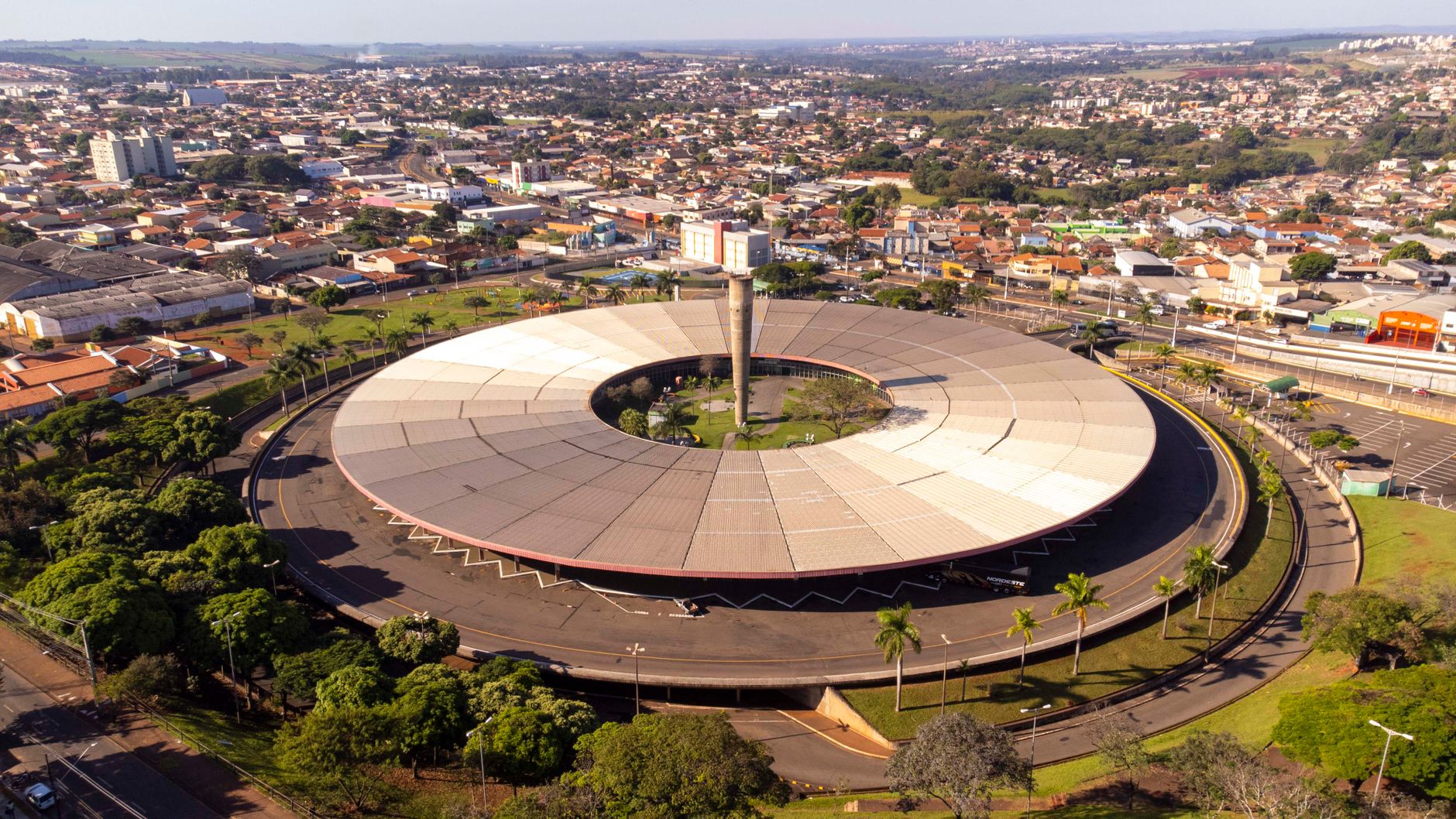 Photo: Rodolfo Gaion / Pexels
- Attractions
- 11
- Audio
- 34 min
- Trip length
- 2-3 days
- Best season
- Dry season (April-September)
Why Dourados
Built from cited sources · see the method · How we make our guides →
The city's pulse is set by its twin hearts: the relentless, productive engine of agribusiness that fuels the region, and the vibrant, questioning energy of its university. This duality means you'll find pickup trucks loaded with seed parked beside students debating philosophy in shaded cafes. The cultural texture is woven from these contrasts—a Paraguayan harp shop might sit next to a store selling Japanese ceramics, while the local news reports in Portuguese, Spanish, and Guarani. The municipal tourism office doesn't call it a historic center; they call it the 'Portal do Mercosul,' a gateway where the Southern Cone's identities fluidly merge.
To understand Dourados, you must start with the ground itself. The story is told at places like the Museu da Colônia Agrícola Nacional, where the 1940s government colonization plans that carved this city from the cerrado are laid bare. Then, walk to the Praça de Imigração Japonesa, where stone lanterns stand sentinel, or the Praça da República do Paraguai, where the chatter is as likely to be in Spanish as Portuguese. The true soul, however, resides in its people—the artisans of Vila São Pedro carving intricate figures from native wood, the farmers at the Tuesday agroecological fair in Parque dos Ipês, and the Indigenous communities whose presence, while not a casual tourist encounter, is the foundational layer of this entire region.
Portal do Mercosul
Dourados is a living cultural crossroads where Paraguayan tereré stalls sit near Japanese eateries and the Kaiowá language echoes in the market. This isn't a curated exhibit; it's the daily reality of a city that functions as the true 'Gateway to Mercosul,' a working regional capital where borders blur over a shared plate of chipa.Agroecological Heartbeat
The city's identity is rooted in the red earth of the Brazilian interior, best understood at the CAND museum or the Tuesday fair in Parque dos Ipês. Here, the story of agricultural colonization isn't just history—it's the engine of the modern economy, visible in the pickup trucks downtown and the vast green seas of soy and sugarcane encircling the urban grid.Cidade Universitária
Beyond its agro-frontier grit, Dourados pulses with the energy of a major university town. The Federal University brings a youthful, intellectual layer to the city's character, influencing its café culture, event calendar, and creating a dynamic contrast to its established agricultural identity.
Places to Visit
Not every monument, just the ones we'd walk you past ourselves.
-
Mato Grosso Do Sul State University Visiting the Universidade Estadual de Mato Grosso do Sul (UEMS) in Dourados offers a unique opportunity to explore one of the most significant educational…

- Federal University of Grande Dourados The Federal University of Grande Dourados (Universidade Federal da Grande Dourados, UFGD) stands as a vibrant educational and cultural landmark in Dourados,…
Neighborhoods
Where to wander, by quarter — each with its own rhythm.
Centro (around Praça Antônio João)
This is the historic civic core, where the city's official story begins. The Catedral Imaculada Conceição anchors the square, its solid presence a testament to the early Catholic settlement. Don't come expecting Baroque flourishes; come for the palpable sense of a working city's living room, where old men play checkers under the trees and the surrounding streets hum with the commerce of a regional capital.Parque dos Ipês & Surrounds
More than just a green space, this park is the city's cultural and social nexus. The Tuesday agroecological fair fills the air with the scent of fresh herbs and regional produce, while the park houses the municipal culture offices and the Academia Douradense de Letras. It’s the best place for people-watching and feeling the city's relaxed, communal rhythm, a blend of urban leisure and grassroots commerce.Vila São Pedro
A hidden gem for those seeking authenticity over polish. This is where you find the city's artisan soul, particularly in the woodworking studios that produce regional crafts. The atmosphere is residential and unpretentious; the reward is a direct connection to the makers and the tactile heritage of the state, far from any generic souvenir shop.Jardim Guaicurus / Galpão das Artes area
Another pocket of creative energy, centered around the Galpão das Artes Guaicurus. The vibe here is grassroots and contemporary, focusing on local makers and small-scale cultural production. It's a neighborhood for travelers who prefer to discover a city through its current artistic conversations rather than its historical plaques.Parque Rego D'Água / Primo Fioravante area
This sprawling environmental complex on the city's edge reveals Dourados' commitment to green leisure. With its walking tracks, sports courts, and skate park, it’s where the city goes to breathe and play. The light filters through taller, native trees here, and the soundscape shifts from traffic to the hum of cyclists and families picnicking by the lake.
Plan your trip
Before you go
- Getting There
- Dourados Airport (DOU) handles regional flights, primarily from São Paulo (GRU/CGH) and Campo Grande (CGR). The city is a major road nexus: BR-163 and BR-376 connect it directly to Campo Grande (2.5 hours north) and the Paraguayan border at Ponta Porã (1.5 hours south). Most interstate travel is by coach from these hubs.
- Getting Around
- The city is served by an extensive municipal bus network, but for visitors, taxis and ride-hailing apps are the most efficient way to navigate between dispersed points of interest. The urban layout is largely grid-based, making it relatively straightforward to explore the central area on foot, especially around Praça Antônio João.
- Climate & Best Time
- Expect a humid subtropical climate with hot, rainy summers (Oct-Mar, 25-35°C) and mild, drier winters (Apr-Sep, 15-28°C). The most pleasant visiting window is from May to August, when days are warm and sunny with low humidity and minimal rain. Avoid peak summer if you're not a fan of intense heat and frequent afternoon thunderstorms.
- Language & Currency
- Portuguese is the official language, but you'll commonly hear Spanish (especially Paraguayan variants) and Guarani influences in daily conversation. The currency is the Brazilian Real (BRL). While cards are widely accepted in hotels and restaurants, carrying some cash is wise for markets, smaller vendors, and taxi fares.
Where to Eat
Where locals actually book dinner — not the tourist menus.
Insider tips
Small things that change how the city treats you.
Visit on Tuesday
Head to Parque dos Ipês on a Tuesday morning for the agroecological fair, where you can find fresh regional produce and artisanal goods while watching local life unfold.Plan Indigenous Visits
Visiting the Reserva Indígena de Dourados requires prior authorization from FUNAI (Fundação Nacional dos Povos Indígenas). Plan well in advance and always approach with respect and community consent.Follow the Squares
For authentic Paraguayan and Japanese-Brazilian food, start at the Praça da República do Paraguai and Praça de Imigração Japonesa. The surrounding streets are where you'll find the best local restaurants.Walk the City Core
The historic center is compact and walkable. Start at Praça Antônio João with the cathedral, then stroll to nearby parks like Parque dos Ipês to feel the city's pace.Cash for Crafts
Bring cash, especially small bills, when visiting artisan spots like the Galpão das Artes Guaicurus or Vila São Pedro for easier transactions with local makers.
Gallery
The city, as it actually looks.


Frequently asked
Is Dourados worth visiting?
Yes, if you're interested in the complex cultural layers of Brazil's interior. Dourados is a working regional capital where Indigenous, Paraguayan, Japanese, and settler histories visibly intersect, offering a raw, authentic experience far from typical tourist trails.
How many days do I need in Dourados?
2-3 days is sufficient. Spend one day exploring the historic center and parks, another visiting cultural museums like the CAND, and a third delving into local food and artisan neighborhoods. It's a base for understanding the region, not a beach resort.
What is the best way to get around Dourados?
For the compact city center, walking is fine. To reach farther parks or museums, use taxis or ride-sharing apps. The city is designed around cars, so public transport can be less intuitive for short-term visitors.
Is Dourados safe for tourists?
Exercise standard urban precautions. Stick to central, populated areas during the day, be discreet with valuables, and avoid poorly lit areas at night. As a major agribusiness and university city, its safety profile is similar to other Brazilian regional capitals.
What is Dourados famous for?
Dourados is famous as a cultural and agricultural crossroads. It's a key hub for soy and cattle, home to a major federal university, and a point where Guarani-Kaiowá Indigenous territory, Paraguayan influence, and Japanese-Brazilian immigration converge.
When is the best time to visit Dourados?
Visit during the dry season, from April to September. You'll avoid the intense summer heat and heavy rains, making it more pleasant for walking through parks and exploring the city's outdoor cultural sites.
Pick up where you left off
Saved and recently read places — kept on this device only.
Photo credits (11)
- Rodolfo Gaion — Pexels License (https://www.pexels.com/license/) — Source: https://www.pexels.com/photo/16817880/
- Dourados banner — percursodacultura — CC BY-SA 2.0 (https://creativecommons.org/licenses/by-sa/2.0/) — Source: https://commons.wikimedia.org/wiki/File:Dourados_banner.jpg
- Expedição Guarani Kaiowa - Dourados (MS) (8137465359) — percursodacultura — CC BY-SA 2.0 (https://creativecommons.org/licenses/by-sa/2.0/) — Source: https://commons.wikimedia.org/wiki/File:Expedição_Guarani_Kaiowa_-_Dourados_(MS)_(8137465359).jpg
- Expedição Guarani Kaiowa - Dourados (MS) (8137464629) — percursodacultura — CC BY-SA 2.0 (https://creativecommons.org/licenses/by-sa/2.0/) — Source: https://commons.wikimedia.org/wiki/File:Expedição_Guarani_Kaiowa_-_Dourados_(MS)_(8137464629).jpg
- Expedição Guarani Kaiowa - Dourados (MS) (8137468621) — percursodacultura — CC BY-SA 2.0 (https://creativecommons.org/licenses/by-sa/2.0/) — Source: https://commons.wikimedia.org/wiki/File:Expedição_Guarani_Kaiowa_-_Dourados_(MS)_(8137468621).jpg
- Expedição Guarani Kaiowa - Dourados (MS) (8137463397) — percursodacultura — CC BY-SA 2.0 (https://creativecommons.org/licenses/by-sa/2.0/) — Source: https://commons.wikimedia.org/wiki/File:Expedição_Guarani_Kaiowa_-_Dourados_(MS)_(8137463397).jpg
- Expedição Guarani Kaiowa - Dourados (MS) (8137464157) — percursodacultura — CC BY-SA 2.0 (https://creativecommons.org/licenses/by-sa/2.0/) — Source: https://commons.wikimedia.org/wiki/File:Expedição_Guarani_Kaiowa_-_Dourados_(MS)_(8137464157).jpg
- Expedição Guarani Kaiowa - Dourados (MS) (8137463045) — percursodacultura — CC BY-SA 2.0 (https://creativecommons.org/licenses/by-sa/2.0/) — Source: https://commons.wikimedia.org/wiki/File:Expedição_Guarani_Kaiowa_-_Dourados_(MS)_(8137463045).jpg
- Expedição Guarani Kaiowa - Dourados (MS) (8137467043) — percursodacultura — CC BY-SA 2.0 (https://creativecommons.org/licenses/by-sa/2.0/) — Source: https://commons.wikimedia.org/wiki/File:Expedição_Guarani_Kaiowa_-_Dourados_(MS)_(8137467043).jpg
- Expedição Guarani Kaiowa - Dourados (MS) (8137466037) — percursodacultura — CC BY-SA 2.0 (https://creativecommons.org/licenses/by-sa/2.0/) — Source: https://commons.wikimedia.org/wiki/File:Expedição_Guarani_Kaiowa_-_Dourados_(MS)_(8137466037).jpg
- Expedição Guarani Kaiowa - Dourados (MS) (8137468159) — percursodacultura — CC BY-SA 2.0 (https://creativecommons.org/licenses/by-sa/2.0/) — Source: https://commons.wikimedia.org/wiki/File:Expedição_Guarani_Kaiowa_-_Dourados_(MS)_(8137468159).jpg
Photos may have been resized or cropped.